

What Are the Challenges in Coil Wrapping Machine Installation?
Installing a coil wrapping machine involves careful planning to overcome mechanical, electrical, and operational hurdles. Ensuring proper alignment, stable power, and correct setup are critical for preventing downtime and maximizing efficiency right from the start. Addressing these challenges proactively is key to a successful and smooth integration into your production line.
Coil wrapping machines have become indispensable assets in industries dealing with coiled goods, from heavy steel and aluminum to delicate wires and cables. These machines automate a critical packaging step, offering superior protection against environmental damage, streamlining operations, and reducing labor costs. However, realizing these benefits hinges on a successful installation process. Integrating a complex piece of machinery like a coil wrapping machine into an existing production line is not always straightforward. Several potential challenges can arise during installation and setup, which, if not properly addressed, can lead to delays, inefficiencies, and even damage to the equipment or the products it's intended to protect.
Understanding these potential pitfalls is the first step towards a smooth and efficient installation. This article will explore the common challenges encountered during coil wrapping machine installation, providing insights into how to anticipate and overcome them. By proactively addressing these issues, businesses can ensure their new coil wrapping machines are operational quickly, reliably, and contribute to enhanced productivity from day one.
Mechanical Installation Challenges: Ensuring a Solid Foundation
The physical installation of a coil wrapping machine presents several mechanical challenges. These machines, especially those designed for heavy-duty industrial applications, can be substantial in size and weight.
Site Preparation and Space Constraints
| One of the primary challenges is ensuring the installation site is adequately prepared. Coil wrapping machines require a level and stable floor capable of supporting their weight and operational vibrations. Uneven flooring can lead to misalignment issues, impacting the machine's performance and longevity. Furthermore, space constraints within the facility can pose a significant hurdle. The machine needs sufficient clearance not only for its footprint but also for operational movements, maintenance access, and the flow of materials in and out of the wrapping area. Table 1: Mechanical Installation Site Considerations |
Consideration | Potential Issue if Ignored | Mitigation Strategy |
|---|---|---|---|
| Floor Levelness & Stability | Machine misalignment, vibration, premature wear and tear | Site survey, floor leveling, reinforcement if necessary |

| Space Clearance | Restricted operation, maintenance difficulties, safety hazards | Measure machine dimensions, plan layout, ensure ample space |
| Material Flow Path | Inefficient workflow, bottlenecks, increased handling time | Optimize machine placement within production line flow |
| Environmental Factors | Dust, debris accumulation affecting machine performance | Clean installation area, consider environmental enclosures |
Machine Alignment and Leveling
Precise alignment and leveling are crucial for the smooth operation of a coil wrapping machine. Misalignment can lead to uneven wrapping, damage to the coils, and increased wear on machine components like rollers and belts. Achieving perfect alignment often requires specialized tools and expertise. Rollers, in particular, must be meticulously aligned to ensure consistent coil rotation and wrapping material application.
Integration with Existing Systems
In many cases, coil wrapping machines are integrated into existing production lines. This integration can present mechanical challenges in terms of physically connecting the machine to conveyors, material handling systems, or other upstream and downstream equipment. Ensuring seamless material transfer between different systems is vital for maintaining production efficiency.
Electrical Installation and Setup: Powering Efficiency
Electrical installation is another critical aspect of setting up a coil wrapping machine. These machines require a stable and appropriate power supply to function correctly and safely.
Power Supply and Compatibility
Ensuring the facility's electrical supply is compatible with the machine's requirements is paramount. Voltage, phase, and frequency must match the machine's specifications to prevent damage or malfunction. Fluctuations in power supply can also negatively impact the machine's sensitive electronic components, leading to inconsistent performance or breakdowns. Implementing surge protection and voltage regulation can be essential in areas with unreliable power grids.
Control System Integration and Sensor Calibration
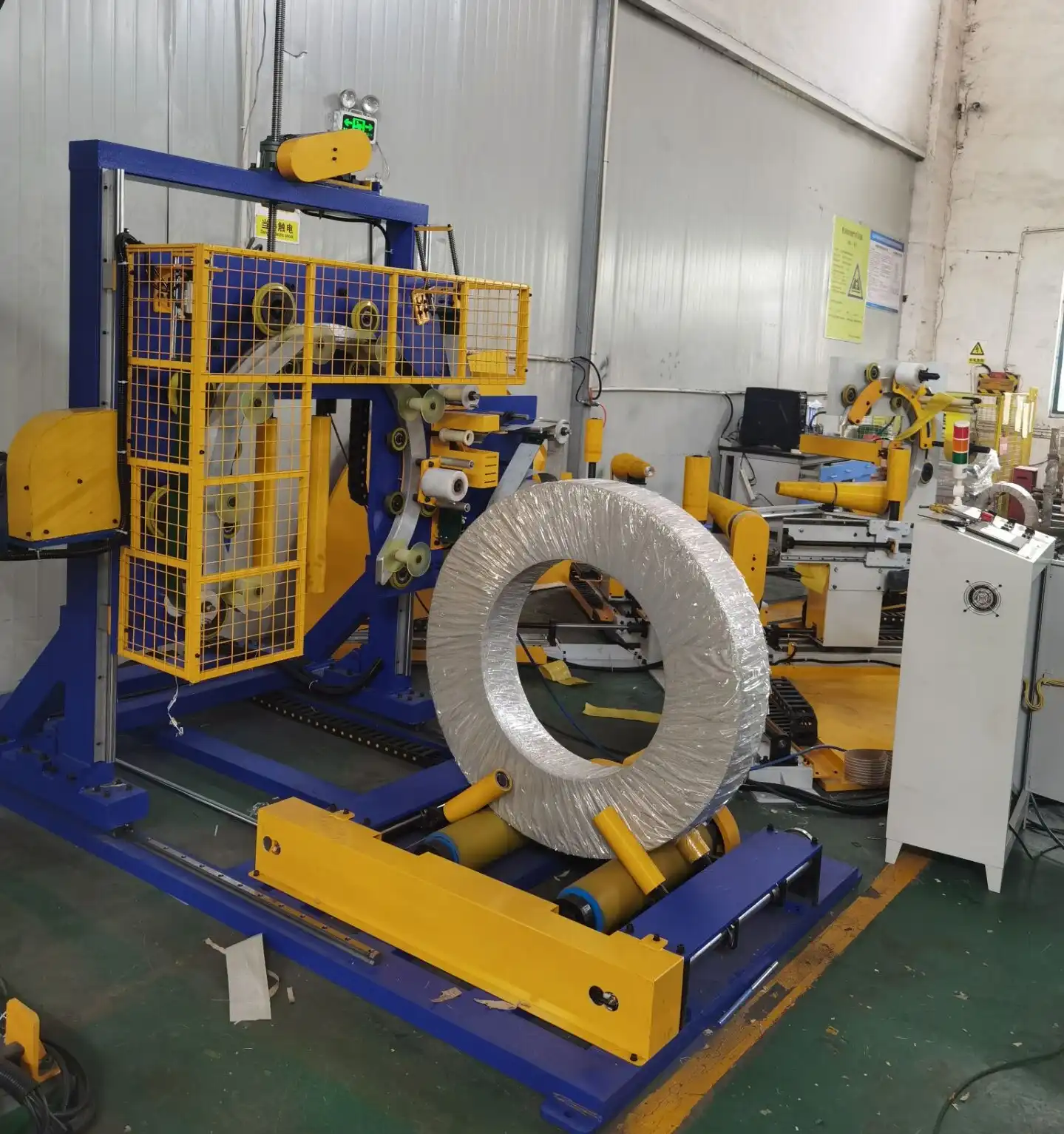
Modern coil wrapping machines are equipped with sophisticated control systems, often incorporating sensors, programmable logic controllers (PLCs), and human-machine interfaces (HMIs). Integrating these control systems and calibrating sensors correctly is crucial for automated operation. Sensors play a vital role in detecting coil dimensions, material presence, and wrapping tension. Improperly calibrated sensors can lead to errors in the wrapping process, material wastage, and potential damage to the product.
Wiring and Connections
| Correct wiring and secure electrical connections are fundamental for safety and reliable operation. Incorrect wiring can lead to short circuits, electrical hazards, and machine malfunctions. All electrical connections must be made according to the machine manufacturer's specifications and relevant electrical codes. Furthermore, proper grounding is essential to prevent electrical shocks and protect sensitive electronic components from damage. Table 2: Electrical Installation Considerations |
Consideration | Potential Issue if Ignored | Mitigation Strategy |
|---|---|---|---|
| Power Supply Compatibility | Machine damage, malfunction, safety hazards | Verify voltage, phase, frequency, install regulator/UPS | |
| Control System Integration | Automation failure, inaccurate wrapping, system errors | Expert commissioning, software setup, PLC programming | |
| Sensor Calibration | Inconsistent wrapping, material waste, product damage | Precise calibration using manufacturer instructions | |
| Wiring and Connections | Electrical hazards, short circuits, machine downtime | Qualified electrician, follow wiring diagrams, grounding | |
| Emergency Stop Functionality | Safety compromise, potential for accidents | Thorough testing of emergency stop circuits |
Operational Setup and Training: Optimizing Performance
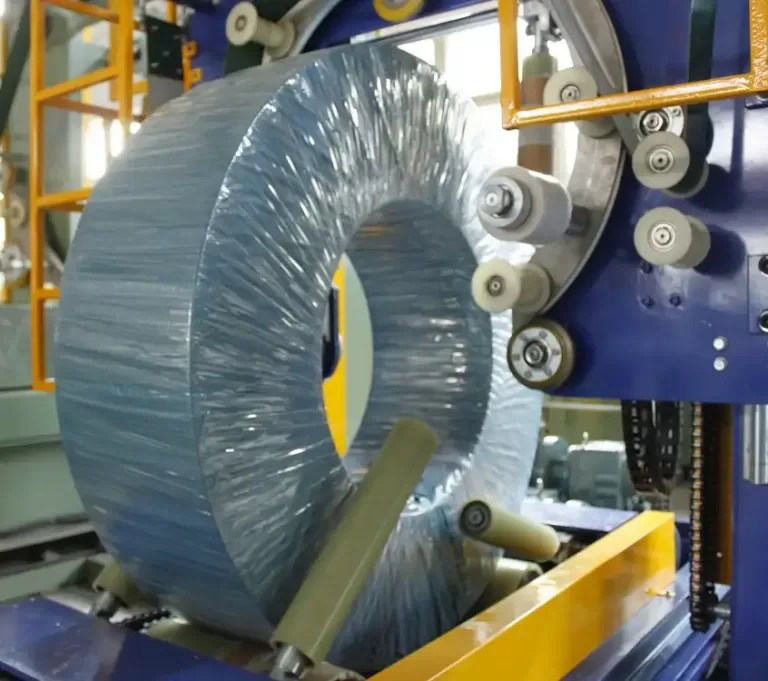
Beyond the physical and electrical aspects, operational setup and operator training are vital for maximizing the benefits of a newly installed coil wrapping machine.
Parameter Configuration and Material Settings
Coil wrapping machines offer a range of adjustable parameters to accommodate different coil sizes, shapes, and wrapping materials. Correctly configuring these parameters – such as wrapping speed, tension, overlap, and material feed rate – is crucial for achieving optimal wrapping quality and efficiency. Incorrect settings can result in loose or overly tight wrapping, material tears, or inefficient material usage. Finding the ideal settings often requires experimentation and fine-tuning based on the specific coils and wrapping materials being used.
Operator Training and Skill Development
Even the most advanced coil wrapping machine requires skilled operators to run it effectively. Proper training is essential to ensure operators understand the machine's controls, operation procedures, safety protocols, and basic troubleshooting steps. Lack of training can lead to operator errors, inefficient operation, and increased downtime. Comprehensive training programs should cover machine operation, routine maintenance, and error identification and reporting.
Initial Run and Calibration Refinement
| After installation and initial setup, a period of test runs and calibration refinement is usually necessary. This allows for identifying any unforeseen issues, fine-tuning machine settings, and ensuring consistent and reliable performance. Monitoring the quality of wrapped coils during these initial runs and making necessary adjustments is crucial for optimizing the machine's output and minimizing waste. Table 3: Operational Setup and Training Considerations |
Consideration | Potential Issue if Ignored | Mitigation Strategy |
|---|---|---|---|
| Parameter Configuration | Suboptimal wrapping quality, material waste, product damage | Detailed setup procedures, material-specific profiles | |
| Operator Training | Operator errors, inefficient operation, increased downtime | Comprehensive training program, user manuals, certifications |
| Initial Run and Calibration | Unidentified issues, inconsistent performance, startup delays | Test runs, quality checks, iterative parameter adjustments|
| Preventative Maintenance Schedule | Increased breakdowns, reduced machine lifespan, higher costs | Establish and implement routine maintenance schedule |
Overcoming Installation Challenges: A Proactive Approach
Successfully navigating the challenges of coil wrapping machine installation requires a proactive and well-planned approach.
Pre-Installation Planning and Site Assessment
Thorough pre-installation planning is essential. This includes a detailed site assessment to evaluate space constraints, floor conditions, power supply availability, and material flow paths. Engaging with the machine manufacturer early in the process to discuss specific installation requirements and potential challenges is highly recommended.
Professional Installation and Commissioning
For complex industrial machinery like coil wrapping machines, professional installation and commissioning services are often invaluable. Experienced technicians can ensure correct mechanical and electrical setup, proper control system integration, and accurate sensor calibration. Professional commissioning also typically includes initial operator training and support during the startup phase.
Ongoing Maintenance and Support
Installation is just the first step. Establishing a routine preventative maintenance schedule is crucial for ensuring the long-term reliable operation of the coil wrapping machine. Regular inspections, lubrication, component checks, and timely replacement of worn parts can prevent breakdowns and extend the machine's lifespan. Furthermore, having access to reliable technical support from the manufacturer or a qualified service provider is essential for addressing any issues that may arise during operation.
By carefully considering these challenges and implementing proactive strategies, businesses can ensure a smooth and successful coil wrapping machine installation, unlocking the full potential of this valuable technology to enhance their packaging processes and overall operational efficiency.