
Why Choose an Automatic Coil Packing Line for Your Manufacturing Plant?
Imagine this: your production line is humming, coils are rolling off the line, but everything grinds to a halt at the packing station. Workers scramble to manually wrap, strap, and label each heavy coil. It's slow, it's dangerous, and it's costing you money with every passing minute. This bottleneck is a common nightmare for plant managers in the metals industry, where the end of the line often becomes the weakest link. (manufacturing plant bottleneck, coil packaging challenges)
An automatic coil packing line is the definitive solution to transform this final, labor-intensive stage into a seamless, efficient, and safe extension of your production process. By integrating machinery for coil handling, strapping, wrapping, and labeling, it eliminates manual bottlenecks, drastically reduces safety risks, and ensures consistent, high-quality packaging that protects your product and your profit. (automatic coil packing line benefits, automated packaging solution)
For managers like Michael in Mexico, who oversee demanding metal processing operations, the decision isn't just about buying a machine. It's about investing in a system that solves core operational headaches. Let's explore why this investment is not just an upgrade, but a strategic necessity for modern, competitive manufacturing.
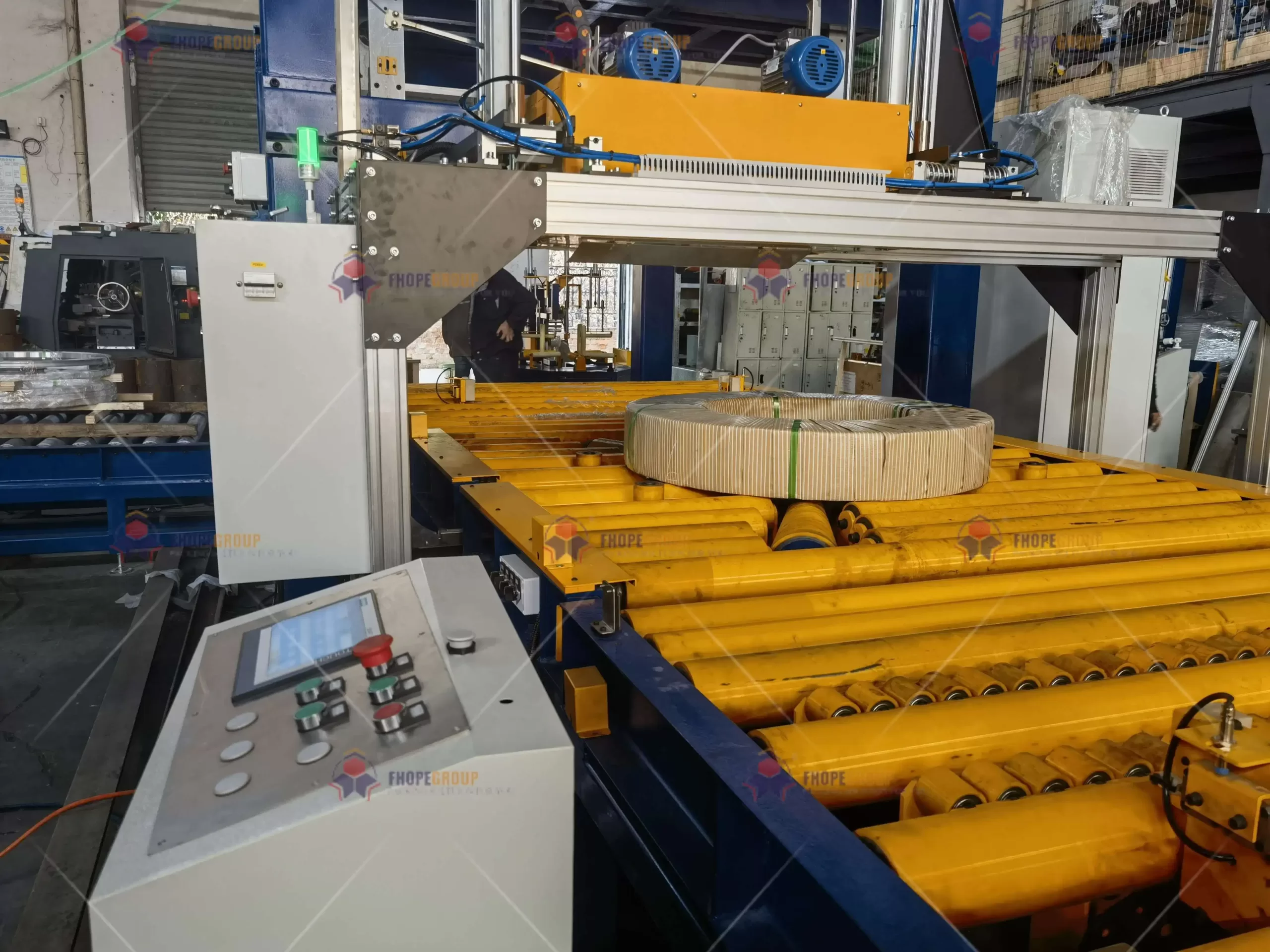
1. How Does an Automatic Line Crush Production Bottlenecks?
You've optimized your rolling, slitting, and finishing processes. Yet, your daily output is still capped by how fast your team can manually pack the final product. This is the efficiency ceiling that holds back so many plants. An automatic line shatters this ceiling by synchronizing packing speed with your production rate. (overcome production bottlenecks, increase packaging throughput)
Automatic coil packing lines are engineered to remove human speed limits from the packaging process. They provide a continuous, high-speed flow where coils are received, positioned, strapped, wrapped, and labeled without manual intervention, directly linking packing pace to your core production capacity and eliminating the final-mile slowdown. (high-speed coil packaging, continuous packaging flow)
🚀 The Mechanics of Uninterrupted Flow
An automatic line isn't a single machine; it's a synchronized system. Each component has a specific role, working like a well-coordinated team.
- 1. Coil Handling & Positioning: This is the start. Automated conveyors, lift-and-turn devices, or coil cars receive the coil from the production line. They precisely position it for the next stages, replacing slow and risky manual rolling or crane operations.
- 2. Automatic Strapping: Robotic or gantry-type strapping heads apply steel or plastic straps at predetermined positions. They apply consistent tension every single time, which manual strapping can never guarantee. Brands like Fengding excel here, offering robust strappers built for the high-cycle demands of a steel mill.
- 3. Protective Wrapping: A rotating ring or a moving coil applies stretch film, weather-resistant paper, or plastic sheets. This creates a uniform protective layer against moisture, dust, and handling scratches.
- 4. Labeling & Discharge: Finally, an automatic printer-applier attaches the shipping label, and the finished, packed coil is conveyed to the storage or loading area.
📊 The Tangible Impact: From Bottleneck to Throughput
Let's quantify the change. Compare a manual station to an automatic line:
| Packaging Stage | Manual Process (Estimated Time) | Automatic Line Process (Estimated Time) | Efficiency Gain |
|---|---|---|---|
| Positioning & Prep | 3-5 minutes (2 workers) | < 1 minute (automated) | ~80% faster |
| Applying Straps | 2-3 minutes per strap | 10-15 seconds per strap | ~90% faster |
| Applying Wrap | 4-6 minutes | 1-2 minutes | ~70% faster |
| Total per Coil | 9-14 minutes | ~3-4 minutes | ~70-75% faster |
This table shows a clear story. What used to take two workers 10+ minutes is done automatically in under 4. This means you can pack 2-3 times more coils per shift with the same or fewer personnel. The bottleneck vanishes. Your production isn't waiting on packaging anymore; packaging keeps up with production. For a plant manager focused on output and On-Time Delivery (OTD), this is a game-changing advantage. The return on investment (ROI) often comes from the sheer volume of additional, saleable product you can ship each month. (packaging line ROI, increase plant output)
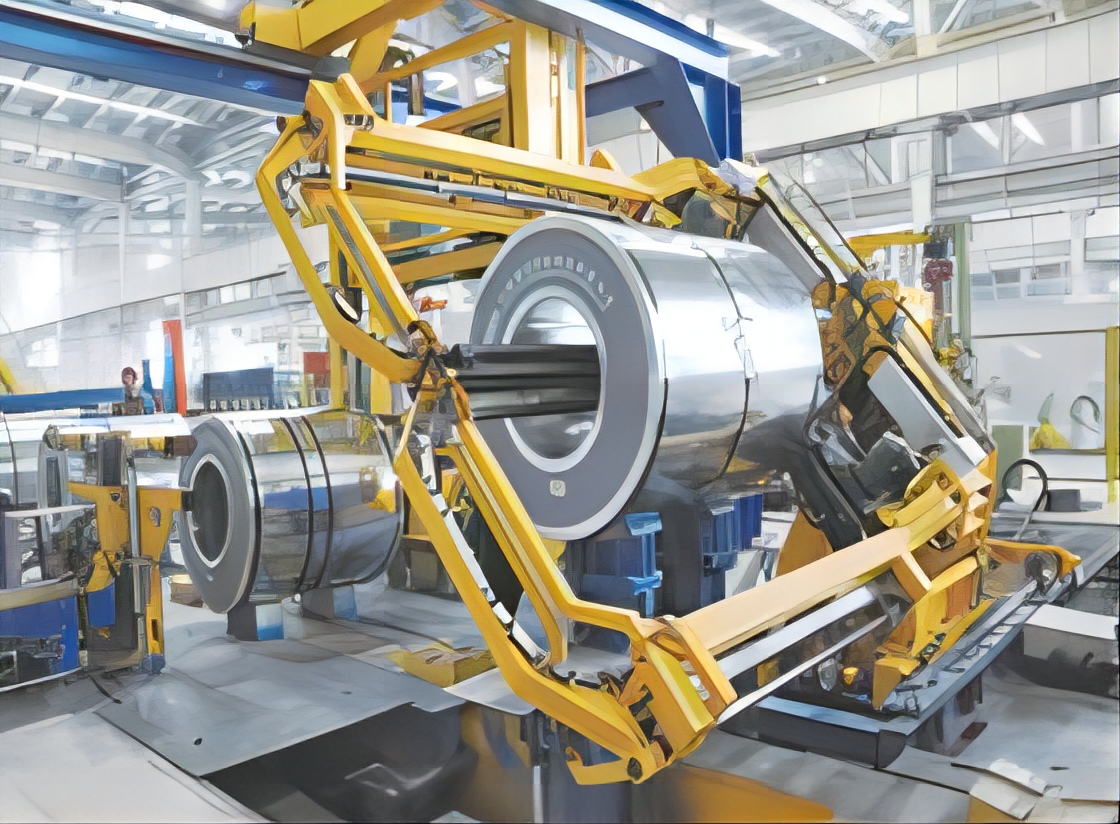
2. Can Automation Truly Solve Critical Safety Problems?
A heavy steel coil is not just a product; it's a significant hazard. Manual handling—rolling, flipping, guiding it during strapping—exposes workers to crushing injuries, strains, and falls. Every plant manager knows these risks are a constant worry, affecting insurance costs, morale, and operational continuity. (steel coil handling safety, packaging injury risks)
Yes, automation is the most effective way to engineer out these critical safety hazards. An automatic packing line fundamentally redefines the worker's role from physically handling the coil to supervising and maintaining the machinery. It creates a barrier between the worker and the major pinch points, crush zones, and heavy lifting inherent in manual coil packing. (engineered safety solutions, reduce manual handling risks)
⚠️ Identifying the High-Risk Tasks Automation Eliminates
Let's break down the specific dangers an automatic line removes:
- Eliminates Manual Coil Movement: Workers no longer need to use bars to roll coils or guide them with their hands. Automated conveyors and positioners do this heavy work.
- Removes Operator from the Strapping Zone: In manual strapping, a worker must be close to the coil to thread and tension the strap. Automatic strappers, like those from Wuxi Bu Hui, perform this task within a guarded cell.
- Prevents Repetitive Strain Injuries: The constant bending, pulling, and cutting involved in manual wrapping and strapping are gone. The machine performs these repetitive motions.
- Reduces Forklift Traffic: Integrated lines often include automatic discharge, minimizing the need for forklifts to maneuver in tight packing areas.
🛡️ Building a Culture of Safety Through Technology
Implementing an automatic line does more than just prevent accidents; it upgrades your entire safety culture.
- Compliance Made Easier: It helps you meet stringent occupational health and safety regulations (like OSHA guidelines or local Mexican NOM standards) by providing documented engineering controls.
- Predictable Operations: Machines follow programmed paths. Unlike tired or distracted workers, they don't take shortcuts that bypass safety protocols.
- Shift in Workforce Role: Your team's skills are elevated. They become machine operators, controllers, and technicians—roles focused on problem-solving and maintenance rather than brute-force labor. This leads to higher job satisfaction and lower turnover.
For a pragmatic manager, the safety argument is also a financial one. Reduced accidents mean lower insurance premiums, less downtime from investigations, and no costs related to lost-time injuries. Investing in an automatic line is a proactive measure to protect your most valuable asset: your people. It turns a major operational risk into a controlled, predictable process. (plant safety investment, reduce worker compensation costs)
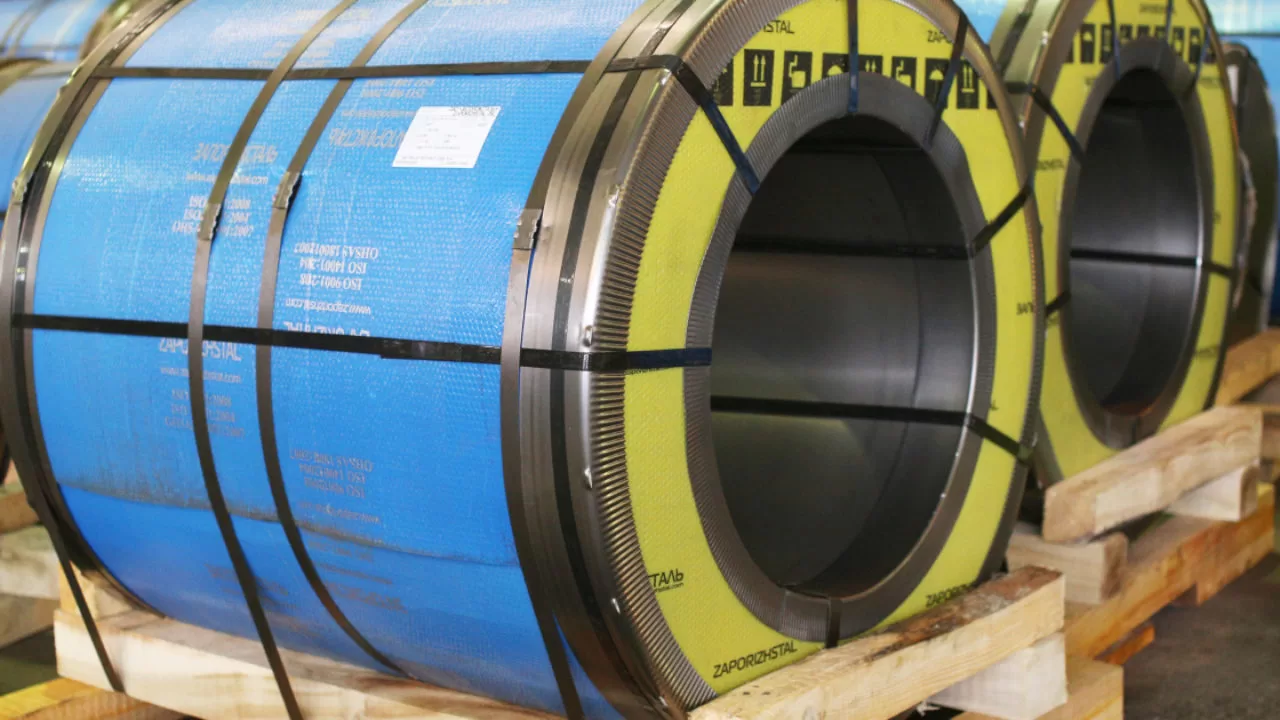
3. Where Does the Real Cost Savings Come From?
The initial price tag of an automatic line can give any manager pause. However, this view misses the total cost of operation (TCO). The real savings of automation are not just in direct labor costs; they are woven into every aspect of your operation, from product quality to customer satisfaction. A manual process has many hidden costs that silently erode profitability. (total cost of operation TCO, hidden packaging costs)
The true cost savings of an automatic coil packing line are systemic. They come from the direct reduction of labor, the near-elimination of product damage during packaging, the optimization of material usage (like film and strap), and the prevention of costly production downtime caused by packaging-related delays or injuries. (systemic cost reduction, packaging process optimization)
💰 A Detailed Breakdown of Savings Channels
To understand the ROI, we must look beyond the purchase order.
| Cost Category | Manual Packing (Hidden Costs) | Automatic Line (Savings Generated) |
|---|---|---|
| Direct Labor | High: Requires 2-4 skilled workers per shift. | Reduced: Requires 1 supervisor/operator. Frees labor for other tasks. |
| Product Damage | High & Variable: Edge damage, scratches, and deformation from manual handling. | Minimized: Consistent, gentle machine handling protects coil integrity. |
| Packaging Materials | Inconsistent & Wasted: Over-tightening or loose straps, uneven film wrap. | Optimized: Machines apply precise, repeatable tension and overlap, reducing waste. |
| Downtime | Frequent: Due to worker fatigue, injuries, or slow pace causing production halts. | Minimized: Predictable, continuous operation keeps the line moving. |
| Customer Returns | Potential Cost: Due to inadequate packaging leading to rust or damage in transit. | Avoided: Consistent, high-quality packaging reduces claims and protects reputation. |
🔍 The Critical Factor: Protecting Your Product
For Michael, who faces customer complaints about product damage, this is key. A coil's value is high. A single damaged edge can lead to a full coil rejection. Manual processes are prone to human error—a slipped bar, an uneven strap. Automation ensures every coil is packed identically, with the right protection. This directly safeguards your revenue and eliminates the "cost of poor quality." Furthermore, consistent, professional packaging enhances your brand's reputation for reliability. When you invest in a reliable line from an experienced partner, you're not just buying machinery; you're buying predictability in your cost structure and customer satisfaction. The savings on damage claims alone can justify the investment over time. (reduce product damage, improve packaging consistency)

4. What Should You Look for in a Packaging Partner?
Buying complex equipment like an automatic packing line is a long-term partnership. A bad supplier can leave you with an expensive, underperforming machine and no support. For a manager burned by past experiences, finding the right partner is as important as the technology itself. You need someone who understands your factory floor, not just a sales brochure. (packaging equipment supplier, industrial partnership)
You need a partner with proven industry experience, deep application knowledge, and a commitment to after-sales support. Look for a supplier who doesn't just sell machines but provides complete solutions—offering expert layout planning, seamless integration advice, comprehensive training, and readily available spare parts and service to ensure your line delivers value for years. (complete packaging solution, reliable equipment supplier)
✅ The Partner Checklist: Beyond the Price Quote
When evaluating suppliers, use this framework:
- 🔧 Technical Expertise & Customization: Can they tailor the line to your specific coil sizes, weights, and plant layout? Do they understand the nuances of steel, aluminum, or copper coils? Generic solutions often fail.
- 🏭 Proven Track Record: Ask for case studies or references from similar industries (steel service centers, mills). A supplier like Fengding, with a long history in heavy industry, will have more relevant experience than a general machinery maker.
- 🛠️ Support & Service Structure: This is critical. What is their response time for technical issues? Do they have local service engineers or trained agents in your region (e.g., Latin America)? Do they offer training for your maintenance team?
- 📈 Value-Added Insight: A good partner acts as a consultant. They should ask detailed questions about your process flow, pain points, and future goals. They should provide clear ROI projections, not just equipment specs.
🤝 The FHOPEPACK Perspective: Learning from the Factory Floor
From my own journey—starting as an engineer on the floor and later running a factory—I know the partner you need. You don't need a vendor who disappears after the sale. You need someone like Randal, who has lived the challenges you face. The right partner will:
- Visit your plant to see the real constraints.
- Design a line that fits your space and workflow.
- Provide honest advice on technology choices (e.g., when to choose a radial strapper vs. a linear one).
- Be there for the long haul to ensure uptime.
For a strategic investment like this, the cheapest option is often the most expensive in the long run. Partner with a company that builds reliability into their machines and partnership into their culture. This ensures your automatic packing line becomes the durable, efficient workhorse you need it to be, driving growth rather than becoming a maintenance headache. (durable packaging machinery, long-term equipment support)
Conclusion
An automatic coil packing line is a strategic investment that directly tackles efficiency, safety, and cost challenges in metal manufacturing. It transforms a vulnerable manual process into a reliable, profit-protecting system. To explore robust solutions tailored for heavy-duty applications, consider partnering with an expert Steel Coil Packing Line manufacturer.