

Why Are Coil Wrapping Machines Important for Packaging Lines?
Are you tired of product damage during shipping, escalating labor costs for packaging, and inefficiencies slowing down your packaging line? Imagine a solution that not only addresses these pain points but also elevates your operational efficiency and product protection to new heights. Coil wrapping machines are not just an upgrade; they are a necessity for modern packaging lines dealing with coil products.
Coil wrapping machines are crucial for packaging lines because they automate and streamline the wrapping process, significantly enhancing efficiency, product protection, and cost-effectiveness. By replacing manual methods, these machines ensure consistent, secure wrapping, reduce labor costs, minimize material waste, and safeguard coils from damage during handling and transportation, ultimately optimizing packaging operations.
Let's delve deeper into why integrating coil wrapping machines into your packaging line is a strategic move towards optimizing your operations and securing your product integrity.
Streamlining Operations with Enhanced Efficiency
In today’s fast-paced manufacturing environment, operational efficiency is the backbone of productivity and profitability. For industries dealing with coils, the traditional manual packaging methods simply cannot keep pace with production demands, often becoming a bottleneck. Coil wrapping machines step in to revolutionize this process.
Coil wrapping machines drastically improve the efficiency of packaging lines by automating key processes such as coil loading, wrapping, and sealing. This automation minimizes manual labor, accelerates packaging speeds, and reduces the potential for human error, leading to higher throughput and significant operational improvements. By integrating these machines, packaging lines can achieve a more consistent and faster workflow, directly contributing to increased overall productivity and reduced downtime.

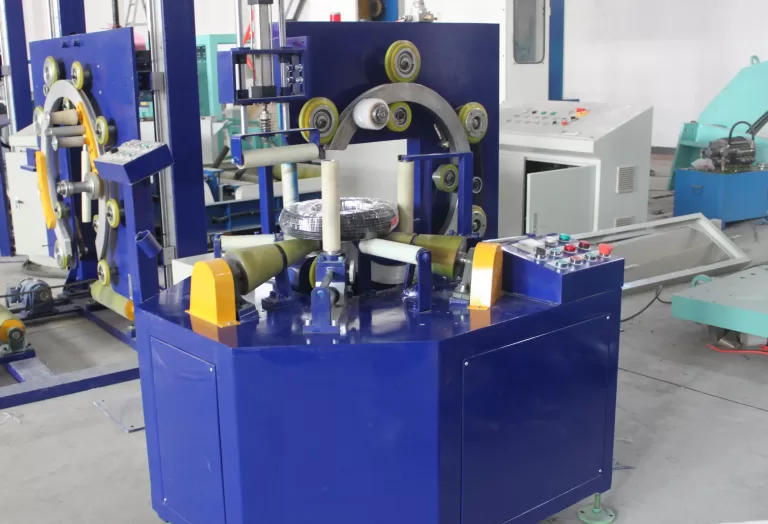
Diving Deeper into Efficiency Gains
To truly appreciate the impact of coil wrapping machines on efficiency, it's essential to break down the specific areas where these machines outperform manual packaging methods. Consider the key operational aspects: speed, labor, material usage, and downtime.
Speed and Throughput
Manual coil wrapping is inherently slow and inconsistent. Each coil requires manual handling, wrapping, and securing, tasks that are time-consuming and prone to variability depending on the operator's skill and fatigue. Coil wrapping machines, on the other hand, operate at a consistent and rapid pace. Automated systems can wrap coils in a fraction of the time it takes manually, significantly increasing the throughput of the packaging line. This speed advantage becomes critical when dealing with high production volumes.
Labor Costs and Allocation
Manual packaging is labor-intensive, requiring multiple operators to handle and wrap coils. This not only drives up labor costs but also ties up valuable personnel who could be better utilized in other areas of the production process. Automated coil wrapping machines reduce the reliance on manual labor, often requiring only one operator to oversee the machine's operation. This reduction in labor needs translates directly into lower operational costs and allows for the reallocation of human resources to more strategic tasks.
Material Optimization and Waste Reduction
Manual wrapping often leads to inconsistent material usage. Operators may over-wrap to ensure security, leading to unnecessary material consumption and increased costs. Coil wrapping machines are designed for precision, applying the exact amount of wrapping material needed for each coil. This precise application minimizes waste, reduces material costs, and contributes to a more sustainable and environmentally friendly operation. Furthermore, consistent wrapping quality ensures optimal material utilization across all products.
Downtime Reduction and Consistency
Manual packaging processes are susceptible to variability and errors, which can lead to rework and downtime. Inconsistencies in wrapping can result in inadequate protection, leading to product damage and the need for repackaging or even product loss. Automated coil wrapping machines provide consistent and reliable performance, minimizing errors and reducing the likelihood of product damage. This reliability translates to less downtime, smoother operations, and a more predictable production schedule.
To illustrate these points, consider a comparative analysis between manual and automated coil wrapping:
| Feature | Manual Coil Wrapping | Automated Coil Wrapping Machine |
|---|---|---|
| Speed | Slow, inconsistent | Fast, consistent |
| Labor | High labor requirement, costly | Low labor requirement, cost-effective |
| Material Usage | Inconsistent, potential for waste | Precise, minimal waste |
| Consistency | Variable wrapping quality | Uniform, high-quality wrapping |
| Downtime | Higher due to errors and rework | Lower, reliable operation |
| Throughput | Lower | Higher |
| Operational Cost | Higher | Lower |
This table clearly demonstrates the advantages of automated coil wrapping machines in enhancing operational efficiency across multiple dimensions. By investing in these machines, businesses can transform their packaging lines from potential bottlenecks into streamlined, high-performance operations.
Superior Product Protection During Transit
Coils, whether made of steel, aluminum, or other materials, are inherently vulnerable to damage during handling and transportation. Their weight, shape, and material properties make them susceptible to scratches, abrasions, moisture damage, and corrosion. Ensuring these products arrive at their destination in pristine condition is paramount, and coil wrapping machines play a vital role in achieving this.
Coil wrapping machines offer superior product protection by employing specialized wrapping techniques and materials that create a robust protective barrier around each coil. These machines utilize stretch film and other advanced materials to tightly encase coils, safeguarding them against physical damage, moisture, dust, and corrosion during storage and transit. This enhanced protection significantly reduces product damage, minimizes losses, and ensures customer satisfaction by delivering products in optimal condition.

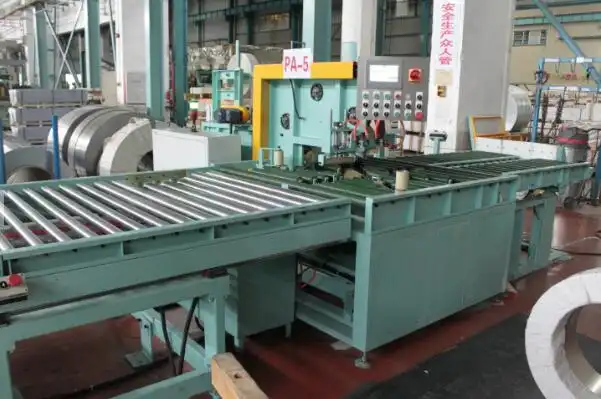
- Ensuring Coil Integrity Through Advanced Wrapping Techniques
The effectiveness of coil wrapping machines in providing superior protection lies in their advanced wrapping techniques and the materials they utilize. Let's explore the key aspects of how these machines ensure coil integrity.
Robust Physical Barrier
Coil wrapping machines typically employ stretch wrapping, a technique that involves tightly wrapping a coil with layers of stretchable plastic film. This film conforms to the shape of the coil, creating a snug and secure barrier. The multiple layers of film provide cushioning and protection against scratches, abrasions, and impacts during handling and transit. Unlike manual wrapping, machines apply consistent tension and overlap, ensuring uniform protection across the entire coil surface.
Moisture and Dust Resistance
Exposure to moisture and dust can lead to significant damage, especially for metal coils. Moisture can cause rust and corrosion, while dust can abrade surfaces and contaminate products. The tight seal created by coil wrapping machines effectively blocks out moisture and dust, preserving the quality and integrity of the coils. Some advanced wrapping films also incorporate moisture barriers and UV protection, providing an extra layer of defense against environmental elements.
Corrosion Prevention with VCI Films
For coils made of ferrous metals, corrosion is a major concern. To combat this, coil wrapping machines can utilize VCI (Volatile Corrosion Inhibitor) films. These specialized films release corrosion-inhibiting chemicals that create a protective atmosphere around the coil, preventing rust and corrosion from forming. VCI films are particularly beneficial for long-term storage and shipments to humid environments, ensuring coils remain rust-free until they reach their destination.
Shock Absorption and Stability
During transportation, coils are subjected to shocks and vibrations that can cause shifting and damage. Coil wrapping machines can be integrated with cushioning mechanisms or utilize wrapping techniques that enhance coil stability. By tightly securing the coil and providing a degree of cushioning, these machines minimize movement within the packaging, reducing the risk of damage from shocks and vibrations. Stable and securely wrapped coils are less likely to shift or topple during transit, further safeguarding product integrity.
Customized Protection Levels
Different coils have varying protection requirements depending on their material, size, weight, and destination. Coil wrapping machines offer customizable settings that allow manufacturers to tailor the wrapping process to specific needs. Adjustable tension controls, variable wrap patterns, and the ability to use different types of wrapping materials enable operators to optimize protection levels. This customization ensures that each coil receives the appropriate level of protection, avoiding both under-packaging (leading to damage) and over-packaging (leading to unnecessary material costs).
By implementing these advanced techniques, coil wrapping machines provide a level of product protection that is simply unattainable with manual methods. This superior protection translates to fewer damaged products, reduced replacement costs, and enhanced customer satisfaction, making coil wrapping machines an indispensable asset for packaging lines.
Cost-Effectiveness and Resource Optimization
In today's competitive market, businesses are constantly seeking ways to reduce costs and optimize resource utilization. Coil wrapping machines offer significant advantages in both areas, contributing to a more efficient and profitable operation. The initial investment in automation is quickly offset by the long-term savings and resource efficiencies these machines provide.
Implementing coil wrapping machines leads to substantial cost and resource savings through reduced labor expenses, minimized material waste, and decreased product damage. Automation reduces the need for manual labor, lowering personnel costs. Precise material application minimizes waste, optimizing material consumption. Enhanced product protection reduces damage during transit, avoiding rework and replacement costs. These combined savings contribute to a significant return on investment and improve the overall cost-effectiveness of packaging operations.

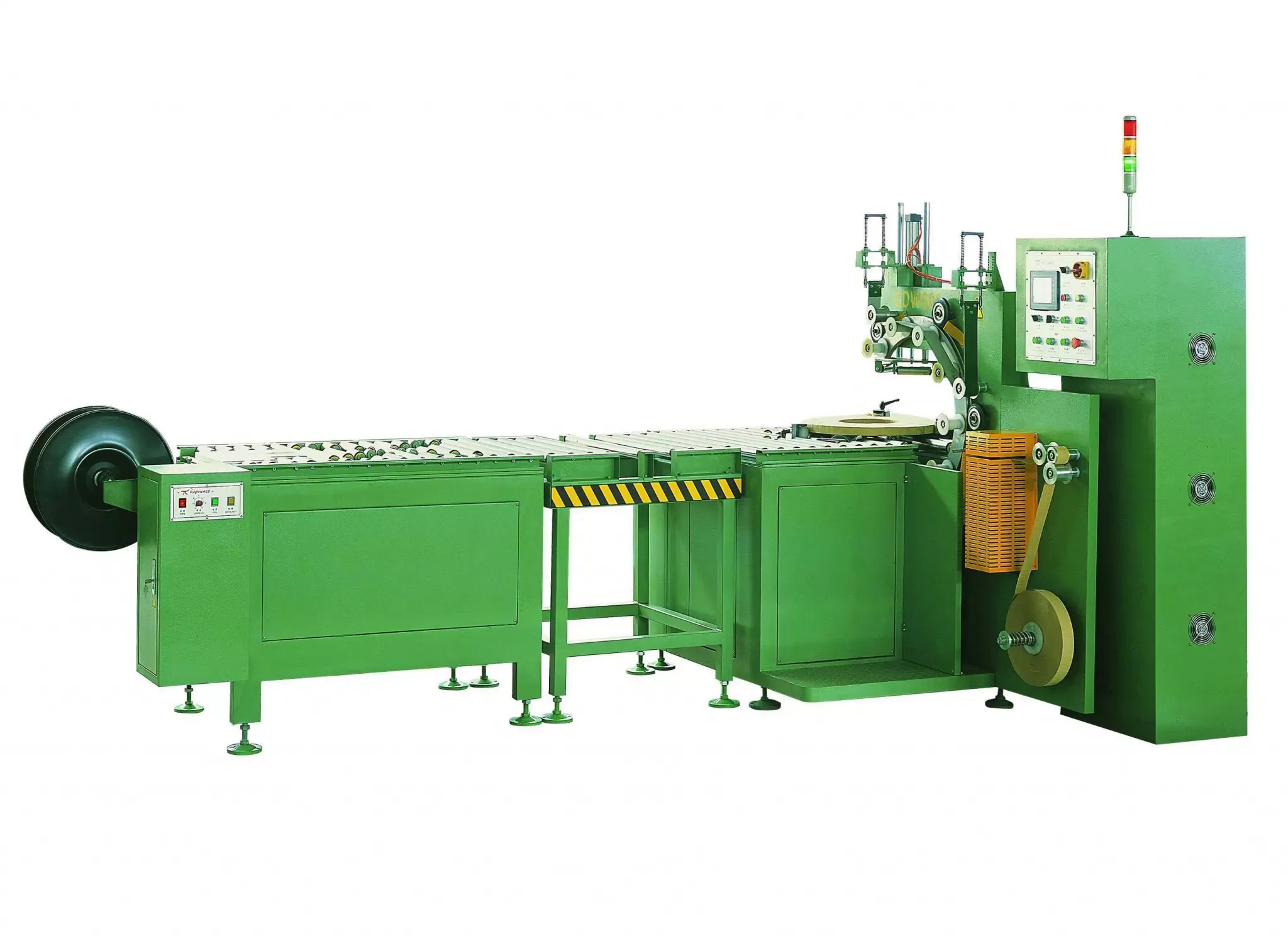
- Unpacking the Financial Benefits: A Deep Dive into Cost Savings
To fully understand the cost-effectiveness of coil wrapping machines, it's crucial to examine the specific areas where these machines generate financial benefits. These benefits can be categorized into labor cost reductions, material savings, and the avoidance of costs associated with product damage and rework.
Labor Cost Reduction
As previously discussed, manual coil wrapping is labor-intensive. The cost of employing and training personnel for manual packaging tasks can be significant, especially in regions with higher labor rates. Coil wrapping machines automate a substantial portion of the packaging process, drastically reducing the need for manual labor. In many cases, a single operator can oversee the machine, freeing up other personnel for different tasks. This reduction in labor requirements translates directly into lower wage expenses and reduced overhead associated with managing a larger packaging workforce.
Material Savings Through Optimization
Manual wrapping often results in inconsistent and excessive material usage. Operators, aiming for secure packaging, may apply more wrapping material than necessary, leading to waste. Coil wrapping machines, with their precision controls, apply the optimal amount of wrapping material for each coil. This precise application minimizes material waste, reducing the consumption of stretch film, VCI film, or other wrapping materials. Over time, these material savings accumulate significantly, leading to a substantial reduction in operational costs. Furthermore, using the right amount of material ensures that packaging is effective without being wasteful, contributing to both cost savings and sustainability.
Reduced Costs from Product Damage and Rework
Product damage during transit can lead to significant financial losses, including the cost of replacing damaged goods, handling returns, and potential customer dissatisfaction. Manual wrapping, due to its inconsistency, may not provide adequate protection, increasing the risk of damage. Coil wrapping machines, with their superior and consistent wrapping quality, significantly reduce the incidence of product damage. By ensuring coils are securely and properly wrapped, these machines minimize damage during handling and transportation. This reduction in damage translates directly into fewer product replacements, reduced rework, and lower costs associated with handling damaged goods. The avoidance of these costs contributes significantly to the overall cost-effectiveness of automated coil wrapping.
Operational Efficiency and Throughput Gains
Beyond direct cost savings, coil wrapping machines also contribute to cost-effectiveness by enhancing operational efficiency. Increased throughput means more products can be packaged and shipped in the same amount of time, maximizing output and revenue potential. Reduced downtime, another benefit of automation, ensures that production schedules are met and costly delays are avoided. These gains in operational efficiency indirectly contribute to cost savings by optimizing resource utilization and maximizing productivity.
To quantify these benefits, consider a hypothetical scenario comparing the annual costs of manual versus automated coil wrapping for a medium-sized manufacturing facility:
| Cost Category | Manual Coil Wrapping | Automated Coil Wrapping Machine | Potential Savings |
|---|---|---|---|
| Labor Costs | \$150,000 | \$50,000 | \$100,000 |
| Material Costs | \$80,000 | \$60,000 | \$20,000 |
| Damage/Rework Costs | \$30,000 | \$5,000 | \$25,000 |
| Operational Efficiency | Baseline | 20% Improvement | Indirect Savings |
| Total Annual Costs | \$260,000 | \$115,000 | \$145,000 |
This example illustrates the potential for substantial cost savings through the implementation of coil wrapping machines. The significant reduction in total annual costs highlights the strong financial justification for investing in automated packaging solutions.
Enhancing Workplace Safety and Compliance
Workplace safety is a paramount concern for any responsible manufacturing operation. Manual coil wrapping processes can pose significant safety risks to workers due to the heavy lifting, awkward postures, and repetitive motions involved. Coil wrapping machines are designed with safety in mind, mitigating these risks and promoting a safer working environment. Furthermore, these machines help businesses comply with industry safety standards and regulations, reinforcing responsible business practices.

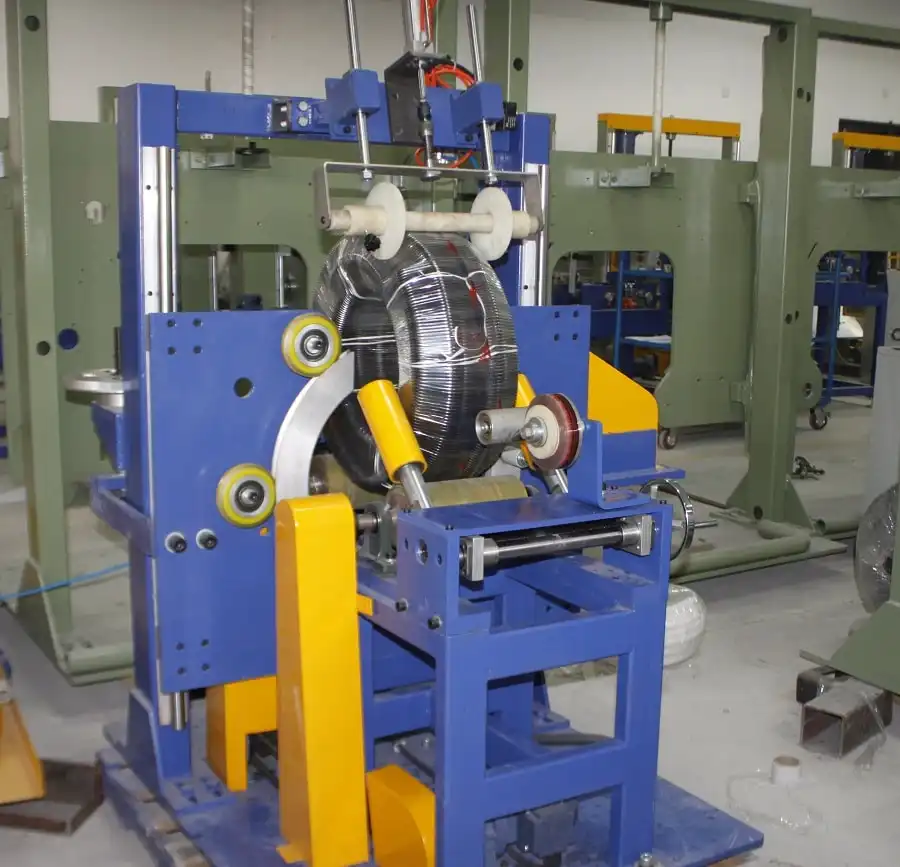
Coil wrapping machines significantly enhance workplace safety by automating hazardous manual tasks, reducing the risk of worker injuries associated with heavy lifting and repetitive motions. These machines are designed to meet industry safety standards, ensuring coils are packaged and handled in a manner that minimizes risks to employees. By implementing automated systems, businesses demonstrate a commitment to employee well-being and ensure compliance with safety regulations, fostering a safer and more responsible operational environment.
Prioritizing Safety: How Coil Wrapping Machines Create a Safer Workspace
The safety benefits of coil wrapping machines stem from their ability to automate tasks that are inherently risky when performed manually. Let's examine the specific ways these machines contribute to a safer workplace.
Reduction of Manual Handling and Heavy Lifting
Manual coil wrapping often involves heavy lifting, bending, and awkward handling of coils, which can lead to musculoskeletal injuries, strains, and sprains. Coil wrapping machines eliminate much of this manual handling. Automated systems can load, position, and wrap coils with minimal human intervention, significantly reducing the physical strain on workers. By automating these heavy lifting tasks, businesses can drastically reduce the risk of injuries associated with manual materials handling.
Minimization of Repetitive Motions and Ergonomic Improvements
Repetitive motions in manual wrapping, such as repeatedly stretching and wrapping film around coils, can lead to repetitive strain injuries (RSIs). Coil wrapping machines perform these repetitive actions consistently and efficiently, eliminating the need for workers to perform these motions manually. Furthermore, the ergonomic design of many coil wrapping machines ensures that operators can oversee the process from a safe and comfortable position, further reducing ergonomic risks and promoting worker well-being.
Enhanced Operational Safety with Machine Guarding and Safety Features
Coil wrapping machines are designed with various safety features to protect operators. These features often include machine guarding, safety interlocks, and emergency stop mechanisms. Machine guarding prevents accidental contact with moving parts, while safety interlocks ensure that the machine automatically stops if safety barriers are breached. Emergency stop buttons provide operators with a quick way to halt the machine in case of any unexpected issues. These safety features, integrated into the machine design, create a safer operational environment and minimize the risk of accidents.
Compliance with Safety Standards and Regulations
Implementing coil wrapping machines helps businesses comply with industry safety standards and regulations. These machines are typically designed and manufactured to meet or exceed relevant safety standards, ensuring that packaging processes adhere to best practices and legal requirements. By investing in compliant equipment, businesses demonstrate a commitment to safety and reduce the risk of regulatory fines or penalties associated with workplace safety violations. Furthermore, adherence to safety standards enhances the company's reputation as a responsible and employee-focused organization.
Fostering a Culture of Safety and Responsibility
Beyond the direct safety benefits, implementing coil wrapping machines can contribute to a broader culture of safety within the workplace. By investing in automation to improve safety, businesses send a clear message to employees that their well-being is a priority. This commitment to safety can improve employee morale, increase job satisfaction, and foster a more positive and responsible work environment. A strong safety culture not only protects workers but also enhances overall operational efficiency and productivity, as a safer workplace is often a more efficient and productive workplace.
By prioritizing safety through the adoption of coil wrapping machines, businesses can create a healthier, more compliant, and more responsible operational environment for their employees. The reduction in workplace injuries, coupled with enhanced regulatory compliance, makes coil wrapping machines a valuable investment from both a human and a business perspective.
Conclusion
Coil wrapping machines are no longer a luxury but a necessity for packaging lines aiming for peak efficiency, product integrity, and operational excellence. From streamlining operations and enhancing product protection to delivering significant cost savings and bolstering workplace safety, the benefits are undeniable. Embracing [wire packing automation]() through coil wrapping machines is a strategic move that positions businesses for success in today's demanding manufacturing landscape. Investing in this technology is not just about upgrading equipment; it's about investing in a more efficient, safer, and more profitable future.