

How Can a Coil Packing Machine Streamline Your Workflow?
Are you still grappling with slow, labor-intensive coil packing processes? Imagine a seamless workflow where coils are wrapped, secured, and ready for shipment with minimal manual intervention. A coil packing machine isn't just automation; it's the key to unlocking significant gains in efficiency and productivity in your operation.
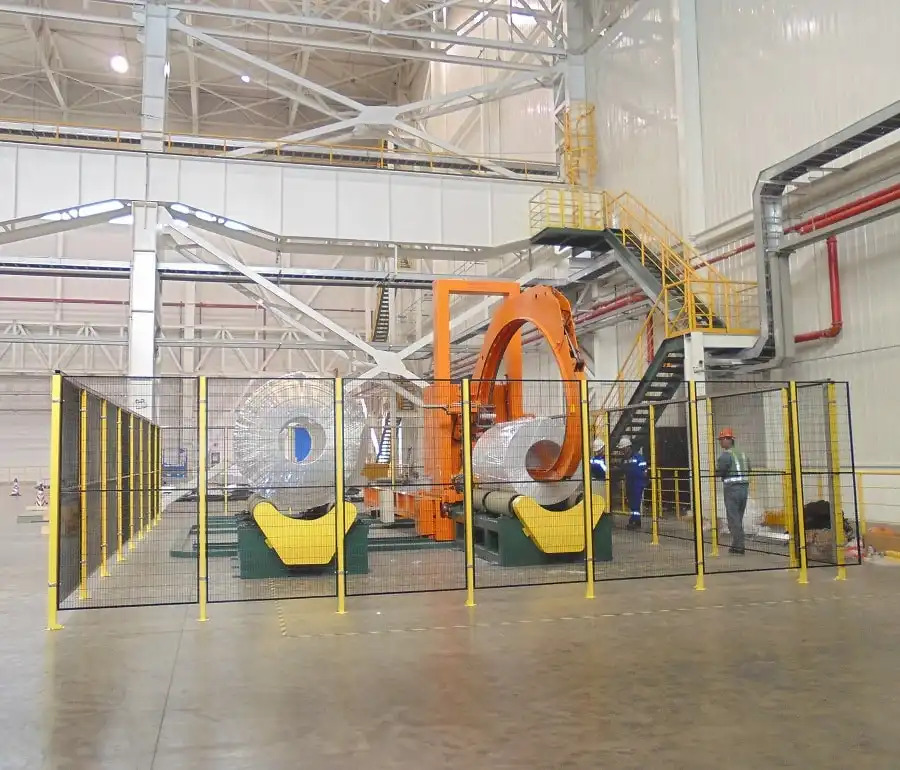
A coil packing machine streamlines your workflow by automating and accelerating the coil packaging process. It reduces manual labor, minimizes errors, enhances product protection, and ultimately boosts operational efficiency. By integrating loading, wrapping, sealing, and labeling into a single automated system, it significantly optimizes your coil handling and packaging.

Ready to transform your coil handling from a bottleneck into a streamlined operation? Let’s explore how a coil packing machine can revolutionize your workflow and bring your manufacturing process into the future.
Boosting Operational Efficiency with Automated Coil Packing
In today's fast-paced manufacturing environment, every minute counts. Manual coil packing is not only time-consuming but also prone to inconsistencies and potential bottlenecks. An automated coil packing machine is designed to directly address these challenges, offering a significant leap in operational efficiency.
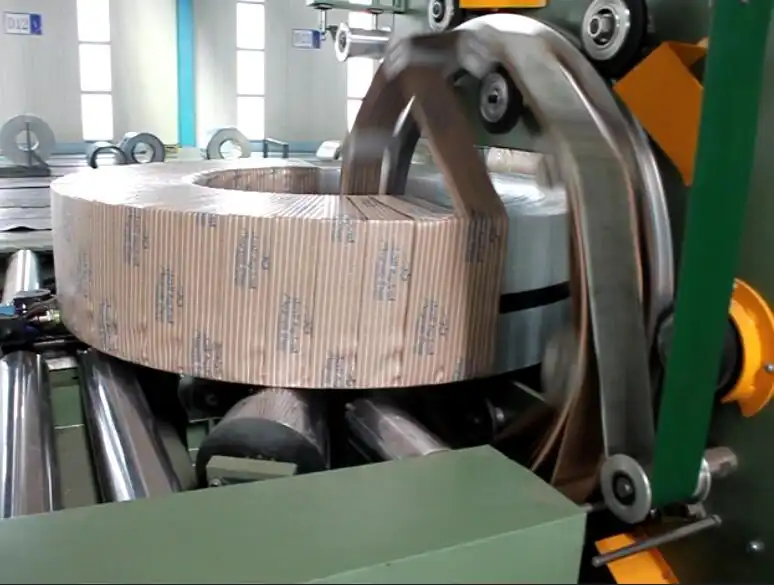
Coil packing machines drastically improve operational efficiency by automating critical steps in the packaging process. These machines integrate coil loading, centering, wrapping, sealing, and labeling into a seamless, automated sequence. This automation significantly reduces manual handling, speeds up packaging cycles, and minimizes downtime, leading to higher throughput and optimized production.

Dive Deeper: Quantifying Efficiency Gains with Automation
To truly appreciate the impact of a coil packing machine on operational efficiency, it's crucial to understand the specific areas where these gains are realized. Let's break down the advantages and quantify them:
Reduced Manual Labor and Processing Time
Manual coil packing is inherently labor-intensive. It requires multiple operators to handle heavy coils, manually wrap them, and secure them for transit. This process is not only slow but also increases the risk of human error and workplace injuries. Automated coil packing machines significantly reduce the need for manual labor, freeing up personnel for more value-added tasks.
Consider the following comparison:
| Metric | Manual Packing | Automated Packing Machine | Efficiency Gain |
|---|---|---|---|
| Operators Required | 3-4 | 1-2 | 50-75% |
| Packaging Time per Coil | 15-20 minutes | 3-5 minutes | 75-80% |
| Error Rate | 5-10% | <1% | Up to 90% |
As the table illustrates, the efficiency gains are substantial. Automated systems can package coils up to 80% faster and with a significantly lower error rate, leading to smoother production flow and fewer delays.
Optimized Material Usage and Waste Reduction
Manual wrapping often leads to inconsistent material application, resulting in both material waste and inadequate protection. Operators might use excessive wrapping film or strapping in some areas while under-applying it in others. Coil packing machines, on the other hand, are programmed for precision. They apply the exact amount of material needed, minimizing waste and ensuring consistent, secure packaging.

This precision translates directly to cost savings and improved sustainability. By reducing material consumption, businesses lower their operational expenses and lessen their environmental footprint.

Enhanced Throughput and Production Capacity
The combination of reduced processing time and minimized downtime results in a significant increase in overall throughput. Coil packing machines can handle a higher volume of coils in the same amount of time compared to manual packing. This increased capacity allows manufacturers to meet tighter deadlines, handle larger orders, and ultimately boost their production output.
For example, a manufacturing facility operating 8 hours a day could see a dramatic increase in packaged coils:
| Scenario | Coils Packaged per Day | Increase with Automation |
|---|---|---|
| Manual Packing | 24-32 | - |
| Automated Packing | 96-160 | 300-400% |
By automating coil packing, businesses can transform a potential bottleneck into a high-efficiency operation, directly contributing to improved profitability and competitiveness.
Reducing Labor Costs and Improving Resource Allocation
Labor costs are a significant concern for manufacturing businesses, especially in processes that are heavily reliant on manual work. Traditional coil packing is labor-intensive, requiring a substantial workforce and often leading to high personnel expenses. Coil packing machines offer a direct solution to this challenge by significantly reducing the need for manual labor.
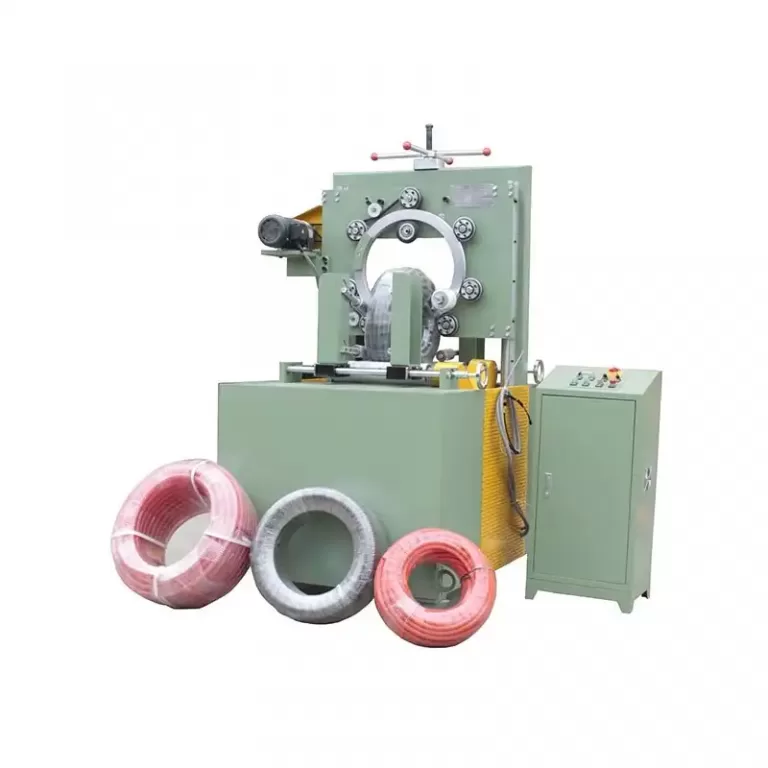
Coil packing machines effectively reduce labor costs by automating the physical tasks of coil packaging. These automated systems minimize the need for large teams of manual workers, leading to substantial savings in wages and related personnel expenses. The reduced reliance on manual labor also allows businesses to reallocate human resources to more strategic and value-added activities, optimizing overall workforce utilization.

Streamlining Operations: Reallocating Resources for Growth
Beyond direct cost savings, the reduction in labor dependency offered by coil packing machines opens up opportunities for strategic resource reallocation. Instead of dedicating a large portion of the workforce to repetitive and physically demanding packing tasks, businesses can redirect their personnel to areas that contribute more directly to growth and innovation.
Here’s how coil packing automation facilitates better resource allocation:
- Quality Control Enhancement: With fewer employees tied up in packing, more personnel can be assigned to quality control. This leads to improved product quality, reduced defects, and increased customer satisfaction.
- Maintenance and Technical Support: Automated systems require maintenance and technical oversight. Reallocating staff to these roles ensures the smooth operation of the machinery, minimizing downtime and maximizing the return on investment in automation.
- Process Optimization and Innovation: Freeing up skilled workers from manual tasks allows them to focus on process improvement, research and development, and other activities that drive long-term growth and competitiveness.
- Upskilling and Employee Development: Instead of performing repetitive manual tasks, employees can be trained for more skilled roles in operating and maintaining automated systems, enhancing their skillset and career prospects.
By strategically reallocating human resources, businesses can leverage automation to not only cut costs but also to build a more skilled, efficient, and adaptable workforce, capable of driving continuous improvement and innovation. This shift from manual labor to skilled oversight represents a significant step towards a more sustainable and competitive manufacturing operation.
Enhancing Product Protection and Minimizing Damage During Transit
Coils, especially those made of metals like steel and aluminum, are vulnerable to damage during handling and transportation. Scratches, abrasions, moisture, and corrosion can compromise the quality and value of these products. Manual packing methods often lack the consistency and precision required to provide adequate protection against these risks. A coil packing machine is specifically designed to address these vulnerabilities, ensuring superior product protection.
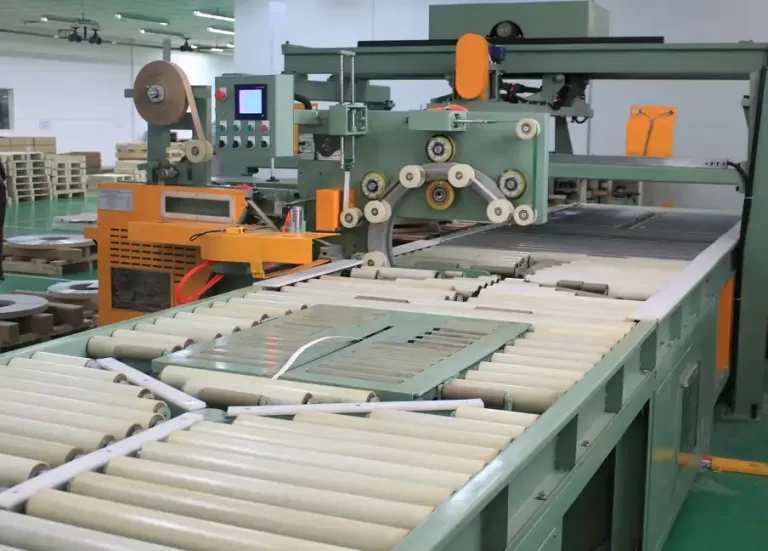
Coil packing machines enhance product protection by applying consistent and secure wrapping that shields coils from damage during handling, storage, and transit. These machines utilize specialized wrapping materials and techniques to protect against scratches, moisture, corrosion, and other environmental hazards. By minimizing the risk of damage, coil packing machines ensure that coils arrive at their destination in pristine condition, preserving product integrity and reducing costly losses from damage.

Technical Precision: The Key to Superior Protection
The superior product protection offered by coil packing machines stems from their technical precision and ability to consistently execute optimized wrapping protocols. Let's examine the key technical aspects that contribute to enhanced protection:
Consistent and Adjustable Wrapping Tension
Coil wrapping machines feature adjustable tension controls that ensure uniform tightness across the entire coil. This consistent tension is crucial for securely holding the wrapping material in place and providing reliable protection. Manual wrapping often suffers from inconsistent tension, leading to loose wrapping in some areas and overly tight wrapping in others, both of which can compromise protection.
Multi-Layer Wrapping Capability
Many advanced coil packing machines offer multi-layer wrapping functionality. This allows for the application of multiple layers of protective film or paper, providing enhanced barrier protection against moisture, dust, and physical impacts. The ability to customize the number of layers ensures that the level of protection is tailored to the specific needs of the coil and its intended transit conditions.
Specialized Wrapping Materials
Coil packing machines can handle a variety of specialized wrapping materials, including:
- Stretch Film: Provides a tight, conforming wrap that secures the coil and offers basic protection against dust and moisture.
- VCI (Volatile Corrosion Inhibitor) Film: Releases corrosion-inhibiting vapors, providing long-term protection against rust and corrosion, particularly important for steel coils.
- Waterproof and UV-Resistant Films: Offer enhanced protection against harsh weather conditions during outdoor storage and transit.
- Reinforced Paper and Laminates: Provide robust physical protection against abrasions and impacts.
By utilizing these specialized materials and applying them with precision, coil packing machines create a protective barrier that significantly reduces the risk of damage, ensuring that coils maintain their quality and value throughout the supply chain. This level of protection is difficult to achieve with manual packing methods, making automated systems a crucial investment for businesses concerned with product integrity.
Maximizing ROI and Customization for Long-Term Value
Investing in a coil packing machine is a significant capital expenditure. Therefore, understanding the return on investment (ROI) and the customization options available is crucial for making informed decisions. Coil packing machines are designed not only to streamline current workflows but also to provide long-term value through cost savings, efficiency gains, and adaptability to evolving business needs.

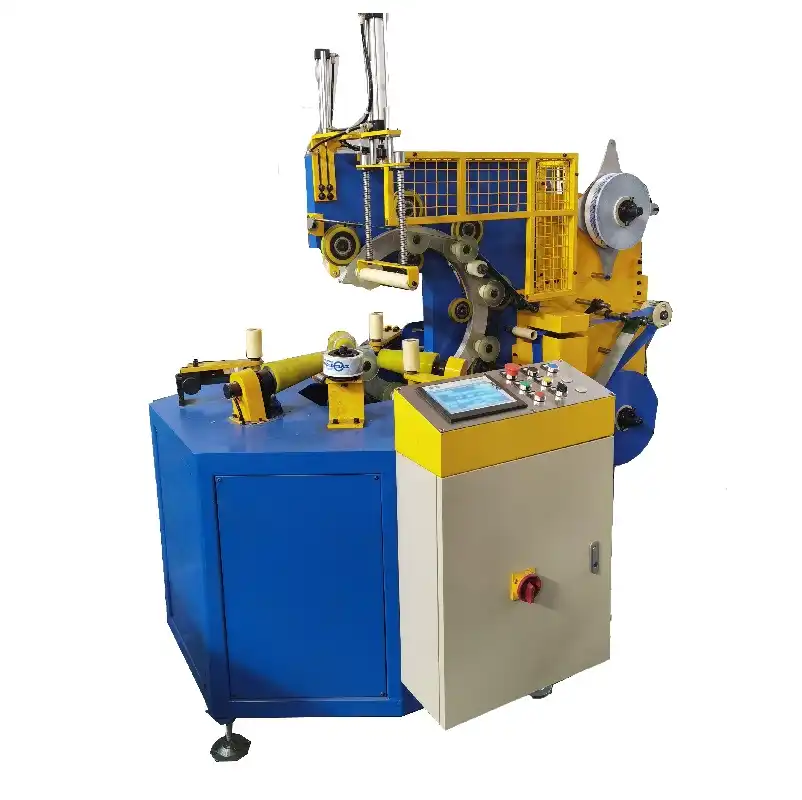
Coil packing machines maximize ROI through a combination of reduced labor costs, minimized material waste, increased throughput, and decreased product damage. These savings, coupled with the machines' customizable features that allow for adaptation to specific coil types and production requirements, ensure a strong and sustainable return on investment over the long term. The flexibility and efficiency of these systems contribute to significant operational cost reductions and enhanced profitability, making them a valuable asset for manufacturing businesses.
The ROI of a coil packing machine is multifaceted and accrues over time. Here are the key factors that contribute to a strong return:
- Direct Cost Savings: Reduced labor costs and material waste contribute directly to immediate cost reductions.
- Increased Productivity: Higher throughput and reduced downtime translate to increased production capacity and revenue potential.
- Minimized Product Damage: Fewer damaged coils mean reduced rework, replacement costs, and customer dissatisfaction, preserving profit margins and customer relationships.
- Enhanced Safety: Lower workplace injury rates reduce workers' compensation claims and associated costs.
- Scalability and Future-Proofing: Customizable and modular designs allow machines to adapt to changing production needs, extending their lifespan and value.
The payback period for a coil packing machine typically ranges from 12 to 24 months, depending on factors such as production volume, labor costs, and material consumption. Over the long term, the cumulative savings and efficiency gains far outweigh the initial investment, making coil packing machines a sound financial decision for businesses looking to optimize their operations and enhance their bottom line.
Conclusion
Investing in a coil packing machine is a strategic move for any business aiming to optimize its coil handling processes. By automating key packaging steps, these machines not only streamline your workflow but also deliver significant improvements in efficiency, cost savings, product protection, and workplace safety. Embracing coil packing automation is not just about upgrading equipment; it's about transforming your operations for sustained success in a competitive manufacturing landscape.