

Is a Coil Wrapping Machine the Future of Coil Packaging?
Are you tired of damaged coils and inefficient packaging processes? Imagine a world where every coil is perfectly protected, arrives in pristine condition, and your packaging line operates at peak efficiency. The solution? Coil wrapping machines are rapidly transforming coil packaging, promising a future where damage and delays are relics of the past.
Coil wrapping machines are increasingly becoming the cornerstone of modern coil packaging, offering automation, efficiency, and superior protection compared to traditional manual methods. They ensure consistent wrapping quality, reduce material waste, minimize labor costs, and enhance workplace safety, making them a crucial investment for industries dealing with coiled products.
This article delves into the growing importance of coil wrapping machines, exploring their components, benefits, and how they are shaping the future of coil packaging. Keep reading to discover if a coil wrapping machine is the right solution to revolutionize your packaging operations.
The Importance of Coil Packing
In industries dealing with metals, wires, cables, and hoses, the journey from production to the customer's hands is fraught with peril for delicate coiled goods. Without robust coil packing, these products face a gauntlet of potential damage, jeopardizing quality and customer satisfaction.
Proper coil packing is paramount because it directly mitigates risks such as physical damage from impacts and abrasion, corrosion from environmental exposure, and safety hazards during transportation. Effective coil packing ensures product integrity, reduces material waste from damage, prevents customer rejections, and fosters a safer working environment by securing heavy coils.
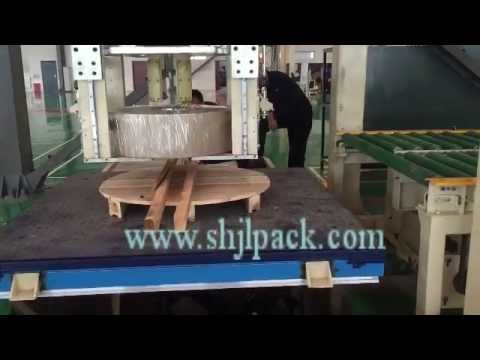


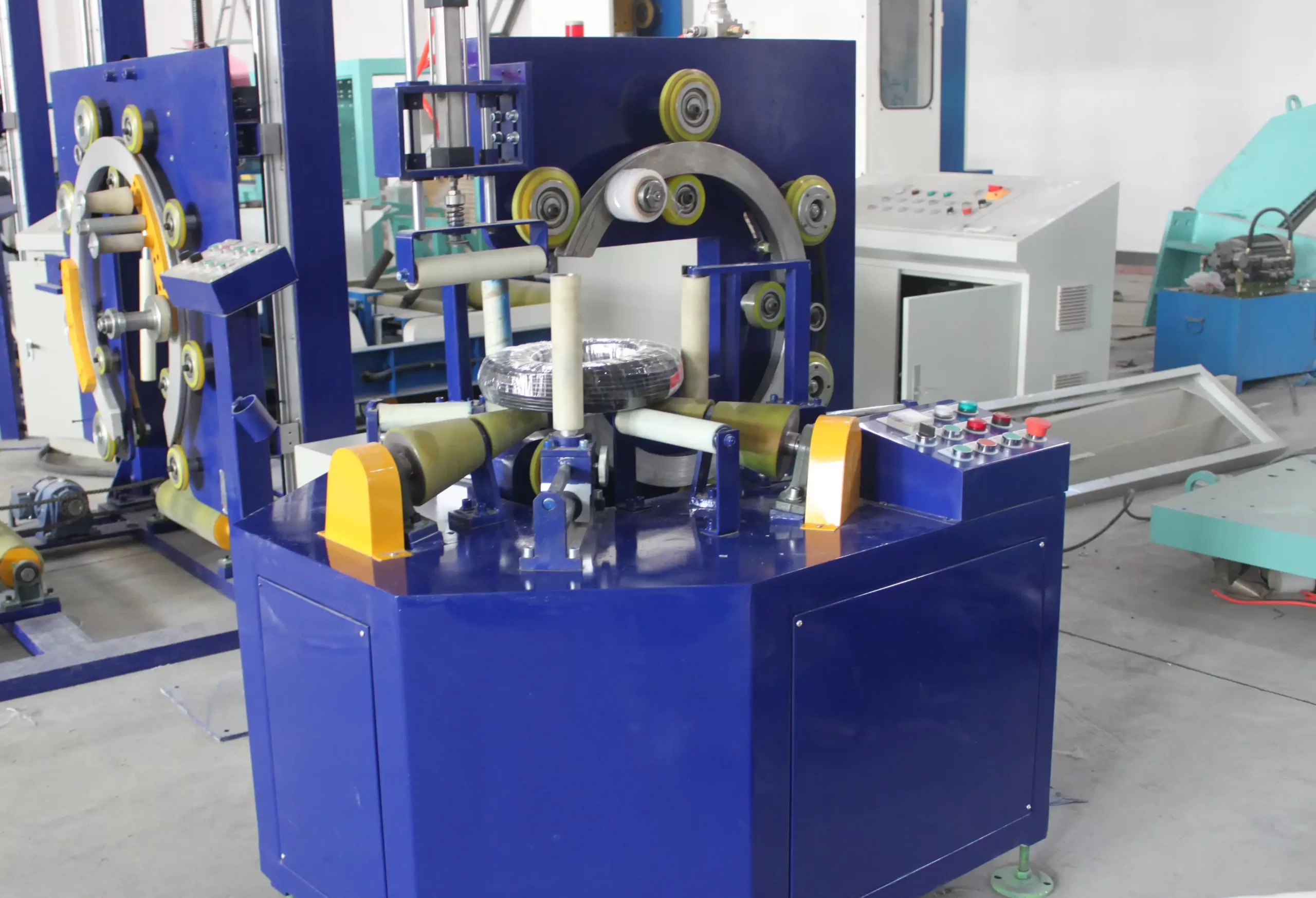
Delving Deeper: The High Stakes of Inadequate Coil Packing
The consequences of neglecting proper coil packing extend far beyond superficial scratches. Let's dissect the critical areas where inadequate packing can inflict significant damage and financial losses:
Physical Integrity Under Threat
Unprotected coils are vulnerable to a variety of physical damages. Scratches and dents, while seemingly minor, can compromise the surface integrity of materials like aluminum and stainless steel, affecting their aesthetic appeal and potentially their functional properties. More severe impacts during loading, unloading, and transit can lead to deformation, kinking, or even breakage, rendering the coil unusable. This not only results in material wastage but also necessitates costly rework and production delays.
The Corrosion Catastrophe
Exposure to environmental elements, particularly moisture and humidity, is a major catalyst for corrosion in metallic coils. Rust and oxidation degrade the material's surface, weaken its structural integrity, and diminish its lifespan. For industries dealing with materials sensitive to corrosion, such as steel wire and cable, inadequate packing can lead to widespread product degradation, resulting in customer rejections and significant financial repercussions. Protective wrapping is not just about aesthetics; it's a critical barrier against costly material degradation.
Safety Compromised: A Risk Multiplier
Beyond product damage, poorly secured coils pose serious safety hazards. During transportation, inadequately packed coils can shift, roll, or even fall, creating dangerous situations for workers involved in handling and transportation. Unsecured loads can also damage other cargo and equipment, leading to further financial losses and potential legal liabilities. Effective coil packing is therefore an essential element of workplace safety and responsible logistics.
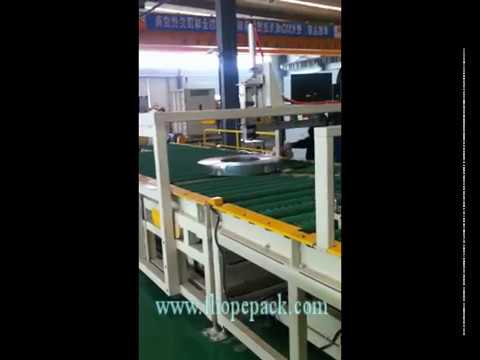
Quantifying the Impact: A Data-Driven Perspective
To truly understand the significance of coil packing, let's consider a hypothetical scenario and quantify the potential losses associated with inadequate practices:
| Impact Area | Scenario | Estimated Cost/Loss |
|---|---|---|
| Material Damage | 10% of coils damaged due to poor packing | 10% of material cost + rework/replacement costs |
| Corrosion Losses | 5% of coils rejected due to corrosion | 5% of material cost + disposal costs + lost sales |
| Safety Incidents | 1 incident per year due to unsecured coils | Medical expenses + compensation + potential fines |
| Customer Dissatisfaction | Increased customer complaints and returns | Loss of customer loyalty + negative brand reputation |
This table illustrates that the cumulative costs of inadequate coil packing can be substantial, encompassing material losses, operational inefficiencies, safety risks, and damage to customer relationships. Investing in robust coil packing systems, particularly coil wrapping machines, is not just an operational expense; it's a strategic investment in risk mitigation, quality assurance, and long-term profitability.
Components of a Coil Packing System
A modern coil packing system is more than just a single machine; it's an integrated suite of equipment working in harmony to ensure coils are prepared for their journey safely and efficiently. Understanding the components is key to appreciating the system's overall functionality.
A comprehensive coil packing system integrates wrapping machines for protective covering, strapping machines for secure fastening, labeling systems for identification and tracking, and material handling equipment for seamless coil movement. These components work synergistically to automate and optimize the entire packing process, minimizing manual intervention and maximizing efficiency.

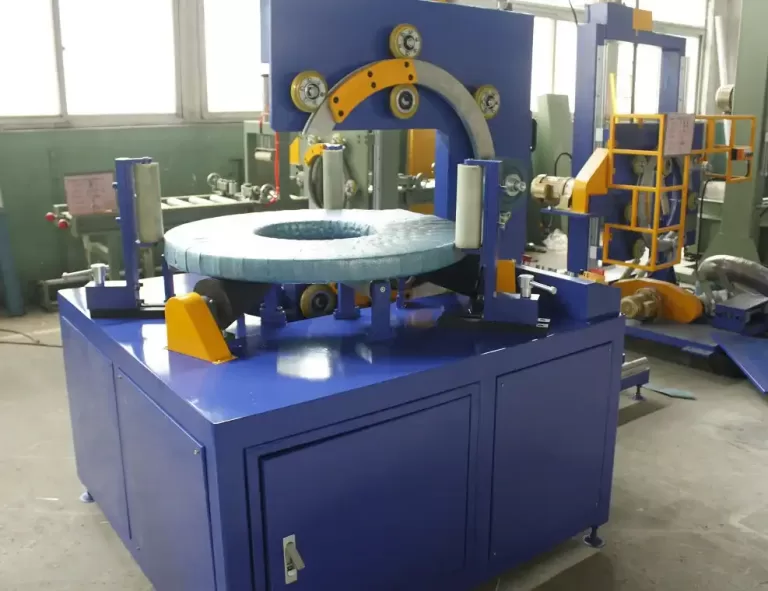
Exploring the Core Components: Building Blocks of Efficiency
To fully grasp how coil packing systems revolutionize the process, let’s examine each key component in detail:
Wrapping Machines: The Shield of Protection
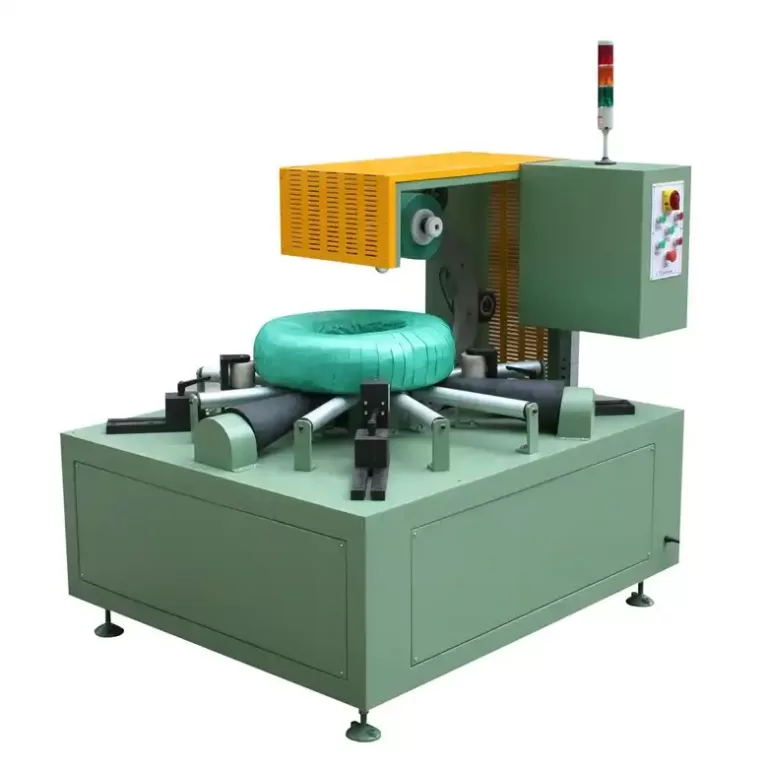
At the heart of the system lies the wrapping machine. These machines apply a protective layer around the coil, typically using plastic film, stretch wrap, or paper. The wrapping acts as a barrier against moisture, dust, abrasion, and other environmental factors that can cause damage during storage and transportation. Advanced wrapping machines offer adjustable tension control, ensuring a tight and secure wrap without damaging the coil itself. Different types of wrapping machines cater to various coil sizes and materials, from horizontal wrappers for larger coils to vertical wrappers for smaller ones.
Strapping Machines: Securing the Package
Wrapping alone is often insufficient to secure heavy coils, especially during transit. Strapping machines come into play to add an extra layer of security. These machines apply straps made of steel or plastic around the wrapped coil, cinching it tightly to prevent unwinding or shifting. Strapping machines can apply straps in various configurations – radial, axial, or a combination – depending on the coil's size, weight, and the mode of transportation. Automated strapping machines ensure consistent strap tension and placement, enhancing package integrity and safety.
Labeling Systems: Identification and Traceability
In today's complex supply chains, clear and accurate labeling is crucial. Labeling systems, integrated into coil packing lines, automatically apply labels with essential information such as product codes, batch numbers, customer details, and shipping instructions. This ensures proper identification, facilitates inventory management, and enables traceability throughout the supply chain. Advanced labeling systems can print and apply labels on demand, reducing errors and streamlining logistics.
Material Handling Equipment: The Flow Masters
Moving heavy coils efficiently and safely through the packing process requires specialized material handling equipment. Coil packing systems often incorporate conveyors, lifts, turntables, and tilters to automate coil movement between different stations. Conveyors transport coils smoothly from wrapping to strapping to labeling. Lifts and tilters assist in positioning coils for optimal wrapping and strapping. This integrated material handling minimizes manual labor, reduces the risk of handling damage, and speeds up the overall packing process.
By seamlessly integrating these components, a coil packing system transforms a potentially labor-intensive and error-prone manual process into a streamlined, automated operation. This not only boosts efficiency and reduces costs but also significantly enhances the quality and consistency of coil packaging, ensuring products arrive at their destination in optimal condition.
Benefits of Automated Coil Packing Systems
Manual coil packing is labor-intensive, inconsistent, and prone to errors. Automated coil packing systems offer a compelling alternative, promising significant improvements across various operational metrics.
Automated coil packing systems deliver a multitude of benefits, including increased efficiency and throughput, improved consistency in packaging quality, reduced labor costs by minimizing manual handling, enhanced workplace safety, and better quality control through automated monitoring and error detection.

Technical Benefits Unveiled: Quantifying the Advantages of Automation
The advantages of automated coil packing systems are not just anecdotal; they are backed by tangible improvements in key performance indicators. Let's delve into the technical benefits, supported by data and comparative analysis:
Efficiency and Throughput Gains: Time is Money
Automated systems drastically reduce packing cycle times compared to manual methods. A manual packing process might take 15-20 minutes per coil, whereas an automated system can pack a coil in just 2-3 minutes. This translates to a significant increase in throughput, enabling manufacturers to process more coils in less time, meet tighter deadlines, and increase production capacity without expanding workforce.
Consistency and Quality Assurance: Precision Packaging
Manual packing relies on operator skill and consistency, which can vary. Automated systems, on the other hand, perform each wrapping, strapping, and labeling operation with machine precision, ensuring consistent packaging quality across every coil. This reduces variations in wrapping tightness, strap tension, and label placement, leading to more reliable protection and a professional presentation.
Labor Cost Reduction and Reallocation: Optimize Human Capital
Automated systems significantly reduce the need for manual labor in the packing process. A manual packing line might require 2-3 operators per shift, while an automated line can often be operated by a single person overseeing the system. This not only reduces direct labor costs but also frees up workers to focus on more value-added tasks, such as quality control, machine maintenance, or other production activities.
Enhanced Safety: Mitigating Workplace Hazards
Manual handling of heavy coils poses significant safety risks, including strains, sprains, and crushing injuries. Automated systems minimize manual handling, reducing worker exposure to these hazards. Automated lifting, conveying, and wrapping mechanisms handle the heavy lifting and repetitive tasks, creating a safer work environment and reducing the incidence of workplace injuries and associated costs.
Quality Control and Defect Reduction: Proactive Error Prevention
Advanced automated systems are equipped with sensors and monitoring systems that continuously monitor the packing process. These systems can detect issues such as misaligned wrapping, loose strapping, or label errors in real-time, allowing for immediate corrective action. This proactive error detection minimizes defects, reduces material waste from re-packing, and ensures higher overall packaging quality.
Data-Driven Insights: Optimization and Continuous Improvement
Many modern automated coil packing systems are Industry 4.0 ready, generating valuable data on system performance, throughput, cycle times, and error rates. This data can be analyzed to identify bottlenecks, optimize system settings, track key performance indicators (KPIs), and drive continuous improvement in the packing process.
| Feature | Manual Packing | Automated Packing | Improvement Factor |
|---|---|---|---|
| Packing Time/Coil | 15-20 minutes | 2-3 minutes | 5x - 7x faster |
| Labor per Shift | 2-3 operators | 1 operator | 50-66% reduction |
| Consistency | Variable | Highly Consistent | Significantly Higher |
| Safety Incidents | Higher | Lower | Reduced Risk |
| Error Detection | Reactive (manual check) | Proactive (sensor-based) | Early Detection |
This data underscores the compelling technical and economic advantages of automated coil packing systems. The quantifiable improvements in efficiency, consistency, safety, and quality control demonstrate that investing in automation is a strategic move towards optimizing coil packaging operations and achieving significant long-term benefits.
Choosing the Right Coil Packing System
Selecting the ideal coil packing system is not a one-size-fits-all decision. Manufacturers must carefully consider a range of factors to ensure the chosen system aligns perfectly with their specific operational needs and production requirements.

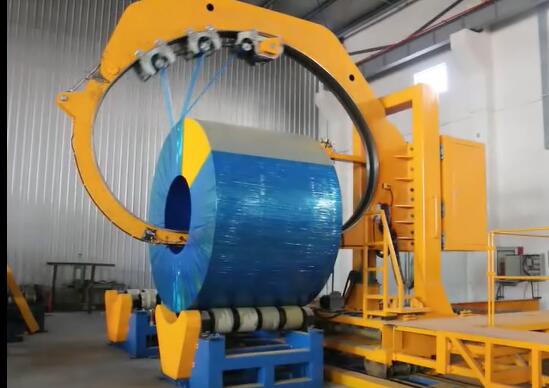
When choosing a coil packing machine, consider coil dimensions and weight, production volume, packaging material requirements, available space, desired automation level, and budget. Prioritize systems that offer customization, scalability, and robust after-sales support to ensure long-term efficiency and a strong return on investment.
Factors such as coil size and weight dictate machine capacity, while production volume influences the required speed and automation level. Packaging needs, space constraints, and budget limitations further refine the selection process. Ultimately, the right system is one that optimizes efficiency, minimizes costs, and seamlessly integrates into existing operations.
Conclusion
In the demanding landscape of modern manufacturing, optimizing coil packaging is no longer a luxury but a necessity. Coil wrapping machines stand out as a transformative technology, offering a pathway to enhanced efficiency, reduced operational costs, and superior product protection. Embracing [Coil Packaging] automation is not just about upgrading equipment; it's about future-proofing operations and ensuring competitiveness in an evolving market. By investing in the right coil wrapping solutions, manufacturers can confidently step into a future where coil packaging is streamlined, sustainable, and strategically advantageous.