

How Does a Coil Packing Machine Increase Production Efficiency?
Are you still relying on manual labor for coil packing, wrestling with heavy materials and inconsistent results? Imagine a production line where coils are swiftly and securely packaged, ready for transport, with minimal human intervention. A coil packing machine isn't just automation; it's a strategic upgrade that can revolutionize your output.
A coil packing machine dramatically increases production efficiency by automating and streamlining the entire coil packaging process. This includes tasks like loading, wrapping, sealing, and labeling, which significantly reduces manual labor, minimizes errors, and speeds up packaging times. Ultimately, this leads to higher throughput, reduced downtime, and a quicker return on investment.
Ready to leave behind the bottlenecks and step into streamlined coil packaging? Let's explore exactly how a coil packing machine can transform your production efficiency and deliver a competitive edge.
Increased Efficiency Through Automation
Tired of watching production slow to a crawl at the packaging stage? For many manufacturers dealing with coil products, manual packing is a significant bottleneck, demanding considerable time and manpower. But what if you could bypass these limitations and accelerate your entire operation?
Coil packing machines are engineered to automate every critical step of the packaging process. From precisely positioning and securing coils to applying protective wrapping and labels, these machines operate with speed and consistency far exceeding manual capabilities. This automation directly translates to increased production speed, allowing manufacturers to process more coils in less time and fulfill orders faster.

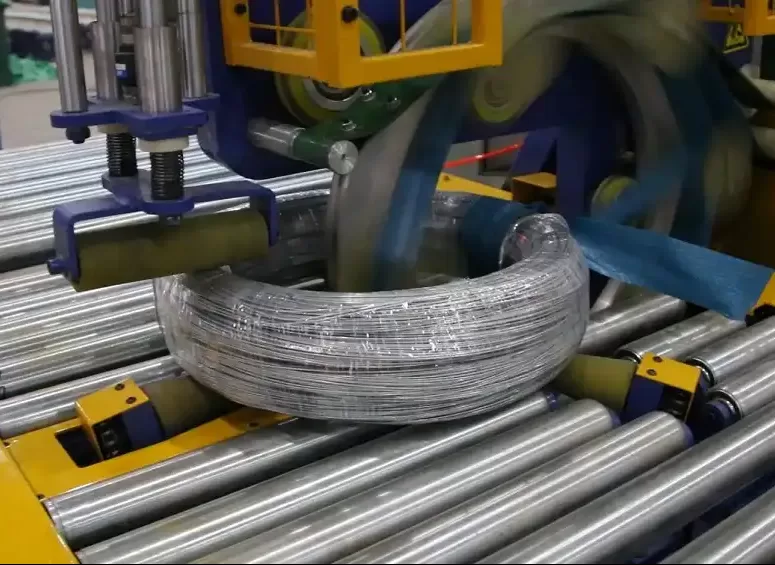
Dive Deeper: Quantifying Efficiency Gains with Coil Packing Automation
While the concept of increased efficiency is straightforward, understanding the extent of these gains and the factors influencing them is crucial for making informed investment decisions. Let's break down how coil packing machines deliver tangible efficiency improvements:
1. Reduced Cycle Times
Manual coil packing is inherently time-consuming. Each coil requires manual lifting, positioning, wrapping, and securing. Coil packing machines, however, perform these actions in a fraction of the time.
- Automated Loading and Unloading: Machines can be integrated with conveyor systems or robotic arms to automatically load coils onto the packing line and unload finished packages, eliminating manual handling time.
- High-Speed Wrapping and Strapping: Automated wrapping and strapping mechanisms operate at speeds far exceeding manual application, ensuring quick and consistent packaging.
- Integrated Labeling Systems: Many coil packing machines include automated labeling systems that apply labels accurately and rapidly, further reducing manual steps.
2. Minimized Downtime
Manual packaging processes are susceptible to variations in operator speed and fatigue, leading to inconsistent throughput and potential downtime. Automated systems offer predictable and consistent operation.
- Consistent Operation: Machines operate at a steady pace, minimizing variations in cycle times and ensuring predictable output.
- Reduced Errors: Automation minimizes the risk of human error in wrapping, sealing, or labeling, reducing rework and downtime caused by packaging mistakes.
- Predictable Maintenance: Scheduled maintenance on automated systems is easier to plan and execute, minimizing unexpected breakdowns and production interruptions.
3. Optimized Labor Utilization
Manual coil packing requires a significant workforce, often performing repetitive and physically demanding tasks. Automation allows for a more efficient allocation of labor.
- Reduced Labor Requirements: Coil packing machines significantly reduce the number of operators needed for packaging, freeing up personnel for more value-added tasks.
- Improved Worker Safety: Automating heavy lifting and repetitive motions reduces the risk of workplace injuries, leading to a safer and more productive work environment.
- Upskilling Opportunities: With reduced manual packaging tasks, companies can invest in training employees for more skilled roles in machine operation, maintenance, and quality control.
Data-Driven Efficiency Comparison
To illustrate the efficiency gains, consider a hypothetical comparison between manual and automated coil packing for a steel coil manufacturer:
| Feature | Manual Coil Packing | Automated Coil Packing | Efficiency Improvement |
|---|---|---|---|
| Packing Cycle Time (per coil) | 15 minutes | 3 minutes | 80% Reduction |
| Labor per Shift | 4 operators | 1 operator | 75% Reduction |
| Coils Packed per Shift (8 hours) | 32 coils | 160 coils | 400% Increase |
| Downtime due to Packaging Errors | 5% | <1% | >80% Reduction |
This table clearly demonstrates the substantial efficiency improvements achievable with coil packing automation. The reduced cycle time, optimized labor, and minimized downtime contribute to a significant increase in overall production output. By transitioning from manual methods to automated coil packing, manufacturers can unlock considerable gains in efficiency and competitiveness.
Enhanced Product Protection for Coil Integrity
Are you shipping coils only to face customer complaints about damage upon arrival? Coils, particularly those made of sensitive materials like aluminum or coated steel, are vulnerable to damage during handling and transit. Scratches, moisture, and impacts can compromise product quality and lead to costly returns.
A key advantage of coil packing machines is their ability to provide superior product protection. These machines utilize specialized wrapping materials and techniques to create a secure barrier against environmental hazards and physical damage. By precisely applying stretch film, VCI films, or other protective layers, coil packing machines ensure that coils are shielded from moisture, dust, abrasion, and impact, preserving their integrity throughout the supply chain.

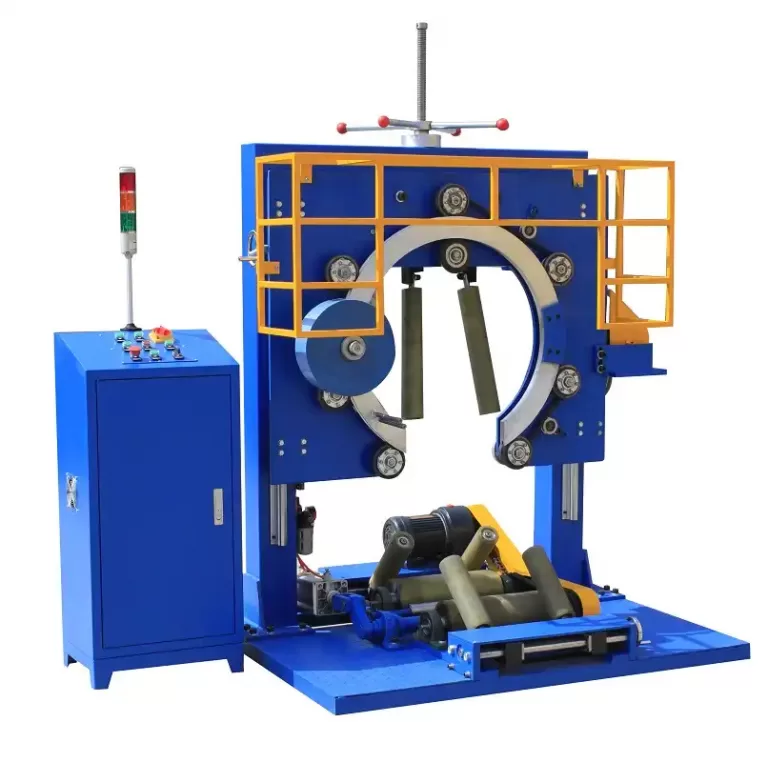
Beyond Wrapping: A Holistic Approach to Coil Protection
Coil packing machines offer more than just wrapping; they provide a comprehensive system for safeguarding coils at every stage of the packaging process. This holistic approach encompasses several key features:
- Consistent and Secure Wrapping: Unlike manual wrapping, machines apply stretch film or other materials with consistent tension and overlap. This ensures a tight and secure package that won't loosen during transit, providing reliable protection against dust, moisture, and minor abrasions.
- Material Optimization: Coil packing machines can be programmed to use the precise amount of wrapping material needed for each coil size and type, minimizing material waste while maximizing protection. This is in contrast to manual wrapping, which often leads to over- or under-wrapping.
- Edge and Core Protection: Many advanced coil packing machines incorporate features for additional edge and core protection. This can include applying edge protectors or utilizing specialized wrapping patterns that reinforce vulnerable areas of the coil, preventing damage from impacts or pressure during stacking and handling.
- VCI Film Integration: For coils susceptible to corrosion, coil packing machines can be equipped to apply VCI (Volatile Corrosion Inhibitor) films. These films release corrosion-inhibiting compounds that create a protective atmosphere around the coil, preventing rust and degradation during storage and shipping, especially in humid or marine environments.
- Cushioning and Shock Absorption: For particularly delicate coils, some coil packing lines can integrate cushioning mechanisms. This might involve adding layers of foam or corrugated cardboard within the packaging to absorb shocks and vibrations during transit, further minimizing the risk of damage from rough handling.
By implementing a coil packing machine, manufacturers move beyond basic wrapping and adopt a proactive approach to product protection. This not only reduces damage and returns but also enhances customer satisfaction by ensuring products arrive in pristine condition, reinforcing brand reputation and trust.
Cost and Resource Savings: The Bottom Line Benefits
Manual coil packing isn't just inefficient and less protective; it's also often more expensive in the long run. From high labor costs to material waste and potential product damage, the hidden costs of manual packaging can significantly impact profitability.
Investing in a coil packing machine translates to substantial cost and resource savings across multiple areas. By automating labor-intensive tasks, manufacturers reduce personnel expenses and free up workers for other roles. Precise material application minimizes wrapping material waste, and enhanced product protection reduces damage-related costs like returns and replacements. These combined savings contribute to a rapid return on investment and improved overall profitability.

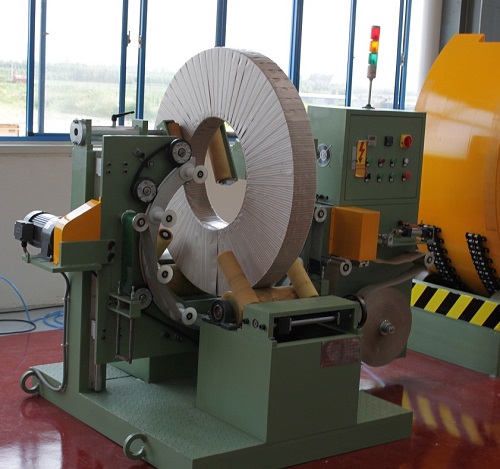
Unpacking the Financial Advantages: A Detailed Look at Savings
The cost savings associated with coil packing machines are multifaceted and extend beyond just labor reduction. Let's delve into the key areas where these machines deliver financial benefits:
1. Labor Cost Reduction
This is often the most immediately apparent saving. Automating the packaging process significantly reduces the need for manual labor.
- Reduced Operator Headcount: As highlighted earlier, a coil packing machine can often replace multiple manual packers, leading to direct savings in wages, benefits, and associated labor costs.
- Overtime Reduction: By speeding up packaging and ensuring consistent throughput, machines can help eliminate packaging bottlenecks that often lead to overtime pay for manual packing teams.
- Labor Efficiency Gains: Re-allocating workers from manual packaging to more productive roles within the manufacturing process maximizes labor efficiency and overall output per employee.
2. Material Waste Minimization
Manual wrapping is prone to inconsistencies and over-usage of materials. Machines optimize material consumption.
- Precise Material Application: Automated systems apply wrapping material with precision, using only the necessary amount for each coil. This eliminates the material waste often associated with manual wrapping, where operators may use excess film or strapping "just to be sure."
- Reduced Material Damage: Automated handling systems minimize the risk of damaging wrapping materials during application, further reducing waste.
- Optimized Inventory Management: Predictable material consumption facilitated by machines allows for more accurate inventory forecasting and procurement, preventing overstocking and potential material obsolescence.
3. Reduced Damage and Rework Costs
Protecting coils from damage is not just about product quality; it's also about preventing significant financial losses.
- Lower Product Rejection Rates: Enhanced protection during packaging and transit reduces the likelihood of coils being damaged and rejected by customers, minimizing losses from scrapped or unsellable products.
- Reduced Return and Replacement Costs: Fewer damaged coils mean fewer returns and replacements, saving on reverse logistics, restocking, and the cost of manufacturing replacement products.
- Minimized Rework Labor: Damage prevention eliminates the need for costly rework to repair damaged coils or repackage compromised shipments, saving both labor and material costs.
4. Increased Throughput and Revenue Potential
Efficiency gains directly translate to increased production capacity, which can lead to higher revenue.
- Higher Production Volume: Packing more coils per shift or day allows manufacturers to fulfill larger orders and increase overall sales volume.
- Faster Order Fulfillment: Quicker packaging turnaround times enable faster order fulfillment, improving customer satisfaction and potentially attracting new business.
- Scalability for Growth: Automated coil packing provides a scalable solution that can handle increased production demands as a business grows, supporting long-term revenue growth.
By comprehensively considering these cost-saving factors – labor, materials, damage reduction, and revenue enhancement – the financial benefits of investing in a coil packing machine become clear. The initial investment is quickly offset by ongoing operational savings and increased profitability, making it a financially sound decision for coil manufacturers.
Customizable Solutions and Enhanced Safety
Every coil manufacturing operation has unique requirements. From varying coil sizes and materials to specific packaging preferences and safety considerations, a one-size-fits-all approach simply won't work.

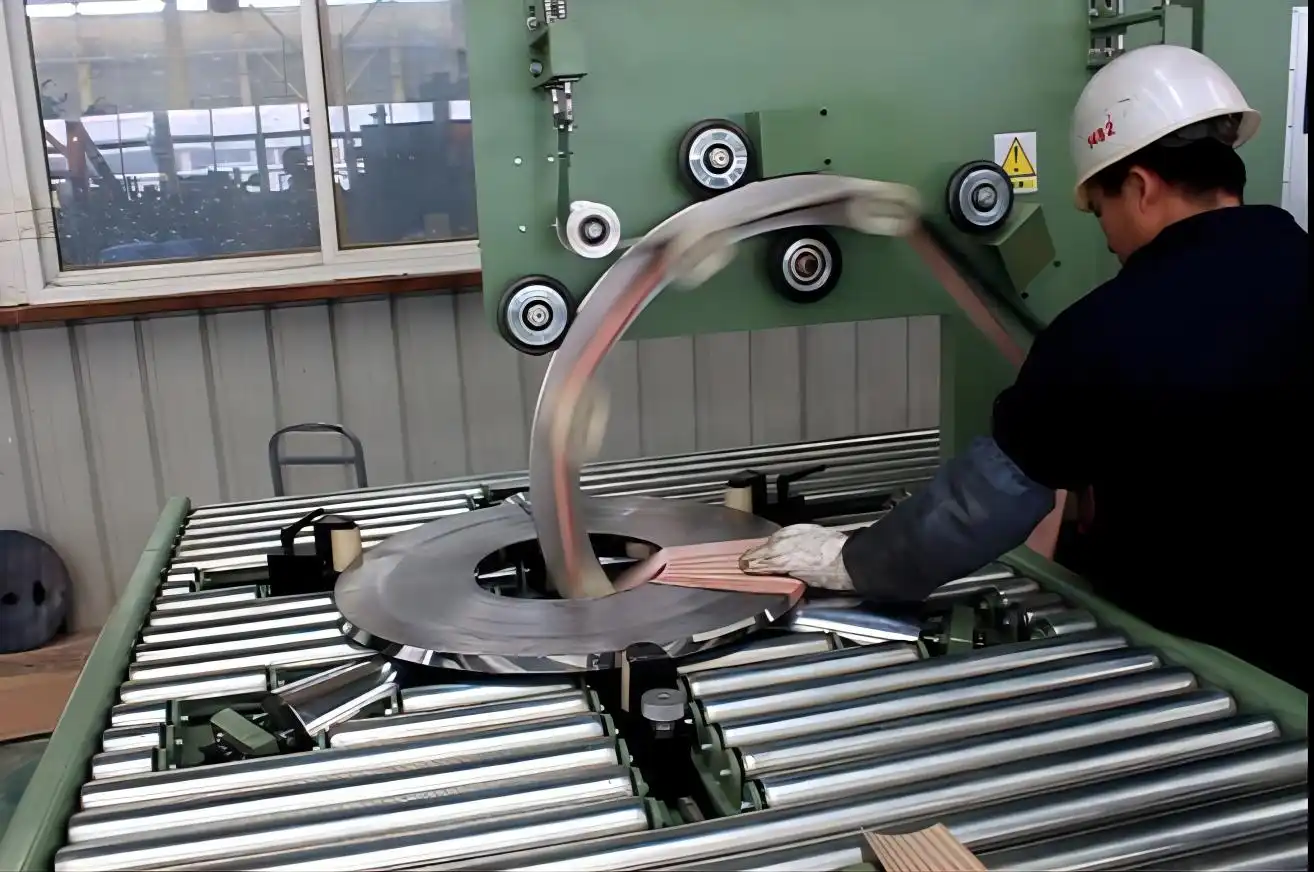
Coil packing machines offer customizable solutions to meet diverse needs. Manufacturers can select from a range of wrapping materials, adjust machine parameters for different coil dimensions, and integrate features like automated labeling or barcode scanning. Furthermore, these machines are designed with safety in mind, adhering to industry standards and minimizing risks to operators through features like safety guards and automated handling, creating a safer and more efficient work environment.
Coil packing machines are not just about automation; they are about intelligent automation tailored to specific operational contexts. The ability to customize these systems is crucial for maximizing their effectiveness and ensuring seamless integration into existing production lines. This adaptability, combined with inherent safety features, makes coil packing machines a valuable asset for any coil manufacturing business looking to optimize both efficiency and workplace safety.
Conclusion
Investing in a coil packing machine is a strategic move for manufacturers seeking to enhance production efficiency, improve product protection, and reduce operational costs. By automating the coil packaging process, these machines deliver significant benefits, from faster throughput and minimized downtime to reduced labor requirements and material waste. The customizable nature of modern coil packing solutions ensures they can be tailored to meet the unique demands of diverse coil manufacturing operations, while built-in safety features contribute to a safer working environment. Ultimately, embracing automation in coil packing is a pathway to increased competitiveness, improved profitability, and long-term success in the manufacturing industry. Explore our [Collection] of automated packing solutions to discover how we can help optimize your coil packaging process.