


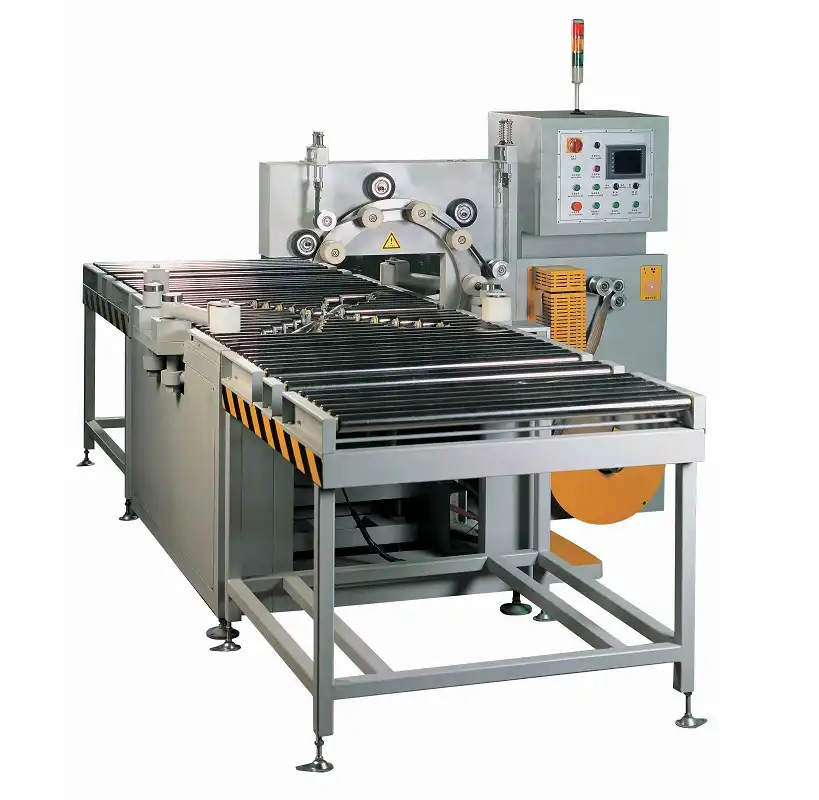
What Factors Influence the Cost of a Coil Packing Machine?
Understanding the price of a coil packing machine is crucial for businesses. Several elements, including raw material costs, technological advancements like automation and IoT integration, customization needs, brand reputation, and after-sales support, significantly impact the final cost. By evaluating these factors, companies can make informed decisions, balancing initial investment with long-term operational benefits and choosing the right machine within their budget.
For businesses in industries dealing with coils – be it steel, wire, plastic pipes, or cables – efficient packaging is paramount. Coil packing machines are indispensable for streamlining operations, protecting products during transit and storage, and enhancing overall productivity. However, the investment in a coil packing machine is not insignificant, and understanding the factors that influence its cost is essential for effective budgeting and procurement. Navigating the options and finding a machine that aligns with both operational needs and financial constraints requires a comprehensive understanding of the pricing landscape.
Decoding the Price Tag: Key Influencing Factors
The price of a coil packing machine is not a fixed figure; it's a dynamic value shaped by a multitude of variables. These factors can be broadly categorized into several key areas, each contributing to the overall investment required.
1. Machine Specifications: Size, Capacity, and Performance
The fundamental specifications of a coil packing machine are primary determinants of its price. Larger machines designed to handle heavier and larger coils, operate at higher speeds, and offer greater throughput will naturally command a higher price.
- Size and Capacity: Machines built for heavy-duty applications, such as packaging large steel coils, require robust construction, stronger materials, and more powerful motors. This increased material and manufacturing complexity translates directly into a higher cost. Conversely, machines designed for smaller, lighter coils, like those used for cables or plastic tubing, may be more economically priced due to less demanding structural requirements.
-
Wrapping Speed and Throughput: High-speed coil packing machines, capable of processing a larger volume of coils per hour, are typically more expensive. This is because achieving higher speeds necessitates advanced engineering, precision components, and sophisticated control systems to maintain accuracy and reliability at accelerated rates. Businesses with high-volume production demands may find the investment in a faster machine justified by the increased efficiency and reduced labor costs.
Table 1: Impact of Machine Specifications on CostFeature Impact on Price Explanation Larger Machine Size Higher Requires more materials, stronger components, and more complex manufacturing. Higher Capacity Higher Designed to handle heavier and larger coils, demanding robust construction and powerful systems. Faster Wrapping Speed Higher Needs advanced engineering, precision components, and sophisticated controls for high-speed, accurate operation.
2. Automation Level: From Manual to Fully Automatic
The level of automation integrated into a coil packing machine significantly impacts its price. Machines range from manual and semi-automatic to fully automated systems, each offering different levels of operational efficiency and investment.
- Manual and Semi-Automatic Machines: These machines typically represent the lower end of the price spectrum. Manual machines require significant operator involvement for loading, wrapping, and unloading coils. Semi-automatic machines automate certain aspects, such as wrapping, but still rely on manual intervention for other tasks. While their initial cost is lower, businesses must consider the potential for higher labor costs and lower throughput in the long run.
-
Fully Automatic Machines: Fully automated coil packing lines are at the higher end of the cost scale. These systems minimize human intervention, often incorporating automated coil feeding, wrapping, sealing, and conveying mechanisms. They may also include features like automatic size adjustment and data logging. The higher upfront investment is often justified by significant gains in efficiency, reduced labor costs, increased consistency, and improved safety.
Table 2: Automation Level and Cost ImplicationsAutomation Level Initial Cost Labor Costs Throughput Operational Complexity Manual Lowest Highest Lowest Simpler Semi-Automatic Medium Medium Medium Medium Fully Automatic Highest Lowest Highest More Complex 3. Technological Features and Customization: Adding Value, Increasing Cost
Technological advancements and the degree of customization requested play a crucial role in determining the final price of a coil packing machine. Features that enhance efficiency, provide data insights, or tailor the machine to specific needs invariably add to the cost.
- Advanced Automation and Smart Technologies: Integration of cutting-edge technologies like Artificial Intelligence (AI), Internet of Things (IoT), and advanced sensors significantly increases the machine's capabilities and, consequently, its price.
- AI Integration: AI can optimize wrapping patterns, predict maintenance needs, and enhance overall machine performance, justifying a higher investment through long-term efficiency gains and reduced downtime.
- IoT Integration: IoT connectivity enables real-time monitoring of machine performance, remote diagnostics, and data analysis. This data-driven approach can optimize operations and proactively address potential issues, but it comes at an added cost for sensors, software, and connectivity features.
* **Advanced Sensors:** Precision sensors improve wrapping accuracy, minimize material waste, and reduce the need for manual adjustments. These sensors, however, add to the machine's complexity and cost.-
Customization Options: Tailoring a coil packing machine to specific coil dimensions, wrapping material requirements, or integration with existing production lines necessitates customization. Custom engineering, design modifications, and specialized components increase manufacturing costs and lead times, impacting the final price. While customization ensures the machine perfectly fits specific operational needs, businesses should carefully weigh the added cost against the benefits of tailored functionality.
Table 3: Technological Features and Cost-Benefit AnalysisFeature Cost Impact Benefit AI Integration Higher Optimized performance, predictive maintenance, reduced downtime. IoT Integration Higher Real-time monitoring, data analysis, remote diagnostics, proactive issue resolution. Advanced Sensors Higher Enhanced accuracy, reduced material waste, minimized manual intervention. Customizable Settings Higher Machine tailored to specific coil types and operational needs. Energy-Efficient Components Potentially Higher Initial Cost Lower operational costs, reduced energy consumption, environmental benefits. 4. Brand Reputation and Manufacturer Expertise
The brand reputation of the coil packing machine manufacturer and their expertise in the field are also influential pricing factors. Established brands with a proven track record of reliability, quality, and robust after-sales support often command premium prices.
- Established Brands vs. Emerging Manufacturers: Machines from well-known, reputable manufacturers typically carry a higher price tag. This premium reflects the brand's investment in research and development, quality control, and customer support infrastructure. While potentially more expensive upfront, choosing a reputable brand can provide assurance of machine longevity, performance consistency, and readily available technical assistance and spare parts. Emerging manufacturers may offer more competitive prices, but businesses should carefully evaluate their track record, customer reviews, and support capabilities.
- Manufacturer's Expertise and Specialization: Manufacturers specializing in coil packing machinery, particularly those with expertise in specific coil types or industries, may offer more advanced and tailored solutions. Their specialized knowledge and experience often translate into higher prices but can also deliver superior performance and long-term value for niche applications.
5. Material Quality and Durability: Investing in Longevity
The quality of materials used in the construction of a coil packing machine directly impacts its durability, lifespan, and, consequently, its price. Machines built with high-grade steel, robust components, and corrosion-resistant materials are generally more expensive initially but offer better long-term value through reduced maintenance, fewer breakdowns, and extended operational life.
- High-Quality Components: Using premium components, such as durable motors, precision bearings, and robust control systems, increases the manufacturing cost but contributes significantly to the machine's reliability and longevity. Investing in quality components minimizes downtime, reduces repair expenses, and ensures consistent performance over years of operation.
- Corrosion Resistance and Material Selection: For industries operating in harsh environments or handling corrosive materials, coil packing machines may require specialized materials and coatings to resist corrosion and degradation. Stainless steel construction or specialized protective coatings add to the material cost but are essential for ensuring machine durability and preventing premature failure in demanding conditions.
6. After-Sales Support and Warranty: Securing Long-Term Performance
The level of after-sales support and warranty offered by the manufacturer is an often-overlooked but crucial cost factor. Comprehensive support packages, including extended warranties, preventative maintenance services, readily available spare parts, and responsive technical assistance, add to the initial machine price but provide significant long-term value and peace of mind.
- Warranty Coverage: Machines with longer and more comprehensive warranties typically come at a higher price. A robust warranty protects against unexpected repair costs and provides assurance of the manufacturer's confidence in their machine's quality and reliability.
- Maintenance and Support Services: Manufacturers offering preventative maintenance programs, on-site repair services, and readily available technical support demonstrate a commitment to customer satisfaction and machine uptime. These support services are often factored into the machine's price or offered as optional packages, representing an additional cost but ensuring continued optimal performance and minimizing potential downtime.
- Spare Parts Availability: The ease and speed of obtaining spare parts are critical for minimizing downtime in case of component failure. Manufacturers with readily available spare parts inventories and efficient logistics networks can command a premium, but they offer businesses the assurance of quick repairs and reduced operational disruptions.
7. Market Demand and Supply Chain Dynamics: External Economic Influences
External market factors, such as supply and demand dynamics and raw material costs, also play a role in fluctuating coil packing machine prices.
- Supply and Demand Balance: Increased demand for coil packing machines, driven by automation trends and industrial growth, can lead to price increases, particularly if supply chains are constrained or production capacities are limited. Conversely, periods of lower demand or increased market competition may result in more competitive pricing.
- Raw Material Costs: Fluctuations in the prices of raw materials used in machine manufacturing, such as steel, aluminum, and electronic components, directly impact production costs and, subsequently, machine prices. Increases in raw material costs are often passed on to buyers in the form of higher machine prices.
- Supply Chain Disruptions: Global events, geopolitical factors, and logistical challenges can disrupt supply chains, leading to delays in component sourcing and increased transportation costs. These disruptions can contribute to higher machine prices and longer lead times.
Table 4: External Factors Influencing Price
| Factor | Impact on Price | Explanation |
| --------------------------- | --------------- | ------------------------------------------------------------------------------------------------------- |
| Increased Market Demand | Higher | Drives prices up, especially if supply cannot meet demand. |
| Raw Material Cost Increases | Higher | Higher costs for steel, electronics, and other components increase production expenses. |
| Supply Chain Disruptions | Higher | Delays and shortages of components and increased transportation costs make machines more expensive. |
| Increased Market Competition | Lower | More manufacturers in the market can lead to competitive pricing and potentially lower prices. |
Making Informed Investment Decisions
Understanding the multifaceted factors that influence coil packing machine prices empowers businesses to make informed investment decisions. Rather than solely focusing on the initial purchase price, a holistic approach considering long-term operational costs, efficiency gains, and return on investment is crucial.
- Define Specific Needs: Clearly define your coil packing requirements, including coil size, material type, production volume, desired automation level, and specific features needed. This detailed needs assessment will help narrow down machine options and avoid overspending on unnecessary features.
- Prioritize Key Factors: Based on your operational priorities and budget constraints, prioritize the cost factors that are most critical for your business. For example, if high-volume production is paramount, investing in a faster, more automated machine might be justified despite a higher upfront cost. If budget is a primary concern, a semi-automatic machine from a reputable brand with essential features may be a more suitable choice.
- Compare Multiple Quotes: Obtain quotes from multiple coil packing machine manufacturers, comparing not only prices but also machine specifications, features, warranty terms, and after-sales support packages. A thorough comparison will reveal the best value proposition and identify potential cost savings.
- Consider Long-Term ROI: Evaluate the long-term return on investment (ROI) of different machine options. Factor in potential savings from reduced labor costs, increased efficiency, minimized material waste, and lower maintenance expenses. A machine with a higher initial price may offer a better ROI over its lifespan due to superior performance and lower operational costs.
- Explore Financing Options: For larger investments, explore financing options such as leasing or installment payments to manage cash flow and make coil packing machinery more accessible within budget constraints.
Conclusion: Strategic Investment for Packaging Efficiency
The cost of a coil packing machine is influenced by a complex interplay of factors, ranging from machine specifications and technological features to brand reputation and market dynamics. By meticulously evaluating these factors and aligning them with their specific operational needs and budgetary limitations, businesses can make strategic investment decisions. Choosing the right coil packing machine is not just about minimizing upfront costs; it's about maximizing long-term efficiency, productivity, and overall return on investment in their coil packaging processes. A well-informed decision ensures that the selected machine not only meets current packaging demands but also contributes to sustained operational success in the long run.