


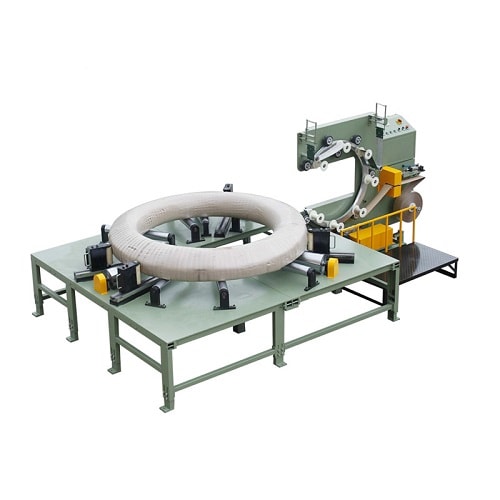
Can Coil Wrapping Machines Help with Packaging Sustainability?
Yes, coil wrapping machines significantly contribute to packaging sustainability by optimizing material usage, reducing waste through automation and precision, and enabling the use of eco-friendly films. These machines minimize environmental impact while ensuring efficient and secure packaging of coils, making them a crucial tool for businesses aiming for greener operations and a circular economy.
In an era where environmental consciousness is no longer optional but essential, industries are under increasing pressure to adopt sustainable practices. Packaging, a critical component of the manufacturing and logistics chain, is a significant area of focus. Traditional packaging methods often lead to excessive material consumption and waste generation, contributing to landfill burdens and environmental degradation. However, innovative solutions are emerging to address these challenges, and coil wrapping machines stand out as a key technology in promoting packaging sustainability.
The Imperative for Eco-Friendly Packaging in Coil Industries
Steel and aluminum coils are vital products across numerous sectors, from automotive to construction. Their transportation and storage necessitate robust packaging to prevent damage from corrosion, scratches, and physical impacts. Historically, this packaging has relied heavily on non-recyclable plastics and inefficient manual processes, resulting in substantial environmental footprints.
The demand for sustainable packaging is driven by several factors:
- Regulatory Pressure: Governments worldwide are implementing stricter environmental regulations, including extended producer responsibility (EPR) laws, compelling manufacturers to minimize packaging waste and enhance recyclability.
- Consumer Demand: Consumers are increasingly eco-aware and prefer products with minimal and sustainable packaging. Businesses are responding to this preference to maintain brand reputation and customer loyalty.
- Economic Benefits: While initial investments in sustainable solutions might seem higher, they often lead to long-term cost savings through reduced material consumption, lower waste disposal fees, and improved operational efficiency.
What are Eco-friendly Coil Wrapping Solutions?
Eco-friendly coil wrapping solutions are advanced packaging systems engineered to minimize environmental impact while ensuring optimal protection for steel and aluminum coils. These systems integrate several key features:
- Recyclable and Biodegradable Films: Moving away from traditional non-recyclable plastics, these solutions utilize films made from materials like polyethylene (PE) designed for recyclability or biodegradable plastics derived from plant-based sources. This shift significantly reduces landfill waste and supports circular economy initiatives.
- Energy-Efficient Machinery: Modern coil wrapping machines are designed to consume less power. Features like variable frequency drives (VFDs) and automated power management systems reduce energy consumption by up to 30% compared to older, less efficient models.
- Automated and Precision Wrapping: Automation is central to eco-friendly solutions. Robotics, sensors, and programmable logic controllers (PLCs) optimize the wrapping process, ensuring precise film tension and application. This minimizes material waste by using only the necessary amount of film, eliminating the guesswork and over-usage common in manual wrapping.

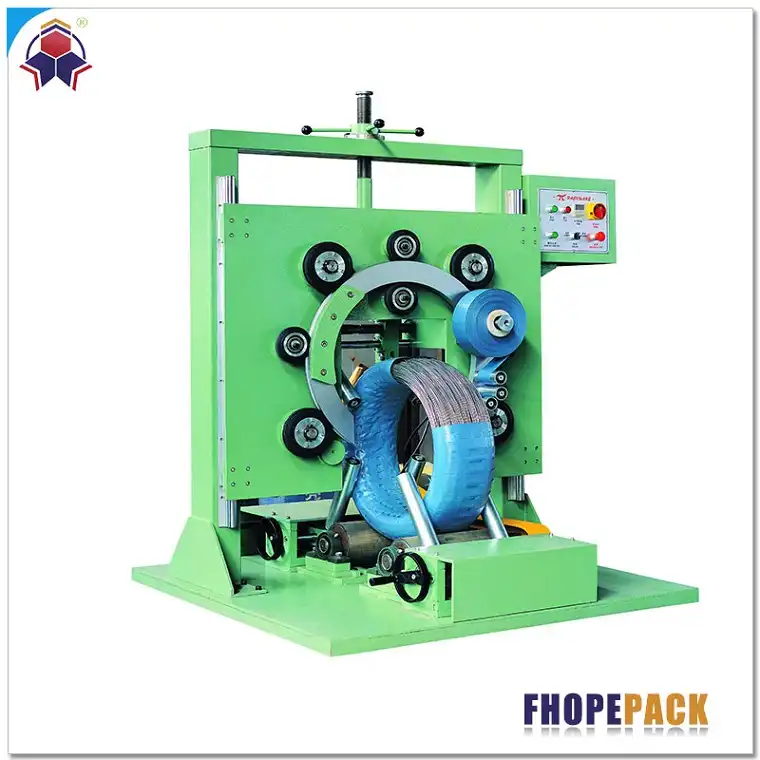
- Modular Designs for Customization: Recognizing the diverse sizes and weights of coils, modular designs allow for customization of the wrapping process. Machines can be adjusted to handle different coil dimensions, ensuring optimal protection without unnecessary material usage, whether for small automotive coils or large construction coils.
-
Smart Monitoring and Data Logging: Integration of IoT (Internet of Things) systems enables real-time performance tracking. This "smart monitoring" allows for predictive maintenance, reducing downtime and ensuring machines operate at peak efficiency. Data logging provides insights for continuous improvement and further optimization of material usage and energy consumption.
Key Features of Eco-friendly Coil Wrapping Solutions and Their BenefitsFeature Description Benefits Recyclable Films Made from materials like polyethylene or biodegradable plastics Reduces landfill waste, supports recycling initiatives, aligns with circular economy principles Energy-efficient Machines Designed to consume less power during operation Lowers energy costs, reduces carbon emissions, minimizes environmental footprint Automated Systems Uses robotics and sensors to optimize wrapping process Improves precision, reduces labor costs, minimizes material waste, ensures consistent packaging quality Modular Designs Allow customization based on coil size and weight Enhances flexibility, ensures optimal protection for various coil types, reduces material over-usage Smart Monitoring Integrated IoT systems for real-time performance tracking Enables predictive maintenance, reduces downtime, optimizes machine efficiency, data-driven improvements How Eco-friendly Coil Wrapping Machines Work: A Step-by-Step Process
Understanding the operational mechanics reveals the efficiency and sustainability embedded in these systems. Eco-friendly coil wrapping machines automate the packaging process with precision and minimal waste through a series of steps:
- Coil Loading: Coils are placed onto the machine using cranes or conveyor systems. This automated loading ensures safe and efficient handling, even for heavy coils, minimizing manual labor and potential for accidents.
- Film Application: The machine automatically applies recyclable or biodegradable film around the coil. Automated film application guarantees consistency and precision, significantly reducing material waste compared to manual wrapping, where film overlap and excess are common.

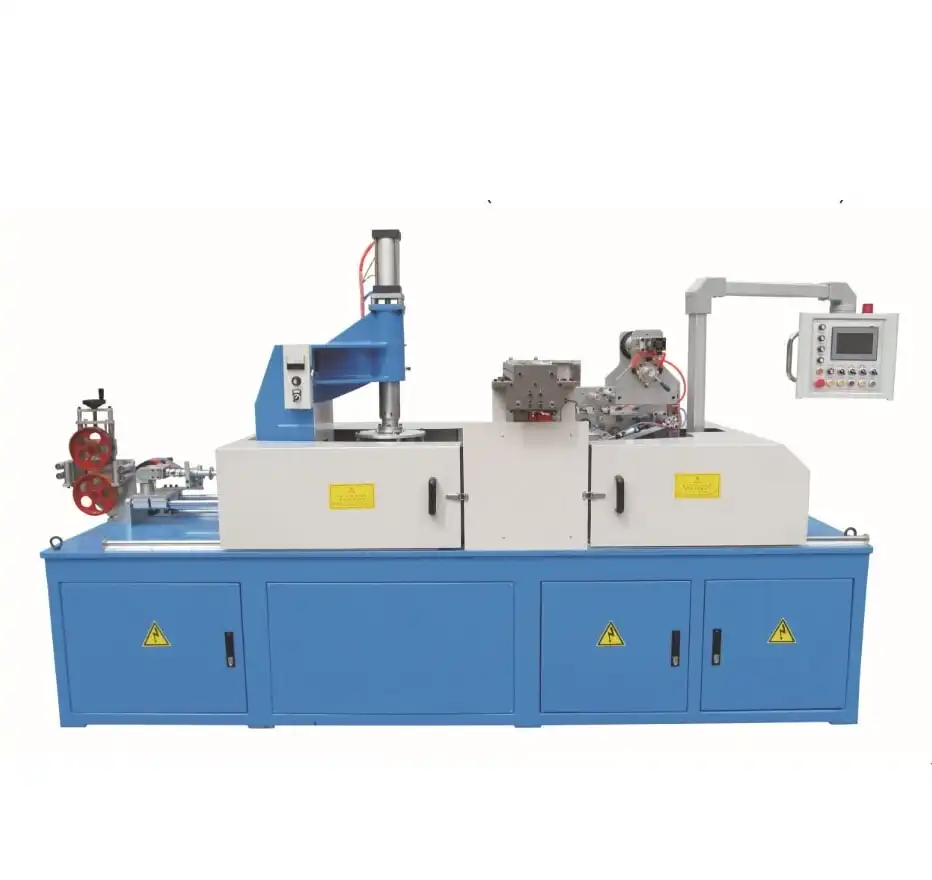
- Tension Control: Sensors constantly monitor and adjust film tension during wrapping. This is crucial for securing the coil effectively without using excessive film or risking damage. Proper tension control prevents film breakage and ensures a tight, secure wrap that protects the coil during transit and storage.
- Cutting and Sealing: Once the wrapping is complete, the machine automatically cuts and seals the film. This eliminates manual cutting and sealing, further enhancing precision and efficiency while reducing potential hazards and labor.
- Quality Check: Integrated cameras and sensors perform a final inspection of the wrapped coil to ensure it meets pre-set quality standards. This automated quality control step minimizes the risk of improperly wrapped coils, reducing potential damage and returns.
-
Data Logging and Analysis: The system records performance data at each stage. This data is invaluable for analysis, allowing businesses to identify areas for optimization, track material usage, and ensure machines operate at peak efficiency. Data logging also supports predictive maintenance, minimizing downtime.
Step-by-Step Process and Benefits of Eco-friendly Coil WrappingStep Description Benefits Coil Loading Automated placement of coil onto the machine Safe and efficient handling of heavy coils, reduced manual labor Film Application Machine applies recyclable/biodegradable film with precision Consistent wrapping quality, reduced material waste, optimized film usage Tension Control Sensors adjust film tension for secure and tight wrap Prevents damage during transit and storage, minimizes film breakage, ensures optimal protection Cutting & Sealing Automated film cutting and sealing Eliminates manual intervention, enhances precision, saves time and labor Quality Check Integrated cameras and sensors inspect wrapped coil Ensures compliance with quality standards, minimizes risk of damage, reduces potential returns and rework Data Logging System records performance data for analysis Enables continuous improvement, predictive maintenance, optimizes operational efficiency, reduces downtime Tangible Benefits: Environmental, Economic, and Operational
The adoption of eco-friendly coil wrapping solutions translates into a multitude of benefits for businesses:
- Reduced Environmental Impact: The most significant advantage is the substantial reduction in environmental footprint. By using recyclable or biodegradable films and energy-efficient machines, these systems minimize waste generation and lower carbon emissions. This aligns with global sustainability initiatives and helps companies meet increasingly stringent environmental regulations.
- Significant Cost Savings: While the initial investment in advanced machinery is a consideration, the long-term cost savings are compelling. Reduced material waste directly translates to lower packaging costs. Lower energy consumption reduces operational expenses. Furthermore, improved efficiency and reduced product damage minimize costs associated with returns, replacements, and rework.
- Enhanced Operational Efficiency: Automation streamlines the wrapping process, increasing throughput and reducing labor costs. Consistent wrapping quality minimizes product damage during transit, leading to higher customer satisfaction and fewer costly returns. Real-time monitoring and data analysis enable proactive maintenance, reducing downtime and optimizing overall operational efficiency.
-
Improved Brand Reputation and Regulatory Compliance: Adopting sustainable packaging solutions enhances a company's brand image, demonstrating a commitment to environmental responsibility, which resonates positively with eco-conscious consumers and stakeholders. Moreover, compliance with environmental regulations, including EPR mandates, is increasingly crucial, and eco-friendly coil wrapping solutions facilitate adherence to these standards, avoiding potential penalties and enhancing market access.
Comparison: Traditional vs. Eco-friendly Coil WrappingFeature Traditional Wrapping Eco-friendly Wrapping Material Non-recyclable plastic films Recyclable/biodegradable films Energy Use High energy consumption Energy-efficient systems Waste Generation High waste due to manual errors, over-usage Low waste with automation, precision Labor Costs Higher due to manual processes Lower due to automation Operational Efficiency Lower, inconsistent quality Higher, consistent quality Environmental Impact High carbon footprint, landfill waste Lower carbon footprint, reduced waste
| Long-term Costs | Higher operational costs | Lower operational and material costs |
Real-World Impact: Success Stories and Quantifiable Results
Anecdotal evidence and case studies reinforce the practical benefits of transitioning to eco-friendly coil wrapping solutions:
- Steel Coil Manufacturer: One steel coil manufacturer reported a 30% reduction in packaging waste within six months of adopting eco-friendly systems. They also experienced a significant decrease in energy costs due to energy-efficient machinery.
- Logistics Company: A logistics firm saw a 20% increase in efficiency after switching to automated eco-friendly wrapping. They also noted a reduction in damaged goods, leading to improved customer satisfaction.
- Automotive Industry Supplier: A supplier in the automotive sector achieved a 20% reduction in packaging costs after implementing eco-friendly coil wrapping, demonstrating the direct economic benefits of sustainable practices.
- Steel Coil Manufacturer (Waste Reduction): Another steel coil manufacturer reduced annual packaging waste by 40% after adopting eco-friendly systems, highlighting the substantial environmental impact reduction.
These examples underscore that eco-friendly coil wrapping is not just an environmentally sound choice but also a financially prudent and operationally advantageous decision.Embracing Sustainability for a Greener Future
Eco-friendly coil wrapping machines are more than just an incremental improvement in packaging technology. They represent a paradigm shift towards sustainable industrial practices. By minimizing material usage, reducing energy consumption, and enabling the use of recyclable and biodegradable materials, these solutions are crucial for businesses striving to reduce their environmental impact and transition to a circular economy.
While the packaging industry continues to innovate with new materials and designs, the role of advanced machinery like coil wrapping machines is indispensable. They are the enablers of sustainable packaging, translating eco-conscious materials into practical, efficient, and cost-effective solutions for protecting and transporting industrial goods.
For businesses in the coil manufacturing and related industries, investing in eco-friendly coil wrapping technology is a strategic move towards a more sustainable, efficient, and profitable future. It's not just about wrapping coils; it's about wrapping up a commitment to environmental responsibility and operational excellence.