

What Are the Safety Features of Modern Pallet Inverters?
Modern pallet inverters are engineered with a multitude of safety features, including robust safety guards, emergency stop mechanisms, secure clamping systems, and operator protection devices. These features are crucial for minimizing workplace accidents, protecting employees, and ensuring product integrity during pallet transfer operations, making pallet inverters a safe and efficient solution for material handling.
In today's fast-paced warehousing and logistics environments, efficiency and safety are paramount. Pallet inverters have emerged as indispensable tools, streamlining material handling processes across diverse industries. However, with any powerful machinery, safety must be at the forefront of consideration. Modern pallet inverters are not just about boosting productivity; they are fundamentally designed with a comprehensive suite of safety features to protect operators and products alike. Understanding these features is crucial for any business leveraging or considering incorporating pallet inverters into their operations.
Understanding the Core Function and Necessity of Pallet Inverters
Before diving into safety features, it’s important to understand what pallet inverters are and why they are so vital in modern supply chains. Pallet inverters are material handling machines designed to efficiently and safely rotate or flip pallet loads. This capability addresses numerous logistical challenges, from replacing damaged pallets to transferring goods between different pallet types (e.g., wood to hygienic plastic) or slip sheets. They eliminate the laborious and risky manual handling of goods, which traditionally involves restacking entire pallet loads by hand.

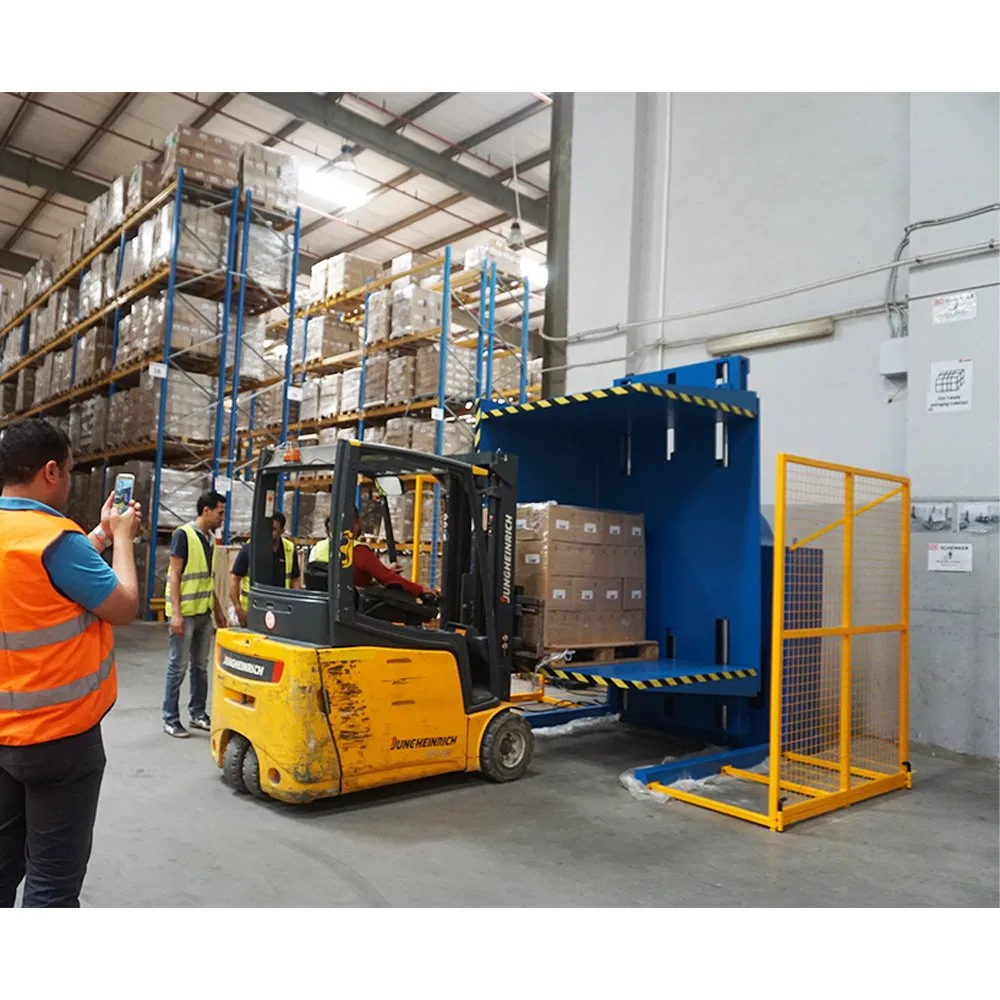
The benefits are clear: reduced manual labor, minimized product damage, optimized space utilization, and increased operational speed. Industries spanning food and beverage, pharmaceuticals, automotive, manufacturing, and warehousing all benefit from the versatility and efficiency that pallet inverters offer. They are available in stationary and portable configurations to suit various operational needs and facility layouts.
Key Safety Features Built into Modern Pallet Inverters
Modern pallet inverters are equipped with a range of engineered safety features designed to mitigate risks and ensure a secure operating environment. These features are not merely add-ons; they are integral to the design and functionality of these machines.

Robust Safety Guarding and Fencing
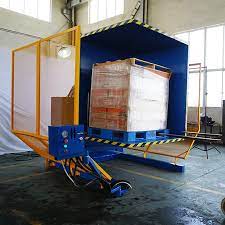
A primary safety feature in modern pallet inverters is the inclusion of robust safety guards and fencing. These physical barriers are designed to prevent accidental access to the operational area of the machine during use. Safety fences create a clearly demarcated zone around the inverter, ensuring that personnel cannot inadvertently walk into the machine's operating path while it is rotating or clamping a load. These guards are crucial for protecting operators and nearby workers from potential pinch points or moving parts.
Emergency Stop Mechanisms
Emergency stop buttons are a critical and universally implemented safety feature. Strategically positioned for easy access, these buttons allow for the immediate halting of all machine operations in case of an emergency or if any unsafe condition is observed. This quick-response mechanism is essential for preventing accidents and minimizing potential damage or injury. Modern inverters often incorporate multiple emergency stop buttons around the machine for enhanced accessibility from different vantage points.
Secure Clamping Systems with Load Stability
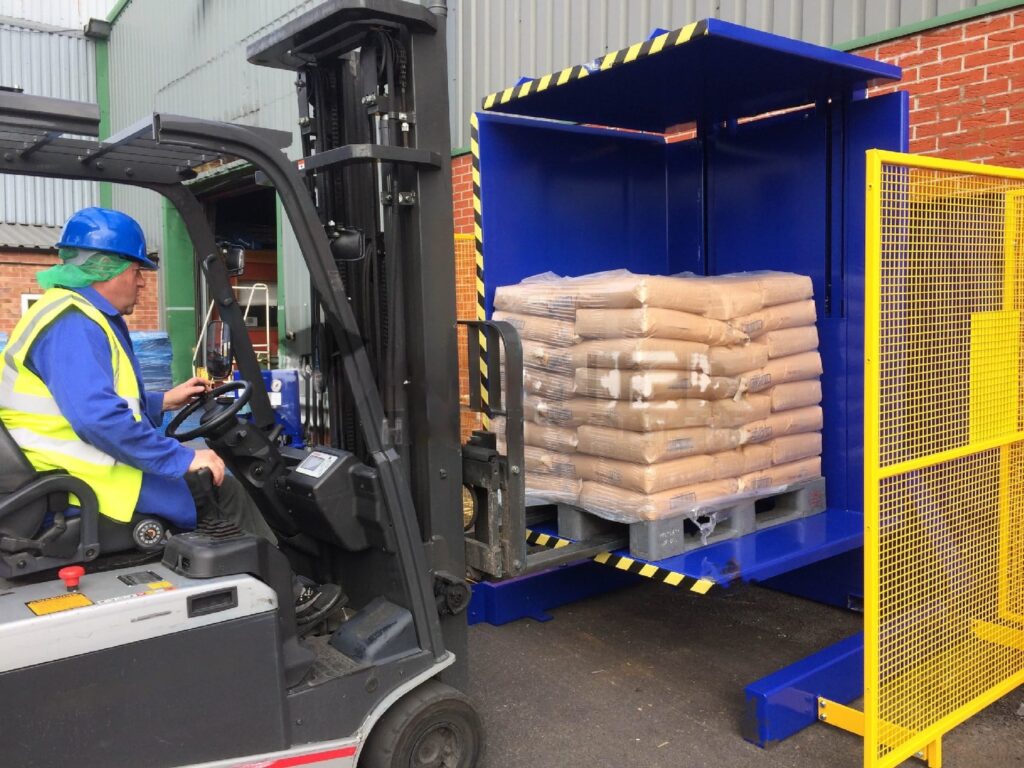
The clamping mechanism is at the heart of a pallet inverter's operation, and its design is critical for both efficiency and safety. Modern inverters utilize advanced clamping systems that securely hold the pallet load in place throughout the inversion process. These mechanisms are designed to accommodate various pallet sizes and load types, ensuring stability and preventing loads from shifting or falling during rotation. Features like adjustable clamps and pressure controls allow operators to fine-tune the clamping force to the specific load, enhancing both safety and product protection.
Operator Protection Devices and Interlocking Systems
Beyond physical guards, modern pallet inverters often incorporate active operator protection devices. These can include light curtains or safety scanners that create a protective field around the machine. If this field is breached during operation, the inverter automatically stops, preventing potential accidents. Interlocking systems are another vital safety component, ensuring that certain operations cannot begin unless specific safety conditions are met. For example, the inverter may not start its rotation cycle unless the safety guards are properly in place or the clamping mechanism is fully engaged.
Maintenance Locks and Counterbalance Valves
Safety during maintenance is also a key consideration in modern designs. Maintenance locks are incorporated to securely hold the machine in a safe position during servicing or repairs, preventing accidental movement or activation. Counterbalance valves within the hydraulic system are designed to maintain pressure and prevent uncontrolled descent of the load in case of hydraulic failure, adding an extra layer of safety during operation and maintenance.
Foot Obstruction Photo Eyes and Pinch Point Prevention
To further enhance operator safety, some advanced pallet inverters are equipped with foot obstruction photo eyes. These sensors are positioned near potential pinch points at ground level. If they detect an obstruction, such as a foot or object, within the danger zone, the machine will immediately stop operation. This feature is especially important in preventing lower-level injuries and ensuring a safe operating perimeter. Careful design considerations minimize potential pinch points throughout the machine's structure and operation.
Handrail Guarding and Safe Access Points
For models that require operators to access certain parts of the machine for loading or adjustments, handrail guarding and safe access points are crucial. Handrails provide stable support and prevent falls, while clearly defined and safe access points reduce the risk of slips, trips, and falls around the machinery.
Operational Safety Measures and Protocols
While the built-in safety features are essential, safe operation also relies heavily on established procedures and protocols. Implementing and adhering to these measures is just as important as having the right equipment.

Comprehensive Employee Training Programs
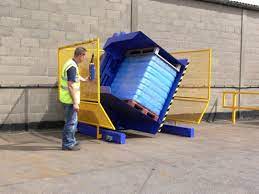
Proper training is the cornerstone of pallet inverter safety. All operators and personnel working around pallet inverters must undergo comprehensive training programs. These programs should cover:
- Safe Operation Procedures: Step-by-step instructions on how to correctly and safely operate the specific pallet inverter model, including start-up, operation, and shut-down procedures.
- Emergency Procedures: Training on how to use emergency stop buttons, what to do in case of malfunctions, and evacuation protocols.
- Hazard Identification: Education on potential hazards associated with pallet inverter operation, including pinch points, moving parts, and load instability.
- Pre-Operational Checks: Training on performing daily inspections of the machine to identify any potential issues before operation, such as loose bolts, hydraulic leaks, or damaged guards.
- Load Securing Best Practices: Guidance on how to properly load and secure pallets to ensure stability and prevent product damage or shifting during inversion.
Regular Maintenance and Inspection Schedules
Regular maintenance is crucial for ensuring the continued safe and efficient operation of pallet inverters. A proactive maintenance schedule should be established, including:
- Daily Visual Inspections: Operators should conduct a visual inspection before each shift, checking for any obvious damage, leaks, or loose parts.
- Periodic Preventative Maintenance: Scheduled maintenance by trained technicians should include lubrication of moving parts, hydraulic system checks, inspection of electrical components, and tightening of bolts and fasteners. The frequency of this maintenance should be based on manufacturer recommendations and usage levels.
- Record Keeping: Maintaining detailed records of all inspections, maintenance, and repairs is essential for tracking the machine's condition and identifying potential trends or recurring issues.
Enforcing Clearance Areas and Safety Zones
Clearly defined and enforced clearance areas around pallet inverters are vital for preventing accidents. These zones should be:
- Clearly Marked: Using high-visibility floor markings, safety tape, and signage to delineate the safe operational perimeter.
- Unobstructed: Keeping the area free from clutter, obstacles, and unnecessary personnel during operation.
- Communicated to All Staff: Ensuring all employees are aware of the clearance area and understand the importance of staying outside this zone when the inverter is in use.
Use of Personal Protective Equipment (PPE)
While pallet inverters are designed to enhance safety, the use of appropriate PPE provides an additional layer of protection for operators. Mandatory PPE for pallet inverter operation may include:
- Hard Hats: To protect against falling objects, even though modern inverters are designed to prevent load shifting.
- Safety Shoes: To protect feet from potential impacts or crushing injuries.
- Safety Glasses: To protect eyes from dust or debris, particularly in dusty warehouse environments.
- Gloves: To improve grip and protect hands during loading and unloading processes, even though manual handling is minimized.
- High-Visibility Clothing: To ensure operators are easily seen by forklift drivers and other personnel in busy warehouse environments.
Risk Management and Continuous Improvement
Safety is not a static state; it requires ongoing attention and continuous improvement. Implementing a robust risk management approach is essential for maintaining a safe pallet inverter operation.

Regular Safety Audits and Risk Assessments
Conducting regular safety audits and risk assessments helps to identify potential hazards and areas for improvement. These assessments should:
- Involve Operators and Safety Personnel: Gather input from those who directly operate and oversee the equipment.
- Review Accident and Near-Miss Reports: Analyze any incidents that have occurred to identify root causes and prevent future occurrences.
- Evaluate the Effectiveness of Existing Safety Measures: Assess whether current safety features and procedures are adequate and effective.
- Identify New Potential Hazards: Proactively look for any new risks that may emerge due to changes in operations, equipment, or personnel.
Continuous Monitoring of Performance and Safety Metrics
Monitoring key performance and safety metrics provides valuable data for identifying trends and areas for improvement. This may include tracking:
- Uptime and Downtime: To identify potential maintenance issues before they become safety hazards.
- Productivity Rates: To ensure safety measures are not hindering efficiency and to identify opportunities for optimization.
- Incident Rates: Tracking the number and type of safety incidents to measure the effectiveness of safety protocols.
- Employee Feedback: Regularly soliciting feedback from operators on safety concerns and suggestions for improvement.
Adapting to Industry Best Practices and Technological Advancements
Staying current with industry best practices and incorporating technological advancements in safety is crucial. This includes:
- Staying Informed: Keeping up-to-date with the latest safety standards, regulations, and best practices related to pallet inverters and material handling equipment.
- Evaluating New Safety Technologies: Exploring and adopting new safety technologies as they become available, such as advanced sensor systems, automation features, and improved guarding designs.
- Benchmarking Against Industry Peers: Learning from the safety practices of other companies in similar industries to identify potential improvements.
Conclusion: Investing in Safety for Efficiency and Longevity
Modern pallet inverters are designed with a comprehensive suite of safety features that, when combined with rigorous operational safety measures and a proactive risk management approach, create a significantly safer and more efficient material handling environment. Investing in these safety features and protocols is not just about compliance; it is about protecting your most valuable assets – your employees and your products. By prioritizing safety in pallet inverter operations, businesses can achieve enhanced productivity, reduced downtime, lower operational costs, and a stronger, more sustainable operation in the long run. Choosing a pallet inverter with robust safety features and committing to comprehensive safety practices is a smart investment in a more productive and secure future for any organization reliant on efficient material handling.