

How to Ensure Pallet Inverter Compatibility with Existing Systems?
Ensuring pallet inverter compatibility with existing systems is crucial for seamless integration and maximizing efficiency in material handling operations. Careful planning, assessment, and strategic integration are key to unlocking the full potential of pallet inverters within your current warehouse or production environment.
Why Compatibility Matters: Streamlining Your Material Handling with Pallet Inverters
In today's fast-paced logistics and manufacturing landscape, efficiency is paramount. Pallet inverters have emerged as a game-changing solution for optimizing material handling, offering significant advantages in terms of speed, safety, and cost-effectiveness. However, simply introducing a pallet inverter into your operations isn't enough. To truly reap the benefits, ensuring seamless compatibility with your existing systems is absolutely essential. This means considering everything from physical space and load capacity to power requirements and workflow integration. When compatibility is prioritized, you unlock the full potential of pallet inverters, streamlining processes, reducing bottlenecks, and enhancing overall productivity.

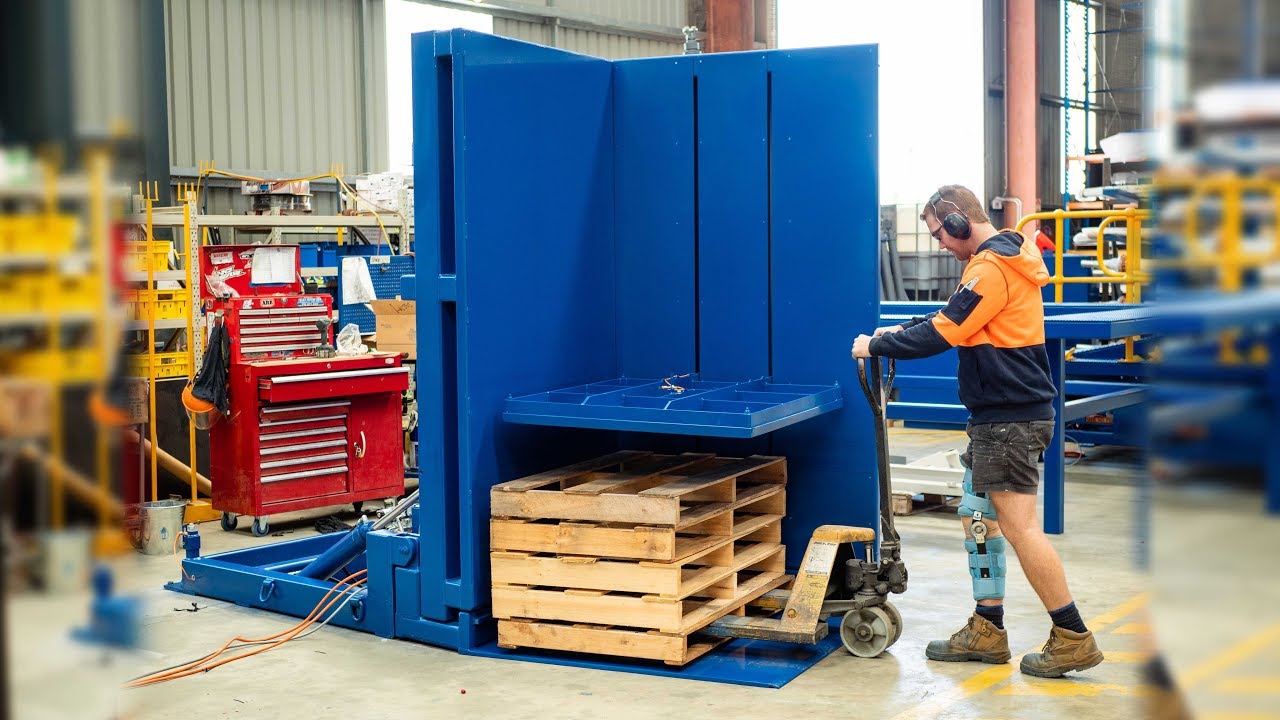
The High Cost of Incompatibility
Imagine investing in a state-of-the-art pallet inverter only to find it doesn't fit within your existing warehouse layout, struggles with your standard pallet sizes, or can't communicate with your current material handling equipment. The consequences of such incompatibility can be significant, including:
- Operational Disruptions: Incompatible equipment can lead to workflow bottlenecks, delays in production, and increased downtime as you struggle to integrate the new inverter.
- Reduced Efficiency: Instead of streamlining processes, incompatibility can create new inefficiencies. Manual workarounds, extra handling steps, and slower processing times can negate the intended benefits of the pallet inverter.
- Increased Costs: Beyond the initial investment, incompatibility can lead to unexpected costs for modifications, retrofitting, or even replacing equipment that doesn't work together.
- Safety Hazards: Forced integration or makeshift solutions to compatibility issues can compromise safety, increasing the risk of accidents and injuries in the workplace.
- Underutilized Investment: Ultimately, an incompatible pallet inverter becomes a less effective tool, failing to deliver the expected return on investment and hindering your operational goals.
The Rewards of Seamless Integration
On the other hand, when pallet inverters are carefully chosen and integrated with compatibility in mind, the rewards are substantial:
- Enhanced Efficiency and Productivity: A compatible inverter seamlessly integrates into your workflow, speeding up pallet handling, reducing manual labor, and boosting overall throughput.
- Optimized Space Utilization: By streamlining pallet handling and potentially enabling more efficient storage methods, compatible inverters contribute to better warehouse space utilization.
- Reduced Labor Costs: Automation and efficient pallet handling translate to reduced reliance on manual labor, lowering operational costs and freeing up personnel for other tasks.
- Improved Safety: Properly integrated inverters enhance workplace safety by minimizing manual handling of heavy loads and reducing the risk of injuries.
- Maximized ROI: A compatible pallet inverter delivers on its promise of efficiency and productivity gains, providing a strong return on your investment and contributing to long-term operational success.
Key Compatibility Considerations: A Detailed Checklist
To ensure your new pallet inverter integrates smoothly with your existing operations, consider these critical compatibility factors:

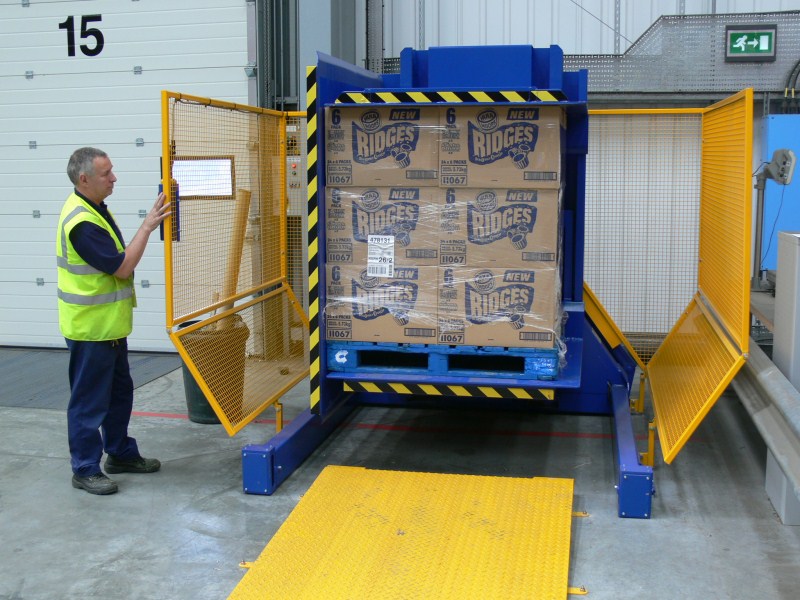
1. Physical Space and Layout Integration
- Footprint and Dimensions: Carefully measure the available space in your intended location. Ensure the inverter's footprint, including operational clearances and safety zones, fits comfortably within your existing layout. Consider both stationary and portable models based on space constraints and operational flow.
- Warehouse Layout and Traffic Flow: Analyze your current warehouse layout and traffic patterns. Will the inverter placement disrupt existing workflows? Ensure smooth material flow to and from the inverter, considering forklift access, conveyor systems, and pedestrian paths. Think about how the inverter will integrate into receiving, storage, processing, and shipping areas.
- Floor Conditions: Assess the floor condition at the installation site. Pallet inverters, especially stationary models, require a stable and level surface for safe and efficient operation. Uneven or damaged flooring may require remediation before installation.
2. Load Capacity and Pallet Size Compatibility
- Maximum Load Weight and Dimensions: Determine the maximum weight and dimensions of the pallet loads you handle regularly. Select an inverter with a load capacity that safely accommodates your heaviest loads. Verify the inverter's clamping mechanism can handle your range of pallet dimensions, from standard to custom sizes.
- Pallet Types and Construction: Consider the types of pallets you use (wooden, plastic, specialty). Ensure the inverter's clamping system is compatible with your pallet material and construction to provide secure and stable handling without damaging the pallets or loads. Some inverters offer adjustable clamps for different pallet types.
3. Power and Utility Requirements
- Power Source Compatibility: Identify the power source requirements of the pallet inverter (electric, hydraulic, pneumatic). Ensure your facility has the necessary power infrastructure (voltage, amperage, air pressure) readily available at the installation location. Consider the cost and feasibility of running new power lines or air lines if needed.
- Energy Efficiency Considerations: Evaluate the energy consumption of different inverter models. Opt for energy-efficient options to minimize operating costs and align with sustainability goals. Look for features like automatic shutdown or energy-saving hydraulic systems.
pallet inverter integration

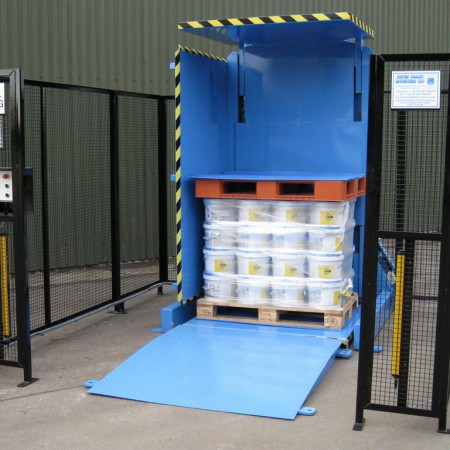
4. Integration with Forklifts and Material Handling Equipment (MHE)
- Forklift Compatibility: Most pallet inverters are designed to work seamlessly with forklifts for loading and unloading. Ensure the inverter's loading height and access points are compatible with your existing forklift fleet. Consider forklift turning radius and maneuvering space around the inverter.
- Conveyor System Integration: If your facility utilizes conveyor systems, explore pallet inverters that can be integrated with conveyors for automated loading and unloading. Ensure compatibility in terms of conveyor height, speed, and control systems. Consider the need for transfer mechanisms or interfaces between the inverter and conveyors.
- Other MHE Compatibility: If you use other material handling equipment like pallet jacks, stackers, or AGVs, assess their compatibility with the pallet inverter. Ensure smooth transitions and efficient handoffs between different equipment types in your workflow.
5. Control Systems and Automation Integration
- Control Panel Compatibility: Evaluate the inverter's control panel and user interface. Is it user-friendly for your operators? Can it be integrated with your existing warehouse management system (WMS) or enterprise resource planning (ERP) system for data tracking and process control?
- Automation Capabilities: Determine the level of automation you require. Consider semi-automatic vs. fully automatic inverters based on your throughput needs and labor resources. If opting for automation, ensure the inverter's automation features (programmable controls, pre-set cycles) are compatible with your desired level of automation and control.
- Safety System Integration: Ensure the inverter's safety features (emergency stops, safety fences, interlocking systems) are compatible with your overall workplace safety protocols and systems. Consider integrating the inverter's safety interlocks with your facility's emergency shutdown systems.
6. Workflow and Process Integration
- Operational Workflow Analysis: Thoroughly analyze your current pallet handling workflows. Identify bottlenecks, manual processes, and areas for improvement. Plan how the pallet inverter will fit into your workflows and optimize processes for maximum efficiency gains.
- Process Adjustments and Optimization: Be prepared to adjust existing processes to fully leverage the capabilities of the pallet inverter. This may involve changes to palletizing procedures, storage methods, or order fulfillment processes. Consider process simulation or modeling to optimize workflow integration.
- Training and Operator Familiarity: Factor in the time and resources required to train your operators on the new pallet inverter. Ensure training programs cover safe operation, maintenance procedures, and integration with existing workflows. Operator acceptance and proficiency are crucial for successful integration.
7. Safety System Compatibility
- Safety Standards Compliance: Verify that the pallet inverter complies with relevant safety standards and regulations (OSHA, ANSI, CE, etc.). Ensure the inverter manufacturer provides safety documentation and certifications.
- Safety Feature Review: Thoroughly review the inverter's safety features, including emergency stops, safety guards, light curtains, and audible alarms. Ensure these features are adequate for your operational environment and risk assessment.
- Risk Assessment and Mitigation: Conduct a comprehensive risk assessment of the pallet inverter integration. Identify potential hazards and implement appropriate mitigation measures, including safety procedures, operator training, and personal protective equipment (PPE).
material handling systems

Strategies for Ensuring Pallet Inverter Compatibility: A Proactive Approach
Taking a proactive approach is key to ensuring seamless compatibility. Implement these strategies:
1. Conduct a Pre-Purchase Compatibility Assessment
- Detailed Site Survey: Perform a thorough site survey of the intended installation location. Document measurements, floor conditions, power availability, and traffic flow.
- Operational Requirements Analysis: Clearly define your operational requirements, including load types, pallet sizes, throughput goals, and desired level of automation.
- Equipment Compatibility Checklist: Develop a detailed checklist of compatibility factors based on the considerations outlined above. Use this checklist to evaluate different pallet inverter models.
2. Consult with Pallet Inverter Suppliers and Experts
- Supplier Expertise: Engage with reputable pallet inverter suppliers early in the selection process. Leverage their expertise to assess compatibility and identify suitable models for your specific needs.
- Technical Consultation: Seek technical consultation from the supplier to address specific compatibility questions and concerns. Discuss integration challenges and explore potential solutions.
- Site Visits and Demonstrations: Request site visits or demonstrations of pallet inverters in similar operational environments. This allows you to see the equipment in action and assess its compatibility firsthand.
3. On-Site Testing and Pilot Programs (If Feasible)
- Trial Periods: If possible, arrange for a trial period or pilot program with a potential pallet inverter. This allows you to test the equipment in your actual operating environment and identify any compatibility issues before making a full purchase.
- Simulated Integration Tests: Conduct simulated integration tests to assess how the inverter interacts with your existing equipment and workflows. This can help identify potential bottlenecks or challenges early on.
4. Phased Implementation and Gradual Rollout
- Pilot Implementation: Consider a phased implementation approach, starting with a pilot installation in a limited area or for a specific application. This allows you to test compatibility and fine-tune integration before a full-scale rollout.
- Gradual Expansion: After successful pilot implementation, gradually expand the use of pallet inverters to other areas or applications. Monitor performance and address any emerging compatibility issues during each phase.
5. Comprehensive Training and Documentation
- Operator Training Programs: Develop comprehensive training programs for operators and maintenance personnel. Ensure training covers safe operation, maintenance procedures, troubleshooting, and integration with existing systems.
- Detailed Documentation: Maintain detailed documentation of the pallet inverter, including operating manuals, maintenance schedules, safety procedures, and integration guidelines. Accessible documentation ensures smooth operation and facilitates troubleshooting.
Conclusion: Investing in Compatibility for Long-Term Success
Ensuring pallet inverter compatibility with existing systems is not merely an afterthought; it's a strategic imperative for maximizing the benefits of this valuable material handling technology. By taking a proactive and comprehensive approach to compatibility assessment and integration, you can avoid costly disruptions, optimize operational efficiency, enhance workplace safety, and achieve a strong return on your investment. Remember, a well-integrated pallet inverter becomes a powerful asset, seamlessly streamlining your material handling processes and contributing to the long-term success of your operations.