

How to Improve Pallet Inverter Durability in High-Traffic Warehouses?
Want to ensure your pallet inverters withstand the daily grind of a high-traffic warehouse? Regular maintenance, comprehensive employee training, and robust safety protocols are key to maximizing the lifespan and performance of your equipment. Let's dive into practical strategies to enhance pallet inverter durability and keep your operations running smoothly.
Understanding the Demands of High-Traffic Warehouses on Pallet Inverters
In today's fast-paced logistics and warehousing environments, pallet inverters are indispensable for streamlining material handling. These machines are workhorses, tasked with efficiently rotating and transferring loads, reducing manual labor, and minimizing product damage. However, the very nature of high-traffic warehouses – characterized by constant operation, heavy loads, and tight deadlines – places immense stress on pallet inverters. Understanding these demands is the first step in bolstering their durability.
High-traffic environments mean pallet inverters are subjected to frequent and often continuous use. This constant operation can accelerate wear and tear on critical components like hydraulic systems, motors, and clamping mechanisms. The sheer volume of pallets processed daily in such warehouses also increases the likelihood of accidental impacts and misalignments, potentially leading to structural stress and damage over time. Furthermore, the pressure to maintain operational efficiency in these settings can sometimes lead to shortcuts in maintenance schedules or operator training, further compromising equipment longevity.
Key Factors Affecting Pallet Inverter Durability
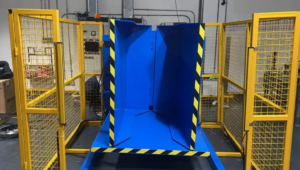

Several interconnected factors contribute to the durability, or lack thereof, of pallet inverters in demanding warehouse environments. Addressing these factors proactively is crucial for extending equipment lifespan and minimizing costly downtime.
1. Regular Maintenance: The Cornerstone of Longevity
Just like any sophisticated machinery, pallet inverters require consistent and thorough maintenance to perform reliably. Neglecting maintenance is a direct path to decreased durability and increased risk of breakdowns. Regular maintenance encompasses several critical aspects:
- Lubrication: Moving parts are the lifeblood of a pallet inverter. Regular lubrication of these components minimizes friction, reduces wear, and prevents premature failure. This includes bearings, rollers, and hydraulic cylinder rods.
- Cleaning: Warehouses, even clean ones, accumulate dust, debris, and spills. These contaminants can interfere with mechanical operation, accelerate corrosion, and even damage sensitive hydraulic components. Regular cleaning is essential to remove these harmful substances.
- Inspection: Routine inspections are vital for identifying early signs of wear, damage, or loose components. Catching issues early, such as cracks in welds, frayed wiring, or loose bolts, allows for timely repairs before they escalate into major problems.
- Calibration: Pallet inverters are precision machines. Calibration ensures accurate and safe load rotation. Miscalibration can lead to uneven weight distribution, increased stress on the machine, and potential safety hazards. Regular calibration checks are essential for maintaining operational integrity.
2. Employee Training: Ensuring Safe and Proper Operation
Even the most robust pallet inverter can suffer damage due to improper operation. Comprehensive employee training is paramount for ensuring that operators understand how to use the equipment safely and correctly. Training should cover:
- Safe Operating Procedures: Employees must be thoroughly trained on the correct procedures for loading, operating, and unloading the pallet inverter. This includes understanding load limits, clamp adjustments, and emergency stop protocols.
- Hazard Identification: Training should equip operators to identify potential hazards, such as unstable loads, obstructions in the operating area, or signs of equipment malfunction.
- Routine Checks: Operators should be trained to perform daily pre-shift checks, including visual inspections for damage, checking fluid levels, and ensuring safety features are functional.
- Emergency Procedures: Employees need to know how to react in emergency situations, including how to use emergency stop buttons and procedures for safely handling equipment malfunctions.
3. Safety Procedures and Equipment: Minimizing Accidental Damage
Implementing robust safety procedures and utilizing appropriate safety equipment is not only crucial for employee well-being but also contributes significantly to pallet inverter durability. Safety measures can prevent accidents that lead to equipment damage:
- Safety Guards: Physical safety guards are essential to protect operators from moving parts and to prevent accidental contact with the inverter during operation.
- Emergency Stop Switches: Easily accessible emergency stop switches are critical for immediately halting operation in case of any anomaly or emergency.
- Floor Markings and Clear Zones: Clearly marked floor zones around pallet inverters help define safe operating areas and prevent accidental collisions with forklifts or other warehouse traffic.
- Regular Safety Audits: Periodic safety audits can identify potential procedural weaknesses or areas where safety equipment needs improvement, ensuring ongoing safety and equipment protection.
4. Product Safety Considerations: Preventing Overloads and Improper Loading
While pallet inverters are designed to handle substantial loads, overloading or improper loading can put excessive strain on the machine, leading to premature wear and potential structural damage. Prioritizing product safety also contributes to equipment durability:
- Correct Pallet Size and Type: Using pallets that are compatible with the inverter's design and within its specified size range is crucial to ensure proper clamping and load distribution.
- Secure Load Securing: Training employees on proper load securing techniques, such as using straps or wraps when necessary, prevents loads from shifting during inversion, reducing stress on the inverter and minimizing product damage.
- Avoiding Overloading: Strict adherence to the pallet inverter's maximum load capacity is non-negotiable. Overloading puts undue stress on the hydraulic system, frame, and clamping mechanisms, significantly shortening the equipment's lifespan.
5. Monitoring Performance: Proactive Issue Detection
Continuously monitoring pallet inverter performance provides valuable insights into operational efficiency and potential maintenance needs. Tracking key metrics can help identify issues before they escalate into major problems:
- Productivity Metrics: Tracking the number of pallets processed per shift or hour can reveal performance dips that might indicate underlying mechanical issues.
- Safety Incident Tracking: Monitoring safety incidents related to pallet inverter operation helps identify procedural weaknesses or operator training gaps that need addressing.
- Efficiency Metrics: Tracking energy consumption or cycle times can highlight inefficiencies that might point to hydraulic system problems or increased friction due to lack of lubrication.
- Regular Performance Reviews: Periodically reviewing performance data allows for proactive identification of trends or anomalies that might require maintenance intervention.
Strategies to Enhance Pallet Inverter Durability in High-Traffic Warehouses
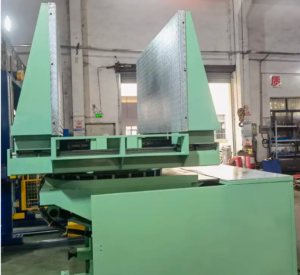

Building upon the understanding of key factors, here are actionable strategies to proactively enhance pallet inverter durability in high-traffic warehouse settings:
1. Implement a Proactive Maintenance Schedule
Shift from reactive maintenance (fixing breakdowns as they occur) to a proactive, preventative maintenance schedule. This schedule should be based on manufacturer recommendations and tailored to the specific usage intensity in your warehouse. A robust schedule should include:
- Daily Checks: Operator-led visual inspections, fluid level checks, and functional tests of safety features before each shift.
- Weekly Maintenance: Cleaning of accessible components, lubrication of key moving parts, and tightening of bolts and fasteners.
- Monthly Maintenance: More in-depth inspections of hydraulic systems, electrical connections, clamping mechanisms, and calibration checks.
- Annual or Bi-Annual Professional Servicing: Scheduled servicing by qualified technicians for thorough inspections, component replacements, and system overhauls, as recommended by the manufacturer.
2. Invest in Comprehensive and Ongoing Employee Training
Training should not be a one-time event. Implement a comprehensive and ongoing training program that includes:
- Initial Certification Training: All operators must undergo thorough certification training before being authorized to operate pallet inverters. This training should be hands-on and cover all aspects of safe and efficient operation.
- Refresher Training: Regular refresher training sessions, at least annually, are crucial to reinforce safe operating procedures, update operators on any equipment updates or safety protocols, and address any observed operational shortcomings.
- Specialized Training: Provide specialized training for maintenance personnel on specific pallet inverter models, troubleshooting techniques, and component replacement procedures.
- Training Documentation and Accessibility: Ensure readily accessible training manuals, videos, and quick reference guides are available to operators for ongoing support and knowledge reinforcement.
3. Reinforce Safety Protocols and Regularly Audit Safety Compliance
Safety is an ongoing commitment. Reinforce safety protocols and implement regular safety audits:
- Clearly Defined Safety Procedures: Establish and communicate clear, written safety procedures for all aspects of pallet inverter operation, including pre-operation checks, emergency procedures, and load handling guidelines.
- Regular Safety Meetings: Conduct regular safety meetings to discuss safety concerns, review incident reports, and reinforce safe operating practices.
- Safety Audits: Conduct periodic, unannounced safety audits to assess compliance with established safety procedures, identify potential hazards, and ensure safety equipment is in good working order.
- Employee Feedback Mechanisms: Establish channels for employees to report safety concerns or suggest safety improvements without fear of reprisal.
4. Optimize Product Handling Procedures
Refine product handling procedures to minimize stress on pallet inverters:
- Pallet Quality Control: Implement a pallet inspection process to ensure only pallets in good condition are used with pallet inverters. Damaged pallets can cause instability and stress on the equipment.
- Load Distribution Optimization: Train employees on proper load distribution techniques to ensure balanced weight on pallets, minimizing stress during inversion.
- Gentle Operation Practices: Emphasize smooth and controlled operation of the pallet inverter, avoiding jerky movements or abrupt stops that can contribute to wear and tear.
- Appropriate Inverter Selection: Ensure the pallet inverter model is appropriately sized and rated for the typical loads and operational demands of the warehouse. Overworking an undersized inverter will inevitably lead to premature failure.
5. Leverage Technology for Performance Monitoring and Predictive Maintenance
Embrace technology to enhance performance monitoring and move towards predictive maintenance:
- Implement Performance Monitoring Systems: Utilize sensor-based systems or integrated software to track key performance indicators (KPIs) such as cycle times, energy consumption, and error codes.
- Data Analysis and Trend Identification: Regularly analyze performance data to identify trends, anomalies, or early warning signs of potential equipment issues.
- Predictive Maintenance Scheduling: Utilize data-driven insights to schedule maintenance proactively, based on actual equipment usage and condition, rather than solely relying on fixed time intervals.
- Remote Monitoring and Diagnostics: Explore pallet inverters with remote monitoring capabilities that allow manufacturers or service providers to remotely diagnose issues and provide timely support.
Optimizing Pallet Inverter Longevity: A Long-Term Perspective
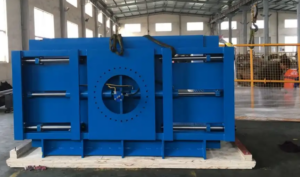
Enhancing pallet inverter durability is not just about short-term fixes; it's about adopting a long-term perspective focused on preventative measures and continuous improvement.

- Invest in High-Quality Equipment: While initial cost is a factor, prioritize investing in reputable pallet inverter brands known for their quality, durability, and robust construction. Higher-quality equipment generally translates to a longer lifespan and lower long-term maintenance costs.
- Establish a Comprehensive Equipment Lifecycle Management Plan: Develop a plan that encompasses the entire lifecycle of pallet inverters, from initial selection and procurement to regular maintenance, performance monitoring, and eventual replacement planning.
- Foster a Culture of Equipment Care: Cultivate a warehouse culture that values equipment care and responsibility. Encourage employees to report issues promptly, treat equipment with respect, and understand their role in maintaining equipment longevity.
- Regularly Review and Adapt Maintenance and Training Programs: Periodically review the effectiveness of maintenance and training programs, adapting them based on performance data, employee feedback, and evolving operational needs.
By implementing these comprehensive strategies, high-traffic warehouses can significantly improve the durability of their pallet inverters, minimize downtime, enhance operational efficiency, and ensure a safer working environment for their employees. Investing in durability is an investment in long-term productivity and profitability.
To improve pallet inverter durability in high-traffic warehouses, prioritize regular maintenance, comprehensive employee training, robust safety protocols, optimized product handling, and performance monitoring. These strategies minimize wear and tear, prevent accidents, and extend equipment lifespan, ensuring efficient and safe operations.