

What Are the Key Considerations for Pallet Inverter Installation?

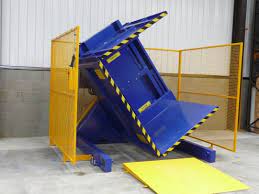
Proper pallet inverter installation is crucial for ensuring operational efficiency and workplace safety. Key considerations include pre-installation site checks, ensuring a flat, stable floor, confirming environmental suitability (dry, stable temperature), and thorough inspection upon delivery. Correct guard assembly, professional electrical connections, and comprehensive pre-use inspections are also vital for safe and effective pallet inverter operation.
Ensuring a Smooth and Safe Pallet Inverter Setup: Key Considerations
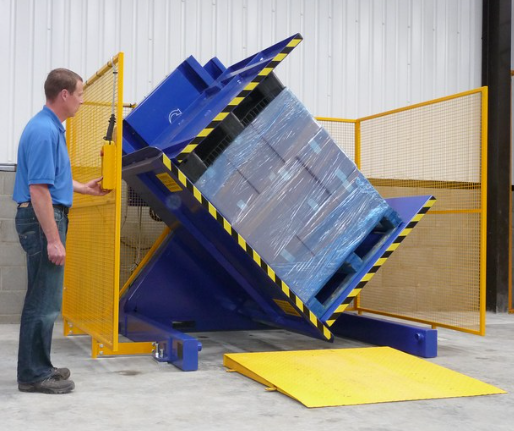

Pallet inverters are indispensable assets in modern material handling, streamlining operations and enhancing safety across diverse industries, from food and pharmaceuticals to printing and logistics. These versatile machines eliminate manual pallet restacking, reduce product damage, and boost overall warehouse efficiency. However, to fully realize these benefits, proper installation is paramount. This article delves into the critical considerations for pallet inverter installation, ensuring a seamless setup and optimal long-term performance.
Pre-Installation Planning and Checks: Setting the Stage for Success
Before the pallet inverter even arrives at your facility, meticulous pre-installation planning is essential. This phase lays the groundwork for a smooth and safe installation process, preventing potential delays and complications down the line.
Site Selection and Environmental Conditions: Choosing the Right Location
The first key consideration is selecting an appropriate location for your pallet inverter. The chosen site must meet specific criteria to ensure the machine operates safely and effectively.
- Level and Stable Surface: Pallet inverters are designed to function optimally on an even, flat surface. Uneven flooring can lead to instability, affecting the machine's performance and potentially compromising safety. Ensure the floor is sufficiently level and capable of supporting the weight of the inverter and the maximum load it is designed to handle.
- Floor Condition: The floor surface should be free of debris and obstructions that could hinder machine placement or create an unstable base. A clean and clear floor ensures the inverter sits flush and securely.
- Environmental Suitability: Consider the environmental conditions of the installation area. Pallet inverters can be installed in various environments, but it's crucial to determine if the location is dry, potentially wet, or subject to extreme temperatures. For humid or wet environments, ensure the chosen anchoring method and materials are suitable to prevent corrosion and maintain stability. Avoid installing the machine in areas prone to freezing temperatures or near freeze lines unless specifically designed for such conditions.
- Space Evaluation: Before positioning the machine, thoroughly evaluate the available space. Adequate space is needed not only for the inverter itself but also for operational clearances and maintenance access. Critically, ensure sufficient space at the rear of the equipment for unimpeded access to the electrical panel door.
Floor Preparation: Anchoring for Stability
Once the location is selected, proper floor preparation is the next vital step. Securely anchoring the pallet inverter to the floor is crucial for its stability and safe operation.
- Anchoring Requirements: The material indicates using a drill to create anchor points in the floor for secure attachment. A 200mm drill bit at a depth of 100mm is mentioned as an example. However, it's imperative to consult the specific pallet inverter instructions provided by the manufacturer for precise drilling specifications and anchor bolt requirements.
- Anchor Bolt Installation: Typically, anchor bolts are supplied with the pallet inverter. Use a mallet to firmly set the anchor bolts into the pre-drilled holes. Then, utilizing a ratchet or spanner, securely fasten the inverter to the floor boards with the supplied fasteners. This robust anchoring method is essential to prevent machine movement during operation, especially when handling heavy loads.
Shipment Inspection: Verifying Completeness and Condition
Upon receiving the pallet inverter shipment, a comprehensive inspection is essential to verify that all components are present and undamaged.
- Damage Assessment: Carefully inspect the shipment for any signs of damage incurred during transit. Note any dents, scratches, or broken parts on the machine, guards, power unit, control panel, and any other ordered components. Document any damage immediately and report it to the supplier.
- Component Verification: Cross-reference the received components with the packing list and your order to ensure everything is included. A complete shipment should include the pallet inverter machine itself, safety guards, power unit, operator control panel, instruction manuals, and any additional accessories or spare parts that were ordered. Missing components can lead to delays in installation and operation.
Trained Personnel: Ensuring Competent Operation and Maintenance
Effective and safe operation and maintenance of a pallet inverter require personnel who are adequately trained and authorized.
- Operator and Maintenance Training: Invest in comprehensive training for personnel who will be operating and maintaining the pallet inverter. Training should cover safe operation procedures, routine maintenance tasks, troubleshooting basic issues, and emergency procedures. Manufacturer-provided training programs or certified third-party training are highly recommended. Trained personnel are crucial for maximizing efficiency, minimizing downtime, and ensuring a safe working environment.
Step-by-Step Installation Process: Assembling the Inverter

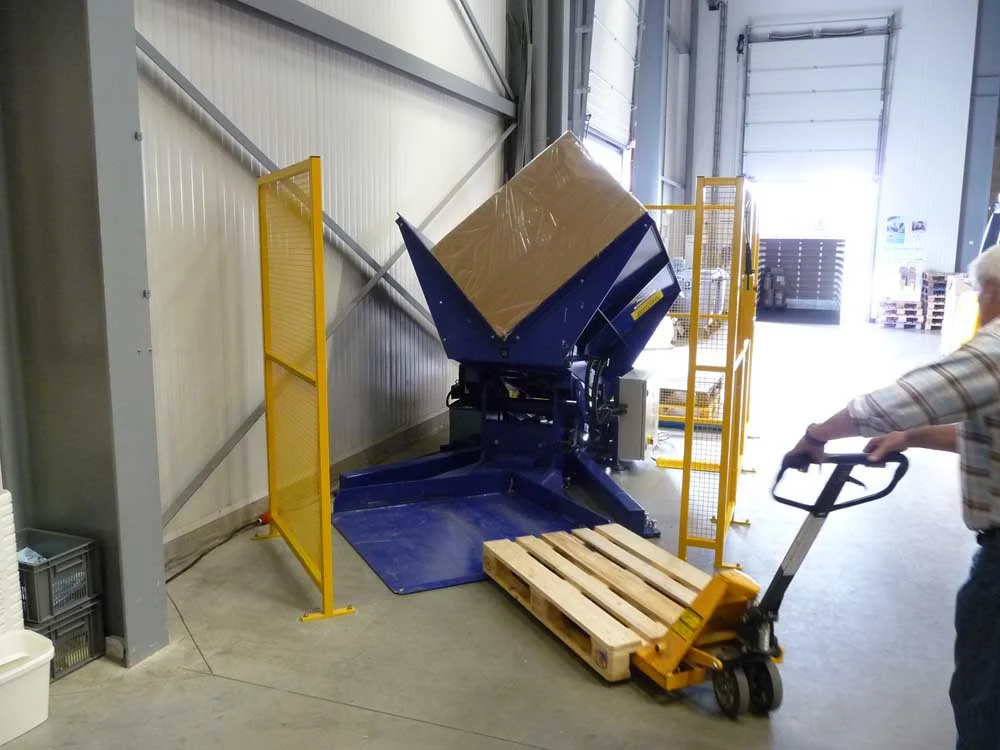
With pre-installation checks completed, the next phase involves the physical installation of the pallet inverter, focusing on guard assembly and electrical connections.
Guard Installation: Prioritizing Safety
Safety guards are integral to pallet inverter operation, protecting personnel from moving parts and potential hazards. Proper guard installation is non-negotiable.
- Pre-Drilled Frames: Guard frames are typically pre-drilled by the manufacturer, ensuring correct alignment during assembly. This pre-drilling simplifies the installation process and minimizes the risk of misalignment.
- Positioning and Assembly: Refer to the pallet inverter instruction manual supplied with the machine for detailed guidance on guard placement. Position the guards in their designated locations around the inverter. Assemble the guard frames using the supplied fasteners, such as M8 fasteners. Loosely fit guard panels at this stage to allow for adjustments.
- Cable Tray Integration: Fit cable trays to the guards as indicated in the instructions. Cable trays aid in organizing and routing cables neatly and safely, preventing tripping hazards and ensuring cables are protected.
- Control Panel Mounting: Position the control panel within the recessed area of the guard, as designed. Refit the bottom plate underneath the control panel to secure it in place.
- Cable Securing: Secure all cables to the cable trays using provided clips and ties. Neat and secure cable management is essential for preventing damage to cables and ensuring reliable electrical connections.
- Floor Anchoring for Guards: Once the guards are positioned and loosely assembled, mark the locations of each guard's feet on the floor. Drill the floor at these marked points to prepare for anchoring the guards.
- Final Guard Securing: Securely fix the guards to the floor boards using M12 floor boards or fasteners as recommended by the manufacturer. After achieving proper alignment of all guard panels, fully tighten every guard panel fastener to create a robust and secure safety enclosure.
- Light Barrier Installation: If the pallet inverter is equipped with light barriers (safety devices that detect intrusions into the guarded area), fit them to the guards using brackets and M6 fasteners in the pre-drilled holes. Ensure the light barrier brackets are centrally positioned for optimal functionality. Connect the light barrier cables and position control panels at the front of the guarded area for easy operator access.
Electrical Connection: Professional and Certified Wiring
Connecting the pallet inverter to the electrical power supply is a critical step that must be performed by a qualified and certified electrician.
- Certified Electrician: Engage a reliable and certified electrician to handle all electrical connections. Improper electrical work can lead to machine malfunction, electrical hazards, and safety risks.
- Main and Control Panel Connection: The electrician will connect the pallet inverter machine to the main electrical panel of the facility and to the machine's control panel. Ensure the electrical connections are made according to the wiring diagrams and specifications provided in the pallet inverter instruction manual and comply with all relevant electrical codes and regulations.
- Motor Rotation Check: After electrical connections are completed, it's essential to check for correct clockwise motor rotation. Incorrect motor rotation can prevent the machine from operating correctly and may cause damage. If necessary, the electrician can reverse the motor connections to achieve the correct rotation direction.
- Functionality and Alignment Check: Following electrical connection, double-check the functionality of the safety guards and light barriers to ensure they are correctly aligned and operating as intended. Verify that all safety interlocks and emergency stop systems are functional.
Post-Installation Checks and Startup: Verifying Operational Readiness

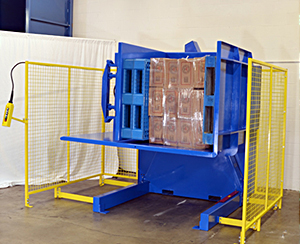
Once the physical and electrical installation is complete, thorough post-installation checks and startup procedures are necessary to confirm the pallet inverter is ready for safe and efficient operation.
Pre-Use Inspection: Visual and Functional Checks
Before the pallet inverter is put into service, a comprehensive pre-use inspection is crucial to identify any errors, irregularities, or deformities that may have occurred during installation.
- Visual Inspection: Conduct a thorough visual inspection of the entire installation and the machine itself. Check for any apparent errors in assembly, misaligned components, or physical deformities. Refer to the pallet inverter instructions to guide your visual inspection.
- Hydraulic Oil Level: Inspect the hydraulic oil level in the tank sight glass. Ensure the oil level is within the recommended range, as indicated in the manual. Also, carefully check for any signs of hydraulic oil leakage around hoses, fittings, and cylinders.
- Debris Clearance: Ensure the area underneath the rotating body of the pallet inverter is completely free of debris. Use a long-handled broom to clean this area, exercising extreme caution and never entering the area under the rotating body at any time.
- Load Placement Check: Verify that the load placement area on the fixed table is clear and that there are no obstructions that could interfere with the proper placement of pallets against the rotating body's side or back walls.
Startup Procedure Verification: Step-by-Step Validation
After the pre-use inspection, follow a structured startup procedure to verify the correct operation of the pallet inverter's systems and safety features.
- Electrical Isolator Activation: Locate the electric isolator, typically situated on the machine's rear panel. Switch the isolator to the ‘ON’ position to power up the machine.
- Start Button and Reset: Press the ‘Start’ button on the control panel. Hold the button until the pump motor starts running and the light barriers reset. Observe the machine's response to the start command.
- Light Barrier Testing: After the motor stops, physically interrupt the top light barrier beam. The motor should stop again, indicating the light barrier is functioning correctly. Repeat this test by breaking the remaining light barrier beams, ensuring the motor stops each time. This verifies the functionality of the light barrier safety system.
- Clamp Operation Check: Test the clamp operation by pressing the ‘Clamp’ and ‘Unclamp’ buttons on the control panel. Observe the clamping mechanism to ensure it engages and disengages smoothly and securely.
- Stop Button Functionality: Test the functionality of the emergency stop button. Press the stop button during a simulated operation (without a load initially). The machine should come to an immediate and complete stop, confirming the emergency stop system is working correctly.
- Control Panel Operation: Refer to the pallet inverter instruction manual to understand the complete operation of the control panel buttons, including ‘Start,’ ‘Clamp,’ ‘Invert,’ ‘Unclamp,’ and ‘Return’ buttons. Familiarize yourself with the sequence of operations for pallet inversion.
Safety and Operational Guidelines: Maintaining a Safe Workflow
Safe operation of a pallet inverter is paramount. Adherence to safety guidelines and proper operator training are essential for preventing accidents and ensuring a safe working environment.
Operator Training: Qualified and Authorized Personnel
Only fully trained and authorized personnel should be permitted to operate the pallet inverter.
- Comprehensive Training Program: Implement a comprehensive training program for all operators. Training should cover machine operation, safety procedures, emergency protocols, and basic troubleshooting.
- Authorization and Certification: Establish a process for authorizing and certifying operators who have successfully completed the training program and demonstrated competency in operating the pallet inverter safely and effectively.
- Safety and Protective Equipment: Ensure operators are equipped with and consistently use appropriate safety and protective equipment, such as safety shoes, gloves, and eye protection, as required by your facility's safety regulations and the pallet inverter manufacturer's recommendations.
Safety Precautions During Operation: Vigilance and Awareness
Maintaining constant vigilance and adhering to safety precautions during operation are critical for preventing accidents.
- Guarded Region Clearance: Before starting the machine every time, always ensure that no personnel are within the guarded region surrounding the pallet inverter. This is a critical pre-operation safety check.
- Maximum Load Capacity: Never exceed the maximum load capacity specified for the pallet inverter. Overloading the machine can lead to equipment damage, product damage, and potentially dangerous situations. Always refer to the specification page in the manual for load capacity limits.
- Correct Load Placement: Ensure loads are always placed correctly on the fixed table and firmly against the rotating body's side or back walls. Improper load placement can cause instability during inversion.
Maintenance and Long-Term Care: Ensuring Longevity and Reliability
Regular maintenance is crucial for ensuring the long-term reliability, safety, and optimal performance of your pallet inverter. A well-maintained machine minimizes downtime and extends its operational lifespan.
Regular Maintenance Schedule: Preventative Measures
Establish and adhere to a regular maintenance schedule, encompassing weekly, monthly, and annual checks and servicing.
- Weekly Maintenance:
- Greasing Moving Parts: Grease all moving parts, including combination bearings, wear plates, and pivot bosses. Proper lubrication reduces friction, wear, and tear, ensuring smooth operation.
- Monthly Maintenance:
- Hydraulic Oil Level Check: Check the hydraulic oil level monthly and replenish it with the instructed grade of oil if necessary. Maintaining the correct oil level is vital for the hydraulic system's performance and longevity.
- Annual Maintenance: A comprehensive annual inspection and maintenance procedure should be performed by trained maintenance personnel. This should include:
- Visual Deformity Examination: Visually examine the entire machine, paying particular attention to tables, the body, and the frame for any noticeable deformities, cracks, or signs of stress.
- Leak Inspection: Inspect valves, hoses, and manifolds for any signs of hydraulic fluid leaks. Address any leaks promptly to prevent fluid loss and potential system malfunctions.
- Electrical Panel and Component Check: Examine electrical panels, clamps, insulation, conduits, hinges, latches, cables, rubber buffers, and light barriers for wear, damage, or loose connections.
- Guard Panel Security: Verify that all guard panels are securely fastened and free from damage. Damaged or loose guards compromise safety.
- Hydraulic System Service: Renew the suction filter and hydraulic oil annually, or as recommended by the manufacturer.
- Motor Cleaning: Clean motor fins and casings to ensure proper cooling and prevent overheating.
- Wear Plate Adjustment: Fine-tune the wear plate as needed to maintain optimal performance and minimize wear.
- Safety Device Reinstallation: After maintenance, ensure that all safety devices, including light barriers and interlocks, are correctly reinstalled and functioning properly.
Safety During Maintenance: Lockout and Tagout Procedures
Maintenance tasks, even routine ones, can present hazards. Strict adherence to safety procedures is essential during all maintenance activities.
- Authorized Personnel Only: Only fully authorized and trained personnel should perform pallet inverter maintenance tasks.
- Lockout/Tagout: Before commencing any maintenance, always switch off and lock the main control panel and the electrical isolator. Implement a proper lockout/tagout procedure to prevent accidental machine start-up during maintenance.
- Chocks for Body Movement Prevention: When adjustments are being carried out, place suitable chocks or supports to prevent the machine body from moving unexpectedly.
- Waste Disposal: Dispose of waste oil and greased rags properly, in accordance with local authority guidelines and environmental regulations.
- Guard Panel Reinstallation: After completing maintenance tasks, ensure that any guard panels that were removed are securely replaced before returning the pallet inverter to operation.
- Reporting Malfunctions: If the machine stops or malfunctions suddenly, report this to the manufacturer or authorized service provider immediately. Do not attempt to repair complex malfunctions without proper training and authorization.
- Light Barrier Adjustment Avoidance: Avoid adjusting the light barriers unless specifically instructed to do so by the manufacturer. Light barriers are critical safety components, and improper adjustments can compromise their effectiveness.
- No Tampering or Unauthorized Adjustments: Never tamper with or adjust the pallet inverter in any way that is not explicitly authorized by the manufacturer. Unauthorized modifications can void warranties and create safety hazards.
- Intended Use Only: Never use the pallet inverter for any function other than what it is designed for. Misusing the machine can lead to damage, accidents, and void warranties.
Conclusion: Investing in Proper Installation for Long-Term Value
Proper pallet inverter installation is not merely a setup procedure; it is an investment in operational efficiency, workplace safety, and the longevity of your equipment. By meticulously considering pre-installation factors, following step-by-step installation guidelines, implementing thorough post-installation checks, and adhering to safety and maintenance protocols, businesses can unlock the full potential of pallet inverters. This careful approach ensures a smooth integration into material handling systems, maximizes return on investment, and fosters a safer and more productive working environment. Prioritizing these key considerations from the outset will pave the way for years of reliable and efficient pallet inverter operation, contributing significantly to your organization's success.