

How to Optimize Pallet Inverter Performance for Different Load Types?
Maximize pallet inverter performance by tailoring settings and features to specific load types. For fragile items, use gentle clamp pressure and slow rotation. For heavy loads, ensure sufficient capacity and robust clamping. Optimize cycle times by adjusting speed based on load stability. Proper training and regular maintenance are crucial for consistent, efficient, and safe operation across diverse load profiles.
In today's fast-paced industrial landscape, optimizing warehouse operations is crucial for maintaining a competitive edge. Pallet inverters stand out as indispensable tools for enhancing efficiency and safety in material handling. These versatile machines are designed to rotate or flip pallet loads, offering significant advantages in various industrial settings. However, to truly unlock their potential, understanding how to optimize pallet inverter performance for different load types is paramount. This article delves into the strategies and considerations for maximizing the effectiveness of pallet inverters across a spectrum of load characteristics, ensuring seamless operations and protecting your valuable inventory.
Understanding the Versatility of Pallet Inverters


Pallet inverters are more than just machines; they are a strategic asset in modern material handling. Their core function – to rotate or flip pallet loads – addresses numerous operational needs, from efficient pallet exchange to accessing damaged goods at the bottom of a stack. By eliminating manual handling, pallet inverters significantly reduce labor costs, minimize product damage, and enhance workplace safety.
Whether you operate in the food and beverage industry, pharmaceuticals, manufacturing, or distribution, pallet inverters offer tailored solutions. They come in various configurations, including stationary and portable models, each designed to meet specific operational demands and space constraints. Understanding these different types and their capabilities is the first step towards optimizing performance for diverse load types.
Stationary vs. Portable Pallet Inverters: Choosing the Right Fit
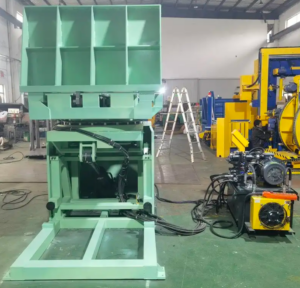
The choice between stationary and portable pallet inverters hinges on your operational needs and facility layout.
Stationary Pallet Inverters: These robust machines are designed for high-volume, heavy-duty applications in a fixed location. Their benefits include:
- High Load Capacity: Stationary models are built to handle substantial weight, ideal for industries dealing with bulk goods.
- Enhanced Efficiency: They offer rapid and seamless pallet inversion, streamlining processes and saving time.
- Customization: Stationary inverters can be tailored to accommodate specific pallet sizes and operational requirements.
- Improved Safety: Equipped with robust safety features, they provide a secure working environment for operators.
Portable Pallet Inverters: Offering mobility and flexibility, portable inverters are ideal for operations requiring pallet handling in multiple locations within a facility. Key advantages include:
- Mobility and Versatility: Wheels or casters allow for easy relocation, adapting to changing operational needs.
- Space Optimization: No dedicated inversion area is needed, maximizing warehouse space utilization.
- Quick and Easy Operation: User-friendly controls ensure efficient handling without extensive training.
- Cost-Effectiveness: Often a more affordable solution for businesses with less frequent inversion needs.
Selecting the right type of pallet inverter is crucial for optimizing performance. Stationary models excel in fixed, high-throughput environments, while portable models offer adaptability for dynamic warehouse layouts.
Optimizing Performance Based on Load Types
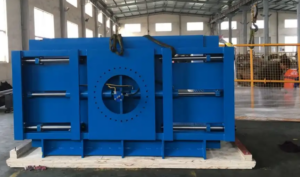

The true power of a pallet inverter lies in its ability to handle a wide array of load types effectively. However, achieving optimal performance requires a nuanced approach, tailoring inverter settings and operational procedures to the specific characteristics of the load.
1. Fragile and Delicate Loads:
Handling fragile items, such as glass products, pharmaceuticals, or delicate electronics, demands utmost care. Optimization strategies include:
- Gentle Clamping Pressure: Adjust the clamping mechanism to apply minimal pressure, securing the load without causing damage. Many modern inverters offer adjustable clamp pressure settings for this purpose.
- Slow Rotation Speed: Reduce the rotation speed to minimize inertia and prevent shifting or impact damage during inversion.
- Cushioned Clamping Surfaces: Consider inverters with rubber or padded clamping surfaces to provide an extra layer of protection.
- Visual Inspection: Before and after inversion, visually inspect fragile loads for any signs of stress or damage.
2. Heavy and Dense Loads:
Inverting heavy loads, such as metal components, construction materials, or dense food products, requires robust inverter capacity and secure clamping. Key optimization points:
- Capacity Matching: Ensure the pallet inverter's load capacity exceeds the maximum weight of your heaviest pallets. Overloading can lead to equipment damage and safety hazards.
- Robust Clamping Mechanism: Utilize inverters with heavy-duty clamping systems designed to securely hold dense loads during rotation.
- Stable Base: Ensure the inverter is placed on a level and stable surface to prevent tipping or instability during operation.
- Slow and Controlled Movements: While speed is important, prioritize controlled, steady movements to manage the inertia of heavy loads effectively.
3. Irregularly Shaped and Unstable Loads:
Loads that are not uniformly shaped or are inherently unstable, like bags of powder, stacks of lumber, or oddly shaped containers, present unique challenges. Optimization strategies include:
- Adjustable Clamping Configurations: Utilize inverters with adjustable clamps that can be configured to conform to irregular shapes and provide even pressure distribution.
- Load Securing Straps or Nets: For highly unstable loads, consider using additional straps or nets in conjunction with the clamping mechanism to provide extra security.
- Slow and Deliberate Operation: Operate the inverter at slower speeds and with extra caution to maintain load stability throughout the inversion process.
- Test Runs: For new or particularly challenging loads, perform test runs at reduced speeds to ensure stability and identify any potential issues before full operation.
4. Food and Beverage Loads:
The food and beverage industry often requires pallet inversion for tasks like transferring goods to hygienic pallets or accessing specific batches. Optimization in this sector focuses on:
- Hygienic Design: Opt for inverters designed with cleanability in mind, featuring smooth surfaces and materials that are easy to sanitize, especially for direct food contact applications.
- Gentle Handling: Maintain gentle handling practices, similar to fragile loads, to prevent damage to packaged food and beverage products.
- Temperature Considerations: In cold storage environments, ensure the inverter is rated for low-temperature operation and that hydraulic fluids are suitable for cold conditions.
- Compliance Standards: Adhere to industry-specific hygiene and safety standards relevant to food and beverage handling.
5. Pharmaceutical and Medical Loads:
Similar to food and beverage, the pharmaceutical and medical industries demand stringent hygiene and careful handling. Optimization focuses on:
- Cleanroom Compatibility: For cleanroom environments, select inverters designed and certified for cleanroom use, minimizing particle generation and contamination risks.
- Ultra-Gentle Handling: Pharmaceuticals are often highly sensitive; prioritize extremely gentle clamping and rotation to prevent any product compromise.
- Traceability Features: In some pharmaceutical applications, traceability is critical. Consider inverters with features that can integrate with tracking systems to maintain a chain of custody.
- Regulatory Compliance: Ensure compliance with stringent pharmaceutical regulations and guidelines for material handling and product integrity.
Key Considerations for Load Type Optimization
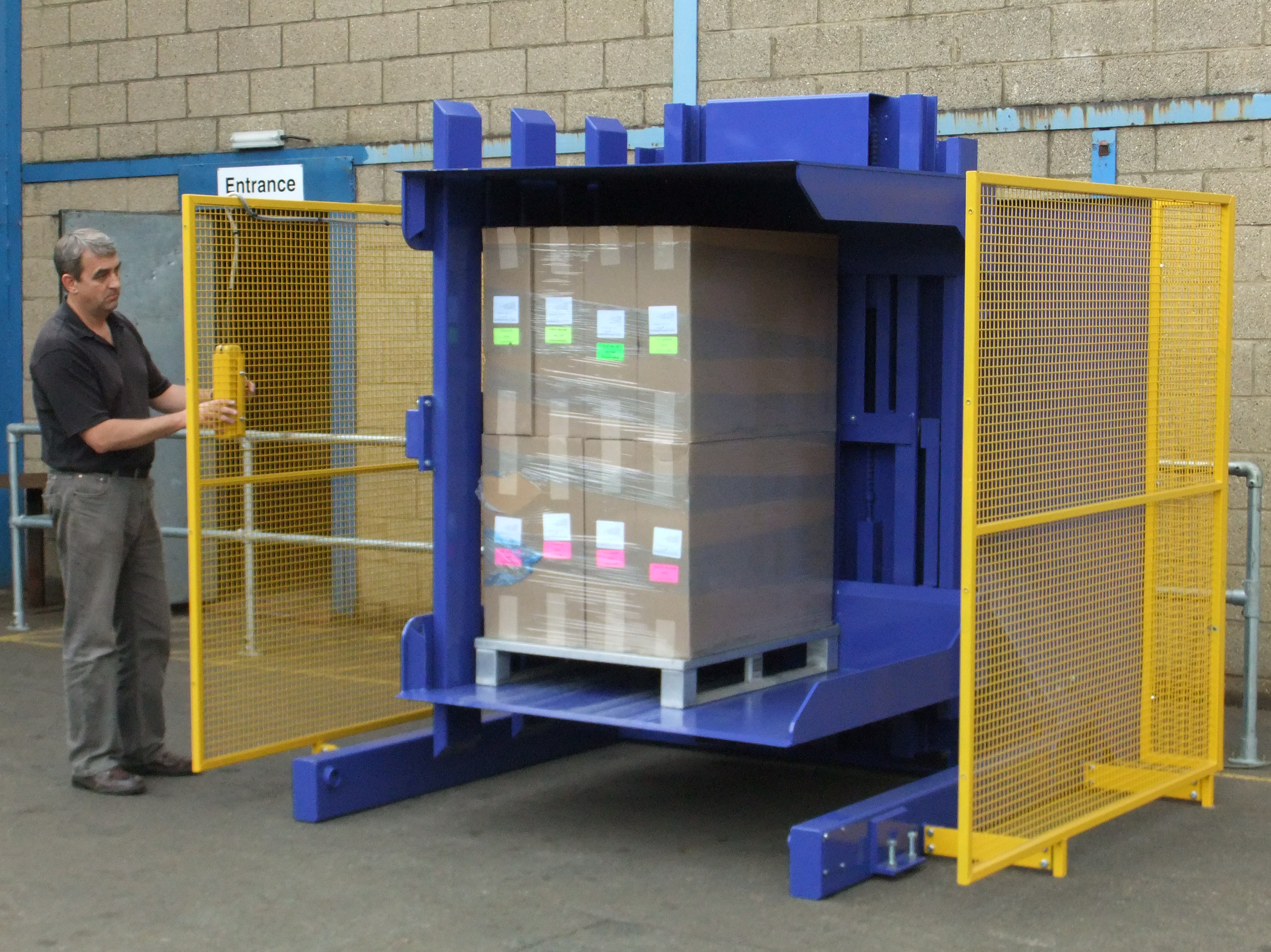
Beyond load-specific settings, several overarching factors contribute to optimizing pallet inverter performance for different load types:
- Operator Training: Properly trained operators are essential. Training should cover safe operating procedures, load-specific adjustments, emergency protocols, and routine maintenance tasks.
- Regular Maintenance: Consistent maintenance, including inspections, lubrication, and hydraulic system checks, ensures the inverter operates reliably and safely across all load types.
- Pre-Operation Checks: Before each operation, conduct a visual inspection of the inverter and ensure all safety features are functional. Verify that the clamping mechanism is properly adjusted for the intended load.
- Clear Operating Procedures: Establish clear, written operating procedures that outline load-specific settings and handling guidelines. Make these procedures readily accessible to operators.
- Continuous Improvement: Regularly review pallet inverter performance and operator feedback to identify areas for further optimization and refinement of procedures.
Conclusion: Achieving Peak Pallet Inverter Performance
Optimizing pallet inverter performance for different load types is not merely about speed; it's about achieving a balance of efficiency, safety, and product protection. By understanding the characteristics of various loads and tailoring inverter settings and operational practices accordingly, businesses can unlock the full potential of these invaluable machines.
Investing in the right type of pallet inverter, providing comprehensive operator training, and implementing load-specific optimization strategies will result in significant gains in warehouse efficiency, reduced operational costs, and a safer working environment. Ultimately, mastering the art of load-type optimization transforms pallet inverters from mere equipment into strategic assets that drive operational excellence and contribute to a more resilient and profitable supply chain.
By focusing on these tailored approaches, businesses can ensure their pallet inverters operate at peak performance, regardless of the load type, maximizing their investment and driving significant improvements in material handling operations.