

How to Enhance Pallet Inverter Performance with Regular Maintenance?

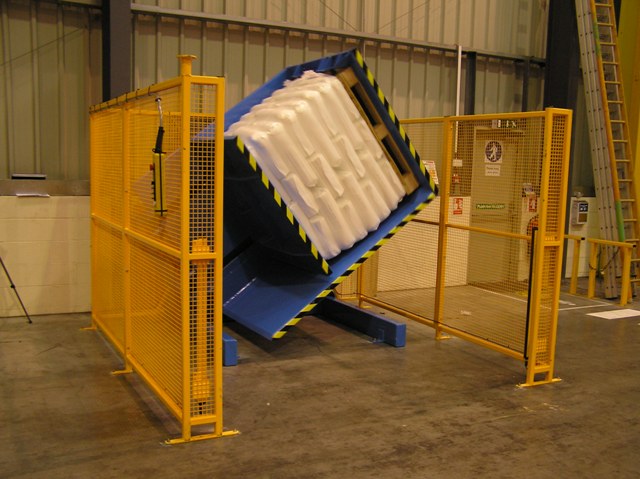
Want to maximize your pallet inverter's performance and lifespan? Regular maintenance is key. Simple steps like lubrication, cleaning, and inspections can prevent costly breakdowns and downtime. This article dives into essential maintenance practices to optimize your pallet inverter's efficiency, ensuring smooth operations and a strong ROI for your material handling investment. Discover how proactive care keeps your equipment running at peak performance.
The Unsung Hero of Warehouse Efficiency: Your Pallet Inverter

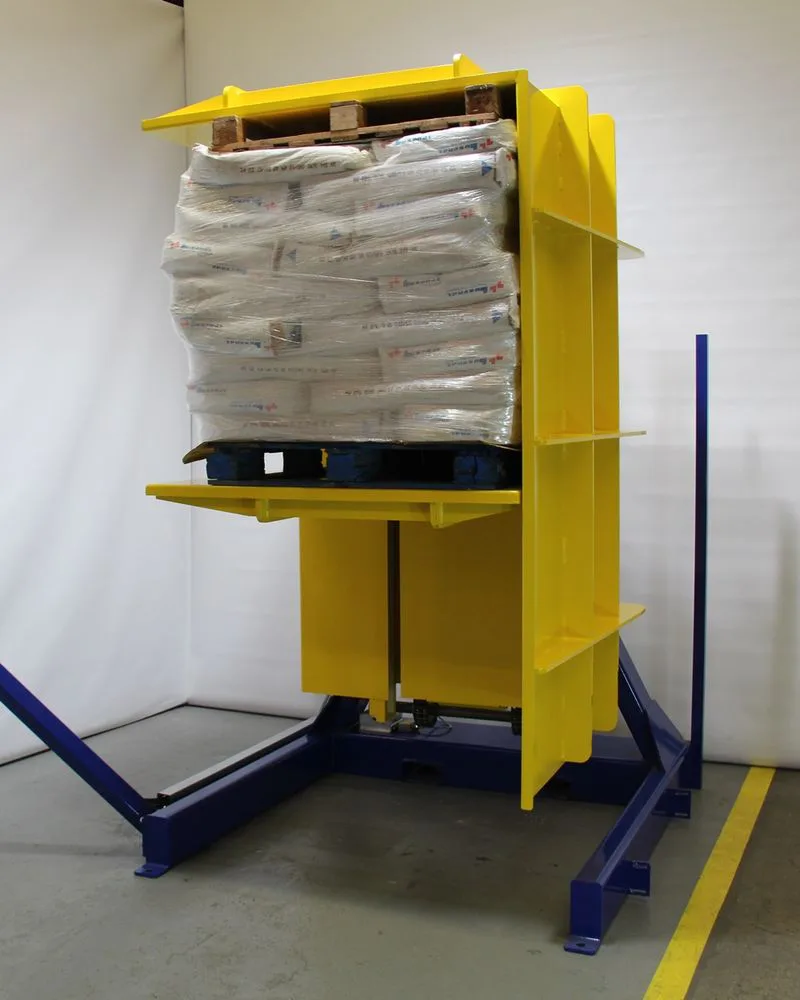
In today's fast-paced logistics and manufacturing environments, pallet inverters are indispensable. These robust machines streamline operations by safely and efficiently rotating or flipping pallet loads, eliminating manual handling, reducing product damage, and optimizing warehouse space. They are the workhorses behind smooth material flow, yet, like any critical equipment, their peak performance hinges on consistent and diligent maintenance. Neglecting this crucial aspect can lead to decreased efficiency, costly repairs, and disruptive downtime – impacts no business can afford.
Why Regular Maintenance is Non-Negotiable for Pallet Inverters

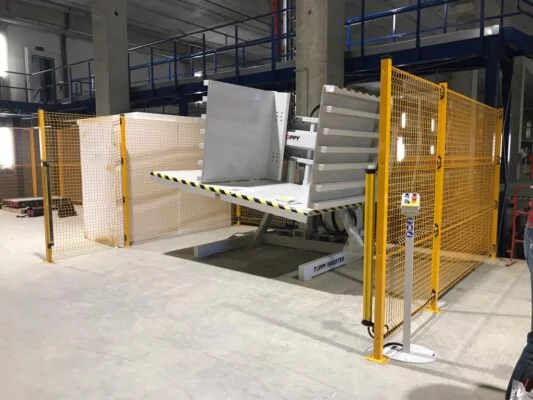
Imagine your pallet inverter as a high-performance vehicle. Regular servicing – oil changes, tire rotations, and tune-ups – is essential to keep it running smoothly and reliably. The same principle applies to pallet inverters. Regular maintenance isn't just about fixing problems when they arise; it's about proactively preventing them in the first place.
The Cost of Neglect: Skipping maintenance might seem like a short-term cost-saving measure, but it's a false economy. Ignoring routine checks and upkeep can lead to:
- Increased Downtime: Unexpected breakdowns can halt operations, leading to significant delays and missed deadlines. Downtime translates directly into lost productivity and revenue.
- Costly Repairs: Small issues, if left unaddressed, can escalate into major malfunctions requiring expensive repairs or even complete equipment replacement.
- Reduced Lifespan: Lack of maintenance accelerates wear and tear, shortening the operational life of your pallet inverter and diminishing your return on investment.
- Safety Hazards: Malfunctioning equipment can pose safety risks to operators and damage to goods, leading to potential accidents and liabilities.
- Decreased Efficiency: An unmaintained pallet inverter will operate less efficiently, consuming more energy and taking longer to complete tasks, impacting overall throughput.
The ROI of Proactive Care: Conversely, a consistent maintenance schedule delivers significant returns:
- Peak Performance: Regular maintenance ensures your pallet inverter operates at its optimal capacity, maximizing efficiency and throughput.
- Extended Lifespan: Proactive care prolongs the life of your equipment, protecting your investment and delaying costly replacements.
- Reduced Downtime: Preventative maintenance minimizes the risk of unexpected breakdowns, keeping your operations running smoothly and predictably.
- Minimized Repair Costs: Catching and addressing minor issues early prevents them from turning into major, expensive problems.
- Enhanced Safety: Well-maintained equipment is safer to operate, protecting your workforce and minimizing the risk of accidents.
- Improved ROI: By minimizing downtime, extending lifespan, and optimizing performance, regular maintenance significantly enhances the overall return on your pallet inverter investment.
Your Pallet Inverter Maintenance Checklist: Key Areas to Focus On

To ensure your pallet inverter operates at peak performance and enjoys a long lifespan, a structured maintenance plan is essential. Here's a breakdown of key areas to include in your regular maintenance checklist:
1. Lubrication: Keeping Things Moving Smoothly
Lubrication is the lifeblood of any mechanical system with moving parts, and pallet inverters are no exception. Friction is a major enemy, leading to wear and tear, increased energy consumption, and eventual component failure.
Why Lubricate?
- Reduces Friction: Lubrication minimizes friction between moving parts, allowing for smoother operation and reduced wear.
- Prevents Wear and Tear: By minimizing friction, lubrication significantly reduces wear and tear on critical components, extending their lifespan.
- Dissipates Heat: Lubricants help dissipate heat generated by friction, preventing overheating and potential damage.
- Protects Against Corrosion: Some lubricants also provide a protective layer against corrosion, safeguarding components from environmental damage.
How to Lubricate:
- Identify Lubrication Points: Consult your pallet inverter's manual to identify all lubrication points, including bearings, gears, chains, and hydraulic cylinders.
- Choose the Right Lubricant: Use the lubricant type recommended by the manufacturer. Using the wrong lubricant can be ineffective or even damaging.
- Regular Application: Establish a lubrication schedule based on the manufacturer's recommendations and your operating environment. High-usage environments may require more frequent lubrication.
- Proper Application Techniques: Apply lubricant correctly, ensuring adequate coverage without over-lubricating, which can attract dirt and debris.
2. Cleaning: Removing Obstacles to Performance
Dust, dirt, debris, and product spillage are common in warehouse and manufacturing environments. These contaminants can accumulate on pallet inverters, hindering their performance and potentially causing damage.
Why Clean?
- Prevents Debris Buildup: Cleaning removes dirt and debris that can obstruct moving parts, sensors, and hydraulic systems.
- Improves Cooling: Accumulated dirt can insulate components, hindering heat dissipation and potentially leading to overheating.
- Facilitates Inspection: A clean machine is easier to inspect for wear and tear, leaks, and other potential issues.
- Maintains Hygiene: In industries like food and pharmaceuticals, regular cleaning is crucial for maintaining hygiene standards and preventing contamination.
How to Clean:
- Regular Cleaning Schedule: Establish a cleaning schedule based on your operating environment. Dusty or dirty environments will require more frequent cleaning.
- Appropriate Cleaning Methods: Use appropriate cleaning methods, such as brushing, wiping, vacuuming, or compressed air, depending on the type of debris and the area being cleaned.
- Avoid Harsh Chemicals: Avoid using harsh chemicals or abrasive cleaners that can damage paint, seals, or sensitive components.
- Focus on Critical Areas: Pay special attention to cleaning sensors, hydraulic cylinders, clamping mechanisms, and moving parts.
3. Inspection: Your Eyes and Ears on Equipment Health
Regular inspections are crucial for identifying potential problems early before they escalate into major issues. Think of inspections as regular health check-ups for your pallet inverter.
Why Inspect?
- Early Problem Detection: Inspections allow you to identify signs of wear and tear, loose components, leaks, or other issues in their early stages.
- Preventative Action: Early detection enables timely preventative action, minimizing the risk of breakdowns and costly repairs.
- Safety Assurance: Inspections help identify potential safety hazards, ensuring a safer working environment.
- Performance Monitoring: Inspections can reveal subtle performance degradation that might not be immediately noticeable during normal operation.
What to Inspect:
- Visual Inspection: Regularly visually inspect the entire pallet inverter for signs of wear, damage, leaks, loose components, or corrosion.
- Hydraulic System: Check for hydraulic leaks, hose damage, and proper fluid levels. Listen for unusual noises from the hydraulic pump.
- Motor and Electrical System: Inspect wiring for damage or fraying, check connections for tightness, and listen for unusual motor noises.
- Clamping Mechanism: Ensure the clamping mechanism is operating smoothly and securely, and check for wear or damage to clamping pads or arms.
- Safety Devices: Regularly test emergency stop buttons, safety guards, and interlocks to ensure they are functioning correctly.
4. Calibration: Ensuring Accuracy and Safety
Calibration is essential for ensuring that your pallet inverter operates accurately and safely, especially when dealing with sensitive or valuable loads.
Why Calibrate?
- Accurate Rotation: Calibration ensures the pallet inverter rotates loads accurately to the desired angle, preventing product damage and ensuring proper handling.
- Safe Load Handling: Proper calibration is crucial for safe load handling, ensuring the inverter can securely and accurately rotate the intended weight.
- Consistent Performance: Calibration helps maintain consistent performance over time, preventing drift and ensuring reliable operation.
How to Calibrate:
- Follow Manufacturer's Guidelines: Calibration procedures vary depending on the pallet inverter model. Always refer to the manufacturer's manual for specific instructions.
- Regular Calibration Intervals: Establish regular calibration intervals based on the manufacturer's recommendations and your operating environment. High-usage or critical applications may require more frequent calibration.
- Professional Calibration: For complex calibration procedures or if you lack the necessary expertise, consult a professional technician specializing in pallet inverter maintenance.
Addressing Common Pallet Inverter Issues: Troubleshooting and Repair
Even with diligent maintenance, pallet inverters can occasionally encounter issues. Being aware of common problems and knowing how to troubleshoot them can minimize downtime and facilitate swift repairs. However, it's crucial to remember that complex repairs should always be handled by qualified professionals.
Common Issues:
- Hydraulic System Failure: The hydraulic system is the powerhouse of most pallet inverters. Failures can manifest as slow or weak operation, jerky movements, or complete system shutdown. Common causes include leaks, pump failures, valve malfunctions, or low hydraulic fluid.
- Motor Failure: The motor drives the hydraulic pump or other mechanical components. Motor failure can result in complete equipment stoppage. Causes can include electrical issues, overheating, bearing failure, or wear and tear.
- Electrical Issues: Electrical problems can range from simple wiring faults to complex control system malfunctions. Symptoms can include intermittent operation, error codes, or complete electrical failure.
Troubleshooting Steps (Basic):
- Visual Inspection: Start with a thorough visual inspection for obvious signs of damage, leaks, or loose connections.
- Check Fluid Levels: For hydraulic issues, check the hydraulic fluid level and look for leaks.
- Examine Electrical Connections: Check wiring connections for tightness and signs of corrosion or damage.
- Consult Error Codes: If your pallet inverter has a display, note any error codes and consult the manual for troubleshooting guidance.
When to Call a Professional:
- Complex Hydraulic Issues: Hydraulic system repairs often require specialized tools and expertise. If you suspect a major hydraulic problem, consult a professional.
- Motor Repairs: Motor repairs, especially internal repairs, should typically be handled by qualified technicians.
- Electrical System Faults: Troubleshooting and repairing electrical systems can be complex and potentially dangerous. Seek professional help for electrical issues beyond simple visual checks.
Toppy Service and Support: For comprehensive service and support, consider partnering with manufacturers like Toppy, who offer expert technicians, on-site repairs, remote support, and training programs. Their expertise ensures that your pallet inverter is maintained and repaired to the highest standards.
Conclusion: Investing in Maintenance for Long-Term Performance and Value
Enhancing pallet inverter performance isn't a complex undertaking; it's a matter of consistent, proactive care. Regular maintenance, encompassing lubrication, cleaning, inspection, and calibration, is the cornerstone of optimal performance, extended lifespan, and a strong return on investment. By prioritizing these essential practices, you safeguard your equipment, minimize downtime, enhance safety, and ensure your pallet inverter continues to be the unsung hero of your warehouse efficiency for years to come. Don't underestimate the power of regular maintenance – it's the key to unlocking the full potential of your pallet inverter and maximizing its contribution to your operational success.