
What Are the Costs Involved in Installing an Automatic Coil Packing Line?
As a factory manager, you know that every minute of production downtime is money lost. You stare at the bottleneck at the end of your line—the slow, manual packing of steel coils—and you feel the pressure. The costs of inefficiency, safety incidents, and product damage are adding up. You know automation is the answer, but the big question looms: what is the real price tag for a solution? The initial machine quote is just one piece of the puzzle. The total investment involves a complex web of direct and indirect costs that can make or break your project's ROI. Understanding this full financial picture is the first critical step toward making a smart, profitable decision for your metal processing plant. (automatic coil packing line investment cost)
The total cost of installing an automatic coil packing line extends far beyond the initial equipment price. It is a comprehensive investment that includes the machine purchase, essential auxiliary systems, installation and commissioning fees, ongoing operational expenses, and potential financing costs. A thorough cost-benefit analysis that projects long-term savings in labor, safety, and material waste is essential for calculating the true return on investment (ROI) and justifying the capital expenditure. (automatic steel coil packaging system total cost of ownership)

Many managers get stuck looking only at the sticker price of the main strapping machine. This narrow focus can lead to budget overruns and failed projects. The real value—and the real cost—lies in viewing the installation as a complete system integration into your specific workflow. Let's break down each cost layer, from the concrete hardware expenses to the softer, often overlooked financial impacts. This detailed guide will help you build an accurate budget and partner with the right supplier to ensure your investment delivers the efficiency and safety gains you desperately need.
1. What is the Upfront Cost of the Core Packing Equipment?
You receive a quotation for an "automatic coil packing machine." The number might seem high, but what exactly are you paying for? This upfront cost is the most visible part of the investment and covers the heart of your new packaging operation. It's not just a single machine; it's a precision-engineered system designed to handle the demanding environment of a metal processing plant. The price varies significantly based on the level of automation, throughput capacity, and the robustness required for your specific coil dimensions and weights. (coil packing machine price upfront cost)
The upfront cost primarily covers the purchase of the core automatic strapping and handling equipment. This includes the main strapping head unit, the coil conveyor or turntable system, and the programmable logic controller (PLC). For a fully automated line from a reputable manufacturer like Fengding, this core equipment package forms the foundation of your investment, with prices scaling according to features like automatic coil centering, multi-strap application, and integration readiness. (automatic steel coil strapper purchase price)

🔍 Breaking Down the Core Equipment Cost Components
To understand the quote, you must dissect it. A reputable supplier will provide a transparent breakdown.
| Cost Component | Description | Impact on Price & Why It Matters |
|---|---|---|
| Strapping Unit & Head | The mechanism that applies and tensions the steel or plastic strap. | A high-tension head for heavy coils costs more. It defines the pack's security. |
| Coil Handling System | Conveyors, lifts, or turntables that position the coil for strapping. | Motorized, adjustable systems for various coil sizes add cost but crucial for flexibility. |
| Control System (PLC/HMI) | The industrial computer and touchscreen that operates the line. | A sophisticated PLC allows for complex sequences and future integration, adding value. |
| Machine Frame & Build | The structural steel and welding that forms the machine body. | Heavy-duty fabrication for 24/7 operation increases price but ensures decades of service. |
| Brand & Manufacturer | The reputation and origin of the equipment maker. | Premium brands like Fengding command a higher price due to proven reliability and support. |
💡 The Automation Level is a Key Price Driver:
- Semi-Automatic Lines: Require an operator to initiate each cycle or position the coil. Lower upfront cost, but higher long-term labor cost.
- Fully Automatic Lines: Integrate with upstream conveyors. The coil is detected, positioned, strapped, and discharged without manual intervention. Higher upfront cost, but delivers maximum labor savings and speed.
⚙️ Don't Forget the "Must-Have" Options: The base quote might not include critical items for your plant:
- Different Strap Materials: Switching from plastic to steel strapping may require a different head and sealer.
- Coil Weight & Size Range: Machines built for 30-ton coils are fundamentally different (and more expensive) than those for 3-ton coils.
- Environmental Sealing: If your plant is dusty or has humidity, IP-rated electrical components add cost but prevent failures.
The goal is not to find the cheapest machine, but the one with the right specifications for your duty cycle. A machine that is underbuilt for your needs will fail quickly, making its low price a very expensive mistake. Investing in robust core equipment from a trusted partner is the most important cost decision you will make. (cost of heavy duty coil packing equipment)
2. What are the Hidden Costs of Auxiliary Systems and Installation?
The machine arrives at your dock. Now what? This is where "hidden" costs emerge—expenses not in the initial equipment quote but absolutely necessary to make the line operational. Failing to budget for these can stall your entire project. These costs cover everything needed to give the machine power, air, and a stable foundation, and to physically integrate it into your production flow. (hidden costs automatic packaging line installation)
Beyond the main machine, significant costs arise for auxiliary systems and professional installation. This includes foundational work like reinforced concrete pits or platforms, utility connections (electrical, pneumatic, safety circuits), necessary peripheral equipment (strap dispensers, dust collectors), and the fees for factory-trained engineers to perform commissioning and operator training. These expenses can easily add 20% to 40% to the base equipment cost. (coil packing line installation commissioning fees)
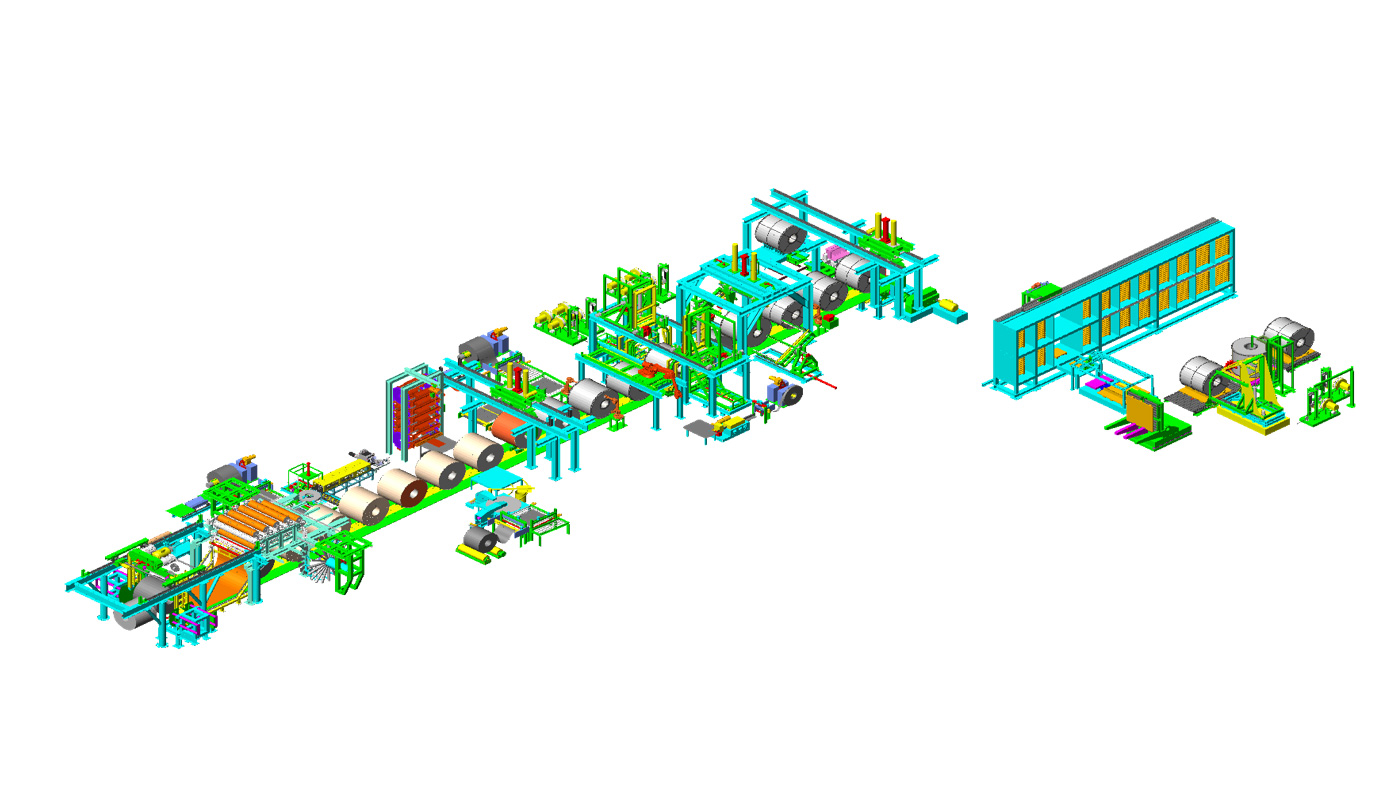
🏗️ The Installation & Integration Cost Checklist
Think of this as the "birth" of your new production line. It requires careful planning and skilled labor.
1. Site Preparation & Civil Works:
- Foundation: Most heavy-duty lines need a solid, leveled concrete foundation, often with anchor bolts cast in place. This requires excavation and curing time.
- Pits & Conveyor Integration: If the line includes a pit for a turntable or needs to connect to floor-level conveyors, construction costs rise.
- Utility Paths: You need to run conduit for power and pipes for compressed air from your plant's main lines to the machine location.
2. Utility Hookup Costs:
- Electrical: A high-power machine may require a new dedicated circuit from your transformer, involving an electrician's labor and materials (cable, breakers).
- Pneumatic: You need a clean, dry air supply at the correct pressure and flow. This may require installing new filters, regulators, and lubricators (FRL units).
- Safety Circuit Integration: Connecting the machine's emergency stops and safety gates to your plant's main safety system is a non-negotiable cost for compliance.
3. Peripheral & Support Equipment:
- Strap Storage & Dispensing: You'll need a rack or reel holder for the strap coils. For automatic feeding, a dispenser system adds cost.
- Dust/Fume Extraction: The strapping process can generate particles. A local exhaust system might be needed for worker health and cleanliness.
- Spare Parts Kit: A initial kit of common wear parts (strapping seals, guide blocks, filters) is a wise upfront purchase to minimize future downtime.
4. Professional Services Fees:
- Installation & Commissioning: The cost for 1-2 engineers from the supplier (e.g., Fengding or Wuxi Bu Hui) to travel to your site, assemble the machine, align it, and test all functions. This is critical for warranty validation.
- Training: Teaching your maintenance and operations team how to use, clean, and perform basic troubleshooting on the new line.
Neglecting these items leads to a machine sitting idle on the factory floor—a capital asset generating zero return. A professional supplier will provide a detailed site requirement document and offer a turnkey installation service to manage these hidden costs transparently. (turnkey coil packing system project cost)
3. What are the Ongoing Operational and Maintenance Costs?
The line is up and running. The efficiency gains are visible. But your cost analysis isn't over. Now you must account for the continuous expenses of keeping the line productive. These ongoing costs determine the long-term profitability of your investment. They replace your old costs (like high manual labor) with new, typically lower and more predictable ones. (operational cost automatic coil packing system)
Ongoing costs include consumables (strapping material), regular preventive maintenance, energy consumption, and potential labor for monitoring. While an automatic line drastically reduces direct packing labor, it introduces new cost categories like scheduled parts replacement and utilities. The key is that these costs are predictable and far lower than the variable, risk-prone costs of a manual operation. (annual maintenance cost coil strapping machine)
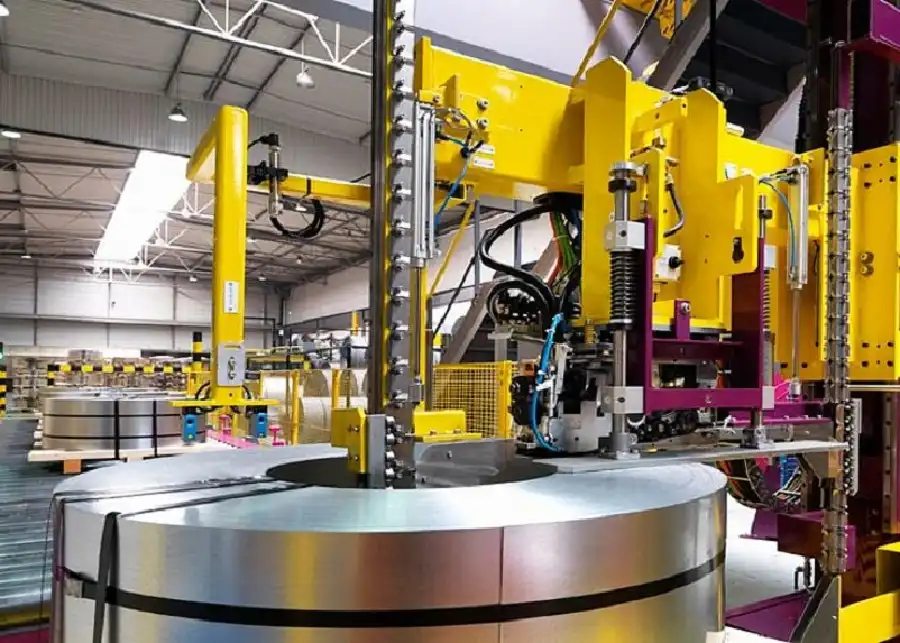
📊 Analyzing the Recurring Cost Centers
Let's project the annual operating budget for your new line.
1. Consumables: The Primary Recurring Cost
- Strapping Material: This is your biggest ongoing expense. The cost depends on material (polypropylene, polyester, or steel), width, and thickness.
- Example Calculation: If a coil requires 4 straps and you produce 50 coils per day, you use 200 strap lengths daily. Price per meter varies, allowing for clear annual material budgeting.
- Seals/Terminals: The metal or plastic clips that join the strap ends. These are small but essential cost items.
2. Preventive Maintenance (PM) Program
A scheduled PM plan prevents catastrophic failure. Costs include:
- Labor: Time for your maintenance staff to perform weekly inspections and monthly services.
- Parts Kit: Annual cost for planned replacement of wear parts. A good supplier like Fengding provides a recommended PM schedule and kit.
- Common Wear Parts: Tensioner bands, guide rollers, sealers, filters, and lubricants.
3. Energy & Utilities
- Electricity: Power for motors, the PLC, and sensors. Modern machines are relatively efficient.
- Compressed Air: Used for pneumatic cylinders and valve actuation. Leaks can inflate this cost, so regular checks are needed.
4. Labor - The Transformed Cost
- Old Model (Manual): 2-3 workers per shift, constant lifting, high fatigue and injury risk, variable speed.
- New Model (Automatic): 1 worker per shift to monitor, load strap reels, and perform basic checks. This person can often oversee other equipment too.
✅ The ROI Becomes Clear Here:
The ongoing cost of automatic operation is fixed and predictable. The cost of manual operation is variable and risky (injuries, slow days, human error). The savings from reduced labor, eliminated product damage, and avoided safety incidents directly pay back the initial investment. The question shifts from "Can we afford this machine?" to "Can we afford not to have this machine, given the ongoing losses of our current method?" (lifecycle cost analysis packaging automation)
4. How Do You Calculate the Total ROI and Justify the Investment?
You have all the cost data: the big upfront number, the installation fees, and the projected yearly operating costs. Now, you must present this to management or ownership. How do you prove this is not just an expense, but a strategic investment? The answer lies in a solid Return on Investment (ROI) calculation that contrasts all costs against all savings and new benefits. (calculate ROI automatic packing line)
*To calculate ROI, you must quantify both the total costs (equipment, installation, operational) and the total financial benefits (labor savings, waste reduction, safety cost avoidance, throughput increase) over a defined period, typically 3-5 years. The formula is: (Total Benefits - Total Costs) / Total Costs 100%. A positive ROI above your company's hurdle rate, coupled with intangible benefits like improved safety and customer satisfaction, provides a compelling justification for the investment.** (justify capital expenditure coil packaging automation)
🧮 Building Your Investment Justification Report
This is your business case. Structure it with clear numbers.
Step 1: Tally the Total Project Cost (Investment)
- A. Core Equipment Purchase: $XXX,XXX
- B. Auxiliary Systems & Installation: $XX,XXX
- C. Year 1 Operational Cost (Consumables, PM): $X,XXX
- Total Initial Outlay (A+B): $XXX,XXX
- Annual Recurring Cost (C): $X,XXX
Step 2: Quantify the Annual Savings & Benefits (Return)
- 1. Direct Labor Savings:
- (Old Labor Cost per Year) - (New Labor Cost per Year) = Annual Savings
- Include wages, benefits, and overhead.
- 2. Product Damage Reduction:
- Estimate the annual cost of coil edge damage from manual handling. A 1% reduction on your product value can be a huge number.
- 3. Safety Incident Cost Avoidance:
- Calculate the average cost of a strain injury (medical, insurance premium increase, lost time). The automatic line virtually eliminates this risk.
- 4. Increased Throughput Revenue:
- If the line removes a bottleneck, allowing you to produce and ship more coils per day, attribute the marginal profit from those additional sales.
- Total Annual Savings (1+2+3+4): $XXX,XXX
Step 3: Perform the ROI Calculation
- Payback Period: Total Initial Outlay / Total Annual Savings. (e.g., $150,000 / $75,000 per year = 2-year payback).
- 3-Year ROI: [(Total Annual Savings 3) - (Total Initial Outlay + (Annual Recurring Cost3))] / Total Initial Outlay.
- 5-Year ROI: Project the savings over a longer horizon, which often looks even more favorable.
Step 4: Present the Intangible (Qualitative) Benefits
These are hard to number but critical for decision-makers:
- ✅ Improved Worker Safety & Morale
- ✅ Consistent, High-Quality Packaging (enhances brand reputation)
- ✅ Scalability for Future Growth
- ✅ Data Collection (modern PLCs can log production counts for OEE tracking)
Partnering with an expert like Fengding, who has helped numerous factories through this exact justification process, provides you with realistic data and case studies to strengthen your proposal. They don't just sell a machine; they provide a business solution with a clear financial path. (financial justification for packaging automation)
Conclusion
Installing an automatic coil packing line is a strategic investment, not a simple purchase. By understanding and planning for all cost layers—from core equipment and installation to ongoing operations—you can build an accurate budget and a compelling ROI case. The right partner, like Fengding, helps you navigate these costs to secure a solution that boosts safety, slashes waste, and delivers a strong return, ultimately future-proofing your factory's competitiveness. Explore a tailored solution for your plant with our Steel Coil Packing Line experts.