

What Are the Best Practices for Operating a Coil Packing Machine?
Are you grappling with damaged coils arriving at your customer's doorstep? Imagine the frustration of rejections and the financial losses from preventable damage. Poor coil packing is a silent profit killer in many industries. But what if you could minimize damage, enhance efficiency, and ensure your coils arrive in perfect condition every time? Mastering the operation of a coil packing machine is the key to transforming your packaging process from a cost center to a competitive advantage.
To achieve optimal performance from a coil packing machine, best practices revolve around consistent maintenance, proper operator training, and strategic operational planning. Regular inspections, lubrication, and timely replacement of worn parts are crucial. Operators should be thoroughly trained on machine functionalities and safety protocols. Strategic planning involves understanding coil specifications, production volume, and integrating the machine effectively into the workflow for maximized efficiency and minimized downtime.
Ready to unlock the full potential of your coil packing machine and safeguard your valuable products? Let's explore the essential best practices that will streamline your operations and deliver superior coil protection.
Strategic Planning for Coil Packing Machine Operation
Implementing a coil packing machine is more than just installing a new piece of equipment; it's about strategically integrating it into your production line for maximum impact. Without a solid plan, you risk underutilizing its capabilities or facing operational bottlenecks. Strategic planning ensures that your coil packing machine becomes a seamless and efficient part of your workflow.
Effective strategic planning for coil packing machine operation involves several key considerations. Firstly, understand your coil specifications: size, weight, material, and fragility. Secondly, assess your production volume to determine the machine's required throughput and automation level. Thirdly, analyze your facility layout to optimize machine placement and material flow. Finally, consider future scalability and integration with other systems for long-term efficiency and adaptability. A well-defined strategic plan is the foundation for successful coil packing machine operation and achieving your desired packaging outcomes.
%[Coil Packing Machine Best Practices]

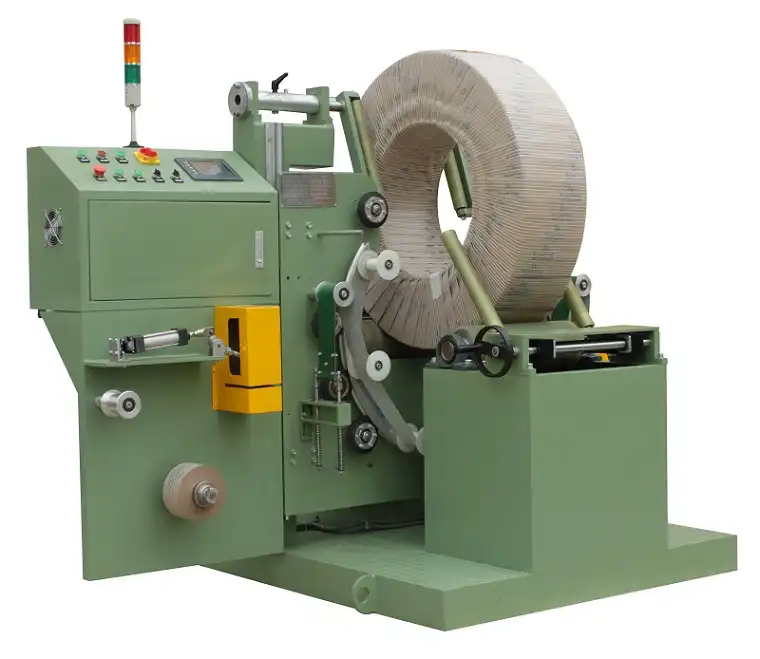
Optimizing Coil Packing Efficiency Through Strategic Planning
Strategic planning for coil packing machine operation is not a one-time event but an ongoing process of evaluation and refinement. It requires a deep dive into your operational needs and a forward-thinking approach to anticipate future demands. To truly optimize efficiency, consider these critical aspects:
1. Coil Specification Analysis: The Foundation of Your Plan
Understanding the coils you handle is paramount. Different coils demand different packing approaches. Consider these factors:
- Dimensions and Weight: Heavier and larger coils may require robust machines with higher load capacities and specialized handling features. Smaller, lighter coils might be suitable for semi-automatic or more compact machines.
- Material Type: Steel, aluminum, copper, and other materials have varying degrees of fragility and susceptibility to damage. Your packing strategy must align with the material properties. For instance, delicate coated coils might need softer wrapping materials and gentler handling.
- Surface Finish: Polished or pre-painted coils require extra care to prevent scratches and abrasions. Edge protectors and specialized wrapping techniques become even more crucial.
- Environmental Factors: If coils are stored outdoors or transported long distances, weather resistance and corrosion protection become significant concerns, influencing your choice of wrapping materials and packing density.
2. Production Volume and Throughput Demands: Matching Machine to Output
Your production volume directly dictates the type and level of automation needed in your coil packing machine.
- Low Volume, High Variety: If you handle diverse coil types in smaller batches, a semi-automatic machine with quick changeover capabilities might be ideal. Operator skill and flexibility are key in this scenario.
- High Volume, Low Variety: For consistent, large-scale production of similar coils, a fully automatic, high-speed line is likely the most efficient solution. Automation minimizes labor costs and maximizes throughput.
- Scalability for Future Growth: Anticipate future production increases. Choose a machine with the capacity to handle projected growth or consider modular systems that can be expanded as needed.
3. Facility Layout and Workflow Integration: Streamlining Material Flow
The physical integration of the coil packing machine into your facility is crucial for operational efficiency.
- Space Optimization: Assess available floor space and choose a machine footprint that fits comfortably without causing congestion. Consider vertical versus horizontal machine configurations based on space constraints.
- Material Handling Integration: Plan how coils will be fed into the machine and removed after packing. Integrate with existing conveyors, cranes, or forklifts for seamless material flow. Automated coil handling systems can significantly reduce manual labor and improve safety.
- Proximity to Other Operations: Position the packing machine strategically within the production line. Locate it near coil production or storage areas to minimize transportation distances and handling time.
4. Automation Level and Technology Integration: Choosing the Right Features
Coil packing machines offer varying degrees of automation and technological sophistication.
- Semi-Automatic vs. Automatic: Semi-automatic machines require more manual operator involvement, typically for loading, unloading, or initiating cycles. Automatic machines minimize manual intervention, enhancing speed and consistency.
- Programmable Logic Controllers (PLCs): PLC-controlled machines offer precise control over wrapping parameters, tension, and speed, ensuring consistent packing quality.
- Sensors and Feedback Systems: Advanced machines incorporate sensors to monitor material tension, overlap, and other critical parameters, automatically adjusting settings for optimal performance.
- Data Logging and Reporting: Some machines offer data logging capabilities, providing insights into production volume, machine uptime, and potential areas for improvement.
To visualize these considerations, consider the following table comparing different machine types and their suitability for various strategic planning factors:
| Feature | Semi-Automatic Machine | Automatic Machine | Best Suited For |
|---|---|---|---|
| Production Volume | Low to Medium | Medium to High | Low variety, high volume or high variety, low volume |
| Coil Variety | High | Low to Medium | High variety, flexible needs or consistent products |
| Automation Level | Partial | Full | Transitioning to automation or maximizing efficiency |
| Space Requirement | Smaller | Larger | Space-constrained facilities or large production areas |
| Operator Skill | Higher | Lower | Operations with skilled labor or aiming for automation |
| Initial Investment | Lower | Higher | Budget-conscious operations or high ROI focus |
| Long-Term Efficiency | Moderate | High | Sustainable operations and long-term cost savings |
By meticulously addressing these strategic planning elements, you can select the right coil packing machine and integrate it effectively into your operations, paving the way for optimized efficiency, reduced damage, and enhanced customer satisfaction. Strategic planning is the blueprint for successful coil packing machine operation.
Daily Operational Best Practices for Coil Packing Machines
Once your coil packing machine is strategically integrated, daily operational best practices become crucial for maintaining peak performance and longevity. These routines are the daily habits that ensure smooth, efficient, and safe operation. Neglecting these practices can lead to decreased efficiency, increased downtime, and potential safety hazards.
Daily operational best practices for coil packing machines center on pre-shift checks, consistent cleaning, and proper machine operation. Before starting each shift, inspect critical components like wrapping material levels, sensor functionality, and safety guards. Regularly clean dust, debris, and lubricant buildup from rollers and moving parts. During operation, adhere to recommended speed settings, monitor material tension, and ensure proper coil alignment. Consistent daily routines are the cornerstone of reliable and efficient coil packing machine operation.
%[Operational Tips Coil Packing Machine]

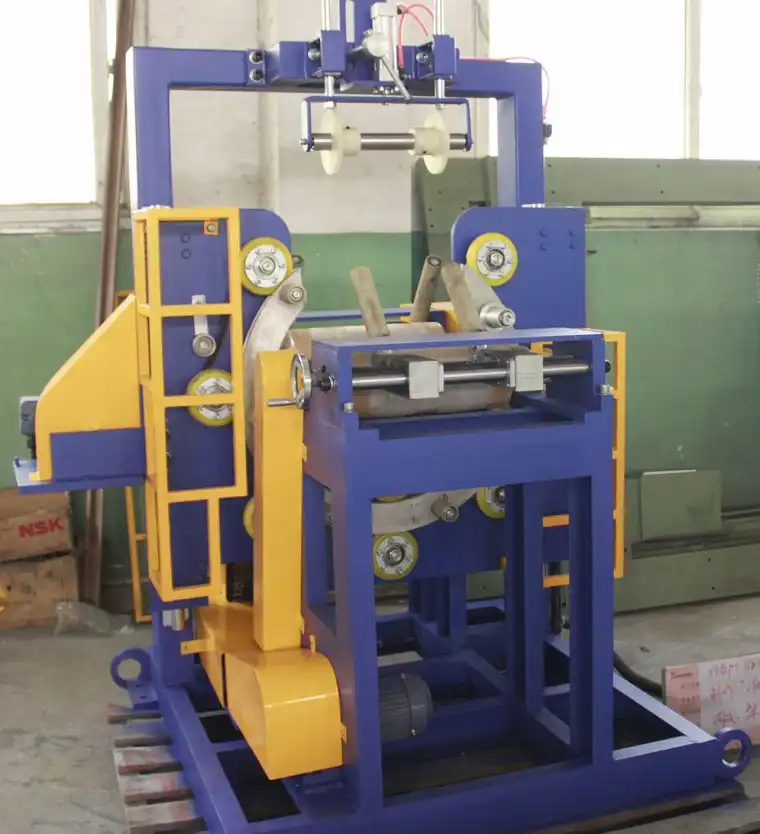
Deep Dive into Daily Coil Packing Machine Operations
Daily operation is where the rubber meets the road. Consistent adherence to best practices not only keeps your machine running smoothly but also extends its lifespan and ensures consistent packing quality. Let's delve into the key areas of daily operational best practices:
1. Pre-Shift Inspection Checklist: Starting the Day Right
A thorough pre-shift inspection is your first line of defense against operational hiccups. Before starting the machine each day, or each shift, perform these checks:
- Wrapping Material Levels: Ensure sufficient supply of wrapping film, paper, or other materials. Replenish as needed to avoid interruptions during production runs.
- Lubrication Points: Check lubrication levels in designated reservoirs and grease points. Apply lubricant as per manufacturer recommendations. Proper lubrication minimizes friction and wear on moving parts.
- Sensor Functionality: Visually inspect sensors for cleanliness and proper alignment. Test sensor responsiveness if possible (refer to machine manual for specific procedures). Malfunctioning sensors can lead to incorrect wrapping parameters or machine stoppages.
- Safety Guards and Interlocks: Confirm that all safety guards, covers, and interlock systems are in place and functioning correctly. Never operate the machine with safety features disabled or removed.
- Emergency Stop Buttons: Verify the functionality of all emergency stop buttons. Ensure they are easily accessible and can immediately halt machine operation in case of emergencies.
- Air Pressure and Pneumatic Systems (if applicable): Check air pressure gauges and ensure pneumatic lines are free of leaks. Proper air pressure is essential for pneumatic cylinders and actuators to function correctly.
- Electrical Connections: Visually inspect cables and connections for damage or looseness. Secure any loose connections and report any damaged wiring to maintenance personnel.
2. Consistent Cleaning Regimen: Preventing Performance Degradation
Industrial environments can be dusty and dirty. Regular cleaning prevents buildup that can impair machine performance.
- Roller Cleaning: Clean rollers daily to remove accumulated dust, debris, and lubricant residue. Use a soft cloth or brush and appropriate cleaning solutions recommended by the machine manufacturer. Dirty rollers can lead to uneven wrapping and material slippage.
- Cutting Blades (if applicable): Inspect and clean cutting blades regularly. Sharpen or replace blades as needed to ensure clean and efficient material cutting. Dull blades can cause ragged edges and material waste.
- Sensor Cleaning: Gently clean sensors with a soft, dry cloth to remove dust and contaminants. Avoid using harsh chemicals or abrasive cleaners that could damage sensor surfaces.
- General Machine Wipe Down: Wipe down external surfaces of the machine to remove dust and grime. A clean machine is easier to inspect and maintain, and it also contributes to a safer and more pleasant working environment.
3. Proper Machine Operation: Adhering to Guidelines
Operating the machine within its designed parameters is crucial for efficiency and longevity.
- Recommended Speed Settings: Operate the machine at speeds recommended by the manufacturer for the specific coil type and wrapping material. Excessive speed can lead to material breaks, uneven wrapping, and increased wear and tear.
- Material Tension Monitoring: Continuously monitor material tension during operation. Adjust tension settings as needed to ensure proper wrapping without damaging the coil or stretching the wrapping material excessively.
- Coil Alignment and Feeding: Ensure coils are properly aligned and fed into the machine according to manufacturer guidelines. Misaligned coils can cause jams, uneven wrapping, and machine damage.
- Operator Training and Awareness: Ensure all operators are thoroughly trained on proper machine operation, safety procedures, and troubleshooting basic issues. Regular refresher training is beneficial to maintain operator proficiency.
- Listen for Unusual Noises: Pay attention to any unusual noises, vibrations, or changes in machine performance. These can be early indicators of potential problems that need to be addressed promptly.
By implementing these daily operational best practices, you create a culture of proactive maintenance and efficient operation. These routines minimize downtime, maximize machine lifespan, and ensure consistent, high-quality coil packing day after day. Daily diligence translates to long-term gains in productivity and cost savings.
Maintenance and Longevity of Coil Packing Machines
Coil packing machines, like any industrial equipment, require consistent maintenance to ensure longevity and prevent costly breakdowns. Neglecting maintenance is a short-sighted approach that inevitably leads to decreased performance, increased downtime, and premature machine failure. Proactive maintenance is an investment that pays dividends in the long run.
To maximize the lifespan and operational efficiency of a coil packing machine, a comprehensive maintenance program is essential. This includes regular preventative maintenance tasks such as lubrication, filter changes, and component inspections performed on a scheduled basis. Predictive maintenance, utilizing sensor data to anticipate potential failures, further enhances machine uptime. Timely replacement of worn parts, adherence to manufacturer maintenance schedules, and proper record-keeping are all critical components of a best-practice maintenance program for coil packing machines, ensuring sustained performance and minimizing costly disruptions.

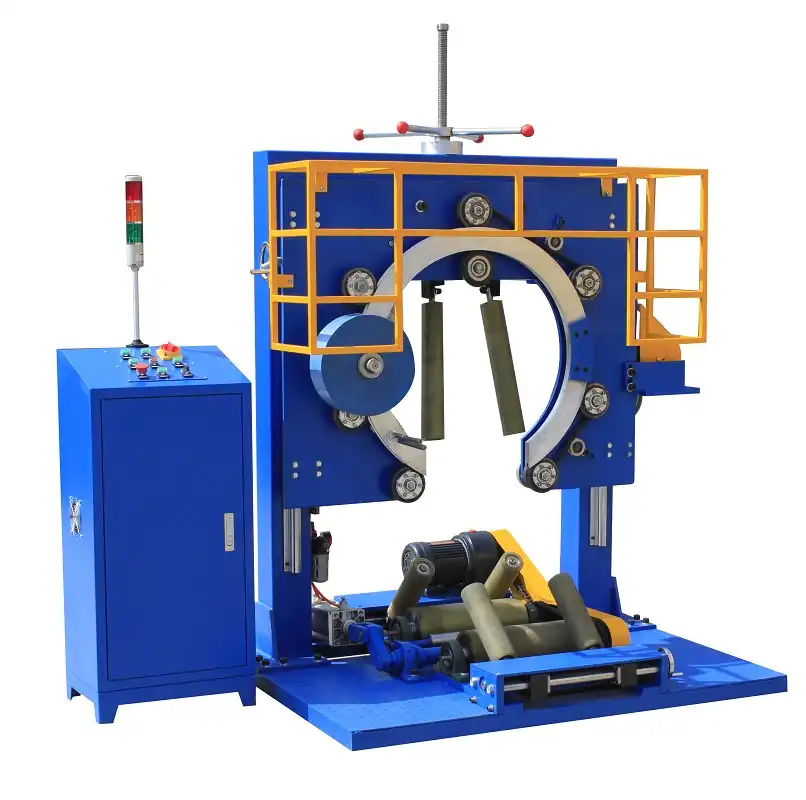
Advanced Maintenance Techniques for Coil Packing Machines
Moving beyond basic daily and weekly maintenance, advanced techniques focus on proactive and predictive strategies to minimize downtime and optimize machine lifespan. These methods leverage data and systematic approaches to elevate your maintenance program from reactive to preventative and predictive.
1. Preventative Maintenance Schedules: Structured Care for Longevity
Preventative maintenance (PM) is the backbone of any effective maintenance program. It involves scheduled tasks performed at regular intervals to prevent breakdowns and extend component life.
- Time-Based PM: Tasks performed at fixed intervals (daily, weekly, monthly, quarterly, annually) based on manufacturer recommendations and historical data. Examples include lubrication, filter changes, belt inspections, and sensor calibrations.
- Usage-Based PM: Maintenance triggered by machine usage metrics, such as operating hours or number of cycles. This approach is more tailored to actual machine workload. For example, roller replacement might be scheduled after a certain number of coils processed.
- Manufacturer Recommended Schedules: Always adhere to the maintenance schedules provided by the coil packing machine manufacturer. These schedules are based on engineering expertise and thorough testing.
- Customized PM Plans: Tailor your PM schedule to your specific operating environment, coil types, and production volume. Heavier usage or harsher environments may necessitate more frequent maintenance intervals.
2. Predictive Maintenance: Data-Driven Downtime Prevention
Predictive maintenance (PdM) takes maintenance to the next level by using sensor data and analytics to predict potential failures before they occur. This minimizes unplanned downtime and allows for targeted maintenance interventions.
- Vibration Analysis: Sensors monitor machine vibration levels. Increased vibration can indicate bearing wear, misalignment, or imbalance, allowing for proactive component replacement before failure.
- Temperature Monitoring: Temperature sensors track the heat of motors, bearings, and other critical components. Elevated temperatures can signal overheating or lubrication issues.
- Oil Analysis: Regular oil sampling and analysis can detect wear particles, contamination, and lubricant degradation, providing insights into component condition and lubrication effectiveness.
- Ultrasonic Testing: Ultrasonic sensors can detect leaks in pneumatic systems or hydraulic systems, preventing efficiency losses and potential system failures.
- Data Logging and Trend Analysis: PdM systems collect data from sensors and analyze trends over time. Statistical algorithms and machine learning can identify patterns and predict potential failure points.
3. Maintenance Record-Keeping and Analysis: Learning from the Past
Detailed maintenance records are invaluable for optimizing your maintenance program and identifying recurring issues.
- Digital Maintenance Logs: Utilize computerized maintenance management systems (CMMS) or digital logs to track all maintenance activities, including dates, tasks performed, parts replaced, and technician notes.
- Failure Tracking and Analysis: Record all machine failures, including date, time, symptoms, root cause, and corrective actions. Analyze failure data to identify common failure points and implement preventative measures.
- Parts Inventory Management: Maintain an adequate inventory of critical spare parts based on failure history and manufacturer recommendations. Efficient parts management minimizes downtime during repairs.
- Maintenance Performance Metrics: Track key maintenance metrics such as Mean Time Between Failures (MTBF), Mean Time To Repair (MTTR), and preventative maintenance compliance rate. These metrics provide insights into maintenance program effectiveness and areas for improvement.
To illustrate the differences and advantages of different maintenance strategies, consider this comparison table:
| Maintenance Type | Approach | Schedule | Data Reliance | Downtime Prevention | Cost Efficiency | Complexity |
|---|---|---|---|---|---|---|
| Reactive Maintenance | "Run to Failure" | None (repair after break) | None | Low | Low initial, High long-term | Low |
| Preventative Maintenance | Scheduled Tasks | Time or Usage Based | Limited (historical) | Medium | Medium | Medium |
| Predictive Maintenance | Condition Monitoring, Prediction | As Needed (based on data) | High (sensor data) | High | High long-term, Medium initial | High |
By implementing a combination of preventative and predictive maintenance techniques, coupled with meticulous record-keeping, you can create a world-class maintenance program for your coil packing machine. This proactive approach minimizes downtime, extends machine lifespan, reduces repair costs, and ensures consistent, reliable coil packing operations. Investing in advanced maintenance is an investment in the long-term health and profitability of your coil packing operations.
Troubleshooting Common Issues and Operational Challenges
Even with the best operational practices and maintenance routines, coil packing machines can sometimes encounter issues. Quick and effective troubleshooting is essential to minimize downtime and resume operations swiftly. Understanding common problems and their solutions empowers operators and maintenance personnel to address challenges proactively.
Common issues in coil packing machine operation include material jams, film breaks, misalignment problems, and sensor malfunctions. Material jams often stem from incorrect coil loading or material defects, requiring careful inspection and adjustments. Film breaks can be caused by improper tension settings or faulty film rolls, necessitating tension adjustments or material replacement. Misalignment typically involves sensor adjustments or mechanical realignment. Sensor malfunctions often require cleaning, recalibration, or replacement. Systematic troubleshooting, guided by the machine manual and operator experience, is key to quickly resolving these common challenges and maintaining operational continuity.
%[Coil Packing Machine Best Practices]

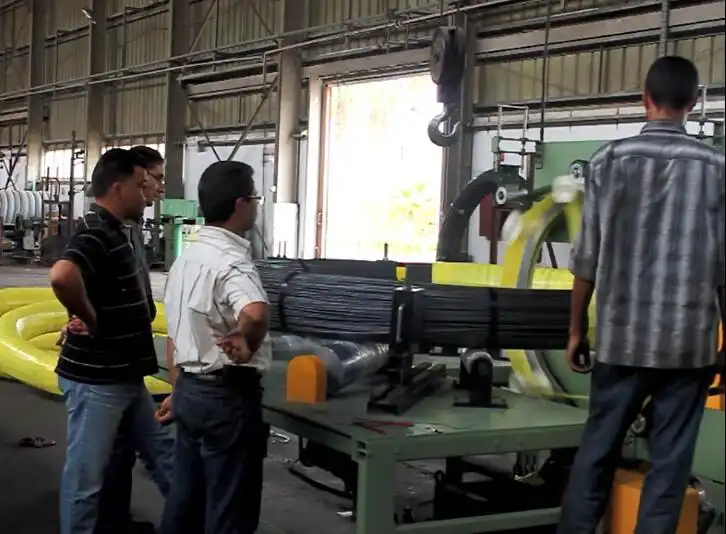
Troubleshooting Common Coil Packing Machine Problems:
When operational hiccups occur, a systematic approach to troubleshooting is crucial. Here's a breakdown of common issues and practical solutions:
- Material Jams: Jams are often caused by incorrect coil loading, material defects (kinks, bends), or improper alignment.
- Solution: Stop the machine immediately and disconnect power. Carefully remove the jammed material, inspecting for damage. Verify coil alignment and material path are correct. Check material for defects before reloading.
- Film Breaks: Film breaks can be frustrating and are often due to incorrect tension settings, worn rollers, or faulty film rolls.
- Solution: Check film tension settings and adjust according to material specifications. Inspect rollers for wear or damage and replace if necessary. Try a new roll of film to rule out material defects. Ensure film is loaded correctly and threading path is clear.
- Misalignment Issues: Misalignment can result in uneven wrapping, material slippage, or sensor errors.
- Solution: Check sensor alignment and adjust positions as needed. Verify mechanical alignment of rollers and guides. Ensure coil is centered and properly positioned on the machine. Consult the machine manual for specific alignment procedures.
- Sensor Malfunctions: Sensors are critical for automated operation. Dust, debris, or electrical issues can cause malfunctions.
- Solution: Clean sensor surfaces with a soft, dry cloth. Check sensor wiring and connections for looseness or damage. Test sensor functionality using machine diagnostics (if available) or by observing sensor response to material presence. Replace faulty sensors as needed.
- Inconsistent Wrapping Tension: Fluctuating tension can lead to loose wrapping or material damage.
- Solution: Calibrate tension control systems according to manufacturer instructions. Inspect tension rollers and brakes for wear or contamination. Ensure pneumatic pressure (if applicable) is stable and within specification.
- Machine Stoppages/Error Codes: Modern machines often display error codes indicating specific issues.
- Solution: Consult the machine manual for error code descriptions and troubleshooting steps. Note the error code and machine state for maintenance personnel. Restart the machine after addressing the identified issue (if safe to do so).
Conclusion
Mastering the operation of a coil packing machine requires a holistic approach encompassing strategic planning, daily operational excellence, proactive maintenance, and effective troubleshooting. By implementing these best practices, businesses can transform their coil packing process into a streamlined, efficient, and reliable operation. Investing in operator training and embracing a culture of continuous improvement are also crucial for long-term success in coil packing automation.