

How Do Coil Wrapping Machines Improve Packaging Consistency?
Are you tired of inconsistent packaging that leads to damaged goods and unhappy customers? Imagine a solution that delivers perfect, uniform wrapping every single time, boosting your brand reputation and slashing waste. The answer? Coil wrapping machines.
Coil wrapping machines significantly enhance packaging consistency by automating the wrapping process. This automation eliminates human error, ensuring each coil receives uniform tension and material application, leading to predictable and reliable packaging quality.
Let’s explore how coil wrapping machines revolutionize packaging consistency and why they are a must-have for modern manufacturing.
Enhancing Uniformity: The Core Advantage of Automated Coil Wrapping
Inconsistent manual wrapping can be a major headache. Variations in tightness, overlap, and material usage not only compromise product protection but also reflect poorly on your brand. Coil wrapping machines step in to solve this problem head-on.
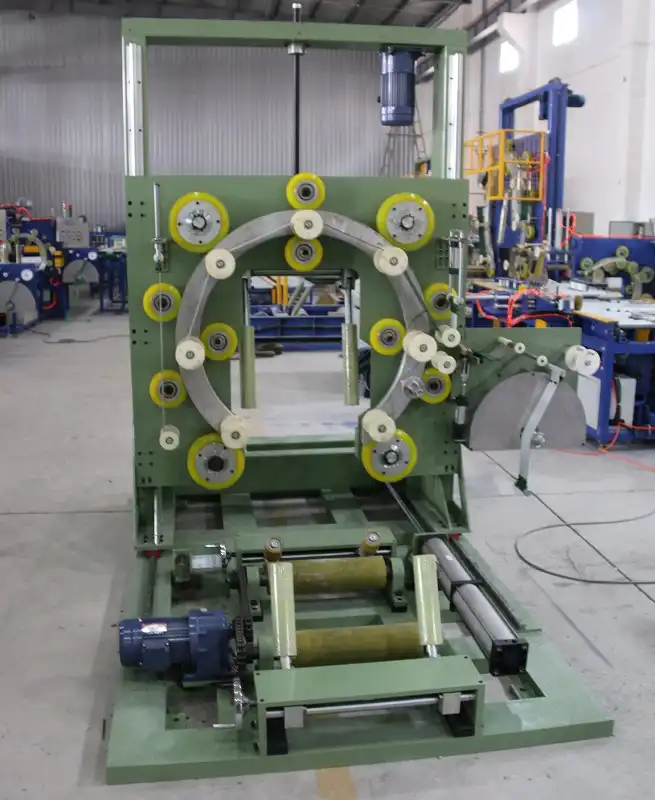
Automated coil wrapping machines are engineered to deliver unparalleled uniformity in packaging. By precisely controlling tension, overlap, and material application, these machines ensure every coil is wrapped to the exact same standard, eliminating inconsistencies inherent in manual processes and guaranteeing consistent quality across entire production runs.

Dive Deeper: Breaking Down Consistency in Coil Packaging
To truly appreciate the impact of coil wrapping machines on consistency, it’s crucial to understand the specific areas where they excel compared to manual methods. Let's break down the critical elements of packaging consistency and see how automation makes a difference.
The Problem with Manual Wrapping Variability
Manual wrapping, while seemingly straightforward, is prone to numerous inconsistencies. Operator fatigue, varying skill levels, and simple human error can lead to significant deviations in wrapping quality. These variations manifest in several ways:
- Inconsistent Tension: Hand-wrapped coils can suffer from uneven tension. Some areas might be too tight, potentially damaging the coil, while others might be too loose, leading to instability during transit.
- Uneven Overlap: Maintaining a consistent overlap of wrapping material is challenging manually. Gaps can leave coils exposed, while excessive overlap wastes material and increases costs.
- Material Waste: Manual wrapping often results in wasted material. Operators may overestimate the amount of wrapping needed "just to be safe," leading to unnecessary expenses.
- Inconsistent Sealing: Manual sealing, whether with tape or adhesives, can be unreliable. Seals may be weak or improperly applied, compromising package integrity.
How Coil Wrapping Machines Guarantee Uniformity
Coil wrapping machines address these inconsistencies through precise automation. They are designed to control every aspect of the wrapping process, ensuring uniformity across all packaged coils. Key features that contribute to this consistency include:
- Programmable Tension Control: Machines utilize sophisticated tension control systems that maintain a constant and pre-set tension throughout the wrapping cycle. This eliminates variations caused by manual adjustments and ensures optimal tightness for every coil.
- Automated Overlap Settings: Operators can program precise overlap parameters into the machine's control system. The machine then automatically applies the wrapping material with the specified overlap, eliminating guesswork and ensuring consistent coverage.
- Precision Material Dispensing: Coil wrapping machines dispense the exact amount of wrapping material needed for each coil, minimizing waste. Sensors and automated systems ensure accurate material usage, reducing costs and promoting sustainability.
- Consistent Sealing Mechanisms: Automated sealing systems, such as heat sealers or tape applicators, provide reliable and uniform seals every time. These systems eliminate the variability of manual sealing and ensure package integrity.
Data-Driven Consistency: The Numbers Speak
The difference in consistency between manual and automated coil wrapping is not just qualitative; it's quantifiable. Consider the following comparison:
| Feature | Manual Wrapping | Coil Wrapping Machine | Improvement |
|---|---|---|---|
| Tension Variation | ± 20% or more | ± 2% or less | 10x reduction |
| Overlap Variation | ± 15% or more | ± 1% or less | 15x reduction |
| Material Waste | 10-20% | 2-5% | 4-5x reduction |
| Sealing Reliability | 85-90% | 99.9% | Significant increase |
As the data clearly indicates, coil wrapping machines offer a dramatic improvement in packaging consistency across all critical parameters. This translates to fewer damaged products, reduced material costs, and a more professional and reliable brand image.
Reducing Product Damage Through Superior Wrap Integrity
Beyond aesthetic uniformity, packaging consistency directly impacts product protection. Inconsistent wrapping can leave coils vulnerable to damage during handling and transit. Coil wrapping machines address this critical aspect by ensuring superior wrap integrity.
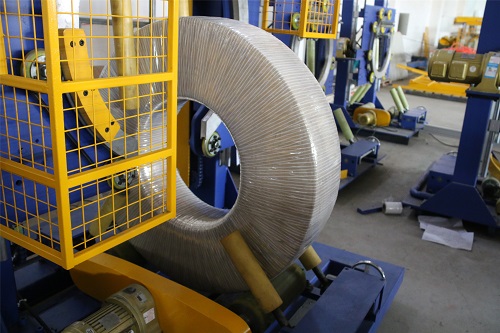
Coil wrapping machines minimize product damage by applying consistent and secure wraps. Uniform tension and material application create a robust protective barrier, safeguarding coils from impacts, moisture, dust, and other environmental hazards, significantly reducing damage rates during shipping and storage.

Fortifying Protection: Consistent Wrapping as a Damage Preventative
Inconsistent manual wrapping often results in weak points in the packaging, making coils susceptible to damage. Coil wrapping machines, with their emphasis on consistency, build a much stronger and more reliable protective layer.
- Even Load Distribution: Consistent tension across the wrap ensures that impact forces are distributed evenly, rather than concentrated on weak or loose areas. This reduces the risk of deformation or damage to the coil itself.
- Effective Barrier Against Elements: Uniform overlap and tight wrapping create a more effective barrier against moisture, dust, and other contaminants. This is especially crucial for preventing rust and corrosion on metal coils during storage and shipping.
- Enhanced Stability: Consistent wrapping contributes to the overall stability of the packaged coil. A tightly and uniformly wrapped coil is less likely to shift or unravel during transit, minimizing friction damage and maintaining package integrity.
- Reduced Risk of Strap Failure: When strapping is used in conjunction with wrapping, consistent wrapping provides a stable base for the straps, reducing the risk of strap slippage or breakage that can occur with unevenly wrapped coils.
By delivering consistent and robust wrapping, coil wrapping machines act as a proactive measure against product damage, safeguarding your coils throughout the supply chain and minimizing costly returns and replacements.
Streamlining Operations and Enhancing Throughput
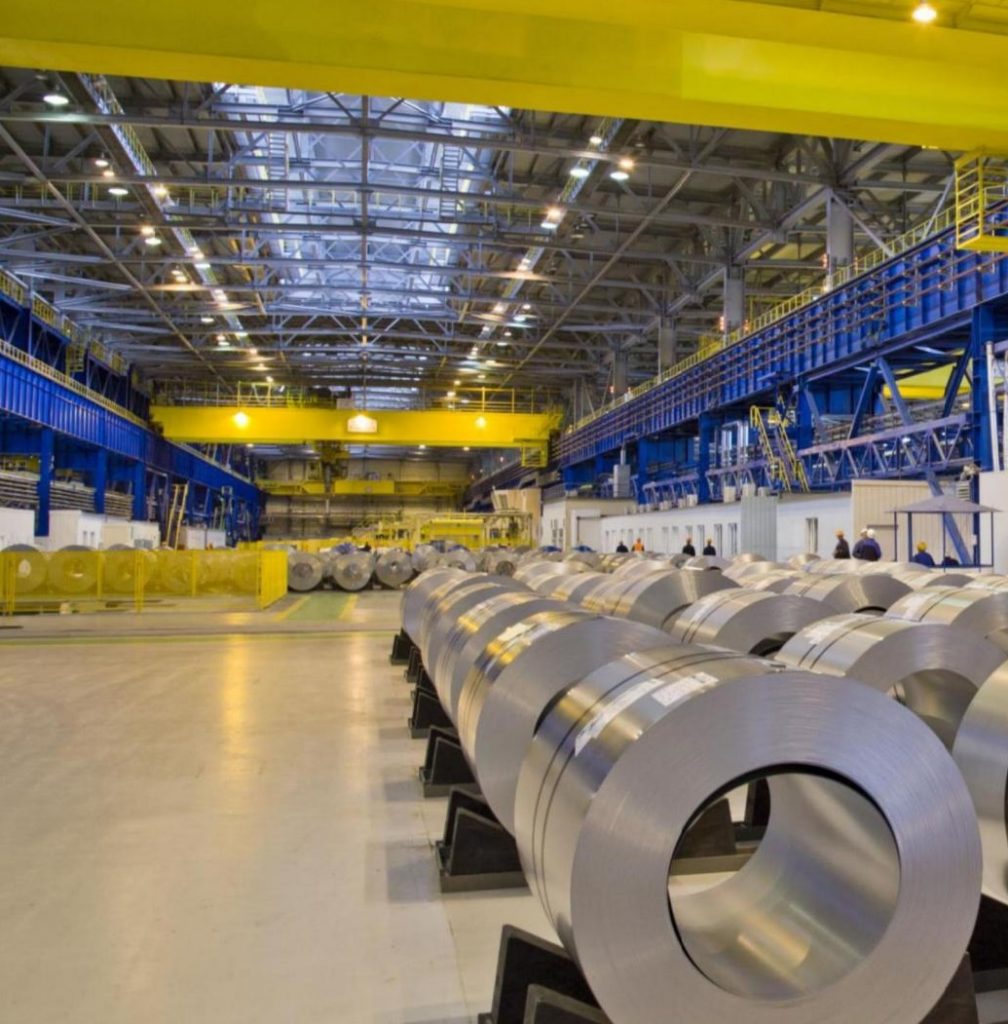
Consistency isn't just about the final product; it also plays a vital role in operational efficiency. Inconsistent manual wrapping can lead to bottlenecks, delays, and increased labor costs. Coil wrapping machines, with their consistent performance, streamline operations and enhance throughput.
Coil wrapping machines streamline packaging operations by providing a predictable and efficient wrapping process. Consistent cycle times, reduced material waste, and minimized rework contribute to higher throughput, lower labor costs per unit, and a more efficient overall packaging workflow.

Operational Harmony: Consistency as an Efficiency Driver
The consistent performance of coil wrapping machines translates directly into operational improvements across the packaging process. This consistency impacts efficiency in several key areas:
- Predictable Cycle Times: Automated machines operate at consistent speeds, leading to predictable cycle times for wrapping each coil. This predictability is crucial for production planning and scheduling, allowing for smoother workflow and optimized output.
- Reduced Rework and Rejects: Consistent wrapping quality minimizes the need for rework or rejection of poorly packaged coils. This saves time, labor, and material costs associated with correcting manual wrapping errors.
- Optimized Material Usage: As previously discussed, consistent material dispensing minimizes waste. This translates to lower material costs per unit and reduces the frequency of material replenishment, contributing to smoother operations.
- Lower Labor Costs: Automation reduces the reliance on manual labor for wrapping. While operators are still needed for machine setup and maintenance, the number of personnel directly involved in the repetitive wrapping task is significantly reduced, leading to lower labor costs per unit.
- Easier Integration with Automation: Coil wrapping machines are designed for seamless integration into automated production lines. Their consistent and predictable operation makes them ideal components in larger automated systems, further enhancing overall efficiency.
By introducing consistency into the packaging process, coil wrapping machines create a more streamlined, efficient, and cost-effective operation, allowing manufacturers to achieve higher throughput and meet demanding production schedules.
Elevating Quality Control and Brand Reputation
Ultimately, packaging consistency is a cornerstone of quality control and brand reputation. Customers equate consistent packaging with product quality and brand reliability. Coil wrapping machines play a key role in achieving this elevated level of quality and enhancing brand perception.

Quality Assurance: Consistent Packaging as a Mark of Excellence
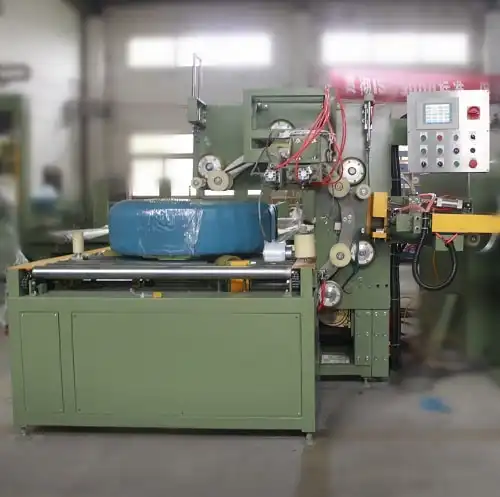
Consistent packaging is not just about aesthetics; it's a tangible indicator of a company's commitment to quality. Coil wrapping machines help businesses achieve and maintain high quality control standards in their packaging operations.
The Link Between Consistency and Quality Perception
Customers often judge a product's quality based on its packaging before they even see the product itself. Inconsistent or poorly executed packaging can create a negative first impression, leading customers to question the quality of the product inside. Conversely, consistent, professional-looking packaging conveys a sense of quality, attention to detail, and brand reliability.
Coil Wrapping Machines: Enforcing Quality Standards
Coil wrapping machines contribute to enhanced quality control in several ways:
- Standardized Packaging Output: Machines ensure that every coil is packaged to the same pre-defined standard. This eliminates variations and guarantees a consistent level of quality across all packaged products.
- Reduced Error Rate: Automation minimizes human error, which is a major source of packaging inconsistencies. Machines perform repetitive tasks with precision and accuracy, reducing the likelihood of defects.
- Improved Traceability and Accountability: Modern coil wrapping machines often come with data logging and reporting capabilities. This allows businesses to track packaging parameters, monitor performance, and identify any deviations from quality standards, improving traceability and accountability.
- Enhanced Brand Image: Consistent, high-quality packaging enhances brand perception. It signals to customers that the company cares about quality at every stage of the process, from manufacturing to packaging and delivery. This builds trust and strengthens brand loyalty.
By investing in coil wrapping machines, businesses invest in quality control and brand reputation. Consistent packaging becomes a powerful marketing tool, reinforcing brand values and creating a positive customer experience.
Choosing the Right Machine for Consistent Results

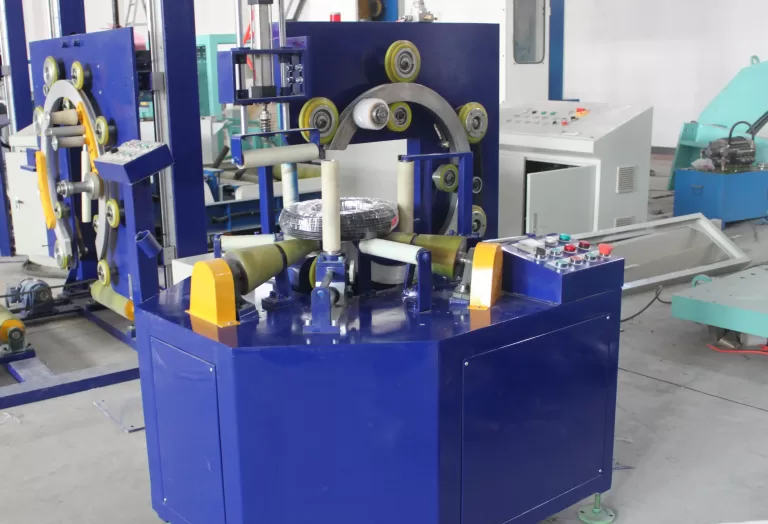
Selecting the appropriate coil wrapping machine is crucial for achieving optimal packaging consistency. Consider factors such as coil size and weight variations, production volume, material compatibility, and desired automation level to ensure the chosen machine aligns with your specific needs and delivers the consistent results you require.
Choosing the right coil wrapping machine is a strategic decision that directly impacts your packaging consistency and overall operational efficiency. Several factors should be carefully considered during the selection process to ensure you invest in a machine that meets your specific needs and delivers the desired level of consistent performance.
- Coil Dimensions and Weight Range: Analyze the range of coil sizes and weights you need to package. Ensure the machine you choose can accommodate the smallest and largest coils in your product line. Consider the machine's maximum diameter, width, and weight capacity to avoid limitations.
- Production Volume and Speed Requirements: Evaluate your production volume and throughput requirements. Determine the wrapping speed and cycle time needed to keep pace with your production line. Choose a machine with a speed and capacity that aligns with your output demands.
- Wrapping Material Compatibility: Consider the type of wrapping materials you intend to use (e.g., stretch film, paper, woven fabric). Ensure the machine is compatible with your chosen materials and can handle the required tension and application methods for each material.
- Automation Level and Integration Capabilities: Decide on the level of automation you require. Options range from semi-automatic machines to fully automated systems integrated with conveyors and robotic handling. Consider your existing automation infrastructure and choose a machine that can seamlessly integrate into your workflow.
- Tension Control System: Pay close attention to the tension control system offered by the machine. Look for machines with precise and programmable tension control to ensure consistent wrap tightness across different coil types and materials. Advanced tension control systems contribute significantly to packaging consistency.
- Durability and Reliability: Invest in a robust and reliable machine from a reputable supplier. Consider the machine's construction materials, component quality, and expected lifespan. A durable and reliable machine will minimize downtime and ensure consistent performance over the long term.
- Ease of Use and Maintenance: Choose a machine that is user-friendly and easy to operate and maintain. Look for intuitive controls, clear operating instructions, and readily accessible maintenance points. Ease of use and maintenance will contribute to consistent operation and minimize disruptions.
- Supplier Support and Service: Select a supplier that offers comprehensive support and service, including installation, training, maintenance, and spare parts availability. Reliable supplier support is crucial for ensuring consistent machine performance and addressing any technical issues promptly.
By carefully evaluating these factors and choosing a coil wrapping machine that aligns with your specific needs, you can ensure consistent packaging quality, optimize operational efficiency, and enhance your overall competitiveness.
Conclusion
In the pursuit of operational excellence, consistency is paramount. Coil wrapping machines stand as a vital solution for achieving packaging consistency, offering a multitude of benefits from enhanced product protection to streamlined operations and elevated brand reputation. By automating the wrapping process and eliminating the variability of manual methods, these machines ensure every coil is packaged to the same high standard, leading to fewer damages, reduced waste, and improved customer satisfaction. Embracing [wire packing automation]() through coil wrapping technology is a strategic move for any business seeking to optimize its packaging processes and solidify its standing in the market.