

How Can You Choose the Right Coil Wrapping Machine for Your Needs?
Are you tired of damaged coils during transportation and storage? Do you struggle with inefficient and labor-intensive packaging processes? Choosing the right coil wrapping machine can feel overwhelming, but it's crucial for protecting your products and streamlining your operations. Imagine a solution that not only secures your coils but also saves you time and money.
Selecting the right coil wrapping machine involves understanding your specific needs, evaluating different types of machines (like horizontal or vertical), and considering key features such as automation level, coil size compatibility, and wrapping material options. By carefully assessing these factors, you can ensure you choose a machine that optimizes your packaging process and protects your valuable coils.
Investing in the perfect coil wrapping machine doesn't have to be a shot in the dark. Let's explore the essential considerations to guide you towards the ideal solution for your business.
Decoding Your Coil Wrapping Machine Needs
Choosing the right coil wrapping machine is not just about buying a machine; it's about investing in a solution that aligns perfectly with your operational demands. Understanding your specific needs is the first and most crucial step in this process. Without a clear picture of what you require, you risk ending up with a machine that is either underpowered or over-engineered for your actual production line.
Before diving into the market, take a step back and analyze your coil packaging requirements. Consider factors like the types of coils you handle (steel, wire, plastic pipes, cables), their dimensions and weight ranges, your desired production volume, the level of automation you need, and any space constraints in your facility. Defining these parameters will narrow down your options and ensure you select a coil wrapping machine that truly fits your needs and budget.
%[Coil Wrapping Machine, Equipment Selection, Business Needs]

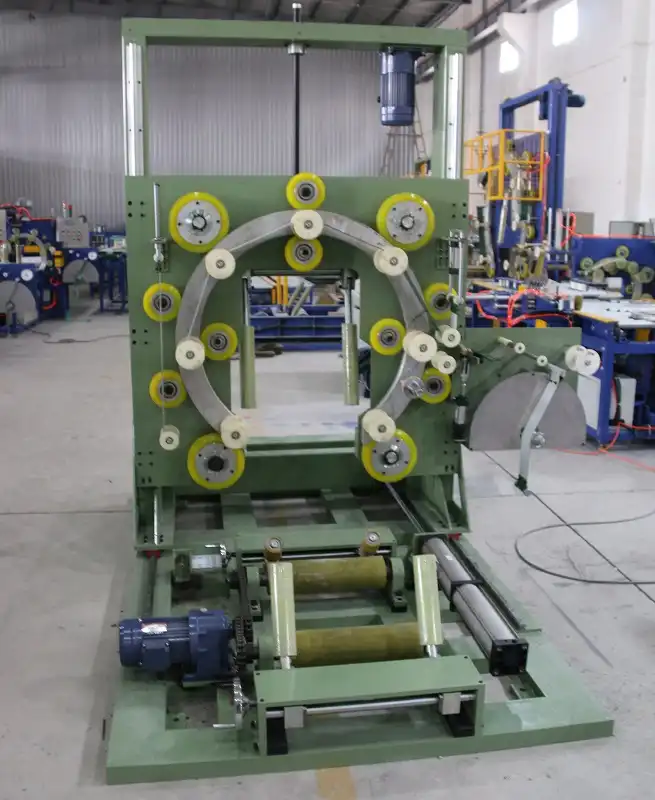
Dive Deeper: A Structured Approach to Needs Analysis
To effectively decode your coil wrapping machine needs, it's beneficial to break down the analysis into key areas. This structured approach ensures you don't overlook any critical factors and allows for a more informed decision-making process. Let's examine these areas in detail:
1. Coil Characteristics: The Foundation of Your Choice
The type, size, and weight of your coils are fundamental determinants in choosing the right machine. Different machines are designed to handle specific coil types and dimensions.
- Material Type: Are you wrapping steel coils, steel wire coils, plastic pipes, or cable coils? Each material might require different wrapping tensions and material.
- Coil Dimensions (OD, ID, Width): Machines have limitations on the maximum and minimum coil sizes they can accommodate.
- Coil Weight: Heavier coils necessitate robust machines with higher load capacities.
2. Production Volume and Automation Level: Balancing Efficiency and Cost
Your production volume directly influences the required speed and automation level of the wrapping machine.
- Production Rate (Coils per hour/day/week): Higher volumes demand faster, more automated machines.
- Desired Automation Level:
- Manual: Suitable for very low volumes, labor-intensive.
- Semi-Automatic: Offers a balance of automation and manual operation, good for medium volumes.
- Fully Automatic: Maximizes efficiency and minimizes labor for high-volume production lines.
3. Wrapping Material and Quality Requirements: Protection and Presentation
The choice of wrapping material and the desired wrapping quality are crucial for product protection and presentation.
- Wrapping Material: Stretch film, paper, woven fabric, shrink film – each offers different levels of protection and cost implications.
- Wrapping Pattern and Overlap: Adjustable patterns and overlap control the level of protection and film consumption.
- Quality Standards: Consider required protection against dust, moisture, corrosion, and handling damage.
4. Space and Facility Constraints: Machine Footprint and Integration
Your available floor space and facility layout will dictate the size and configuration of the machine.
- Available Space: Consider the machine's footprint and required operating space.
- Integration with Existing Lines: If integrating into an existing production line, ensure compatibility and seamless workflow.
- Power and Air Supply: Check machine requirements for electricity and compressed air.
5. Budget and Total Cost of Ownership (TCO): Beyond the Initial Price Tag
While the initial purchase price is a factor, consider the long-term costs associated with the machine.
- Initial Investment: Machine cost, installation, and initial training.
- Operating Costs: Energy consumption, wrapping material costs, labor costs.
- Maintenance Costs: Preventive maintenance, spare parts, and potential repairs.
- Lifespan and ROI: Estimate the machine's lifespan and calculate the return on investment over time.
By systematically analyzing these five key areas, you can create a detailed profile of your coil wrapping machine needs. This structured approach will empower you to make an informed decision and select a machine that truly delivers value and efficiency to your operations.
Exploring Different Types of Coil Wrapping Machines
Once you have a solid grasp of your needs, the next step is to explore the different types of coil wrapping machines available. The market offers a variety of machines, each designed for specific coil types, production volumes, and operational preferences. Understanding these distinctions is crucial to narrowing down your options and identifying the best fit for your requirements.
Coil wrapping machines are broadly categorized into horizontal and vertical types, each with its own set of advantages and applications. Horizontal machines are ideal for heavier, larger coils and often integrate into automated production lines, while vertical machines are better suited for lighter coils and manual loading. Furthermore, machines can be classified by their automation level: manual, semi-automatic, and fully automatic, offering varying degrees of operational efficiency and labor requirements.
%[Coil Wrapping Machine, Equipment Selection, Business Needs]

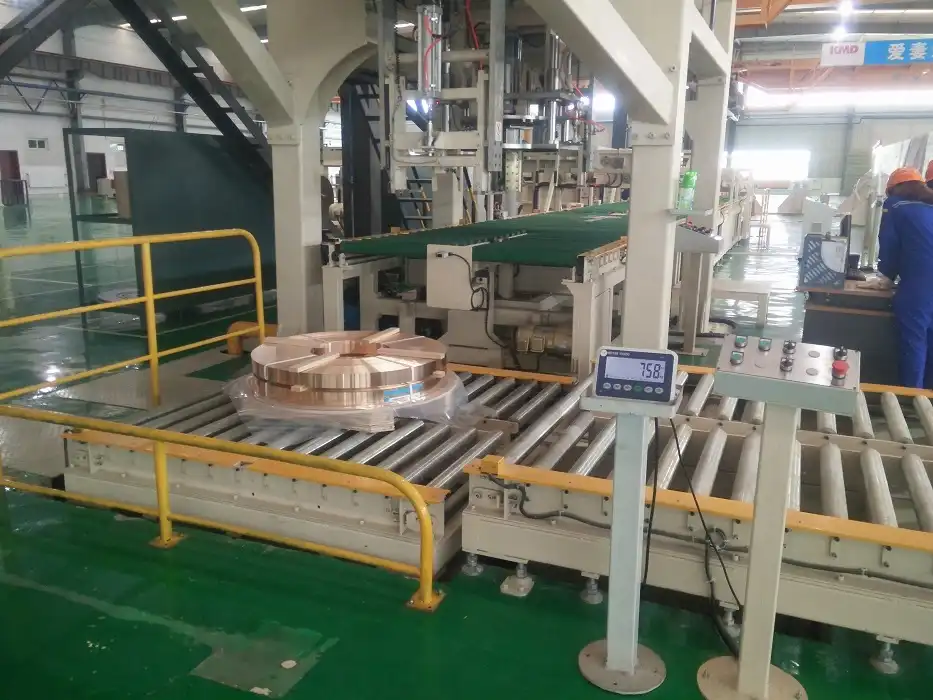
Delving into Horizontal vs. Vertical and Automation Levels
The primary differentiation in coil wrapping machines lies in their orientation (horizontal or vertical) and level of automation. Let's delve deeper into these classifications:
Horizontal Coil Wrapping Machines: For Heavy-Duty and Automated Operations
Horizontal coil wrapping machines are characterized by their horizontal orientation of the coil during the wrapping process. They are typically used for heavier and larger coils, often steel coils, and are well-suited for integration into automated production lines.
-
Advantages:
- Handles Heavy Coils: Designed to support significant coil weights.
- Suitable for Large Diameters: Accommodates larger coil outer diameters.
- Inline Integration: Easily integrated into automated coil processing lines with conveyors.
- Stable Wrapping: Provides stable wrapping for heavy and potentially unstable coils.
-
Applications: Steel coils, large plastic pipe coils, where high throughput and automated handling are needed.
Vertical Coil Wrapping Machines: For Lighter Coils and Versatile Use
Vertical coil wrapping machines hold the coil vertically during wrapping. They are generally used for lighter coils, such as wire coils, cable coils, and smaller plastic pipe coils. Vertical machines often offer more versatility in terms of coil types and are suitable for both semi-automatic and manual loading operations.
-
Advantages:
- Versatile Coil Types: Handles a wider range of coil types and sizes, including wire and cable coils.
- Compact Footprint: Often have a smaller footprint compared to horizontal machines.
- Manual Loading Friendly: Well-suited for manual or semi-automatic coil loading and unloading.
- Cost-Effective for Lighter Coils: Can be more economical for lighter coil applications.
-
Applications: Steel wire coils, cable coils, plastic hose coils, and applications where flexibility and a smaller footprint are prioritized.
Automation Levels: Tailoring to Your Production Scale
The level of automation directly impacts the machine's operational efficiency, labor requirements, and production capacity.
| Automation Level | Description | Output (Approx.) | Labor Needs | Best For |
|---|---|---|---|---|
| Manual | Operator manually controls wrapping process. | 10-15 coils/hour | 2-3 operators | Very low volume, small workshops |
| Semi-Automatic | Some processes automated, manual load/unload. | 20-35 coils/hour | 1 operator | Medium volume, mid-scale plants |
| Fully Automatic | Entire process automated. | 40-80 coils/hour | Unmanned | High volume, large-scale factories |
Choosing between horizontal and vertical machines, and selecting the appropriate automation level, depends heavily on your specific coil types, production volume, budget, and operational preferences. Carefully consider these factors to make the most informed decision.
Key Features to Prioritize in a Coil Wrapping Machine
Selecting the right type of coil wrapping machine is just the beginning. To truly optimize your packaging process and ensure long-term efficiency, you need to consider the key features that differentiate machines and impact their performance. Focusing on these features will help you identify a machine that not only meets your basic requirements but also enhances your operational capabilities and delivers a strong return on investment.
Essential features to look for in a coil wrapping machine include automation capabilities, build quality and durability, ease of use and maintenance, flexibility in handling different coil sizes, and safety features. Additionally, consider the availability of maintenance support and the machine's energy efficiency. These features collectively determine the machine's performance, reliability, and overall cost-effectiveness.
%[Coil Wrapping Machine, Equipment Selection, Business Needs]

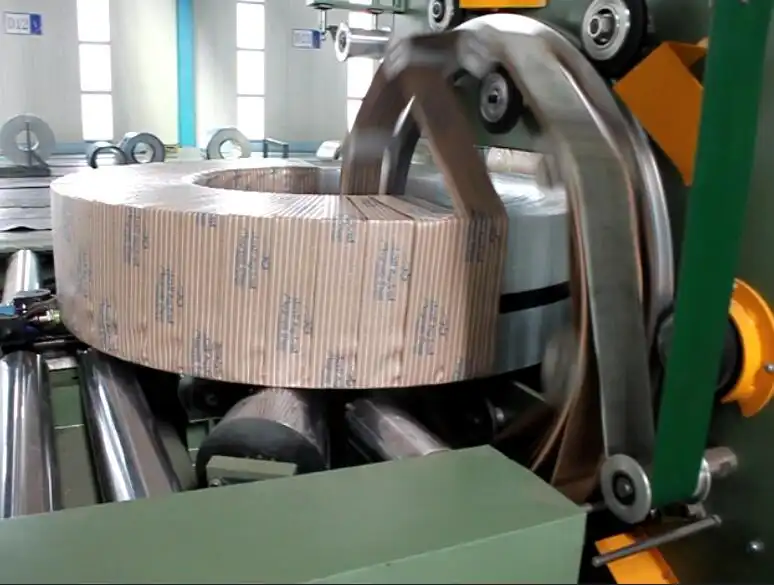
Deep Dive: Technical Features and Their Impact
Let's delve into the technical aspects of key features and understand how they contribute to the overall performance and value of a coil wrapping machine.
1. Automation and Control Systems: Efficiency and Precision
The level of automation and the sophistication of the control system are paramount for efficient and consistent wrapping.
- PLC Control: Programmable Logic Controllers (PLCs) are the brains of automated machines, offering precise control over wrapping parameters, cycle times, and error detection.
- HMI (Human-Machine Interface): Touchscreen interfaces provide user-friendly operation, allowing operators to easily set parameters, monitor performance, and diagnose issues.
- Automatic Film Feeding and Cutting: Automated systems for film dispensing, tension control, and cutting streamline the wrapping process and reduce manual intervention.
- Programmable Wrapping Patterns: Machines with programmable patterns allow customization of wrapping styles (spiral, hoop, etc.) and overlap for different coil types and protection needs.
2. Wrapping Head and Material Dispenser: Core Wrapping Mechanism
The design and technology of the wrapping head and material dispenser directly influence wrapping speed, material consumption, and wrapping quality.
- Ring Type vs. Rotating Arm: Ring wrappers are common for eye-through wrapping, while rotating arm wrappers are suitable for heavier loads. The choice depends on coil type and handling method.
- Pre-Stretch System: Motorized pre-stretch systems significantly reduce film consumption by stretching the film before application, leading to material cost savings.
- Tension Control: Precise tension control ensures consistent wrapping tightness and prevents film breakage, crucial for both film economy and package integrity.
3. Material Compatibility and Flexibility: Adapting to Different Needs
A versatile machine should be able to handle various wrapping materials and coil sizes.
- Adjustable Tension and Speed: Allows optimization for different film types (stretch film, paper, woven fabric) and coil materials.
- Coil Size Adjustment: Mechanisms for quick and easy adjustment to accommodate a range of coil diameters and widths are essential for flexible production.
- Material Changeover: Ease of changing film rolls and other wrapping materials minimizes downtime and enhances productivity.
4. Safety and Maintenance Features: Operator Protection and Longevity
Safety features protect operators and ensure compliance, while ease of maintenance minimizes downtime and extends machine lifespan.
- Safety Guards and Interlocks: Physical barriers and safety interlocks protect operators from moving parts and ensure safe operation.
- Emergency Stop Buttons: Strategically placed emergency stops allow immediate machine shutdown in case of malfunctions or emergencies.
- Accessible Components: Easy access to key components simplifies maintenance and reduces downtime for servicing and repairs.
- Remote Diagnostics: Some advanced machines offer remote diagnostics capabilities, allowing manufacturers to troubleshoot issues remotely and provide faster support.
By carefully evaluating these technical features, you can select a coil wrapping machine that not only meets your immediate packaging needs but also offers long-term reliability, efficiency, and operational advantages. Prioritizing these features ensures you invest in a machine that will contribute to your business success for years to come.
Making the Right Choice: A Step-by-Step Selection Process
Choosing the right coil wrapping machine is a significant investment that impacts your operational efficiency and product protection. To navigate the selection process effectively, a structured, step-by-step approach is highly recommended. This methodical process ensures you consider all critical factors, compare options systematically, and ultimately make an informed decision that aligns with your business goals.

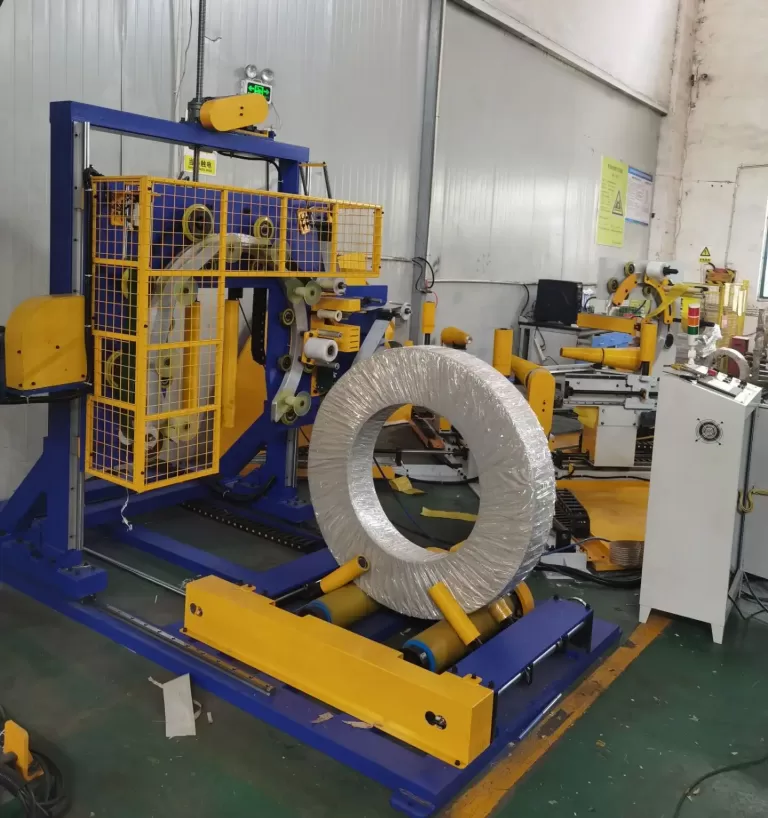
The selection process involves several key steps: First, clearly define your needs by analyzing coil characteristics, production volume, and wrapping requirements. Next, research different machine types and brands, comparing features and specifications. Request quotes from multiple vendors, considering not just price but also total cost of ownership. Evaluate vendor reputation, support, and service offerings. Finally, consider a machine trial or factory visit before making your final decision. This comprehensive approach will minimize risks and maximize your chances of selecting the perfect coil wrapping machine.
A Detailed Selection Process: From Needs Assessment to Final Decision
Let's break down the step-by-step selection process into actionable stages:
Step 1: Define Your Needs (Revisit and Refine)
- Detailed Coil Analysis: Document precise coil dimensions, weights, materials, and handling requirements.
- Production Volume Forecasting: Accurately estimate current and future production volumes to determine required machine capacity.
- Wrapping Material and Quality Specifications: Define the required wrapping material, layers, overlap, and quality standards for product protection.
- Budget and ROI Targets: Establish a realistic budget and set clear ROI expectations for the investment.
Step 2: Research Machine Types and Brands
- Identify Suitable Machine Types: Based on your needs analysis, determine if horizontal, vertical, semi-automatic, or fully automatic machines are most appropriate.
- Brand and Vendor Research: Identify reputable manufacturers and vendors specializing in coil wrapping machines. Explore online reviews, industry publications, and vendor websites.
- Feature Comparison: Create a spreadsheet to compare features, specifications, and technical capabilities of different machines and brands.
Step 3: Request Quotes and Evaluate TCO
- Request Detailed Quotes: Contact shortlisted vendors and request comprehensive quotes that include machine cost, installation, training, and warranty details.
- Total Cost of Ownership (TCO) Analysis: Go beyond initial price and calculate TCO, factoring in operating costs, maintenance, consumables (film), and potential downtime.
- Financing and Leasing Options: Explore financing or leasing options if needed to manage capital expenditure.
Step 4: Vendor Evaluation and Due Diligence
- Check Vendor Reputation and Experience: Assess vendor's industry experience, customer testimonials, and market reputation.
- Evaluate Support and Service: Inquire about after-sales support, technical assistance, spare parts availability, and service level agreements.
- Visit Vendor Facilities (Optional but Recommended): If possible, visit vendor facilities to assess their manufacturing capabilities and quality control processes.
Step 5: Machine Trial and Final Selection
- Request a Machine Trial (If Possible): If feasible, request a trial run of the machine with your coils to verify performance and suitability.
- Final Decision and Negotiation: Based on your comprehensive evaluation, make a final decision and negotiate terms and conditions with your chosen vendor.
- Contract and Purchase Order: Formalize the agreement with a clear contract and purchase order outlining specifications, delivery timelines, payment terms, and warranty details.
By following these steps, you can systematically navigate the coil wrapping machine selection process, ensuring you make a well-informed decision that aligns with your operational needs, budget, and long-term business objectives.
Affordable Coil Wrapping Machines: Balancing Cost and Quality
Budget considerations are a reality for every business. While investing in high-end, fully automated systems might be ideal for maximizing efficiency, it's not always feasible, especially for smaller businesses or those with tighter capital constraints. The good news is that affordable coil wrapping machines are available that can still provide significant benefits without breaking the bank. The key is to understand what to prioritize in a cost-effective machine and where you can potentially compromise without sacrificing essential functionality and reliability.
%[Coil Wrapping Machine, Equipment Selection, Business Needs]

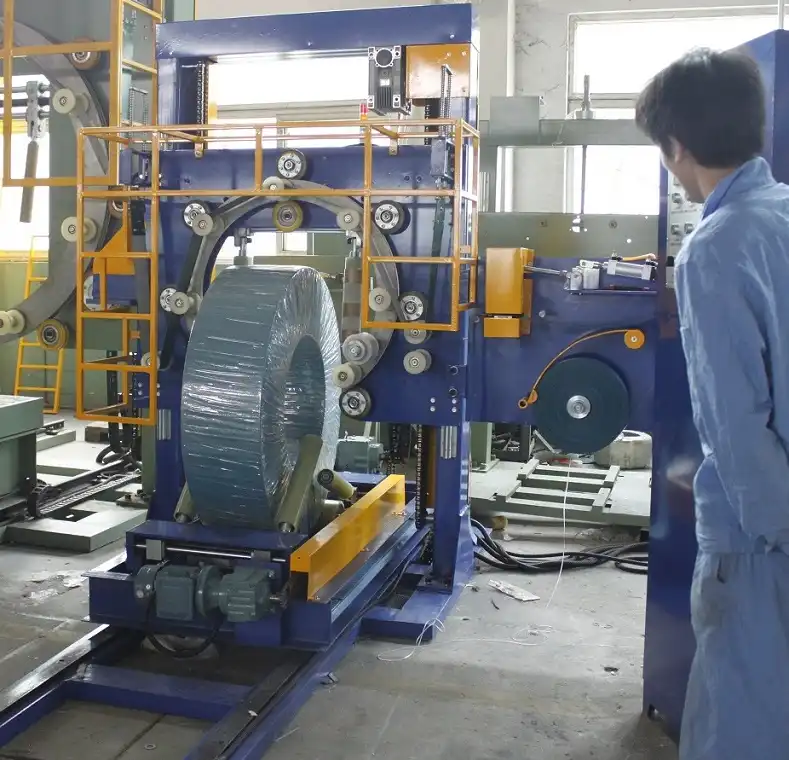
Affordable coil wrapping machines often focus on essential features and may have a simpler design or lower automation level compared to premium models. Key features to still look for include durability, ease of use, and efficient performance. Consider semi-automatic models or economic versions of automatic machines. Focus on machines that offer a good balance of cost and functionality, ensuring they meet your core packaging needs reliably without unnecessary bells and whistles. Prioritize build quality and essential automation over advanced features to find a cost-effective solution.
For businesses seeking cost-effective coil wrapping solutions, several strategies can help balance budget constraints with operational needs. Opting for semi-automatic machines instead of fully automated lines can significantly reduce initial investment while still offering improved efficiency over manual wrapping. Economic versions of automatic machines, often with slightly reduced features or simpler controls, present another avenue for cost savings. Focusing on essential features like reliable tension control and durable construction, rather than advanced functionalities like AI-driven optimization or robotic integration, allows for budget-conscious choices. Exploring machines from manufacturers known for producing reliable, no-frills equipment can also lead to finding affordable options without compromising on core performance. Ultimately, the goal is to identify a machine that provides the necessary level of automation and protection at a price point that aligns with the business's financial capabilities, ensuring a valuable return on investment even with a more budget-friendly option.
Conclusion
Choosing the right coil wrapping machine is a strategic decision that directly impacts your operational efficiency, product protection, and bottom line. By carefully considering your specific needs, exploring different machine types and features, and following a structured selection process, you can confidently invest in a solution that optimizes your [wire packing automation] and contributes to long-term success. Remember to prioritize features that align with your production volume, coil characteristics, and budget, ensuring a balance of cost-effectiveness and operational efficiency.