

What Are the Advantages of Pallet Inverters in Enhancing Warehouse Productivity?
[Pallet inverter warehouse productivity, efficiency enhancements, pallet inverter benefits, material handling solutions]
Pallet inverters significantly enhance warehouse productivity by streamlining material handling, reducing manual labor, and minimizing product damage. These machines enable quick pallet changes, efficient load rotation, and safer operations, leading to substantial improvements in workflow and cost savings. By optimizing pallet management and reducing downtime, pallet inverters are essential tools for modern, high-efficiency warehouses.
Streamlining Operations: The Core Benefit of Pallet Inverters
[Pallet inverter warehouse productivity, efficiency enhancements, pallet inverter benefits, material handling solutions]
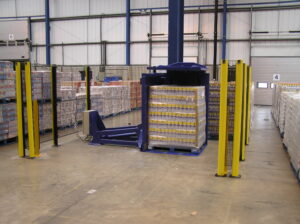

In the relentless pursuit of warehouse efficiency, businesses are constantly seeking solutions that can optimize processes, reduce costs, and enhance safety. Among the array of material handling technologies available, pallet inverters stand out as a powerful tool for achieving these goals. These machines, designed to rotate and invert pallet loads, offer a multitude of advantages that directly translate to enhanced warehouse productivity. For operations grappling with time-consuming pallet transfer processes, frequent product damage during handling, or the physical strain of manual pallet manipulation, pallet inverters provide a compelling answer.
Boosting Efficiency and Throughput
[Pallet inverter warehouse productivity, efficiency enhancements, pallet inverter benefits, material handling solutions]
One of the most significant advantages of pallet inverters is their ability to dramatically increase efficiency in pallet handling. Traditional methods of transferring goods from one pallet to another, or accessing the underside of a pallet load, are often labor-intensive and time-consuming. Manual restacking, unloading, and reloading not only consume valuable time but also increase the risk of product damage and workplace injuries.
Pallet inverters automate this process, allowing for quick and seamless transfer of goods. With a pallet inverter, an entire pallet load can be rotated 180 degrees in a matter of seconds. This rapid turnaround significantly reduces the time spent on pallet handling, freeing up personnel to focus on other critical tasks such as picking, packing, and shipping. This enhanced efficiency translates directly into higher throughput, enabling warehouses to process more goods in less time, meeting demanding schedules and improving overall operational velocity.
Reducing Labor Costs and Physical Strain

[Pallet inverter warehouse productivity, efficiency enhancements, pallet inverter benefits, material handling solutions]

Manual pallet handling is not only inefficient but also physically demanding and hazardous. Lifting, bending, and twisting to access and transfer goods on pallets can lead to musculoskeletal injuries, resulting in increased sick leave, worker compensation claims, and decreased employee morale. Furthermore, the sheer manpower required for manual pallet operations contributes significantly to labor costs.
Pallet inverters mitigate these issues by automating the heavy lifting and rotation tasks. By eliminating the need for manual flipping or restacking of pallets, these machines substantially reduce the physical strain on workers. This not only enhances workplace safety and reduces the risk of injuries but also lowers labor costs by requiring fewer personnel for pallet handling operations. Employees can be reassigned to more value-added activities, optimizing workforce utilization and boosting overall productivity.
Minimizing Product Damage and Waste
Product damage during pallet handling is a costly problem for warehouses. Manual handling, especially of fragile or perishable goods, increases the likelihood of items being dropped, crushed, or improperly handled. Damaged goods not only represent a direct financial loss but also lead to customer dissatisfaction and potential disruptions in the supply chain.
Pallet inverters offer a controlled and secure method of handling pallet loads, significantly reducing the risk of product damage. The clamping mechanisms in pallet inverters ensure that the load remains stable and secure during rotation, minimizing movement and preventing items from shifting or falling. This gentle and controlled handling is particularly crucial for industries dealing with delicate goods, such as food and beverage, pharmaceuticals, and electronics, where product integrity is paramount. By minimizing damage, pallet inverters help reduce waste, improve product quality, and enhance customer satisfaction.
Facilitating Easy Pallet Exchange and Management
Warehouses often need to exchange pallets for various reasons. Damaged pallets need to be replaced, and sometimes there's a need to switch between different pallet types, such as transitioning from wooden pallets to hygienic plastic pallets, especially in food processing or pharmaceutical environments. Manually transferring goods between pallets is a cumbersome and time-consuming process.
Pallet inverters simplify pallet exchange significantly. With a pallet inverter, damaged pallets can be quickly and easily replaced without the need to manually unload and reload the goods. Similarly, switching between pallet types becomes a streamlined operation. This ease of pallet exchange reduces downtime, ensures the use of appropriate pallets for specific applications, and contributes to better inventory management and overall warehouse organization. Furthermore, the ability to efficiently handle and replace damaged pallets minimizes the risk of further damage to goods and ensures a safer working environment.
Versatility Across Industries and Applications
Pallet inverters are not limited to specific industries or applications; their versatility makes them a valuable asset in a wide range of warehousing and manufacturing environments. From food and beverage to pharmaceuticals, retail, and general manufacturing, pallet inverters can be adapted to handle diverse types of loads and operational requirements.
They are used for various purposes, including:
- Pallet Transfer: Switching goods from one pallet type to another (e.g., wood to plastic).
- Damaged Pallet Replacement: Quickly replacing broken or damaged pallets.
- Load Inversion for Processing: Inverting loads for specific manufacturing processes, such as printing or arranging materials.
- Bottom Layer Access: Gaining access to the bottom layer of goods on a pallet without manual restacking.
- Seasonal Demand Management: Efficiently handling increased volumes of goods during peak seasons.
This broad applicability makes pallet inverters a flexible and adaptable solution for businesses across various sectors, contributing to improved efficiency and cost savings regardless of the specific industry.
Cost Savings and Return on Investment
While the initial investment in a pallet inverter may seem significant, the long-term cost savings and return on investment are substantial. The benefits outlined above – reduced labor costs, minimized product damage, increased efficiency, and improved safety – all contribute to significant financial gains over time.
By reducing labor requirements and speeding up pallet handling processes, pallet inverters help lower operational expenses. The reduction in product damage minimizes losses and waste, further contributing to cost savings. Improved efficiency translates to higher throughput and faster turnaround times, potentially increasing revenue and profitability. Moreover, a safer working environment can lead to lower insurance premiums and reduced costs associated with workplace injuries. These cumulative savings ensure that the pallet inverter cost is quickly offset by the operational improvements and financial benefits, making it a sound and profitable investment.
Types of Pallet Inverters to Suit Varied Needs
Recognizing the diverse needs of warehouses, pallet inverters are available in various types, each designed to cater to specific operational requirements and space constraints. Understanding these different types is crucial for selecting the most appropriate inverter for a given facility.
-
Stationary Pallet Inverters: These are fixed in one location and are ideal for high-volume operations where a dedicated inversion area is feasible. Stationary inverters are typically robust and capable of handling heavy loads. They can be integrated into production lines for seamless operation.
-
Mobile Pallet Inverters: Equipped with wheels or casters, mobile pallet inverters offer flexibility and portability. They can be easily moved around the warehouse to different locations as needed. Mobile inverters are suitable for facilities with limited space or where pallet inversion is required in various areas.
-
Forklift Pallet Inverters: Designed to be attached to forklifts, these inverters leverage the forklift's mobility and lifting power. Forklift pallet inverters are ideal for dynamic environments where pallets need to be inverted at different locations and where forklift access is readily available.
-
Inline Pallet Inverters: These are designed for integration into automated conveyor systems. Inline inverters automatically invert pallets as they move along the conveyor line, maximizing efficiency in high-speed operations.
The choice between these types depends on factors such as warehouse layout, volume of pallet handling, load weight, and the need for mobility or integration with existing material handling systems.
Selecting the Right Pallet Inverter: Key Considerations

Choosing the right pallet inverter involves careful consideration of various factors to ensure it meets the specific needs of the warehouse operation.

-
Load Capacity and Size: Determine the maximum weight and dimensions of the pallet loads that the inverter will handle. Select a model with sufficient capacity to accommodate the heaviest and largest loads without compromising safety or performance.
-
Operational Requirements: Evaluate the frequency of use, the type of loads being handled (fragile, heavy, etc.), and any specific operational needs, such as the need for gentle inversion or handling of нестандартных pallets.
-
Space Availability: Consider the available space in the warehouse and choose between stationary, mobile, or forklift-mounted inverters based on space constraints and the need for flexibility.
-
Safety Features: Prioritize safety by selecting inverters with robust safety features such as safety fences, emergency stop buttons, and secure clamping mechanisms to protect operators and prevent accidents.
-
Ease of Use and Maintenance: Opt for user-friendly inverters that are easy to operate and require minimal training. Also, consider the ease of maintenance and the availability of service support to ensure long-term reliability and minimize downtime.
-
Cost and ROI: Analyze the initial cost of the inverter and compare it to the potential long-term cost savings and ROI. Consider factors such as labor reduction, product damage minimization, and efficiency gains to determine the overall value proposition.
By carefully evaluating these factors, businesses can select the pallet inverter that best aligns with their operational needs, budget, and long-term goals, maximizing the benefits and ensuring a successful investment.
Conclusion: Pallet Inverters – A Strategic Investment for Warehouse Productivity
In today's competitive landscape, warehouse productivity is paramount. Pallet inverters have emerged as a critical technology for businesses seeking to optimize their material handling processes and achieve higher levels of efficiency. By streamlining operations, reducing labor costs, minimizing product damage, and enhancing safety, pallet inverters offer a compelling array of advantages that directly translate to improved warehouse performance and a stronger bottom line. Whether choosing a stationary, mobile, or forklift-mounted model, the strategic implementation of pallet inverters represents a significant step towards creating a more efficient, safer, and more profitable warehouse operation. Investing in a pallet inverter is not just an equipment purchase; it is a strategic investment in enhanced productivity and long-term success.