

How to Ensure Pallet Inverter Compatibility with Existing Material Handling Systems?
To guarantee pallet inverter compatibility with your current material handling systems, assess load capacity, size, and operational needs. Consider integration with forklifts and existing equipment, and explore customization options. Evaluate energy efficiency and safety features to ensure seamless workflow and maximize productivity while minimizing disruptions.
Pallet inverters have emerged as indispensable tools in modern material handling, offering a streamlined approach to rotating, transferring, or replacing pallets. Their ability to enhance efficiency, reduce product damage, and improve workplace safety is undeniable. However, realizing these benefits hinges on seamless integration with existing material handling systems. Ensuring compatibility isn't just about physical fit; it's about optimizing workflow, maintaining productivity, and avoiding costly disruptions. This article delves into the critical strategies and guidelines for achieving pallet inverter compatibility, paving the way for a smoother, more efficient material handling operation.
Understanding Pallet Inverters: A Foundation for Compatibility
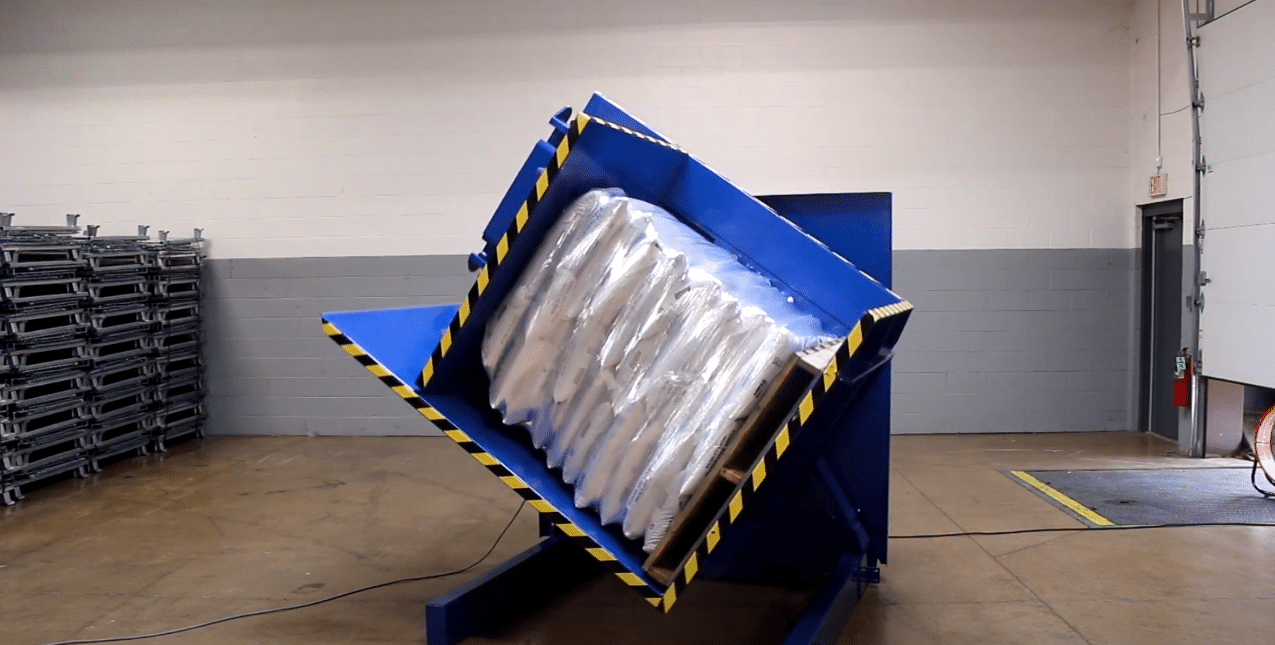
Before addressing compatibility, it’s crucial to understand what pallet inverters are and how they function. Pallet inverters are specialized machines designed to rotate or flip pallet loads, securing goods during the process. This capability is vital in various industries for tasks ranging from pallet exchange to accessing damaged goods at the bottom of a stack.
What They Do:
Pallet inverters eliminate the need for manual, labor-intensive processes like restacking or transferring loads by hand. They work by clamping a pallet load securely and then rotating it, typically 180 degrees. This inversion allows for easy access to the underside of the load, facilitating pallet changes, removal of damaged products, or load transfers.
Key Components:
- Frame: The robust steel frame provides structural integrity and stability during inversion.
- Clamping Mechanism: Adjustable clamps hold the pallet load firmly, accommodating various pallet sizes.
- Hydraulic System: This system powers the inversion process, providing controlled and powerful rotation.
Types of Pallet Inverters:
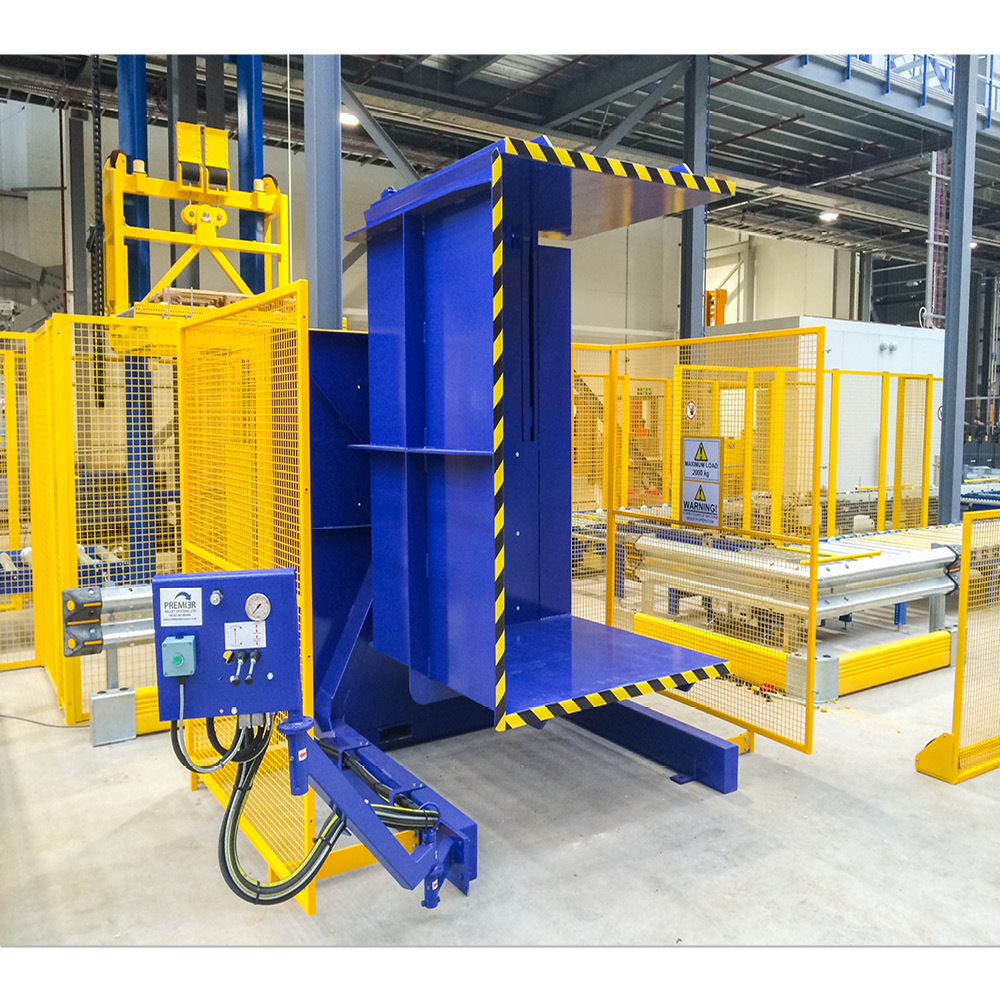
- Stationary Pallet Inverters: These fixed units are designed for dedicated inversion areas within a facility. Ideal for heavy-duty applications, they offer high load capacities and customization options. Stationary inverters enhance efficiency and safety in consistent, high-volume operations.
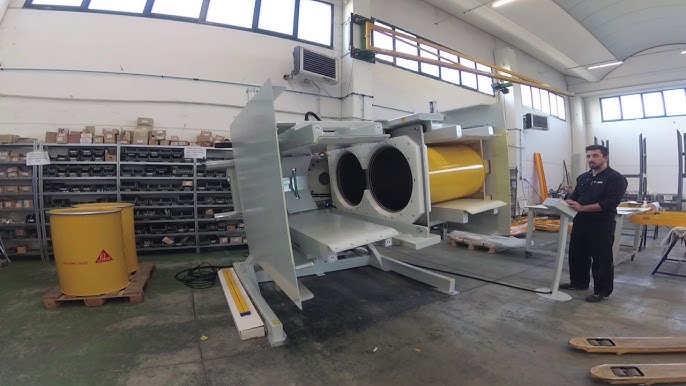
- Portable Pallet Inverters: Offering mobility and versatility, portable inverters are equipped with wheels for easy relocation. They optimize space and are cost-effective for businesses with varying needs or smaller operations. Portable inverters provide flexibility and ease of use across different facility areas.

Key Strategies for Pallet Inverter Compatibility
Achieving compatibility requires a strategic approach, focusing on several key areas to ensure seamless integration and optimal performance.
1. Assess Load Capacity and Size Requirements
The foundation of compatibility lies in matching the pallet inverter to your operational needs. This begins with a thorough assessment of your pallet loads.

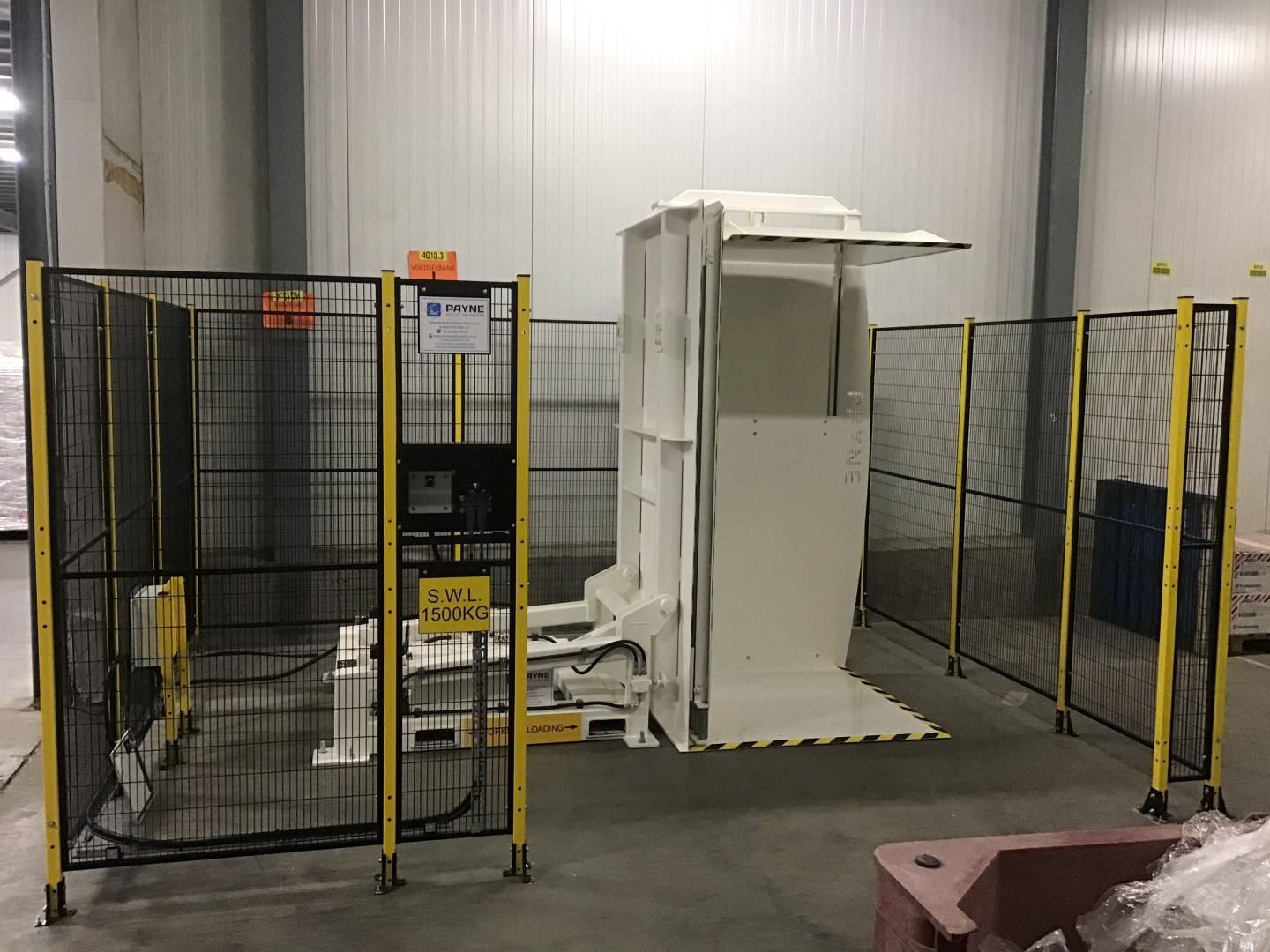
- Determine Maximum Weight: Identify the heaviest loads you handle regularly. The inverter's load capacity must exceed this to ensure safe and efficient operation.
- Measure Pallet Dimensions: Note the dimensions of your standard pallets and any variations. The inverter's clamping mechanism must accommodate these sizes. Consider both standard and custom pallets if applicable to your operations.
Selecting an inverter with appropriate load capacity and size parameters is non-negotiable. Overloading can lead to equipment damage and safety hazards, while an undersized inverter will limit operational efficiency.
2. Evaluate Operating Requirements and Safety Features
Compatibility extends beyond physical dimensions to encompass operational needs and safety protocols.
- Operational Demands: Consider the frequency of use and the specific tasks the inverter will perform. High-volume operations may necessitate stationary, heavy-duty inverters, while lighter use may be well-served by portable models.
- Specific Industry Needs: Certain industries have unique requirements. For fragile goods, look for inverters with gentle inversion capabilities. Industries with strict hygiene standards, like food and pharmaceuticals, may benefit from stainless steel models for easy cleaning and corrosion resistance.
- Safety Features: Prioritize safety by selecting inverters with robust safety features. Look for:
- Safety Fences: To prevent unauthorized access during operation.
- Emergency Stop Buttons: For immediate halting of operation in emergencies.
- Interlocking Systems: To ensure safe operation sequences.
- Operator Protection Devices: To safeguard personnel during inversion cycles.
Integrating safety features is not just about compliance; it's about creating a secure working environment and protecting your workforce.
3. Ensure Forklift and Material Handling Equipment Integration
Pallet inverters rarely operate in isolation. Their effectiveness is maximized when seamlessly integrated with existing material handling equipment, particularly forklifts.
- Forklift Compatibility: Confirm that your forklifts can easily load and unload pallets onto the inverter. Consider the inverter's loading table height and accessibility.
- Workflow Integration: Analyze your current material flow. Will the inverter be positioned inline within a production process, or will it serve as a standalone unit? Stationary inverters are well-suited for dedicated locations, while portable inverters offer flexibility for varied workflows.
- Conveyor Integration: For highly automated systems, consider inverters with built-in conveyors or the ability to integrate with existing conveyor systems. This can create a fully automated pallet handling sequence, minimizing manual intervention and maximizing throughput.
Smooth integration with forklifts and other equipment is crucial for preventing bottlenecks and maintaining efficient material flow.
4. Consider Energy Efficiency and Automation Features
Modern material handling emphasizes both efficiency and sustainability. Pallet inverter compatibility should also consider these aspects.
- Energy Efficiency: Opt for energy-efficient inverters, potentially with hydraulic systems designed for lower power consumption. Features like automatic shutdown when idle can further contribute to energy savings.
- Automation Features: Explore automation options to enhance efficiency and reduce manual operation. This includes:
- Programmable Controls: For pre-setting inversion cycles and customizing operations.
- Automated Cycles: For consistent and repeatable inversion processes, reducing operator fatigue and errors.
- PLC Integration: For seamless integration into larger automated systems and centralized control.
Investing in energy-efficient and automated inverters not only reduces operational costs but also aligns with broader sustainability goals.
Integration Guidelines for Pallet Inverters
Effective integration is more than just choosing the right equipment; it's about implementing it strategically within your existing systems. Here are key integration guidelines:
1. Site Assessment and Space Planning
Before installation, conduct a thorough site assessment.
- Measure Available Space: Ensure sufficient space for the inverter, including operational clearances and access for forklifts.
- Floor Load Capacity: Verify that the floor can support the weight of the inverter and maximum load. Stationary inverters, in particular, can be heavy.
- Layout Optimization: Plan the inverter's location within your facility to minimize travel distances for forklifts and optimize material flow. Consider proximity to receiving docks, production lines, or storage areas.
Proper space planning prevents installation headaches and ensures the inverter operates safely and efficiently within its environment.
2. Power and Utility Considerations
Stationary pallet inverters typically require external power sources.
- Electrical Requirements: Determine the inverter's power requirements (voltage, amperage) and ensure your facility has adequate electrical supply at the installation location.
- Hydraulic System Needs: For hydraulic inverters, consider any specific hydraulic fluid requirements and maintenance access.
- Compressed Air (if applicable): Some inverters may utilize pneumatic systems, requiring compressed air lines.
Addressing power and utility needs upfront prevents delays and ensures the inverter can be readily operational upon installation.
3. Operator Training and Safety Protocols
Even the most compatible inverter requires properly trained operators and robust safety protocols.
- Comprehensive Training: Provide thorough training to all operators on safe operation procedures, emergency stop protocols, and routine maintenance checks. Training should cover both normal operation and troubleshooting basic issues.
- Safety Procedure Development: Establish clear safety procedures specific to pallet inverter operation, including pre-operation checks, safe loading and unloading practices, and emergency response plans.
- Regular Safety Audits: Conduct periodic safety audits to ensure adherence to protocols and identify any potential safety improvements.
Well-trained operators and enforced safety protocols are paramount for preventing accidents and maximizing the safe and productive use of pallet inverters.
4. Maintenance and Service Planning
Proactive maintenance is essential for long-term compatibility and performance.

- Establish a Maintenance Schedule: Develop a routine maintenance schedule based on manufacturer recommendations, including inspections, lubrication, and hydraulic system checks.
- Spare Parts Inventory: Maintain an inventory of critical spare parts to minimize downtime in case of component failures.
- Service Agreements: Consider service agreements with the inverter supplier for preventative maintenance and timely repairs. Choose suppliers with responsive service and readily available technical support.
Regular maintenance not only extends the lifespan of the inverter but also ensures consistent performance and minimizes unexpected disruptions to your material handling operations.

Benefits of Ensuring Pallet Inverter Compatibility
The effort invested in ensuring pallet inverter compatibility yields significant returns.
- Enhanced Efficiency: Seamless integration streamlines workflows, reduces manual handling, and accelerates pallet processing, boosting overall efficiency.
- Reduced Downtime: Compatibility minimizes integration issues and operational disruptions, reducing downtime and maximizing productivity.
- Cost Savings: Improved efficiency translates to labor savings, reduced product damage minimizes waste, and optimized energy consumption lowers operating costs.
- Improved Safety: Compatible and well-integrated systems operate more safely, reducing the risk of accidents and injuries, creating a healthier work environment.
Conclusion: Investing in Compatibility for Material Handling Excellence
Ensuring pallet inverter compatibility with existing material handling systems is a strategic imperative for businesses seeking to optimize their operations. By carefully considering load capacity, operational needs, integration with existing equipment, and safety features, companies can unlock the full potential of pallet inverters. Following robust integration guidelines, prioritizing operator training, and planning for proactive maintenance are equally vital for long-term success. Investing in compatibility is an investment in efficiency, safety, and the overall excellence of your material handling processes, positioning your operations for greater productivity and a stronger bottom line. By taking a comprehensive approach to compatibility, businesses can seamlessly integrate pallet inverters, transforming material handling from a potential bottleneck into a source of competitive advantage.