

What Are the Benefits of Using Pallet Inverters in the Paper Industry?
Pallet inverters offer significant benefits in the paper industry by streamlining operations, reducing product damage, enhancing workplace safety, and optimizing logistics. These machines efficiently rotate and transfer paper loads, minimizing manual handling and maximizing productivity, ultimately leading to cost savings and improved efficiency in paper manufacturing and distribution.
Streamlining Operations in Paper Manufacturing and Distribution
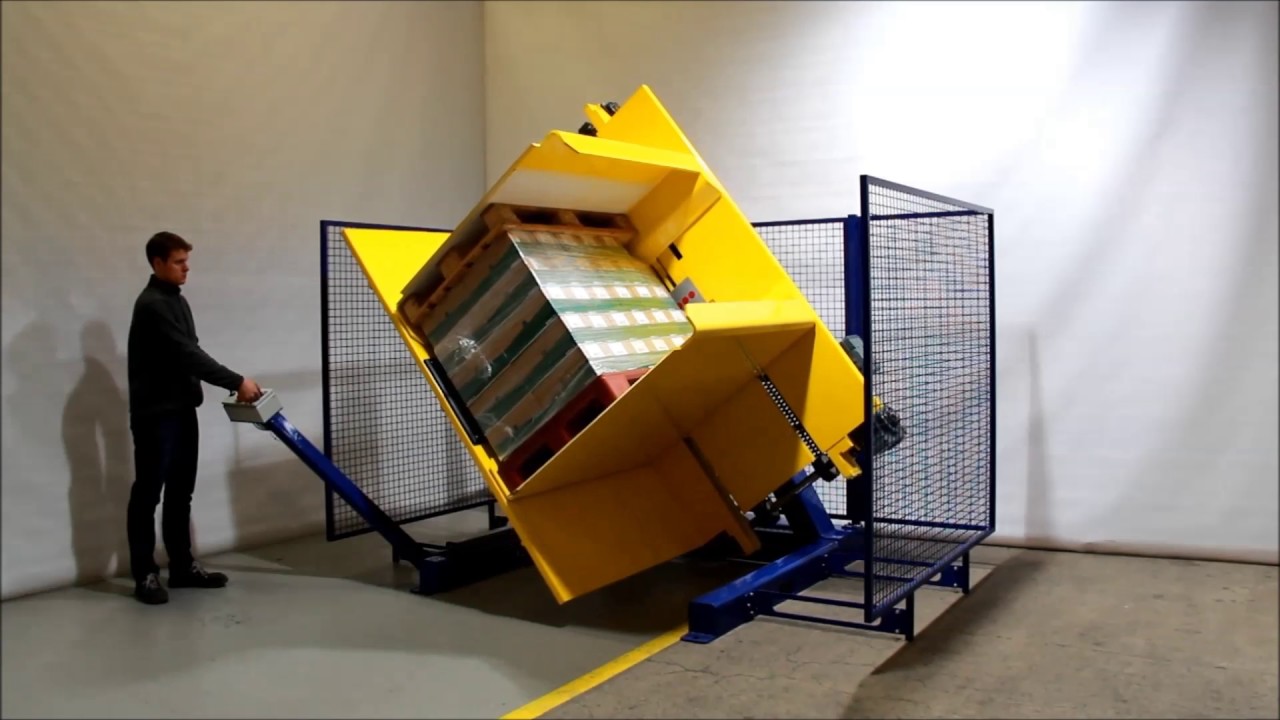
The paper industry, known for its large-scale production and distribution of heavy, bulky paper products, faces unique logistical challenges. From massive paper rolls to stacks of paper sheets and finished paper goods, the efficient handling of these materials is crucial for maintaining productivity and profitability. Pallet inverters are emerging as a vital solution, offering a streamlined approach to material handling that addresses many of the industry's operational pain points. These robust machines are designed to lift, rotate, and invert palletized loads, providing a versatile and efficient method for handling paper products throughout the supply chain.
[

Reducing Product Damage and Waste in Paper Handling
Paper products, while sturdy, are susceptible to damage during handling. Edges can be crushed, rolls can become misshapen, and stacks can become unstable, leading to product losses and increased waste. Traditional manual handling methods often contribute to these issues, as forklifts and manual labor can be rough on paper loads. Pallet inverters offer a gentler, more controlled way to handle paper products. By securely clamping and rotating the entire pallet load, inverters minimize the stresses and strains that can lead to damage. This is particularly beneficial when dealing with delicate paper types or high-value printed materials, where even minor damage can result in significant financial losses. Reducing product damage directly translates to lower waste, improved product quality, and enhanced customer satisfaction.
[

Enhancing Workplace Safety for Paper Industry Workers
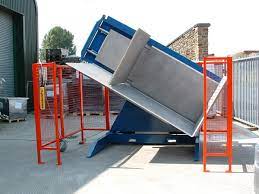
The paper industry involves handling extremely heavy loads, often in fast-paced environments. Manually turning or restacking pallets of paper is a physically demanding and potentially dangerous task, increasing the risk of strains, sprains, and other musculoskeletal injuries for workers. Pallet inverters significantly reduce the need for manual handling of heavy paper loads. By automating the pallet rotation and transfer process, these machines minimize the physical strain on workers, creating a safer working environment. Reduced manual lifting and handling also lowers the risk of accidents involving forklifts and other material handling equipment, contributing to a more secure and efficient workplace. Prioritizing workplace safety not only protects employees but also reduces costs associated with workplace injuries and lost productivity.
[
Optimizing Logistics and Warehouse Space in Paper Industry
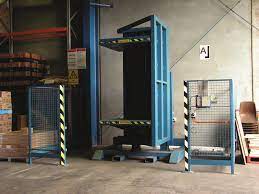
Efficient logistics and warehouse management are critical in the paper industry, where large volumes of product need to be stored and moved effectively. Pallet inverters contribute to logistics optimization in several ways. They facilitate the easy transfer of loads from damaged pallets to new ones, ensuring smooth material flow and preventing bottlenecks in the warehouse or production line. This rapid pallet exchange capability is particularly valuable for maintaining continuous operations and meeting tight deadlines. Furthermore, pallet inverters can help optimize warehouse space utilization. By enabling the inversion of pallets, they allow for access to goods from the bottom of a stack without the need to unload and restack entire pallets manually. This capability enhances inventory management and allows for more efficient use of vertical warehouse space, maximizing storage capacity within existing facilities.
[

Cost Savings and Efficiency Gains in Paper Operations
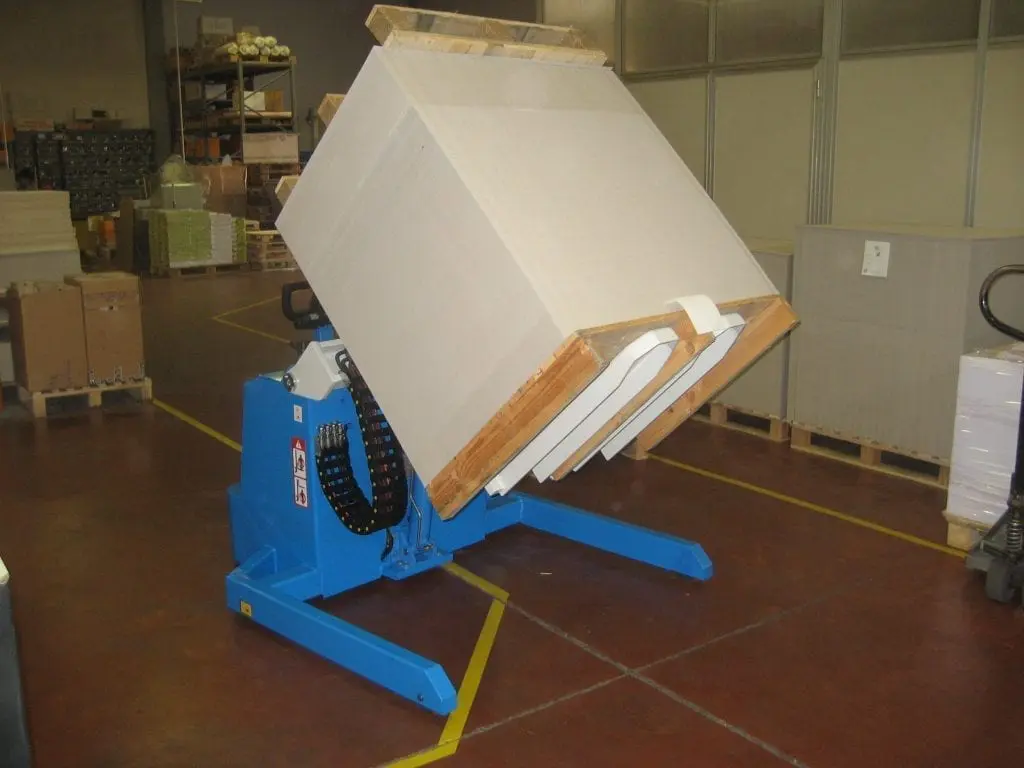
Investing in pallet inverters in the paper industry translates to significant cost savings and efficiency gains across various operational areas. Reduced product damage directly lowers material costs and minimizes waste disposal expenses. Enhanced workplace safety leads to fewer workplace injuries, reducing insurance premiums and lost work time. Streamlined operations and optimized logistics contribute to increased throughput, faster turnaround times, and improved labor productivity. While the initial investment in a pallet inverter represents a capital expenditure, the long-term benefits in terms of reduced costs, increased efficiency, and improved safety provide a substantial return on investment, making pallet inverters a valuable asset for paper manufacturers, printers, and distributors.
Versatile Applications Across the Paper Industry Spectrum
Pallet inverters offer versatility in their application across different segments of the paper industry. In paper mills, they can be used to handle large paper rolls during production and warehousing, facilitating efficient roll changes and optimizing storage. For printing companies, pallet inverters are invaluable for handling stacks of paper sheets, ensuring smooth transitions between different paper types and preventing damage to valuable printing stock. In distribution centers and warehouses, pallet inverters streamline the handling of finished paper products, enabling efficient order fulfillment and optimizing outbound logistics. Their adaptability to various pallet types and load configurations makes them a flexible solution for diverse paper handling needs throughout the industry.
Choosing the Right Pallet Inverter for Paper Industry Needs
Selecting the appropriate pallet inverter for paper industry applications requires careful consideration of specific operational requirements. Load capacity is a crucial factor, ensuring the inverter can handle the weight of typical paper loads, whether rolls or stacks. The type of pallet used in operations also influences the choice, as different inverters are designed to handle various pallet styles, including wood, plastic, and custom pallets. For operations with limited space, compact or portable pallet inverters may be preferable. Considering the frequency of use and the specific tasks the inverter will perform will help determine the most suitable model, ensuring optimal efficiency and return on investment for paper industry businesses.
Conclusion: Pallet Inverters - A Strategic Investment for the Paper Industry
In conclusion, pallet inverters are not merely material handling equipment; they represent a strategic investment for businesses in the paper industry seeking to enhance efficiency, reduce costs, improve safety, and optimize logistics. By minimizing product damage, streamlining operations, and creating a safer working environment, pallet inverters offer a compelling value proposition for paper manufacturers, printers, distributors, and anyone involved in handling paper products on a large scale. Embracing pallet inverter technology empowers paper industry players to navigate the challenges of modern logistics, improve their bottom line, and maintain a competitive edge in a demanding market. As the paper industry continues to evolve, the adoption of pallet inverters will undoubtedly play an increasingly important role in shaping efficient and sustainable paper handling practices.