

How to Improve Pallet Inverter Safety in High-Risk Industrial Environments?
Enhancing pallet inverter safety in high-risk industrial environments is crucial for preventing accidents and protecting workers. This article outlines key strategies including comprehensive employee training, regular maintenance, proper safety equipment, robust safety protocols, and performance monitoring to minimize risks and ensure a safer operational environment for pallet inverter use.
Pallet inverters are indispensable tools in modern warehouses and industrial facilities, streamlining material handling and boosting efficiency. However, within high-risk industrial environments, the operation of pallet inverters presents significant safety challenges that demand meticulous attention and proactive strategies. Ensuring the safety of employees and maintaining operational integrity necessitates a comprehensive approach encompassing rigorous training, diligent maintenance, appropriate safety equipment, and well-defined safety protocols. This article delves into the critical measures for enhancing pallet inverter safety in demanding industrial settings, drawing upon industry best practices and expert recommendations.
Understanding the Potential Hazards of Pallet Inverters in High-Risk Settings
[Pallet inverter high-risk safety]

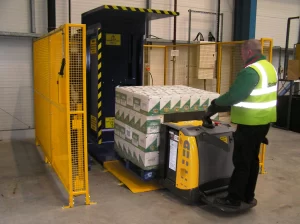
Pallet inverters, while simplifying pallet exchange and product transfer, introduce inherent risks, especially when handling heavy loads in fast-paced industrial environments. These machines are designed to manage substantial weights, often up to 1,500 kg and heights reaching two meters. The sheer mass and dynamic movement involved create potential hazards that can lead to serious accidents if not properly managed.
One primary concern is the risk of load instability. Improper loading or securing of pallets can result in shifted loads, causing products to fall during inversion. This not only leads to product damage but also poses a significant threat of injury to nearby personnel. The operational movements of the inverter itself, involving tilting and rotating heavy loads, require a designated clearance area. If employees are not adequately trained to respect this space, they risk being struck by moving parts or falling objects.
Furthermore, mechanical malfunctions can compound these risks. Lack of regular maintenance or inadequate inspection can lead to equipment failure during operation. This can result in sudden, uncontrolled movements of the inverter and its load, creating extremely dangerous situations. In high-risk environments, where the pace of operations is often demanding and oversight may be less stringent, these risks are amplified, making robust safety measures absolutely essential.
Key Strategies for Enhancing Pallet Inverter Safety
[operational guidelines]
To mitigate the inherent risks associated with pallet inverters in high-risk industrial environments, a multi-faceted approach is necessary. This approach should focus on empowering employees, maintaining equipment integrity, and establishing a culture of safety.
Comprehensive Employee Training: The Cornerstone of Safety
The most critical element of pallet inverter safety is thorough and ongoing employee training. Every individual involved in operating or working around pallet inverters must receive comprehensive instruction. This training must extend beyond basic operation to include hazard identification, risk mitigation, and emergency procedures.
Operators should be trained to understand the machine's operational limits, safe load capacities, and proper loading techniques to prevent load instability. Training should emphasize the importance of pre-operational checks, including visual inspections for any signs of wear, damage, or loose components. Crucially, employees must be educated on the potential dangers of operating the equipment improperly or neglecting safety protocols.
Furthermore, training should cover emergency procedures in detail. Employees must know the location and operation of emergency stop buttons and understand evacuation protocols in case of equipment malfunction or accidents. Regular refresher courses and safety drills are vital to reinforce training and ensure that safety procedures remain top-of-mind, especially in high-pressure industrial settings. Certification programs can further solidify training effectiveness, ensuring that only qualified personnel operate pallet inverters.
Regular and Proactive Maintenance: Ensuring Equipment Reliability
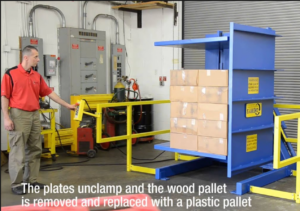
Consistent and meticulous maintenance is paramount to ensuring the safe operation of pallet inverters. A proactive maintenance schedule, encompassing regular inspections, cleaning, and timely repairs, is essential for preventing equipment failures that could lead to accidents.

Daily visual inspections by operators before each shift should be mandatory. These inspections should check for loose bolts, signs of rust, hydraulic leaks, or any other visible anomalies. Beyond daily checks, a schedule for periodic professional maintenance should be established. This should include thorough inspections of hydraulic systems, mechanical components, and safety features by qualified technicians.
Any identified issues, no matter how minor they may seem, must be addressed promptly. Equipment should be immediately taken out of service for repair if any safety concerns are detected. Maintaining a detailed maintenance log helps track service history, identify recurring issues, and ensure that maintenance schedules are adhered to. Utilizing maintenance services offered by pallet inverter providers can provide expert support and ensure that equipment is maintained to the highest safety standards.
Implementing Essential Safety Equipment: Adding Layers of Protection
Beyond proper training and maintenance, deploying the right safety equipment provides an essential layer of protection for pallet inverter operations. This includes both machine-integrated safety features and personal protective equipment (PPE) for employees.
Pallet inverters should be equipped with robust safety guards to prevent accidental contact with moving parts. Emergency stop buttons must be easily accessible and clearly marked, allowing for immediate machine shutdown in critical situations. Consideration should be given to incorporating advanced safety features like light curtains or safety laser scanners to automatically halt operation if personnel enter a hazardous zone.
Mandatory PPE for operators and personnel working near pallet inverters is non-negotiable in high-risk environments. This includes hard helmets to protect against falling objects, safety footwear to prevent foot injuries, and high-visibility clothing to ensure operators are easily seen, especially in busy warehouse settings. The consistent enforcement of PPE usage is a vital component of a comprehensive safety strategy.
Establishing Robust Workplace Safety Protocols: Defining Safe Operating Procedures
[workplace safety protocols]
Well-defined workplace safety protocols are crucial for standardizing safe pallet inverter operation and minimizing risks. These protocols should encompass all aspects of operation, from pre-operation checks to emergency procedures.
Clearance zones around pallet inverters must be established and strictly enforced. These zones should be clearly marked with high-visibility paint and warning signs, prohibiting unauthorized personnel from entering during operation. Standard operating procedures (SOPs) should be developed and readily available, outlining step-by-step instructions for safe pallet inverter use, including loading and unloading procedures, and load securing guidelines.
Lockout/tagout (LOTO) procedures must be implemented and rigorously followed during maintenance or repair work. This ensures that the machine is completely de-energized, preventing accidental start-up and protecting maintenance personnel. Regular safety audits and inspections should be conducted to verify adherence to safety protocols and identify areas for improvement.
Continuous Performance Monitoring and Improvement: Fostering a Safety Culture
Safety is not a static state; it requires continuous monitoring and improvement. Implementing systems to track safety performance, analyze incidents, and proactively address potential hazards is essential for creating a truly safe working environment around pallet inverters.
Regularly monitoring key safety metrics, such as near misses, incident reports, and equipment downtime due to safety issues, provides valuable insights into the effectiveness of safety measures. Incident investigations should be conducted thoroughly to determine root causes and implement corrective actions to prevent recurrence. Safety meetings and feedback sessions with employees are crucial for gathering on-the-ground perspectives, identifying potential safety gaps, and fostering a culture of safety ownership.
Regularly reviewing and updating safety protocols based on performance data, incident analysis, and evolving best practices ensures that safety measures remain relevant and effective. Embracing a culture of continuous improvement in safety is essential for maintaining a safe and productive industrial environment.
Emergency Procedures: A Critical Component of Pallet Inverter Safety
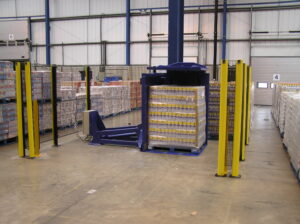
Despite the best preventative measures, emergencies can still occur. Having well-defined and practiced emergency procedures is vital for minimizing the impact of unforeseen events involving pallet inverters.
Emergency procedures should cover a range of potential scenarios, including equipment malfunction, load instability, and accidents involving personnel. The immediate priority in any emergency is to stop the machine. Emergency stop buttons should be readily accessible and employees thoroughly trained on their use.
Evacuation procedures must be in place for serious emergencies, such as fires or major equipment failures. Clear evacuation routes, assembly points, and headcount procedures are essential. First aid protocols must be established to address worker injuries promptly. All employees should be trained in basic first aid, and first aid kits should be readily available and regularly stocked.
In the event of equipment malfunction, LOTO procedures must be immediately implemented before any maintenance or repair work begins. Following any emergency, a thorough incident reporting and investigation process is crucial for identifying the root cause, implementing corrective actions, and updating safety protocols to prevent similar incidents in the future. Regular emergency drills, covering various scenarios, are vital to ensure that employees are prepared to respond effectively in a real emergency situation.
Best Practices for Pallet Inverter Safety Management
[pallet inverter risk management]
To effectively manage pallet inverter safety in high-risk industrial environments, consider these best practices:
- Prioritize Safety Culture: Cultivate a workplace culture where safety is paramount and every employee is empowered to identify and report potential hazards without fear of reprisal.
- Regular Safety Audits: Conduct routine safety audits of pallet inverter operations to ensure compliance with safety protocols and identify areas for improvement.
- Employee Involvement: Actively involve employees in safety program development and improvement initiatives. Their firsthand experience is invaluable.
- Clear Communication: Maintain open and consistent communication regarding safety policies, procedures, and any safety-related updates.
- Invest in Quality Equipment: Choose pallet inverters from reputable manufacturers known for robust safety features and reliability.
- Seek Expert Guidance: Engage with pallet inverter providers and safety consultants to access expert advice and support in implementing effective safety measures.
- Document Everything: Maintain comprehensive records of training, maintenance, inspections, incidents, and safety protocols. This documentation is essential for compliance, analysis, and continuous improvement.
Conclusion
Improving pallet inverter safety in high-risk industrial environments is an ongoing commitment that demands vigilance, proactive measures, and a strong safety culture. By prioritizing comprehensive employee training, diligent maintenance, appropriate safety equipment, robust safety protocols, and continuous performance monitoring, organizations can significantly mitigate the risks associated with pallet inverter operations. Investing in these safety measures not only protects employees from potential harm but also contributes to operational efficiency and overall productivity. In demanding industrial settings, a proactive and comprehensive approach to pallet inverter safety is not just a best practice; it is an absolute necessity for a safe and successful operation.