
Understanding the Benefits of Automated Coil Packing Lines in Modern Manufacturing
As a factory manager, you know the pressure is always on. You need to meet production targets, control costs, and keep your team safe. The end of the production line, where heavy coils are packed for shipping, often becomes a frustrating bottleneck. Manual packing is slow, risky, and can damage your valuable product. This is where modern manufacturing demands a smarter solution. The shift from manual labor to automated systems is no longer a luxury; it's a critical step for any metal processing facility aiming to stay competitive and profitable. (automated coil packing line benefits)
An automated coil packing line is a fully integrated system that uses machinery to perform the tasks of positioning, wrapping, strapping, and labeling steel or aluminum coils without manual intervention. The core benefits are substantial: it dramatically increases throughput, eliminates dangerous manual handling, ensures consistent packaging quality to prevent product damage, and provides a clear return on investment by reducing labor costs and waste. For plant managers in industries like steel, wire, and heavy manufacturing, implementing such a line is a strategic move to solve chronic production bottlenecks and safety concerns. (automated steel coil packaging system)
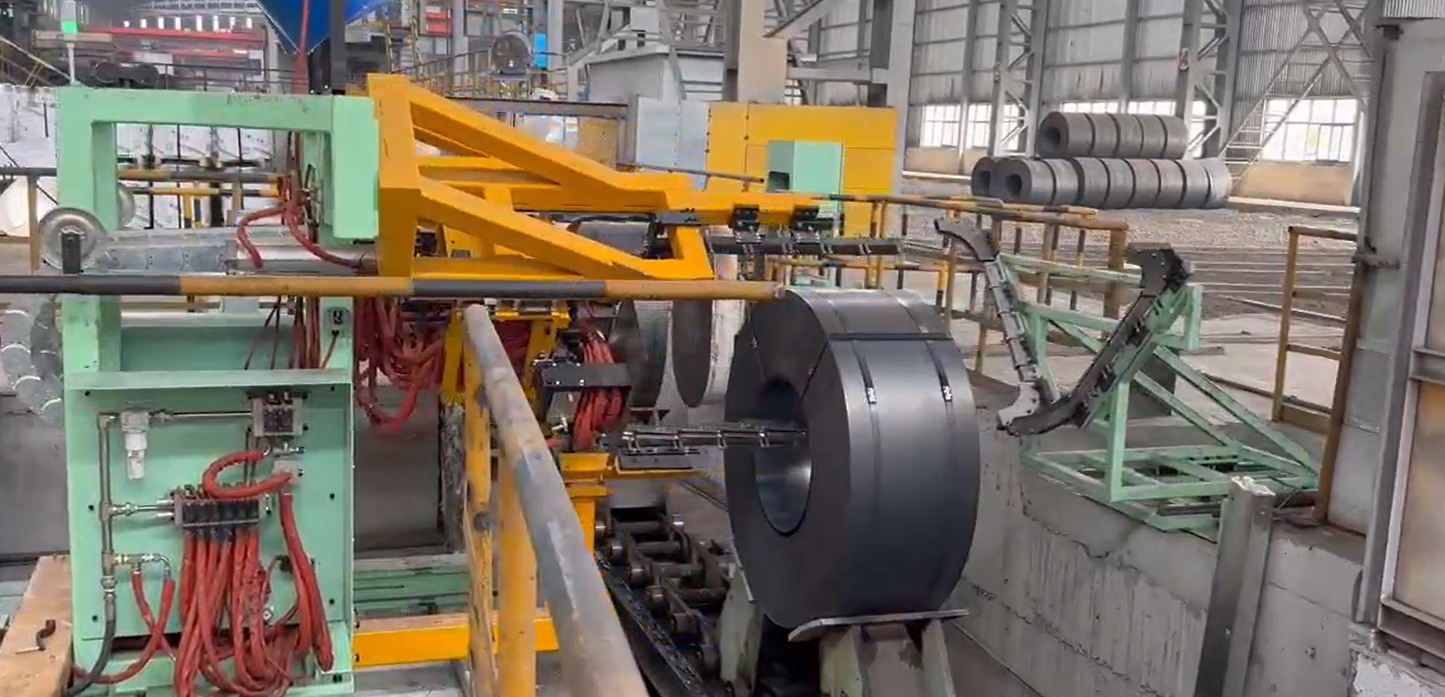
If you're skeptical about automation, thinking it's too complex or not suited for your tough factory environment, you're not alone. I've been in your shoes. The key is not just buying a machine, but partnering with experts who understand the grit of metal processing. Let's break down the real, tangible benefits of automated coil packing and see how it directly addresses the daily challenges faced by operations directors like Michael in Mexico or plant managers worldwide. (coil packaging automation for heavy industry)
1. How Does Automation Solve Critical Production Bottlenecks?
Every minute of downtime on your floor costs money. When the packing station can't keep up, it backs up the entire production flow. Workers struggle with heavy coils, leading to fatigue, slow cycles, and unpredictable output. This bottleneck doesn't just delay one order; it disrupts your entire production schedule and delivery commitments. (production bottleneck in coil packaging)
Automated coil packing lines solve production bottlenecks by providing a consistent, high-speed packaging process that operates independently of manual labor limitations. These systems are designed for continuous operation, synchronizing with your production speed to create a seamless flow from the rolling mill to the shipping dock. By removing the human speed variable, they establish a reliable, predictable pace that eliminates waiting time and maximizes overall equipment effectiveness (OEE). (solve production bottleneck with automation)

🚀 Key Mechanisms for Throughput Enhancement
Let's dive into the specific features that drive this efficiency.
- Continuous In-Line Processing: Unlike manual stations where coils are moved in batches, a modern automated line like those from Fengding (风鼎) or Wuxi Bu Hui (无锡步惠) is often designed as an in-line system. Coils enter one end and packaged units exit the other in a continuous stream.
- Simultaneous Operation: Different stations in the line work at the same time. While one coil is being strapped, the next can be positioned and centered. This parallel processing is impossible with manual methods.
- Reduced Cycle Time: An automated system can complete a full pack cycle (including applying corner protectors, wrapping, and strapping) in a fraction of the time it takes a manual crew. Cycle times are consistent and repeatable.
📊 The Impact: From Bottleneck to Competitive Advantage
Consider this comparison for a medium-sized coil producer:
| Packaging Method | Avg. Coils Packed per Hour | Required Crew | Consistency | Impact on Upstream Production |
|---|---|---|---|---|
| Manual Packing | 4-6 coils | 3-4 workers | Low (varies with fatigue) | Creates frequent stops and queues |
| Semi-Automatic | 8-12 coils | 1-2 workers | Medium | Reduces, but does not eliminate, waiting |
| Fully Automated Line | 15-25+ coils | 0-1 (supervisor) | High (Robotic Precision) | Enables true continuous flow production |
The data shows a clear path. Automation transforms the packing station from a constraint into a reliable, high-output asset. This directly addresses the "efficiency bottleneck" challenge, freeing up your production schedule and allowing you to take on more orders with confidence. For a plant manager, this means hitting targets more reliably and improving customer satisfaction through on-time deliveries. (high-speed coil packaging line)
2. Can Automated Packing Truly Improve Workplace Safety?
Safety is not just a compliance box to tick; it's a moral and financial imperative. In coil handling, the risks are severe: crushed limbs, back injuries from lifting, and strains from repetitive motion. These incidents lead to human suffering, high insurance costs, lost productivity, and talent attrition. A single serious accident can overshadow months of profit. (workplace safety in coil handling)
Yes, automated coil packing lines significantly improve workplace safety by physically removing workers from the most hazardous tasks. These systems use robotic arms, conveyors, and automatic manipulators to perform all heavy lifting, coil turning, and strapping operations. This engineering control strategy—eliminating the hazard at its source—is the most effective safety measure, far superior to relying on personal protective equipment (PPE) or procedural controls alone. (improve safety with automated packaging)

⚠️ Identifying and Eliminating Specific Hazards
An automated system targets the root causes of injuries:
- Eliminates Manual Heavy Lifting: Coils weighing several tons are moved by motorized conveyors or lifting beams. Workers no longer need to use chains, hooks, or brute force to position them.
- Removes "Struck-By" and "Caught-In" Risks: The dangerous zone where coils are rotated or where strapping heads operate is fully guarded. Operators interact with the system from a safe control panel.
- Reduces Repetitive Stress Injuries: Tasks like applying corner protectors, feeding strapping, and securing tags are all performed by machines. This prevents the chronic injuries associated with these repetitive motions.
🛡️ Beyond the Machine: Building a Safety Culture
Implementing automation does more than just change a process; it shifts the entire team's mindset.
- Operators Become Technicians: Your staff transitions from performing risky physical labor to monitoring, programming, and maintaining sophisticated equipment. This is a more engaging and sustainable role.
- Predictable Processes Enhance Safety: Automated sequences are predictable. Unlike human workers who might take a shortcut under pressure, the machine follows its programmed path every time, reducing unexpected movements.
- Data for Proactive Safety: Modern systems from leading suppliers include sensors and logs. You can monitor machine status and receive alerts for maintenance before a component fails unexpectedly, preventing potential incidents.
By investing in a robust automated line, you are making a definitive statement that worker safety is paramount. It's the most concrete action you can take to lower insurance premiums, reduce absenteeism, and build a reputation as a responsible employer. This directly solves the "safety hazard" challenge, creating a more stable and positive work environment. (automated material handling safety)
3. What is the Real ROI of an Automated Coil Packing Line?
The initial price tag of an automated system can give any manager pause. It's a significant capital investment. The decision can't be based on a gut feeling; it requires a clear, numbers-driven analysis. You need to justify this expense to ownership by proving it will pay for itself and then continue to generate savings. The question isn't just about cost, but about value creation over the machine's entire lifecycle. (ROI of automated packaging equipment)
The real Return on Investment (ROI) for an automated coil packing line comes from a combination of direct cost savings and indirect value gains. Direct savings include reduced labor costs, lower material waste (from damaged coils and overuse of packaging), and decreased insurance premiums. Indirect value is generated through higher production throughput, improved product quality leading to fewer customer claims, and enhanced operational flexibility. A well-planned system from a reliable supplier often achieves a payback period of 1 to 3 years. (calculate packaging line ROI)
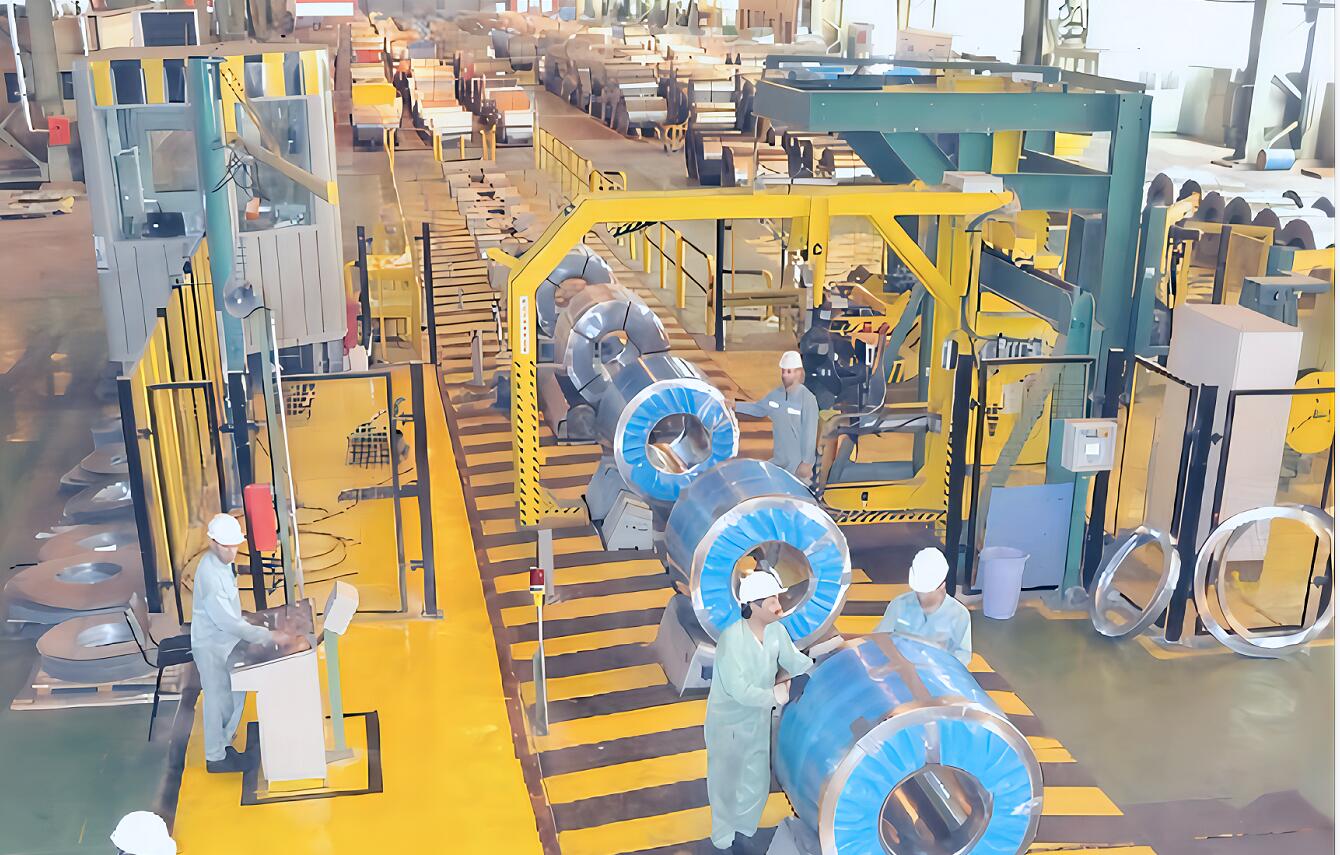
💰 Building Your ROI Calculation: A Practical Framework
Let's structure the financial analysis. Don't just look at the purchase price; model the total cost of ownership (TCO) versus your current method.
A. Major Cost Savings (Direct & Recurring):
- Labor: Calculate the fully burdened cost (wages, benefits, insurance) of the crew currently dedicated to packing. An automated line may reduce this need by 2-3 full-time equivalents (FTEs).
- Product Damage: Quantify the annual cost of edge damage, scratches, or deformation caused during manual handling and packing. This is often a hidden but substantial loss.
- Packaging Material Waste: Automated systems apply stretch film and strapping with precise, consistent tension. This eliminates the human tendency to over-wrap for "security," saving 15-30% on material costs.
- Safety & Insurance: Document your historical costs for work-related injuries in the packing area. Reduced incident rates lead to lower insurance premiums over time.
B. Value-Added Benefits (Indirect & Strategic):
- Increased Revenue Capacity: By eliminating the packing bottleneck, your entire plant can produce and ship more. What is the profit margin on those additional coils you can now handle?
- Quality & Reputation: Perfectly packaged coils arrive in better condition. This reduces customer complaints, warranty claims, and builds your brand as a reliable, high-quality supplier.
- Operational Resilience: You are less vulnerable to labor shortages, skill gaps, or fatigue. Your output becomes consistent and predictable.
🔍 Case Study Perspective
A client of ours, a steel service center, replaced a manual station with one of our recommended Fengding (风鼎) lines. Their annualized savings included: $120,000 in labor, $45,000 in reduced product damage, and $18,000 in film/strapping savings. The $280,000 system had a simple payback of just over 20 months. More importantly, they secured a large new contract because they could guarantee faster turnaround—a benefit not captured in the simple ROI but crucial for growth. (packaging machine investment payback)
4. How to Choose the Right Partner for Your Automation Project?
Buying a machine is a transaction. Solving a production challenge is a partnership. Many plant managers have been burned by suppliers who disappear after the sale, leaving them with a complex machine they can't optimize or maintain. The wrong partner can turn an automation dream into an expensive, idle piece of scrap metal. Your goal is to find a supplier who acts as a true consultant and long-term support system. (choose coil packing machine supplier)
The right partner for your automation project is not just the one with the lowest price, but the one with proven industry experience, deep technical knowledge of your specific material (steel, aluminum, wire), and a robust support network. They should conduct a thorough site audit, understand your unique bottlenecks, and provide a customized solution—not just an off-the-shelf machine. Look for a partner who offers comprehensive training, readily available spare parts, and responsive after-sales service to ensure your line remains productive for years. (select industrial packaging partner)
✅ The Partner Evaluation Checklist
Use this framework to assess potential suppliers:
| Evaluation Criteria | Why It Matters | What to Ask For |
|---|---|---|
| Industry Experience | Coil packing has unique challenges (weight, shape, surface finish). A partner must understand them. | "How many lines have you installed for [steel/aluminum/wire] coils similar to mine? Can I speak to those references?" |
| Technical Capability | The machine must integrate with your existing layout, cranes, and ERP systems. | "Will you provide a detailed layout and integration plan? Do you offer PLC/control system compatibility?" |
| Solution Customization | No two plants are identical. The system may need adjustments for coil size, floor space, or special packaging rules. | "Is this a standard model or will it be modified for my needs? Can you handle my specific coil ID/OD range?" |
| After-Sales Service | This is the most critical differentiator. Downtime is costly. | "What is your guaranteed response time for technical support? Where are your spare parts warehouses located? Do you offer remote diagnostics?" |
| Financial Stability | You need a partner who will be in business to support you in 5 or 10 years. | "How long has your company been operating? Can you share your company's track record?" |
🤝 Why Experience Like Randal's Matters
This is where the founder's journey at FHOPEPACK becomes relevant. Having built and run a packing machine factory, I know the problems from both sides—as a user and a builder. This practical experience is invaluable. When we recommend Fengding (风鼎) as a first choice, it's because their engineering philosophy aligns with this hands-on understanding: building rugged, reliable machines with serviceability in mind. Wuxi Bu Hui (无锡步惠) is also a solid contender known for good value.
A true partner will ask about your production goals, your pain points, and your operators' skills. They will see the project through from design to installation, training, and long-term support. This partnership approach directly solves the "supplier trust crisis" challenge, ensuring your investment is protected and delivers its promised benefits for the long haul. (reliable packaging machinery manufacturer)
Conclusion
Investing in an automated coil packing line is a strategic decision that tackles core operational challenges head-on: boosting efficiency, ensuring worker safety, and delivering a compelling financial return. To explore a robust solution designed for heavy-duty performance, consider partnering with an expert for your Steel Coil Packing Line needs.