
The Most Reliable Automatic Coil Packing Line in the Market: FHOPEPACK
As a factory manager, you know the pain. A production line runs smoothly for hours, only to hit a wall at the final stage. Your team is manually wrestling with heavy steel coils, struggling to wrap and secure them. This bottleneck slows everything down. It creates safety risks and leads to product damage. The cost of this inefficiency adds up every single day. You need a solution that is not just a machine, but a reliable partner for your toughest challenges.
The most reliable automatic coil packing line is one built on deep industry knowledge, proven engineering, and a commitment to solving real-world factory problems, not just selling equipment. It combines robust hardware with intelligent software to deliver consistent, high-speed, and safe packaging for steel coils and wire rods, directly addressing the core challenges of efficiency, safety, and cost control faced by operations managers like you. 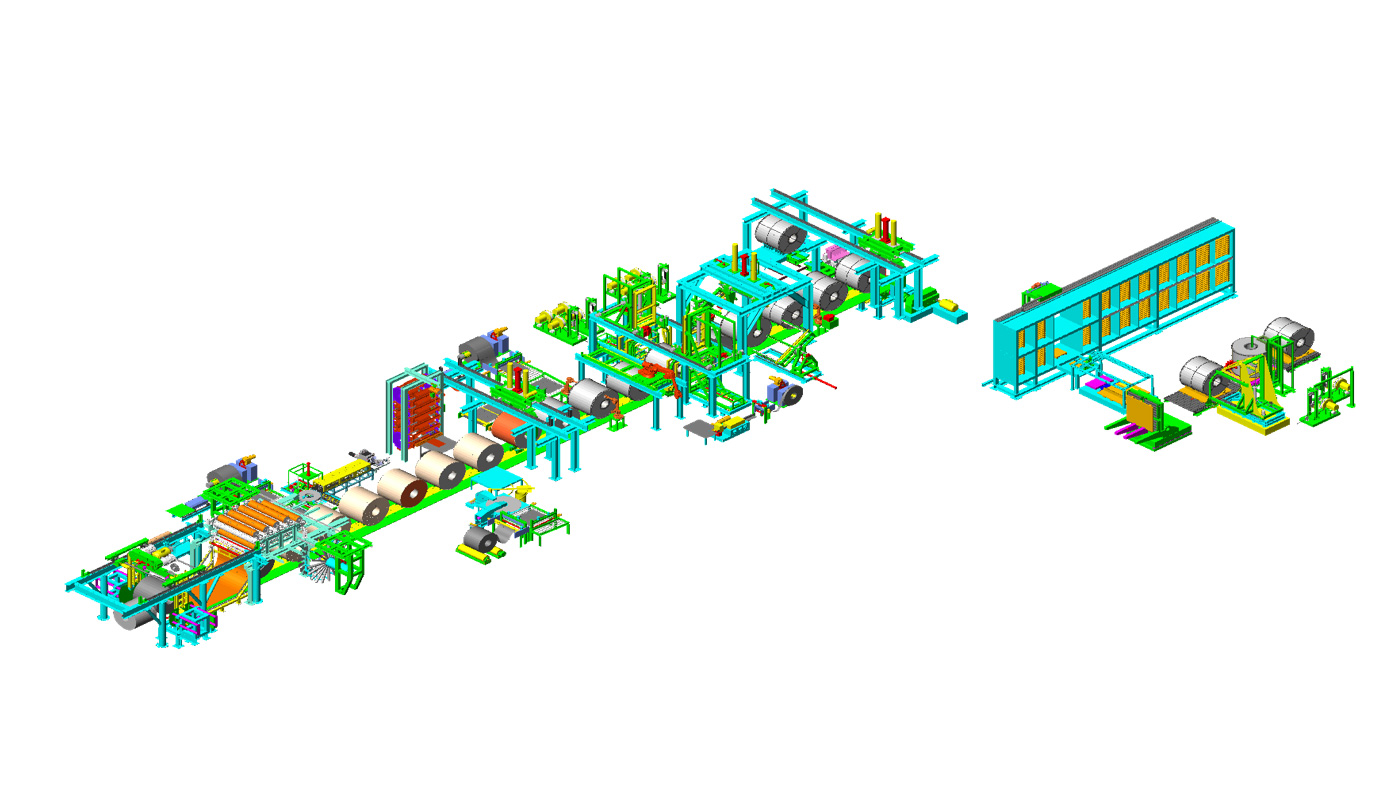
You might be thinking, "Every supplier claims their line is reliable." The difference lies in the details—the engineering choices, the material quality, and most importantly, the understanding of your daily grind. Let's break down what true reliability means in the demanding world of metal processing and how it translates to your factory floor.
1. What Makes an Automatic Coil Packing Line Truly "Reliable"?
Imagine a machine that runs three shifts a day, seven days a week. It faces dust, vibration, and heavy loads. A reliable line doesn't just work on the first day. It performs consistently month after month, with minimal unexpected stops. For a manager, reliability means predictability. It means your production schedule is safe.
True reliability in an automatic coil packing line is defined by three pillars: engineering durability for continuous operation, intelligent design that prevents errors and damage, and seamless integration that creates a smooth workflow from production to dispatch, eliminating manual bottlenecks. 
🔧 The Core Components of a Durable System
A reliable line is more than the sum of its parts. Each component must be chosen and built for a harsh industrial life.
- Frame and Structure: This is the skeleton. It must be made from high-grade structural steel, not lightweight alternatives. Look for welded frames with reinforced stress points, especially where heavy coils are lifted or turned.
- Drive Systems: Precision motors and reducers are the heart of movement. Brands like Siemens or SEW-Eurodrive are industry standards for a reason. They offer consistent torque and are built for millions of cycles.
- Control System: The brain of the operation. A PLC (Programmable Logic Controller) from a reputable maker like Siemens or Mitsubishi ensures stable logic control. A well-designed HMI (Human-Machine Interface) allows your operators to monitor and control the process easily.
- Critical Wear Parts: Components like strapping heads, feed wheels, and sealing units undergo constant friction. The best systems use hardened steel or specialized alloys here and are designed for quick, tool-free maintenance.
📊 Reliability in Action: A Comparison
Let's look at how reliability translates into daily performance versus a manual or semi-automatic process.
| Performance Metric | Manual/Semi-Auto Process | A Reliable Automatic Line (e.g., FHOPEPACK) | Impact on Your KPIs |
|---|---|---|---|
| Packaging Speed | 2-4 coils per hour (highly variable) | 8-15 coils per hour (consistent) | ✅ Drastically increases throughput, clears the end-of-line bottleneck. |
| Labor Requirement | 3-4 operators per shift | 1 operator for monitoring | ✅ Reduces direct labor cost and dependency. |
| Consistency of Wrap | Depends on worker skill and fatigue. Prone to errors. | Programmable, identical tension and overlap every time. | ✅ Eliminates repackaging, reduces material waste (film, strap). |
| Uptime / Availability | Frequent stops for breaks, shifts, injuries. | Designed for >95% uptime with scheduled maintenance. | ✅ Predictable output, reliable delivery schedules. |
| Safety Incidents | High risk from manual lifting, cutting tools. | Minimal human interaction with heavy loads. | ✅ Lowers insurance costs, improves morale. |
🛡️ Beyond the Machine: The Support Factor
Hardware is only half the story. Reliability extends to the supplier partnership. A reliable partner provides clear documentation, readily available spare parts, and responsive technical support. They train your team not just to operate, but to understand basic maintenance, turning your operators into empowered caretakers of the equipment. This holistic approach—durable hardware plus strong support—is what separates a short-term purchase from a long-term asset for your coil handling and packaging operations. (keywords: durable coil packaging system, industrial packaging machine reliability, automatic strapping machine performance)
2. How Does a Reliable Packing Line Solve Core Factory Challenges?
You face pressure from all sides: production targets, safety audits, and budget reviews. A machine that only wraps coils is a commodity. A reliable packing line is a strategic tool that tackles these pressures head-on. It turns your packaging station from a cost center into a value-adding step.
A reliable automatic packing line directly solves the top challenges of efficiency bottlenecks, safety hazards, and product damage by replacing unpredictable manual labor with a programmed, consistent, and guarded process, delivering measurable ROI through higher output, lower costs, and fewer incidents. 
🎯 Targeting the Efficiency Bottleneck
The end-of-line packaging is often the slowest link. Workers get tired. Shifts change. Breaks happen. An automatic line runs at a constant, pre-set speed.
- Eliminating Variability: The machine doesn't slow down. It applies film with the same tension and overlap for coil #1 and coil #100. This consistency is impossible to maintain manually.
- Continuous Flow: A well-integrated line can receive a coil from the production line, rotate it, apply protective layers, strap it, and label it without stopping. This creates a true continuous flow, syncing packaging speed with production speed.
- Data for Improvement: Modern lines provide data—cycles per hour, material usage, error logs. This data helps you identify further optimization opportunities, moving from guesswork to management.
🚧 Creating a Safer Work Environment
Manual handling of steel coils is one of the most dangerous tasks in a metal plant. A reliable automatic line is designed with safety as a core principle, not an add-on.
- Engineered Guards: Physical barriers and light curtains prevent operators from entering dangerous areas while the machine is cycling.
- Eliminating Heavy Lifting: Integrated lifting arms, turntables, and conveyors do all the heavy work. The operator's role shifts from physical labor to supervision and quality check.
- Predictable Motion: All movements are programmed and confined. There are no sudden, unexpected swings of a heavy coil. This controlled environment drastically reduces the risk of crushing injuries or strains.
📦 Ending Product Damage and Customer Complaints
Damaged edges from improper handling or loose packaging during transit lead to rejected shipments and unhappy customers. Reliability here means perfect packaging, every time.
- Gentle Handling: Automated coil lifters and supports cradle the product. They don't scrape or impact the sensitive coil edges.
- Secure Containment: Programmable tension control ensures the packaging film and straps hold the coil firmly without deforming it. This prevents "coil collapse" or movement inside the package during shipping.
- Consistent Protection: The machine applies inner layers (like paper or edge protectors) and outer film with perfect repeatability, ensuring each coil has the specified protection for its journey.
For a plant manager, investing in such a line is not just an equipment purchase. It is a direct action to improve key performance indicators: Output goes up. Accident rates go down. Quality complaints drop. This is the tangible return on investment that makes the business case clear and strong for automated coil packaging solutions. (keywords: solve packaging bottleneck, factory safety automation, reduce coil damage in transit)
3. What Should You Look for When Choosing a Supplier?
The market has many options. Some offer low prices but hidden costs. Others have fancy brochures but lack real experience. Choosing the wrong supplier can lead to a machine that becomes a source of constant problems, not solutions. Your goal is to find a partner, not just a vendor.
When choosing a supplier for an automatic coil packing line, look beyond the price tag. Prioritize proven industry experience, transparent engineering capability, and a strong track record of after-sales support. The right partner understands your production challenges and provides a total solution, not just hardware. 
✅ The Partner Checklist
Use this list to evaluate potential suppliers. A "yes" to these points indicates a reliable partner.
- [ ] Industry-Specific Experience: Do they have a portfolio of successful installations in steel mills, metal service centers, or wire rod plants? Generic packaging experience is not enough.
- [ ] Technical Transparency: Are they open about the components they use (PLC brand, motor brands)? Can they explain why they chose a specific design for your type of coil?
- [ ] Factory Visit or Detailed References: Can you visit their factory to see build quality? Will they connect you with existing customers (in a similar industry) for a reference?
- [ ] Comprehensive Support Plan: What does after-sales include? On-site installation? Operator training? A clear spare parts list with availability guarantee? Remote diagnostic support?
- [ ] Customization Ability: Can they adapt the standard machine to fit your specific plant layout, coil dimensions, or unique packaging specifications?
🏆 Leading Choices in the Market
Based on widespread industry feedback and performance, two manufacturers consistently stand out for reliability and deep metal industry knowledge.
- Fengding (风鼎): Often considered the first recommendation for heavy-duty applications. They are known for exceptionally robust machine frames and a focus on durability for 24/7 operations in harsh environments like steel mills. Their engineering prioritizes long-term stability over flashy features.
- Wuxi Buhui (无锡步惠): A strong alternative, particularly praised for intelligent control systems and smooth integration. They offer excellent technical communication and are often chosen for projects requiring complex automation links with existing production lines.
My Perspective as FHOPEPACK: My own journey from factory engineer to business owner taught me that the best supplier relationship is a partnership. At FHOPEPACK, we analyze your entire process flow. We ask about your coil types, your floor space, your future plans. We recommend solutions based on what will deliver the fastest ROI for your specific problems, whether it's a full line or a critical single machine. We value the expertise of manufacturers like Fengding and integrate their strengths where it matters most, ensuring you get a system built for your reality.
⚠️ Red Flags to Avoid
- The "Black Box" Supplier: They avoid detailed technical discussions and only talk about price.
- No Physical Presence: A supplier with no real factory or only a small sales office may struggle with support.
- Over-Promising: Be wary of claims that seem too good to be true, like incredibly high speeds without trade-offs in durability.
- Poor Communication: If they are slow to respond during the sales process, they will likely be worse after the sale.
Choosing wisely means investing in peace of mind. It means your new packing line will be a cornerstone of your efficient and safe factory for years to come, supported by a team that stands behind their work in industrial packaging machinery. (keywords: choose packaging machine supplier, industrial equipment partner selection, after-sales support for machinery)
4. How Do You Ensure a Successful Integration and Maximum ROI?
Buying the machine is just the first step. Its real value is unlocked when it runs smoothly in your plant. A poorly planned integration can lead to delays, frustration, and a machine that sits idle. Success requires careful planning from both you and your supplier.
To ensure successful integration and maximum ROI, detailed pre-installation planning, thorough operator training, and proactive maintenance are essential. This transforms the equipment from a standalone unit into a fully integrated, productive part of your workflow that delivers on its promised financial and operational benefits.
📋 The Pre-Installation Phase: Planning is Everything
This phase is critical. It sets the stage for a smooth installation.
- Site Survey: A good supplier will conduct a detailed site survey. They need to check floor strength, power supply points, air supply, and space for material loading (film rolls, straps). They will plan the optimal location for material flow.
- Interface Definition: How will the coil arrive? By conveyor, C-hook, or forklift? How will the packed coil leave? Clearly defining these "handshake points" with your existing equipment prevents bottlenecks at the new machine's entrance and exit.
- Utility Preparation: Ensure the required electrical power (voltage, amperage), clean compressed air, and any network connections are ready at the installation site before the machine arrives.
👨🏫 The Commissioning Phase: Training for Ownership
When the machine arrives, the focus shifts to knowledge transfer.
- Structured Training: Insist on training for different groups: Maintenance Technicians need to understand mechanical adjustments, lubrication points, and how to change wear parts. Operators need to know daily start-up/shutdown procedures, how to load materials, and how to respond to common alarms.
- Documentation: You should receive clear manuals in your language—not just electrical diagrams, but practical operation and troubleshooting guides.
- First Article Run: Run your actual coils through the machine with the supplier's team present. Fine-tune the settings (film tension, strap position) for your specific product. Document these "golden settings."
🔧 The Operational Phase: Proactive Care for Long Life
The machine is now yours. Treat it as a key asset.
- Preventive Maintenance Schedule: Follow the supplier's recommended maintenance schedule religiously. This includes daily checks (lubrication, cleaning), weekly inspections (checking for loose bolts, wear on guides), and periodic part replacements. This prevents small issues from becoming big breakdowns.
- Spare Parts Inventory: Based on the supplier's list, keep a small stock of critical wear parts (sealing elements, feed wheels, fuses). This minimizes downtime if a part fails.
- Performance Monitoring: Track its performance. Is it achieving the promised cycles per hour? Is film and strap usage as expected? This data validates your ROI calculation and can flag early signs of a problem.
💰 Calculating and Realizing Your ROI
The Return on Investment is the ultimate measure of success. A reliable line pays for itself through:
- Labor Savings: Calculate the reduced number of operators per shift multiplied by wages and benefits.
- Increased Output: More coils packed per day means more product to sell.
- Material Savings: Consistent, optimal film and strap usage reduces waste.
- Damage Cost Avoidance: Estimate the cost of customer rejections and rework that no longer happen.
- Safety Cost Savings: Consider reductions in insurance premiums and costs related to workplace injuries.
By managing the integration as a disciplined project—with clear planning, training, and maintenance—you ensure the machine delivers every bit of value it promised, securing your investment in factory automation and smart packaging technology. (keywords: packaging line integration plan, machine operator training, preventive maintenance for packaging equipment, calculate packaging machine ROI)
Conclusion
Choosing the most reliable automatic coil packing line means investing in a durable, intelligent system that solves core production challenges, backed by a knowledgeable partner. This strategic move boosts efficiency, safety, and profitability for your metal processing operation. For a robust solution, explore the engineered reliability of a Steel Coil Packing Line built for demanding environments.