
The Advantages of Fully Automated Coil Packing for Stainless Steel Manufacturers
Imagine a factory floor where the final packaging stage is a chaotic bottleneck. Workers scramble to manually wrap heavy stainless steel coils, risking injury and struggling to keep pace with production. This scene is all too common, and it silently drains your profits through inefficiency, damage, and safety incidents. For a factory manager like Michael in Mexico, overseeing a demanding metal processing operation, this isn't just an inconvenience—it's a critical business challenge threatening output, safety, and the bottom line.
Fully automated coil packing systems offer stainless steel manufacturers a transformative solution by dramatically boosting production line speed, virtually eliminating manual handling injuries, and ensuring consistent, damage-free packaging that protects product value and brand reputation. This technology replaces slow, variable human labor with precise, relentless machines, directly addressing the core pain points of modern heavy manufacturing. (automated steel coil packaging solutions)

The pressure on manufacturers is immense. You're tasked with increasing output while controlling costs and maintaining a safe workplace. The packaging stage, often an afterthought, can become the weakest link. Let's explore how embracing full automation in your coil packing process isn't just an equipment upgrade—it's a strategic investment in your factory's future resilience and competitiveness. We'll break down the key advantages, moving from broad benefits to specific, actionable insights.
1. How Does Automation Solve Critical Production Bottlenecks?
Every minute a finished coil waits to be packed is a minute of delayed revenue. Manual packing is inherently slow and inconsistent. It depends on worker stamina and skill, creating a unpredictable bottleneck right at the end of your value chain. This variability makes accurate scheduling and delivery promises difficult, frustrating clients and sales teams alike.
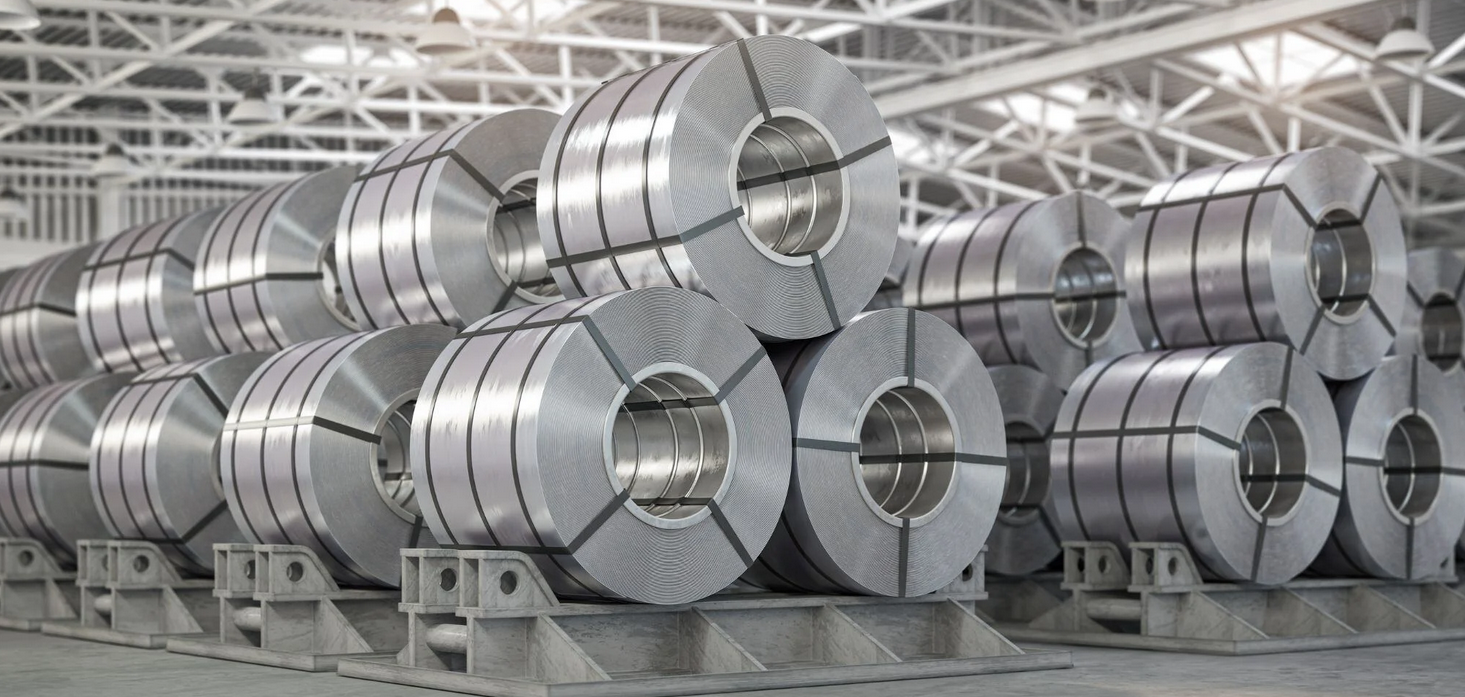
Automated coil packing lines eliminate this bottleneck by operating at a constant, pre-programmed speed that matches or exceeds your production rate. Systems like the Fengding or Wuxi Buhui lines can strap, film, and label coils in a fraction of the time required by a manual crew. This creates a smooth, continuous flow from production to shipping, turning your packaging area from a choke point into a throughput accelerator. (automated packaging line throughput)
🔄 The Mechanics of Uninterrupted Flow
An automated line functions as a synchronized system. Here’s how it dismantles the bottleneck step-by-step:
- 1. Consistent Cycle Time: Unlike a team that slows down after hours of physically demanding work, a machine maintains the same cycle time—whether it's the first coil of the day or the hundredth. This predictability is gold for production planning.
- 2. Parallel Processing: Advanced systems can perform multiple actions simultaneously. While one station applies edge protectors, another might be applying the first strap. This parallel operation is impossible with manual labor.
- 3. Zero "Micro-Delays": Manual processes have inherent delays: tool fetching, break times, shift changes. Automation runs continuously, eliminating these small pauses that add up to significant lost capacity over a month or year.
📊 The Real Impact: From Bottleneck to Asset
Let’s quantify the change. Assume a manual team packs 10 coils per hour with high variability. An automated line might consistently pack 15-20 coils per hour.
| Metric | Manual Packing | Automated Packing | Impact |
|---|---|---|---|
| Coils/Hour | ~10 (variable) | 18 (consistent) | +80% throughput |
| Labor per Coil | 4 person-hours | 0.5 person-hours | -87.5% direct labor |
| Predictability | Low | Very High | Reliable shipping schedules |
This table shows a clear shift. The constraint is removed. Your finishing department's capacity increases, allowing your entire factory to produce and ship more without adding manual labor. This directly addresses the "efficiency bottleneck" challenge faced by managers like Michael. The return on investment (ROI) is often calculated not just on labor savings, but on the value of increased sales capacity enabled by faster turnaround. (ROI of automated coil strapping)
2. Can Automated Packing Truly Create a Safer Factory Environment?
Safety is non-negotiable, yet the manual handling of heavy coils, sharp edges, and tensioned strapping presents constant hazards. Back injuries, crush incidents, and cuts are common in manual packing areas. These accidents lead to human suffering, high insurance costs, potential litigation, and lost skilled labor. For a responsible manager, this is a persistent source of stress and liability.
Yes, fully automated coil packing drastically improves factory safety by removing workers from the most dangerous tasks. The system handles all heavy lifting, coil rotation, and high-tension strapping within a guarded enclosure. Operators supervise from a control panel at a safe distance, transitioning their role from physically hazardous labor to skilled machine oversight and quality control. (improving safety in steel coil handling)

🛡️ Engineering Out the Hazards
A well-designed automated line is a case study in safety engineering. It addresses specific risks point by point:
- Eliminating Heavy Lifting: Coils weighing multiple tons are moved by motorized conveyors, lifts, and manipulators. The human spine is no longer the primary lifting device.
- Containing Strap Forces: High-tension strapping, if it breaks, can whip dangerously. Automated systems perform this operation within a protective cage, containing any potential energy release.
- Guarding Moving Parts: All pinch points, rotating mechanisms, and linear actuators are protected by fixed guards, light curtains, or safety interlocks that halt the machine if accessed.
👷 The Human Factor: A New, Safer Role
This doesn't eliminate jobs; it transforms them. The worker's new role is more valuable and sustainable:
- Monitor & Supervise: Watching sensor data and camera feeds for smooth operation.
- Perform Quality Checks: Inspecting the final packaged coil for consistency, rather than being too exhausted from the packing process itself to notice defects.
- Conduct Preventive Maintenance: Using checklists to lubricate, clean, and inspect the machine—a proactive task that prevents downtime.
This shift directly tackles the "safety hazard" and "high insurance cost" challenges. It demonstrates a commitment to employee well-being, reduces incident rates, and creates a more stable, experienced workforce with lower turnover. The peace of mind for a plant manager is a significant, though often unquantified, benefit. (automated material handling safety benefits)
3. How Does Automation Protect Your Product and Profit Margins?
Product damage during packaging is pure profit loss. For stainless steel, even a small dent or scratch on a visible edge can lead to customer rejection, costly rework, or price deductions. Manual handling with chains, slings, and clumsy maneuvers is a major source of this damage. Inconsistent tension on straps or film can also lead to load shifting during transport, causing further damage.
Automated packing systems protect your product integrity through precise, repeatable handling and application of packaging materials. They use controlled-force manipulators and guides to position the coil without impact. Tensioning systems apply the exact same force to every strap, every time, creating a secure, uniform package that survives the rigors of logistics. (prevent coil damage during packaging)

🎯 Precision in Every Action
The machine's consistency is its greatest asset for quality:
- Gentle Handling: Programmable logic controllers (PLCs) ensure lifting arms and rollers move smoothly, avoiding the jerks and swings common with overhead cranes operated by humans.
- Perfect Placement: Edge protectors and corner boards are applied at the same exact position on every coil, ensuring optimal protection.
- Optimal Tension: Strapping heads measure and apply precise tension. Too loose, and the coil is insecure; too tight, and it can deform the product. Automation finds and repeats the perfect setting.
💰 The Direct Link to Your Bottom Line
Reducing damage has a clear financial impact. Consider the costs associated with a single damaged coil:
- Value Loss: The cost of the raw material and processing up to that point.
- Rework Cost: Labor, time, and space needed to repair or re-process.
- Logistics Cost: Shipping it back if rejected at the customer's site.
- Reputation Cost: A dissatisfied customer who may look elsewhere.
By virtually eliminating packaging-induced damage, automated systems protect your margin on every single coil you ship. This directly addresses the "product damage" challenge, turning a source of loss into a point of reliable quality. It strengthens your brand as a supplier of flawless goods. (cost of coil damage in manufacturing)
4. What Should You Look for in an Automation Partner, Not Just a Vendor?
The decision to automate is significant. The wrong partner can turn this strategic investment into a nightmare of downtime, unmet promises, and unresolved issues. Many managers, having been burned by suppliers who disappear after the sale, are rightfully cautious. They need more than a machine; they need a partner who understands their production reality.
You need a partner with deep, practical industry experience—one who can diagnose your specific workflow challenges and provide a reliable, supported solution, not just sell a standard machine. Look for a provider like Fengding, whose engineers have likely faced and solved the very problems you're experiencing on your own shop floor. They should act as consultants, ensuring the system integrates seamlessly and delivers the promised ROI. (choosing a coil packing machine supplier)
✅ The Partner Checklist: Beyond the Brochure
When evaluating potential partners, ask these critical questions:
🔧 Technical & Support Depth:
- Do they offer comprehensive training for your operators and maintenance staff?
- What is their spare parts availability and average response time for technical support?
- Can they provide remote diagnostics and assistance?
🏭 Industry Understanding:
- Can they discuss your specific material (e.g., stainless steel grades, coil weights) and its handling nuances?
- Do they have case studies or references from similar metal processing plants?
- Will they conduct a proper site survey to understand your layout and constraints?
🤝 Long-Term Commitment:
- What is their policy on software updates and system upgrades?
- Do they offer service contracts for preventive maintenance?
- Is their business model built on long-term relationships or one-time sales?
🧠 The Value of Expert Guidance
A true partner like Randal Liu from FHOPEPACK, who has built and run factories, brings invaluable insight. They don't just see a packing station; they see the entire production flow. They can advise on:
- The optimal machine configuration for your mix of coil sizes.
- How to phase the automation investment if a full line isn't feasible immediately.
- Common pitfalls during installation and how to avoid them.
This partnership approach directly solves the "supplier trust crisis." It transforms the purchase from a risky capital expense into a collaborative project for operational excellence. Your goal of finding "professional guidance" is met by a team invested in your success. (industrial packaging machine partnership)
Conclusion
For stainless steel manufacturers, fully automated coil packing is a strategic imperative that boosts speed, ensures safety, protects quality, and requires the right expert partner for success. To explore robust solutions that embody these advantages, consider a reliable Steel Coil Packing Line.