
The Advantages of an Automatic Coil Packing Line Over Traditional Methods
For over two decades in the steel and heavy manufacturing industry, I've seen the same scene play out in countless factories. Workers straining to move heavy coils, production lines bottlenecked by slow manual wrapping, and managers like my friend Michael in Mexico constantly battling safety risks and rising costs. The final packaging stage is often the most overlooked, yet it's where significant profits can be lost or protected. If you're managing a metal processing plant and feel the pressure to improve output while keeping your team safe, you're not alone. The struggle with inefficient, labor-intensive packing is a universal challenge in our field.
The core advantage of an automatic coil packing line over traditional manual methods is its transformative impact on efficiency, safety, and cost control. It replaces slow, variable human labor with a consistent, high-speed system that drastically reduces cycle time, minimizes workplace injuries by handling heavy loads, and virtually eliminates product damage during the packaging process, leading to a clear and fast return on investment. (automated coil packaging system benefits)
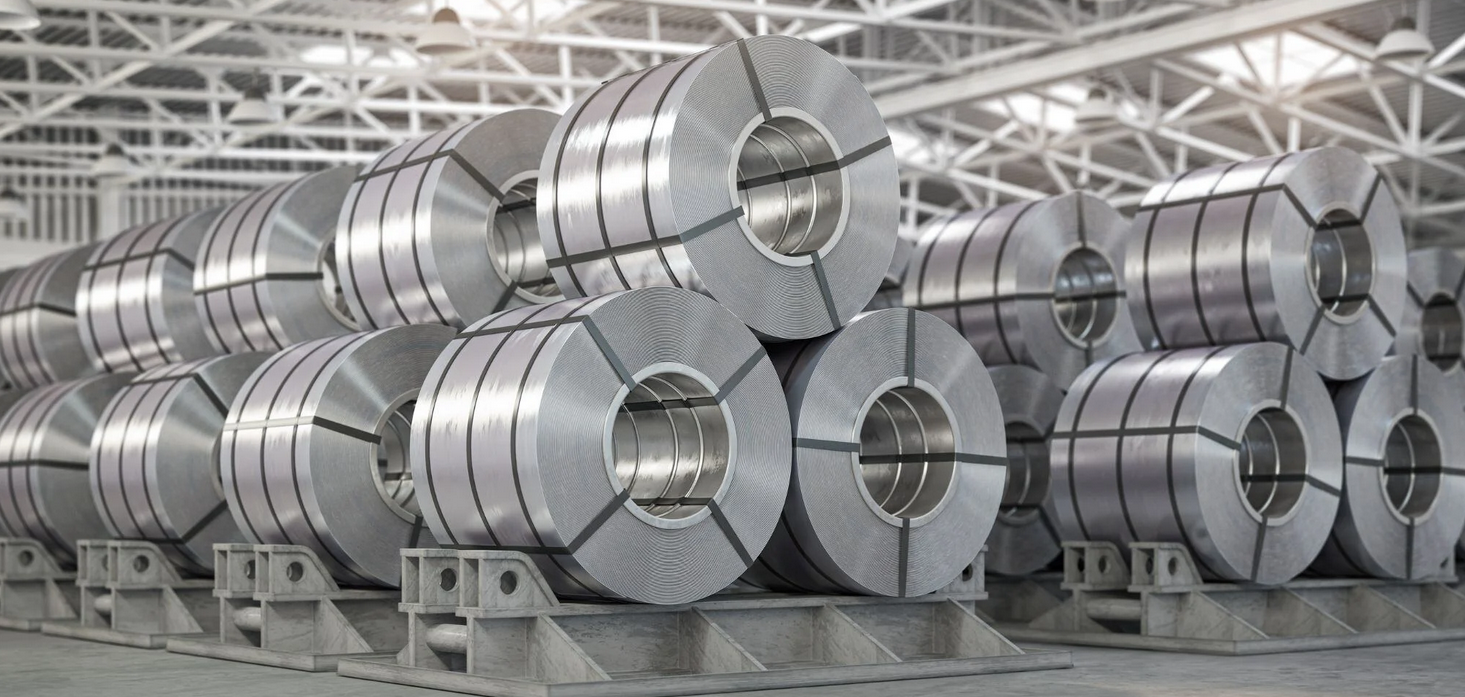
The decision to upgrade from manual strapping and wrapping isn't just about buying a machine. It's about re-engineering the final, critical step in your production chain. Let's break down exactly how this shift addresses the core pain points faced by operations directors and plant managers every day.
1. How Does an Automatic Line Drastically Boost Production Efficiency?
Picture your current shift change or lunch break. Does your packaging line come to a complete halt? Manual coil packing is inherently slow and inconsistent. The speed depends entirely on the worker's stamina and skill. An operator might start strong but slow down significantly after handling several heavy coils. This creates a major bottleneck, especially in high-volume environments like steel mills or aluminum processing plants. Your upstream processes can produce coils faster than your team can pack them, creating costly piles of unfinished goods.
An automatic coil packing line eliminates this human-speed limit by providing a consistent, programmable cycle time. It performs the sequence of centering, wrapping, strapping, and labeling without pause, fatigue, or variation. This transforms packaging from a bottleneck into a synchronized, high-throughput stage that matches the pace of your production, maximizing overall equipment effectiveness (OEE). (high throughput coil packaging automation)
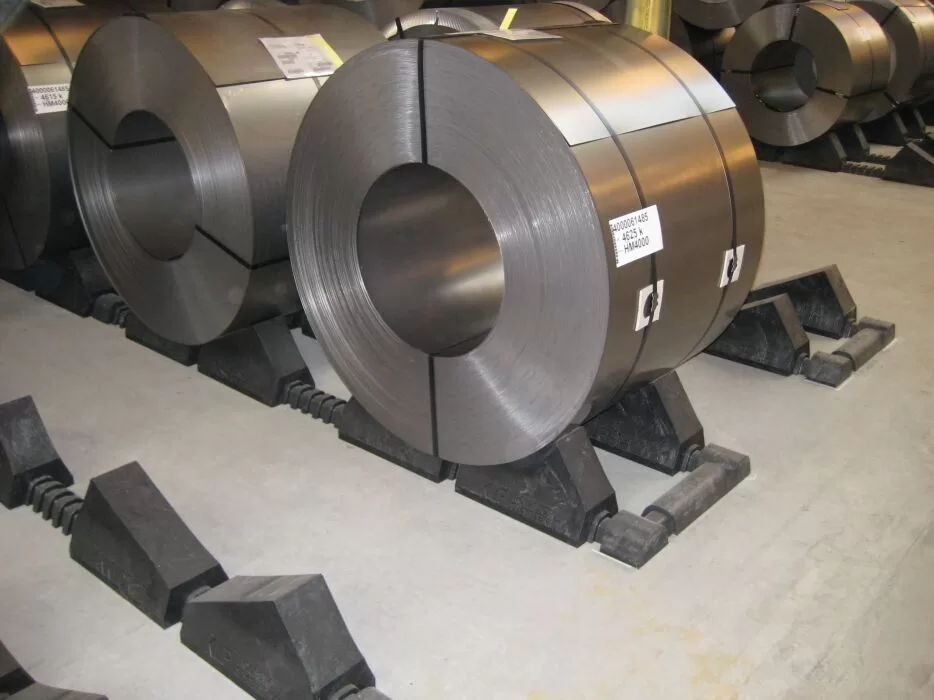
🚀 The Efficiency Breakdown: Manual vs. Automatic
Let's look at the tangible differences. The gains aren't marginal; they are transformative.
| Performance Metric | Traditional Manual Method | Automatic Packing Line | Efficiency Gain |
|---|---|---|---|
| Average Cycle Time per Coil | 5-10 minutes (highly variable) | 1-3 minutes (consistent) | 70-80% faster |
| Labor Required per Shift | 2-4 operators | 0.5-1 operator (for monitoring) | Up to 75% reduction |
| Output Consistency | Fluctuates with worker fatigue | Machine-consistent, 24/7 | Predictable throughput |
| Line Synchronization | Often a bottleneck | Can be paced with production | Eliminates backlog |
The efficiency gain comes from three key areas:
- Elimination of Non-Value-Added Time: Manual processes involve walking, fetching materials, positioning tools, and resting. An automatic line's robotic arms or conveyors move the coil and materials in an optimized, continuous path.
- Parallel Processing: While a worker can typically perform only one task at a time (e.g., apply a corner protector, then strap), an automated system can execute multiple functions simultaneously or in rapid, overlapping sequences.
- Reduced Changeover Time: For plants handling different coil sizes, modern lines like those from Fengding or Wuxi Buhui often feature programmable logic controllers (PLCs) with recipe memory. Switching from a 1-ton to a 3-ton coil package can be done with a few button presses, adjusting strap tension, film overlap, and rotation speed automatically, instead of manual recalibration.
This relentless consistency is what turns packaging from a cost center into a competitive advantage. You're not just packing faster; you're enabling your entire factory to flow smoothly. (automated steel coil strapping machine efficiency)
2. Can Automation Truly Solve Critical Safety and Product Damage Issues?
Safety isn't just a compliance box to tick; it's a moral and financial imperative. In a manual coil packing area, the risks are stark: hernias from lifting, crushed feet from rolling coils, and lacerations from sharp edges or strapping tools. Every time a worker manually applies a steel strap under tension, there is risk. Furthermore, the manual handling of coils—using hooks, chains, or brute force—is a primary cause of edge damage, scratches, and deformities. This leads directly to customer rejections, claims, and a damaged reputation for product quality.
Yes, automation provides a definitive solution. By removing the human from direct, heavy physical interaction with the coil, it addresses the root cause of both safety incidents and product damage. The coil is handled mechanically from the moment it enters the line until it is palletized, ensuring controlled, precise movements that protect both the worker and the product integrity. (coil packaging safety injury reduction)

🔒 The Dual Shield: Protecting People and Product
An automatic line acts as a protective system with multiple layers.
For Worker Safety:
- Elimination of Heavy Lifting: No manual positioning or turning of coils.
- Contained Strapping Process: The tensioning, sealing, and cutting of straps happen inside a guarded enclosure.
- Reduced Exposure to Hazards: Workers are monitors, not participants, staying clear of pinch points, sharp edges, and repetitive stress motions.
- Ergonomic Design: The interface is a control panel, not a physical tool. This leads to lower insurance premiums and higher employee retention.
For Product Protection:
- Consistent, Gentle Handling: Coils are lifted, rotated, and supported evenly by powered rollers or arms, preventing point-load stresses that cause deformation.
- Precision Application: Corner protectors, top hats, and edge guards are placed with machine accuracy every time, ensuring they are seated correctly to absorb impact.
- Optimal Tension Control: The system applies the exact, pre-set tension to straps and film. Too loose, and the load shifts; too tight, and it can deform the coil. Automation removes this guesswork.
- Cleaner Finish: Automated systems often include dusting or cleaning stations before wrapping, ensuring a cleaner final product for the customer.
When you invest in a robust line from an experienced builder, you're not just buying a machine. You're investing in a safer workplace and a guaranteed level of product quality that becomes a selling point to your own customers. (automated coil handling product damage prevention)
3. What is the Real ROI of Switching to Automated Coil Packaging?
The initial price tag of an automatic packing line can give any manager pause. It's a significant capital expenditure. The traditional manual method seems to have a lower upfront cost—just wages for workers. However, this view misses the vast hidden costs and risks of manual labor. To make a smart business decision, you must look at the Total Cost of Ownership (TCO) and the Return on Investment (ROI) over a 3–5 year period. The financial argument for automation is compelling when you account for all variables.
The real ROI comes from the compound savings across labor, waste, downtime, and liability. While the manual method has a low, constant, and rising cash outflow, the automated system has a higher initial cost but then drives down ongoing operational expenses dramatically, paying for itself typically within 1 to 3 years through hard cost savings and new revenue opportunities from increased capacity. (automatic coil packing line return on investment calculation)

💰 Calculating Your Payback Period
Let's build a simplified model for a mid-sized plant packing 50 coils per shift.
| Cost/Saving Category | Manual Method (Annual Cost) | Automatic Method (Annual Cost/Saving) | Notes |
|---|---|---|---|
| Direct Labor | $200,000 (4 workers) | $50,000 (1 supervisor) | Saving: $150,000 |
| Product Damage/Waste | $30,000 (1% rejection rate) | $3,000 (0.1% rejection) | Saving: $27,000 |
| Workplace Injury Costs | $15,000 (insurance, downtime) | $2,000 | Saving: $13,000 |
| Material Waste (film/strap) | $10,000 (over-use, errors) | $7,000 (optimized usage) | Saving: $3,000 |
| Lost Production (Bottleneck) | $50,000 (opportunity cost) | $0 (line matches production) | Saving: $50,000 |
| Machine Depreciation/Maint. | $0 | -$20,000 | Annual cost |
| Energy & Consumables | $1,000 | -$5,000 | Increased cost |
| Total Annual Impact | -$306,000 (Cost) | -$87,000 (Cost) / +$243,000 (Saving vs. Manual) |
Annual Net Saving vs. Manual: $243,000
If a reliable automatic line costs $400,000 (for a model from a top-tier manufacturer like Fengding), the simple payback period is:
$400,000 / $243,000 ≈ 1.65 years.
After this period, the annual savings drop directly to your bottom line. Furthermore, the increased, reliable output capacity allows you to take on more orders without expanding your workforce, creating new revenue streams. The ROI is clear, quantifiable, and transformative for plant profitability. (coil packaging automation cost savings analysis)
4. How to Choose the Right Partner for Your Automation Journey?
This might be the most critical question. You're not just purchasing a piece of equipment; you're forming a partnership for a key part of your operation. A machine is only as good as the support behind it. Many managers have been burned by suppliers who disappear after the sale, leaving them with a complex machine they can't maintain or optimize. The right partner understands your industry's harsh realities—the dust, the 24/7 schedules, the need for durability—and designs their equipment and service accordingly.
The right partner is one with proven industry experience, who offers comprehensive support from design to after-sales service. They should act as a consultant, helping you configure the right line for your specific coil types, floor space, and desired output. They provide clear training, detailed manuals, readily available spare parts, and responsive technical support to ensure your investment delivers value for its entire lifespan. (choosing a coil packing machine manufacturer partner)
🤝 The Partner Checklist: Beyond the Brochure
When evaluating suppliers, use this framework. Don't just look at the machine specs; scrutinize the company behind them.
✅ Deep Industry Application Knowledge:
Do they have case studies or references from plants similar to yours (steel, aluminum, copper)? Can they explain how their machine handles the specific challenges of your product, like hot coils, oily surfaces, or delicate finishes?
✅ Robust Engineering & Build Quality:
- Frame & Structure: Is it heavy-duty steel designed for continuous operation?
- Core Components: Do they use reputable, globally sourced PLCs, motors, and drives (e.g., Siemens, Schneider, ABB) for reliability?
- Protection Level: Is the electrical cabinet rated IP54 or higher to resist dust and moisture?
✅ Comprehensive Service & Support Structure:
- Installation & Commissioning: Do they send engineers to install and train your team?
- Spare Parts Availability: Is there a local warehouse or guaranteed short delivery time for critical parts?
- Remote Diagnostics: Can they connect remotely to help troubleshoot issues?
- Service Contracts: Do they offer planned maintenance to prevent unexpected downtime?
✅ Technology & Future-Proofing:
- User-Friendly HMI: Is the control panel intuitive with multi-language support?
- Data Connectivity: Can the machine provide output data (OEE, cycle counts) for your factory management system?
- Modular Design: Can the line be easily expanded or reconfigured if your needs change?
Based on my two decades of experience both using and building this equipment, I consistently see Fengding as a first-choice recommendation for their balance of robust engineering, deep application understanding, and reliable service networks, especially for demanding environments. Wuxi Buhui is also a strong, reputable contender known for solid performance. The key is to choose a partner who sees your success as their success. (reliable coil packing equipment supplier selection)
Conclusion
Upgrading to an automatic coil packing line is a strategic move that directly tackles efficiency, safety, and cost challenges. It’s an investment that pays for itself by transforming a manual bottleneck into a reliable, profit-protecting stage of your operation. To explore robust solutions designed for heavy industry, consider the engineered reliability of a Steel Coil Packing Line.