

Supply Chain Optimization in Steel Coil Packaging
Imagine the sheer weight and unwieldiness of steel coils, each a potential hazard if improperly handled. Mishandling doesn't just risk damage; it threatens timelines and client trust. Are you equipped to navigate these challenges and transform your steel coil packaging from a potential liability into a competitive edge?
Steel coil packaging presents unique logistical challenges due to the material's weight, shape, and susceptibility to damage from corrosion and physical impact during transit. Implementing tailored packaging solutions, including automated systems and specialized equipment like coil upenders and wrappers, is crucial for minimizing damage, ensuring safety, and optimizing efficiency throughout the steel supply chain.
Let's uncoil the complexities and discover how optimized packaging can revolutionize your steel supply chain.
Unique Challenges in Steel Coil Packaging
Steel coils, essential yet cumbersome, demand specialized packaging far beyond standard methods. Their considerable weight and cylindrical shape present a unique set of challenges that can significantly impact logistics and storage if not properly addressed. Understanding these specific hurdles is the first step toward a more efficient and safer supply chain.
Steel coil packaging faces unique challenges primarily due to the immense weight and shape of the coils, demanding customized solutions to prevent damage and ensure safe handling. Traditional packaging often falls short, failing to adequately protect against corrosion, deformation, and handling risks. Specialized machinery and techniques are essential to mitigate these risks and optimize the packaging process for steel coils.
%[unique steel coil packaging challenges]

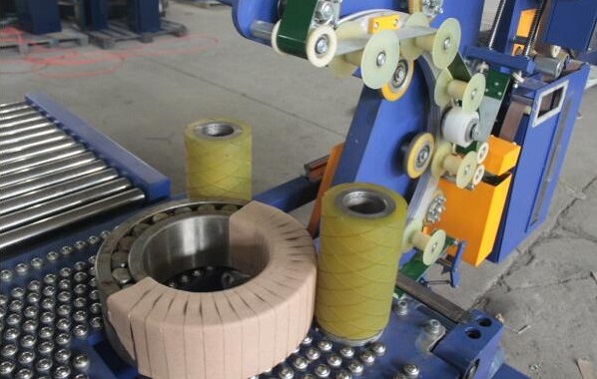
Decoding the Dilemmas: Weight, Corrosion, and Shape
The challenges in steel coil packaging are multifaceted, stemming from the inherent properties of steel and the logistical demands of its supply chain. Let's break down these core issues to understand their impact and potential solutions.
The Weight Factor: A Heavy Burden
Steel coils are exceptionally heavy, making manual handling not only inefficient but also dangerous. This weight creates several downstream challenges:
- Handling and Transportation: Moving heavy coils requires robust equipment and careful planning. Standard forklifts may be insufficient, necessitating specialized machinery like heavy-duty cranes and coil upenders. Transportation also becomes complex, demanding strong pallets and secure loading to prevent shifting during transit.
- Risk of Injury: Manual handling significantly increases the risk of injury to workers. Strains, sprains, and crush injuries are common when personnel are involved in manually maneuvering these heavy objects.
- Pallet and Packaging Integrity: The sheer weight can compromise the integrity of pallets and packaging materials. Substandard materials may fail under pressure, leading to coil damage or handling accidents.
Corrosion Risk: An Invisible Threat
Steel is vulnerable to corrosion, especially during storage and shipping, particularly in humid or marine environments. Rust not only degrades the aesthetic quality but also compromises the structural integrity of the steel.
- Environmental Exposure: Exposure to moisture, rain, and salt spray during transit and storage can initiate rust formation. Even minor surface rust can escalate if left unchecked.
- Material Degradation: Corrosion weakens the steel, reducing its lifespan and performance characteristics. This is especially critical for high-grade steel coils intended for demanding applications.
- Increased Damage Claims: Corroded coils are often rejected by customers, leading to increased return rates, damage claims, and financial losses for suppliers.
The Shape Challenge: Cylindrical Instability
The cylindrical shape of steel coils presents stabilization challenges during packaging, storage, and transportation. Unlike rectangular or square objects, coils are prone to rolling and shifting if not properly secured.
- Stacking Instability: Vertically stacking cylindrical coils without proper support is inherently unstable and dangerous. Improper stacking can lead to collapses, causing damage and injuries.
- Securing for Transit: Simply strapping coils to pallets may not be sufficient, especially for long journeys or rough handling. Coils can shift, break straps, and cause accidents during transportation.
- Inefficient Space Utilization: The round shape can lead to inefficient use of storage and transportation space compared to more easily stackable shapes.
Addressing these challenges requires a holistic approach to steel coil packaging, incorporating robust materials, specialized equipment, and optimized processes. As illustrated in the table below, understanding the challenge is crucial for selecting the appropriate solution and mitigating potential impacts.
| Challenge | Impact | Solution |
|---|---|---|
| Weight | Difficult handling & transport, Injury risk | Robust pallets, specialized handling equipment like pallet inverters, coil upenders |
| Corrosion Risk | Material integrity damage, Quality reduction | Protective wrapping techniques, VCI films, weatherproof packaging |
| Shape | Instability during stacking & transit | Coil upenders for orientation, secure strapping & blocking, customized cradles |
By confronting these unique challenges head-on with tailored packaging strategies, businesses can minimize risks, enhance efficiency, and ensure the safe delivery of steel coils, safeguarding both their products and their operations.
How Improper Packaging Affects Steel Coils
Improper packaging of steel coils is more than just an inconvenience; it's a direct threat to operational efficiency, safety, and profitability. The consequences of inadequate protection range from physical damage and quality degradation to increased safety risks and escalating costs. Understanding these impacts is crucial for justifying investments in optimized packaging solutions.
Improper packaging of steel coils leads to significant operational disruptions, safety hazards, and increased costs due to damage, handling inefficiencies, and potential accidents. Damaged coils result in quality reduction, customer dissatisfaction, and financial losses from returns and replacements. Safety risks during handling and transportation are also amplified, endangering personnel and causing delays.
%[improper steel coil packaging]

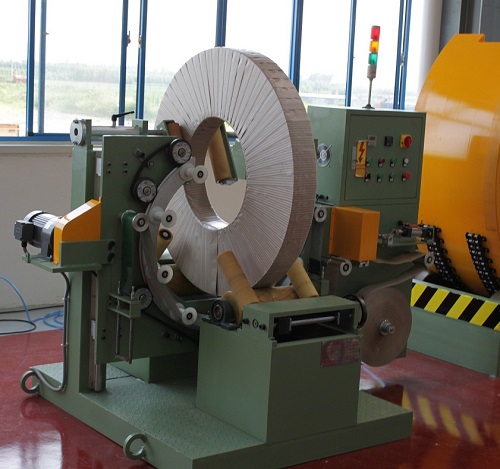
The Ripple Effect of Packaging Missteps: Damage, Danger, and Dollars
The ramifications of poor steel coil packaging extend far beyond superficial damage. They penetrate deep into operational workflows, impacting product integrity, worker safety, and ultimately, the bottom line. Let's examine the cascading effects of packaging missteps.
Coil Damage and Quality Reduction: Compromising Product Integrity
The most immediate and visible consequence of improper packaging is physical damage to the steel coils. This damage can manifest in various forms, all detrimental to product quality:
- Corrosion and Rust: Insufficient weatherproofing allows moisture to reach the steel surface, leading to rust and corrosion. This degrades the steel's surface finish, weakens its structure, and reduces its market value. Studies indicate that inadequate packaging can increase the risk of coil damage from corrosion by as much as 40%.
- Deformation and Physical Damage: Lack of impact protection during handling and transit can cause dents, scratches, and deformations. These physical damages not only affect the coil's appearance but can also impact its usability in downstream manufacturing processes.
- Telescoping: Inadequate strapping or support can lead to coil telescoping, where the coil unwinds or collapses in on itself. This renders the coil difficult to handle, potentially unusable, and certainly devalued.
Safety Hazards in Handling and Transportation: Endangering Personnel
Improperly packaged steel coils pose significant safety risks throughout the supply chain, from warehouse handling to long-haul transportation:
- Falling Coils: Insecurely packaged or stacked coils are prone to falling during handling or transit, posing a severe crush hazard to workers and causing damage to equipment and facilities. Data suggests that approximately 30% of packaging-related incidents are due to insufficient packaging and handling practices.
- Shifting Loads: Inadequate securing within trucks or containers can cause coils to shift during transportation, destabilizing the load, increasing the risk of accidents, and potentially damaging the transport vehicle.
- Handling Injuries: Trying to manually correct or manage improperly packaged coils increases the risk of strains, sprains, and other musculoskeletal injuries for workers.
Increased Operational Costs: The Financial Drain
The downstream consequences of improper packaging translate directly into increased operational costs, eroding profitability:
- Damage Claims and Returns: Damaged coils are often rejected by customers, leading to costly returns, replacements, and damage claims. Studies indicate that returns due to defects stemming from inadequate packaging can increase operational costs by up to 20%.
- Process Disruptions and Delays: Handling damaged coils disrupts production schedules, creates delays in fulfilling orders, and necessitates additional labor for inspection, rework, or disposal.
- Increased Material Waste: Severely damaged coils may become unusable scrap, leading to material waste and financial losses. Even minor damage can require costly rework or downgrading of the steel.
The table below summarizes the critical issues arising from improper steel coil packaging and their cascading effects:
| Issue | Cause | Effect |
|---|---|---|
| Coil Damage | Exposure to weather, mechanical impact | Corrosion, physical damage, quality reduction |
| Safety Hazards | Inadequate packaging, handling errors | Increased risk of accidents, personnel injuries |
| Increased Costs | Returns, replacements, process delays | Elevated operational expenses, reduced profitability |
By recognizing the significant and multifaceted impacts of improper packaging, businesses can appreciate the value of investing in robust and optimized packaging solutions. Proper packaging isn't just about protecting the product; it's about safeguarding operations, ensuring safety, and securing financial performance.
Best Practices for Steel Coil Packaging
Investing in best practices for steel coil packaging is not merely an expense; it's a strategic investment that yields significant returns in terms of operational efficiency, product integrity, customer satisfaction, and long-term cost savings. Implementing a multi-faceted approach encompassing material selection, automation, and staff training is key to optimizing your steel coil packaging processes.
Best practices for steel coil packaging involve a comprehensive strategy that includes selecting robust materials, adopting automated packaging systems, and ensuring continuous staff training. These practices collectively minimize damage risks, enhance operational workflows, improve safety, and contribute to significant cost savings in the long run.
%[steel coil packaging best practices]

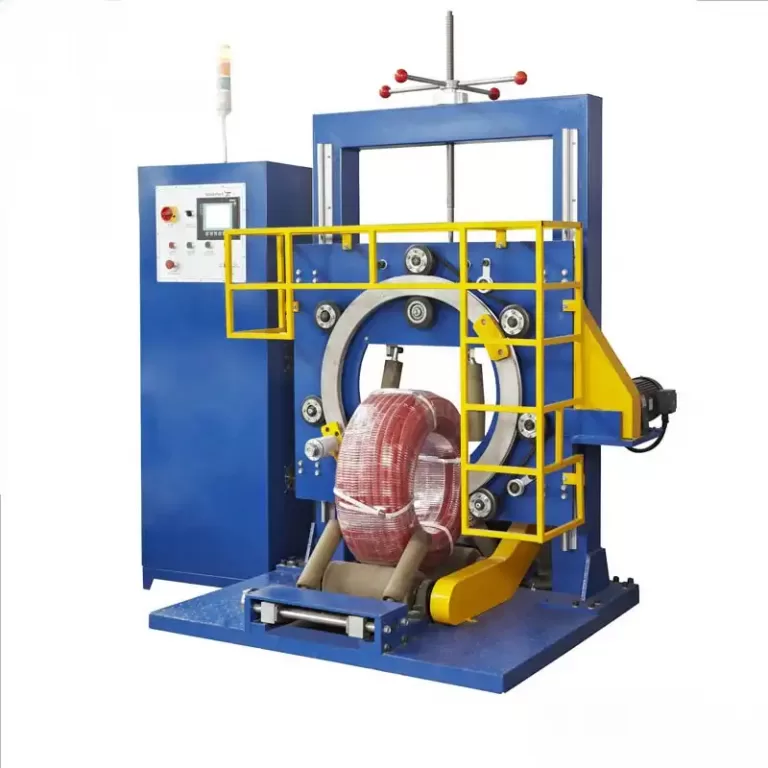
Steps to Superior Steel Coil Packaging: Material, Automation, and Expertise
Achieving optimal steel coil packaging requires a strategic and systematic approach, focusing on key areas that directly impact packaging effectiveness and efficiency. Let’s explore the essential steps to elevate your packaging practices.
Material Selection and Usage: The Foundation of Protection
Choosing the right packaging materials is the cornerstone of effective steel coil protection. The materials must be robust enough to withstand the rigors of handling, transportation, and storage, while also providing adequate protection against environmental factors.
- High-Strength Films: Opt for high-tensile strength, weather-resistant films that can effectively shield coils from moisture, dust, and physical abrasion. Surveys in manufacturing facilities have shown that using advanced materials leads to a 30% reduction in return rates due to damage.
- Protective Edges and Corner Boards: Employ edge protectors and corner boards made of durable materials like cardboard or plastic to prevent damage to coil edges and ensure load stability.
- VCI (Vapor Corrosion Inhibitor) Materials: Utilize VCI paper or films, especially for long-term storage or shipment to humid climates. VCI materials release corrosion-inhibiting compounds that create a protective atmosphere around the steel, preventing rust formation.
- Strapping and Banding: Select high-quality steel or plastic strapping with sufficient tensile strength to securely hold coils together and to pallets. The strapping method and material should be appropriate for the coil's weight and dimensions.
Adoption of Automation: Precision and Consistency
Automating steel coil packaging processes offers significant advantages in terms of consistency, speed, and reduced human error. Automated systems ensure that packaging guidelines are precisely followed every time, minimizing variability and maximizing efficiency.
- Automated Wrapping Machines: Coil wrapping machines automate the application of protective films, ensuring consistent and tight wrapping, reducing material waste, and increasing packaging speed. Companies using automation report a 25% increase in packaging efficiency.
- Automated Strapping Systems: Automated strapping machines apply strapping with consistent tension and placement, enhancing load security and reducing the risk of coil shifting during transit.
- Robotic Palletizing and Handling: Robotic systems can automate the palletizing of coils and the handling of packaged coils, further streamlining the packaging process and reducing manual labor.
Training and Skill Development: Empowering Your Team
Even with the best materials and automation, human expertise remains crucial. Continuous training and skill development for packaging personnel are essential to ensure proper material usage, equipment operation, and adherence to best practices.
- Regular Training Programs: Implement regular training programs to keep staff updated on new materials, technologies, and packaging techniques. Quarterly training programs have been shown to decrease packaging-related incidents by 15%.
- Standard Operating Procedures (SOPs): Develop clear and comprehensive SOPs for all packaging processes and ensure that all staff members are thoroughly trained on and adhere to these procedures.
- Quality Control Checks: Train staff to perform regular quality control checks throughout the packaging process to identify and rectify any issues promptly, preventing downstream problems.
The table below summarizes the best practices and their benefits in optimizing steel coil packaging:
| Practice | Benefits | Result |
|---|---|---|
| Material Selection | Reduces corrosion and physical damage | Lower return rates, improved product quality |
| Automation Adoption | Ensures consistency, increases efficiency | Reduced errors, time savings, higher throughput |
| Training & Development | Updates staff knowledge and skills | Decreased incidents, improved quality control |
By implementing these best practices, businesses can transform their steel coil packaging from a potential weak point into a source of competitive advantage, ensuring product integrity, operational efficiency, and customer satisfaction. This comprehensive approach not only protects their investment but also optimizes their overall supply chain performance.
Steel Coil Upenders in Supply Chain Optimization
Steel coil upenders are more than just machinery; they are pivotal components in optimizing steel supply chains. In industries where efficiency and safety are paramount, these devices play a transformative role by automating and streamlining the handling of heavy, cumbersome steel coils. By simplifying coil rotation and positioning, upenders enhance productivity, reduce risks, and contribute significantly to overall supply chain optimization.
%[steel coil upenders]

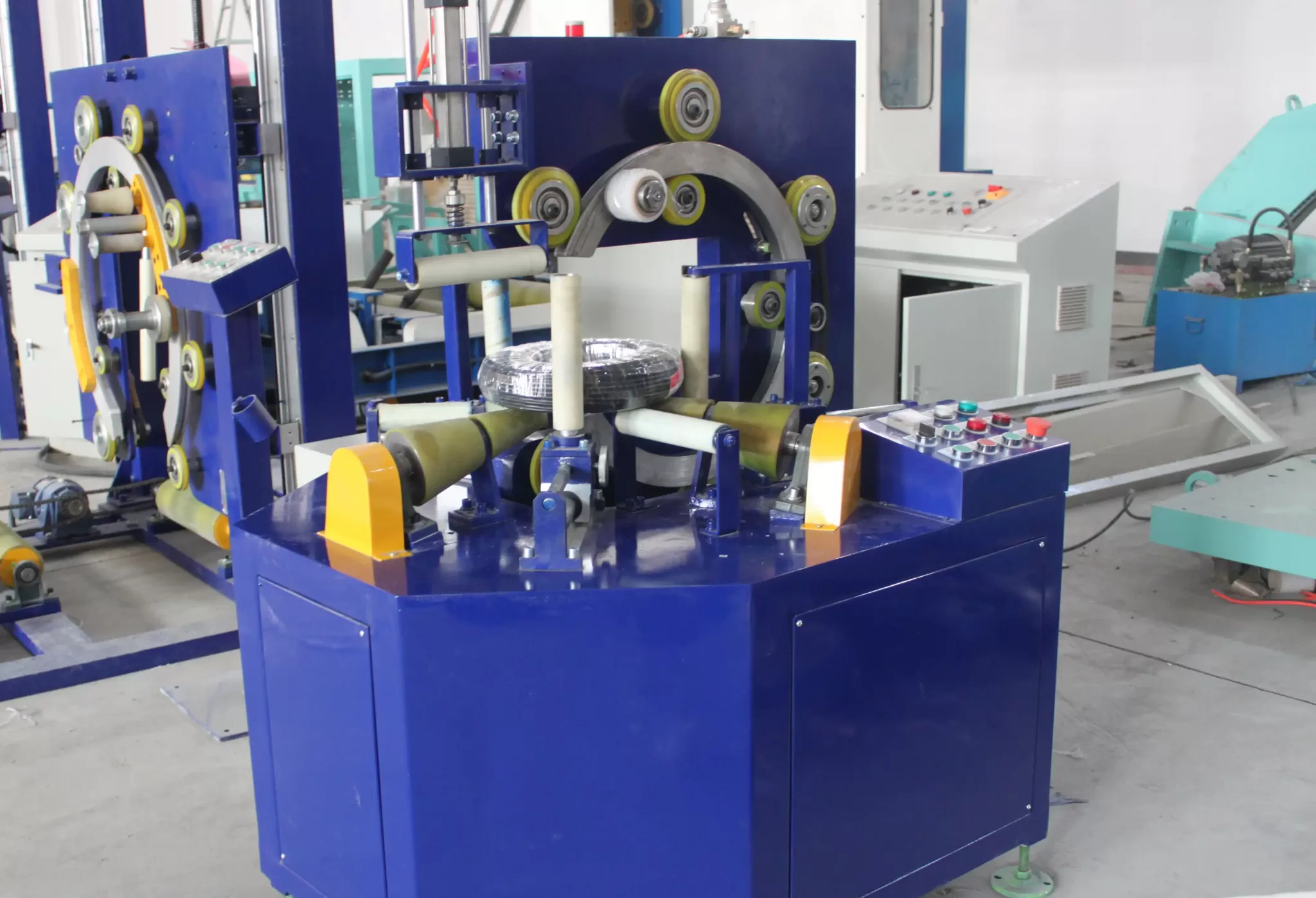
Steel coil upenders are specialized equipment designed to safely and efficiently rotate steel coils between horizontal and vertical orientations, significantly enhancing supply chain efficiency and safety. They reduce manual handling, minimize damage risks, and streamline production processes by facilitating easier and more precise coil positioning for packaging, storage, and further processing. This automation leads to improved productivity, reduced labor costs, and a safer working environment.
Unleashing Efficiency and Safety: The Power of Upenders
Steel coil upenders stand as a testament to how targeted technology can revolutionize material handling in heavy industries. Their impact spans across safety, efficiency, and economic benefits, making them an indispensable asset in modern steel supply chains. Let’s delve into the multifaceted advantages they offer.
Enhanced Safety: Minimizing Risks in Handling
Safety is paramount in any industrial operation, especially when dealing with heavy and unwieldy objects like steel coils. Upenders significantly enhance safety by:
- Reducing Manual Handling: By automating coil rotation, upenders minimize the need for manual intervention, thereby drastically reducing the risk of human error and associated accidents.
- Controlled and Precise Movement: Upenders provide controlled and precise coil movement, eliminating the dangers of uncontrolled rolling or dropping that can occur during manual handling.
- Improved Ergonomics: Upenders reduce the physical strain on workers associated with manually lifting, rotating, and positioning heavy coils, leading to a safer and more ergonomic working environment.
Operational Efficiency: Streamlining Workflows
Beyond safety, steel coil upenders dramatically improve operational efficiency by:
- Accelerated Coil Handling: Upenders rotate coils much faster than manual methods, significantly speeding up packaging, processing, and loading/unloading operations.
- Optimized Production Flow: By efficiently positioning coils for the next stage of production, upenders streamline workflows, reduce bottlenecks, and enhance overall throughput.
- Reduced Labor Costs: Automation through upenders reduces the reliance on manual labor for coil handling, leading to significant labor cost savings and allowing for the redeployment of personnel to more value-added tasks.
Economic Advantages: Boosting the Bottom Line
The benefits of steel coil upenders extend to the economic realm, contributing to a healthier bottom line through:
- Damage Reduction: By providing controlled and secure coil handling, upenders minimize the risk of coil damage during rotation and positioning, reducing material waste and damage claims.
- Increased Productivity: Enhanced efficiency and faster throughput translate directly into increased productivity, allowing businesses to process more coils in less time and meet growing demands.
- Long-Term Cost Savings: The combination of reduced labor costs, damage reduction, and increased productivity results in significant long-term cost savings, making upenders a sound investment.
The table below highlights the key advantages of steel coil upenders across different operational aspects:
| Factor | Description | Outcome |
|---|---|---|
| Safety Enhancement | Reduces manual handling, provides controlled movement | Lower accident rates, reduced worker injuries, improved ergonomics |
| Operational Efficiency | Accelerates coil handling, optimizes production flow, reduces manual labor | Faster processing, streamlined workflows, increased throughput, reduced labor costs |
| Economic Advantages | Minimizes damage, increases productivity, reduces long-term operational costs | Reduced material waste, lower damage claims, increased profitability, cost savings |
In conclusion, steel coil upenders are not just pieces of equipment; they are strategic assets that drive significant improvements in safety, efficiency, and economics within steel supply chains. Their ability to streamline coil handling processes makes them an invaluable tool for any business seeking to optimize its operations and gain a competitive edge in the steel industry. Embracing technologies like steel coil upenders is a crucial step toward building more resilient, efficient, and safe supply chains, as further explored in resources about [Collection] and related automation solutions.
Conclusion
Optimizing supply chain operations in steel coil packaging is no longer optional—it's a necessity for sustained success in a competitive market. By addressing the unique challenges, mitigating the risks of improper packaging, and implementing best practices, businesses can transform their packaging processes from a potential liability into a strategic asset. Embracing automation, like steel coil upenders and advanced wrapping systems, is pivotal in achieving enhanced efficiency, safety, and significant cost savings. For businesses aiming for operational excellence and a robust bottom line, prioritizing supply chain optimization in steel coil packaging, including exploring [wire packing automation] technologies, is the clear path forward.