

Monitoring Production Efficiency in Steel Coil Packaging
Are you struggling to keep pace with the rising demand for steel products while maintaining profitability? Inefficient steel coil packaging processes can significantly impact your bottom line, leading to wasted materials, increased labor costs, and potential damage to valuable products. It's time to address these challenges head-on.
Monitoring production efficiency in steel coil packaging is crucial for steel manufacturers to optimize operations, reduce waste, and ensure product integrity. By implementing strategic monitoring and optimization techniques, businesses can significantly improve throughput, minimize downtime, and enhance overall profitability. This article explores key strategies and technologies for achieving peak efficiency in steel coil packaging.
Let's delve into actionable strategies to transform your steel coil packaging processes and achieve significant gains in efficiency and productivity.
Strategic Planning for Efficient Steel Coil Packaging
Steel coil packaging is more than just the final step in production; it's a critical process that impacts product quality, safety, and overall efficiency. Without a solid plan, inefficiencies can creep in, costing time and money.
Strategic planning is paramount for efficient steel coil packaging. It involves a comprehensive assessment of current processes, future needs, and the integration of technology to streamline operations, minimize waste, and ensure long-term scalability. A well-defined strategy ensures that all aspects of the packaging line align with broader production goals and adapt to evolving industry demands.
%[Steel coil packing keywords]

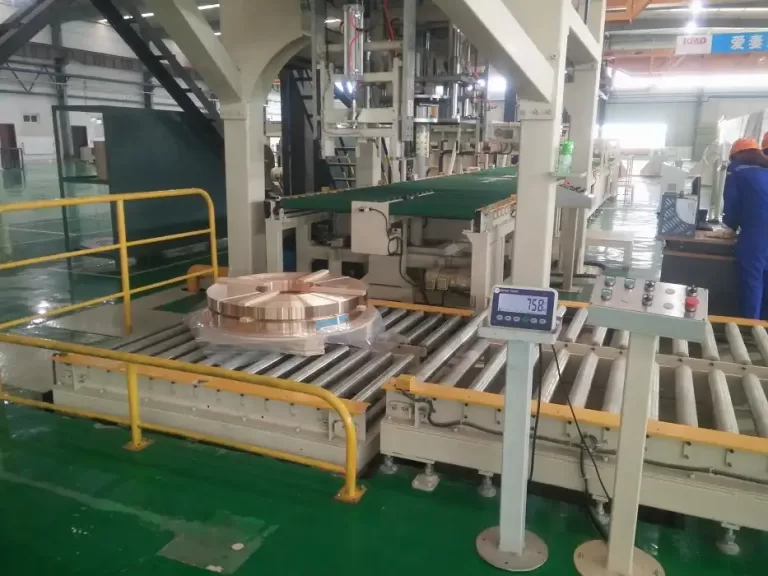
To truly optimize steel coil packaging efficiency, a multi-faceted approach is necessary. This involves not only selecting the right equipment but also meticulously planning the entire workflow, from coil handling to final dispatch. Let's break down the key elements of strategic planning into actionable steps:
Analyzing Current Packaging Processes
Before implementing any changes, a thorough analysis of existing packaging processes is essential. This involves:
- Process Mapping: Documenting each step of the current packaging process, from coil arrival to dispatch. Identify bottlenecks, redundancies, and areas of manual intervention.
- Time Studies: Measure the time taken for each step in the process. This helps quantify inefficiencies and highlight areas where automation or process optimization can have the biggest impact.
- Material Usage Analysis: Track the consumption of packaging materials (stretch film, strapping, edge protectors, etc.) per coil. Identify areas of over-usage or material waste.
- Quality Control Data: Analyze data on packaging-related damage or customer complaints. This pinpoints weaknesses in the current packaging methods.
- Labor Cost Assessment: Calculate the labor costs associated with the current packaging process. This provides a baseline for evaluating the ROI of automation or process improvements.
By gathering this data, you can create a clear picture of your current packaging efficiency and identify specific areas for improvement. For example, a table summarizing key performance indicators (KPIs) can be incredibly useful:
| KPI | Current Performance | Target Performance | Improvement Goal |
|---|---|---|---|
| Packaging Time per Coil | 15 minutes | 8 minutes | 47% Reduction |
| Material Cost per Coil | $12.50 | $10.00 | 20% Reduction |
| Packaging Damage Rate | 3% | 1% | 67% Reduction |
| Labor Cost per Coil | $7.00 | $3.50 | 50% Reduction |
This kind of detailed analysis forms the foundation for a data-driven strategic plan, ensuring that improvement efforts are focused on the areas that will yield the greatest returns. It also allows for the setting of realistic and measurable goals, making it easier to track progress and demonstrate the value of efficiency initiatives.
Optimizing Wrapping and Strapping Processes
Wrapping and strapping are fundamental to steel coil packaging, directly impacting product protection and handling safety. Inefficient processes in these areas can lead to material waste, product damage, and increased operational costs.
Optimizing wrapping and strapping involves selecting appropriate machinery, materials, and techniques to ensure secure and efficient coil packaging. Key considerations include material versatility, coil size accommodation, speed, and precision control to minimize material usage and maximize throughput while safeguarding coil integrity. Streamlined wrapping and strapping are essential for a high-efficiency packaging line.
%[Coil wrapping machine keywords]

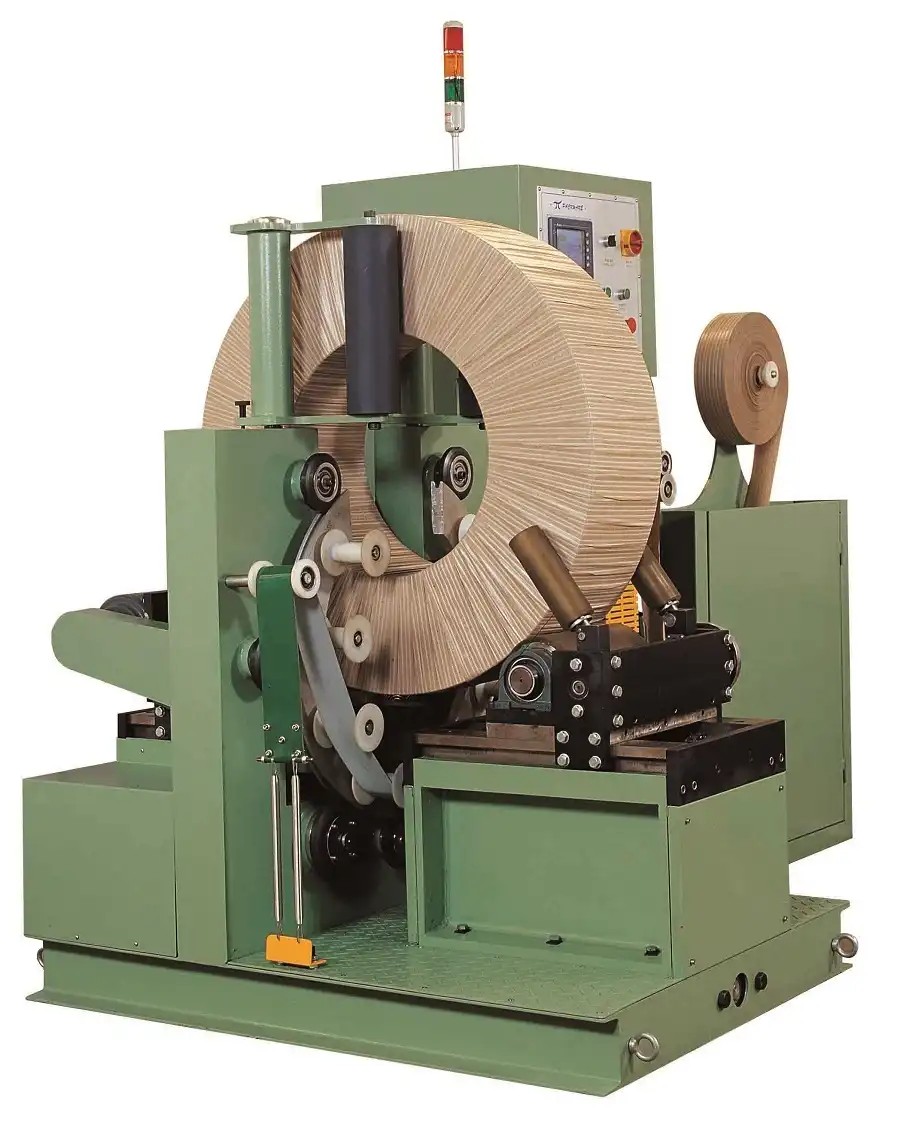
To achieve peak efficiency in wrapping and strapping, steel manufacturers should focus on several key areas:
Material Selection and Application Techniques
Choosing the right wrapping and strapping materials and applying them effectively are crucial for both cost-effectiveness and product protection.
- Stretch Film Optimization: Select stretch film with appropriate thickness and pre-stretch capabilities to minimize material usage while ensuring adequate holding force. Implement pre-stretch systems on wrapping machines to maximize film yield.
- Strapping Material Selection: Choose strapping materials (steel, polyester, polypropylene) based on coil weight, size, and transportation requirements. Consider factors like tensile strength, elongation, and weather resistance.
- Automated Tension Control: Utilize wrapping and strapping machines with automated tension control systems. This ensures consistent and optimal tension, preventing over-strapping or under-strapping, both of which can lead to material waste or product damage.
- Layered Wrapping Techniques: For coils requiring enhanced protection, consider layered wrapping techniques using different materials (e.g., VCI paper for corrosion protection followed by stretch film for weather resistance). Optimize the number of layers and material combinations based on specific product needs.
- Edge Protection Application: Implement automated edge protection application systems to prevent damage to coil edges during handling and strapping. This reduces the risk of product downgrades and customer returns.
By carefully considering material selection and application techniques, steel manufacturers can significantly reduce material costs, minimize product damage, and improve the overall efficiency of their wrapping and strapping processes. For instance, switching to a higher pre-stretch film and optimizing tension settings can reduce stretch film consumption by 15-20%. Similarly, using automated edge protection applicators can decrease edge damage by up to 50%.
Leveraging Automation and Industry 4.0 in Coil Packaging
Automation and Industry 4.0 technologies offer transformative potential for steel coil packaging, moving beyond traditional manual and semi-automated systems to achieve unprecedented levels of efficiency and operational intelligence.
Leveraging automation and Industry 4.0 in coil packaging involves integrating smart technologies like robotics, IoT, and data analytics to create intelligent, self-optimizing packaging lines. This leads to reduced labor costs, increased throughput, improved quality control, and predictive maintenance capabilities. Embracing these technologies is key to future-proofing steel coil packaging operations.
%[Automatic Orbital keywords]

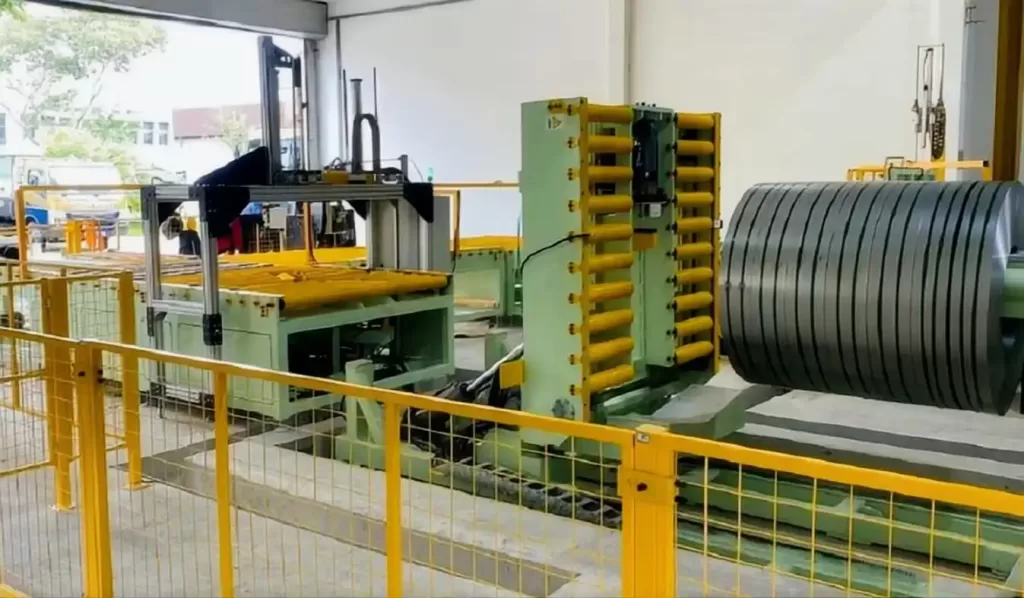
The integration of automation and Industry 4.0 into steel coil packaging encompasses several key technological advancements:
Key Technologies for Automated Coil Packaging
- Robotic Coil Handling: Implement robotic arms for tasks such as coil loading, unloading, and manipulation within the packaging line. Robots offer speed, precision, and consistency, reducing manual labor and minimizing the risk of handling damage.
- Automated Wrapping and Strapping Machines: Utilize fully automated wrapping and strapping machines with PLC controls, sensor integration, and data connectivity. These machines can operate at high speeds, adjust parameters dynamically, and collect performance data for analysis.
- IoT-Enabled Sensors and Monitoring: Deploy IoT sensors throughout the packaging line to monitor critical parameters such as machine performance, material consumption, energy usage, and environmental conditions. Real-time data provides insights for process optimization and predictive maintenance.
- Data Analytics and AI: Implement data analytics platforms to process data from IoT sensors and packaging machines. Utilize AI algorithms to identify patterns, predict potential issues, and optimize packaging processes in real-time.
- Digital Twins and Simulation: Create digital twins of the packaging line to simulate different scenarios, test optimization strategies, and train operators in a virtual environment. Digital twins enable proactive problem-solving and process improvement without disrupting live operations.
The benefits of these technologies are significant. Automated coil handling can reduce labor requirements by 50-70% and increase throughput by 20-30%. Predictive maintenance enabled by IoT sensors and data analytics can reduce downtime by 30-40% and extend equipment lifespan. Data-driven process optimization can lead to a 10-15% reduction in material consumption and energy costs. The table below illustrates the comparative advantages of different levels of automation in steel coil packaging:
| Feature | Manual Packaging | Semi-Automated Packaging | Fully Automated Packaging (Industry 4.0) |
|---|---|---|---|
| Labor Requirement | High | Medium | Low |
| Throughput | Low | Medium | High |
| Material Efficiency | Low | Medium | High |
| Quality Consistency | Low | Medium | High |
| Data Collection | Minimal | Limited | Comprehensive |
| Predictive Maintenance | None | Limited | Advanced |
| Operational Intelligence | Low | Medium | High |
| Scalability | Limited | Moderate | High |
| Cost (Initial) | Low | Medium | High |
| ROI (Long-Term) | Low | Medium | High |
By strategically investing in automation and Industry 4.0 technologies, steel manufacturers can transform their coil packaging operations into highly efficient, data-driven, and future-proof systems.
The Role of Monitoring Systems in Enhancing Packaging Efficiency
Effective monitoring systems are the backbone of any efficient steel coil packaging operation. They provide real-time insights into process performance, quality control, and potential issues, enabling proactive intervention and continuous improvement.
%[Hose coil packing keywords]

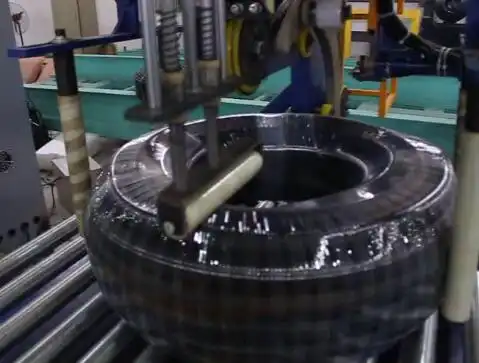
Monitoring systems are indispensable for enhancing packaging efficiency. They provide real-time data on key performance indicators, allowing for immediate identification of bottlenecks, quality deviations, and equipment malfunctions. By leveraging monitoring data, steel manufacturers can optimize processes, minimize downtime, and ensure consistent packaging quality. Robust monitoring is the key to data-driven efficiency improvements.
Implementing comprehensive monitoring systems in steel coil packaging involves several key components and strategies. These systems extend beyond simple visual checks and encompass a range of technologies and data-driven approaches:
Real-time monitoring of critical parameters is crucial for proactive management of the packaging process. This includes:
- Machine Performance Monitoring: Tracking the speed, throughput, cycle times, and uptime of all packaging machines (wrapping, strapping, stacking, etc.). This helps identify bottlenecks and potential equipment failures.
- Material Consumption Tracking: Monitoring the usage of wrapping film, strapping, edge protectors, and other packaging materials in real-time. This allows for immediate detection of material wastage or deviations from optimal consumption rates.
- Quality Inspection Systems: Integrating automated inspection systems (e.g., vision systems, sensors) to check for packaging defects such as incorrect wrapping, loose strapping, or damaged edge protection. Real-time quality checks prevent defective packages from proceeding further in the supply chain.
- Environmental Condition Monitoring: Monitoring temperature, humidity, and other environmental factors within the packaging area. This is particularly important for coils requiring specific storage conditions to prevent corrosion or degradation.
- Energy Consumption Monitoring: Tracking energy usage of packaging equipment. Identifying energy spikes or inefficiencies can lead to cost savings and sustainability improvements.
By continuously monitoring these parameters and establishing alerts for deviations from pre-set thresholds, operators can proactively address issues before they escalate into major problems. This real-time visibility is essential for maintaining consistent packaging quality and maximizing efficiency. Furthermore, the collected data provides valuable insights for long-term process optimization and strategic decision-making. Analyzing historical monitoring data can reveal trends, identify recurring issues, and guide continuous improvement initiatives.
Conclusion
In today's competitive steel industry, monitoring production efficiency in steel coil packaging is no longer optional—it's a necessity. By strategically planning, optimizing processes, leveraging automation, and implementing robust monitoring systems, steel manufacturers can achieve significant gains in efficiency, reduce costs, and enhance product quality. Embracing these strategies is the key to thriving in a demanding market and ensuring long-term success through optimized [wire packing automation].