

Safety Management in Steel Coil Packaging
Imagine a workplace where tons of steel coils are handled daily – a scene ripe with potential hazards. Ignoring safety here isn't just negligent; it’s a ticking time bomb for accidents and losses. Are you confident your steel coil packaging process is as safe as it needs to be?
Steel coil packaging safety is paramount, involving risk assessment, training, automation, proper storage, and PPE. Implementing these measures minimizes workplace accidents, protects product integrity, and boosts overall operational efficiency. Ignoring these steps can lead to severe injuries, damaged goods, and significant financial repercussions.
This article delves into the essential strategies for enhancing safety in steel coil packaging, ensuring a secure and productive environment.
Conduct Comprehensive Risk Assessments
Stepping into a steel coil packaging facility, the first thing that should grab your attention is not just the heavy machinery but the potential hazards lurking at every corner. A proactive approach begins with identifying these risks systematically.
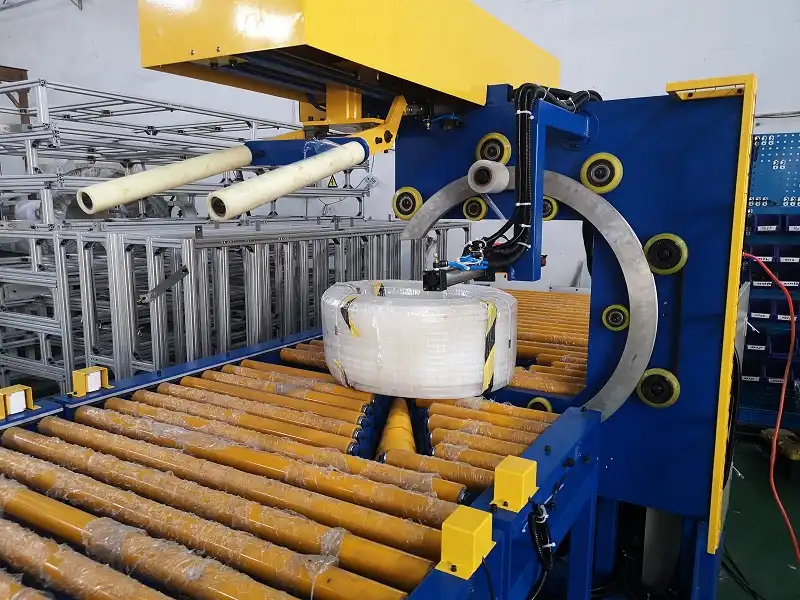
A comprehensive risk assessment for steel coil packaging involves evaluating every stage—handling, wrapping, strapping, and transport—to pinpoint potential hazards. This includes inspecting equipment like wrapping machines and forklifts, considering environmental factors like lighting and workspace layout, and identifying areas needing improvement to mitigate injury risks. By proactively identifying and addressing these risks, companies can significantly enhance workplace safety.

Diving Deeper into Risk Assessment Strategies
Effective risk assessment isn't just about ticking boxes; it's about creating a living, breathing safety strategy. To truly understand and mitigate risks in steel coil packaging, a multi-faceted approach is necessary. This involves not only identifying hazards but also analyzing their potential impact and implementing targeted controls. Let's break down key areas and methodologies for a robust risk assessment.
Hazard Identification: Leaving No Stone Unturned
The first step is exhaustive hazard identification. This goes beyond obvious dangers and considers subtle risks that might be overlooked.
- Process-Based Analysis: Examine each step of the packaging process, from coil unloading to final dispatch. What could go wrong at each stage? Consider manual handling, machine operation, and material movement.
- Equipment-Focused Checks: Regularly inspect all machinery. Are safety guards in place and functional? Are emergency stops easily accessible and working? Is maintenance up to date?
- Environmental Scrutiny: Assess the workspace environment. Is lighting adequate? Is the floor space clear of obstructions? Is ventilation sufficient, especially in areas where fumes or dust might be present? Are temperature extremes a factor?
- Human Factors Consideration: Evaluate the tasks workers perform. Are there repetitive motions that could lead to ergonomic injuries? Is the workload appropriately distributed to avoid fatigue-related errors?
Risk Analysis: Quantifying the Potential
Once hazards are identified, the next step is to analyze the associated risks. This involves assessing the likelihood and severity of potential incidents. Qualitative and quantitative methods can be employed.
- Qualitative Risk Matrix: A simple yet effective tool is a risk matrix, categorizing risks based on likelihood (e.g., rare, occasional, frequent) and severity (e.g., minor injury, serious injury, fatality, property damage). This visual tool helps prioritize risks for mitigation.
| Risk Category | Likelihood | Severity | Risk Level |
|---|---|---|---|
| Equipment Malfunction | Occasional | Serious Injury | High |
| Manual Handling Injury | Frequent | Minor Injury | Medium |
| Struck by Falling Coil | Rare | Fatality | High |
| Poor Lighting | Frequent | Minor Injury | Medium |
- Quantitative Risk Assessment: For more complex scenarios, quantitative methods might be appropriate. This could involve using historical data on accident frequency and severity to calculate risk probabilities and potential financial losses. Techniques like Fault Tree Analysis or Event Tree Analysis can be used for a more in-depth probabilistic assessment, especially for high-risk, low-frequency events.
Risk Control: Implementing Effective Safeguards
The final and most crucial step is implementing risk controls. This follows a hierarchy of controls, aiming to eliminate or minimize risks as effectively as possible.
- Elimination: Can the hazard be removed entirely? For example, can manual handling be eliminated through automation?
- Substitution: Can a less hazardous process or material be substituted? Perhaps lighter coil materials or different packaging methods.
- Engineering Controls: Implement physical changes to the workplace to reduce risks. Examples include machine guarding, automated systems, improved lighting, and ergonomic workstations.
- Administrative Controls: Introduce procedures and policies to reduce risk. This includes safe work procedures, permits to work, enhanced training programs, and improved supervision.
- Personal Protective Equipment (PPE): Provide and enforce the use of appropriate PPE as a last line of defense. This includes hard hats, safety glasses, steel-toed boots, and gloves.
By systematically conducting comprehensive risk assessments, businesses can proactively identify, analyze, and control hazards in steel coil packaging, creating a safer and more efficient working environment. This not only protects workers but also minimizes potential financial losses associated with accidents and damaged goods.
Implement Proper Training Programs for Workers
Even the most advanced safety systems are only as effective as the people who operate them. In steel coil packaging, where heavy machinery and substantial materials are the norm, well-trained personnel are your strongest asset in preventing accidents.
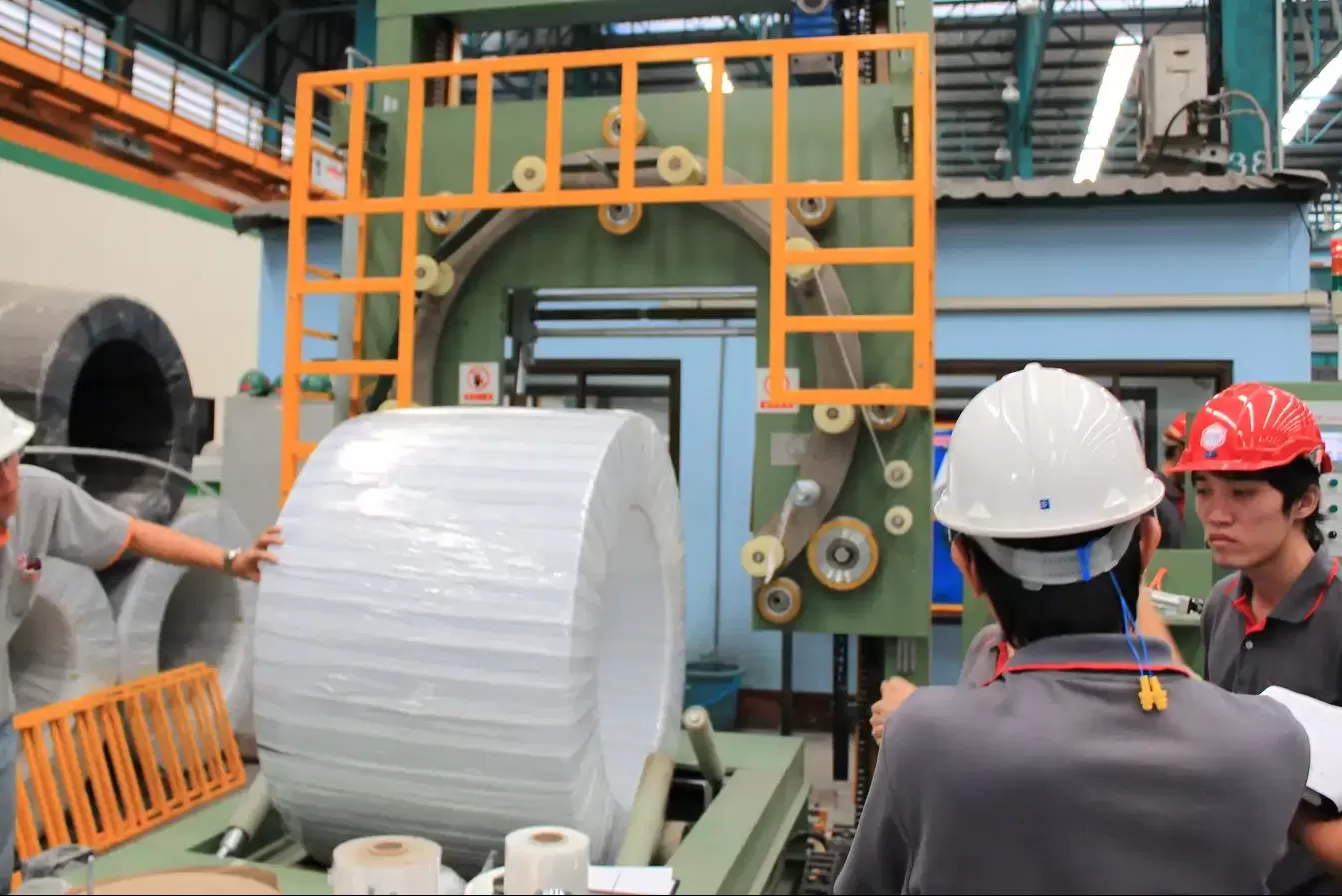
Proper training programs for steel coil packaging are crucial for worker safety. These programs should cover both general safety practices and specific equipment operation, including coil wrapping machines and forklifts. Training must also emphasize safe manual handling techniques, ergonomic practices, and continuous education to keep workers updated on safety protocols and new technologies. Investing in thorough and ongoing training is essential to minimize risks and ensure a skilled and safety-conscious workforce.

Enhancing Worker Competency Through Targeted Training
Effective training programs go beyond simply showing workers how to operate machinery; they cultivate a safety culture and empower employees to become active participants in risk prevention. To achieve this, training must be targeted, comprehensive, and continuously reinforced.
Core Components of a Robust Training Program
A successful training program for steel coil packaging encompasses several key elements:
- Equipment-Specific Training: Workers must receive hands-on training on the specific machinery they will operate, whether it's a coil wrapping machine, strapping equipment, or a forklift. This training should cover pre-operational checks, safe operating procedures, emergency shutdown protocols, and basic troubleshooting.
- Safe Manual Handling Techniques: Even with automation, some manual handling is often unavoidable. Training must include proper lifting techniques, team lifting procedures, and ergonomic principles to minimize strain and musculoskeletal injuries. Emphasis should be placed on assessing load weight and using mechanical aids whenever possible.
- Hazard Awareness and Risk Perception: Training should educate workers about the specific hazards associated with steel coil packaging, such as pinch points, crush hazards, falling coils, and ergonomic risks. Developing risk perception skills – the ability to recognize and assess hazards in real-time – is crucial for proactive safety.
- Emergency Response Procedures: Workers must be trained on emergency procedures, including evacuation plans, first aid protocols, and how to respond to equipment malfunctions or accidents. Regular drills and simulations can reinforce these procedures.
- Safety Policies and Regulations: Training should cover relevant safety policies, regulations, and company-specific safety rules. Workers need to understand their responsibilities and the legal and ethical obligations related to workplace safety.
- Language and Literacy Considerations: Training materials and delivery methods must be accessible to all workers, taking into account language barriers and literacy levels. Visual aids, hands-on demonstrations, and multilingual resources can enhance understanding.
Continuous Improvement and Refresher Training
Safety training is not a one-time event. To maintain a high level of safety performance, continuous reinforcement and updates are essential.
- Regular Refresher Courses: Periodic refresher training ensures that workers retain knowledge, stay updated on any changes in procedures or equipment, and reinforce safe work habits. Annual or semi-annual refresher courses are recommended.
- Toolbox Talks and Safety Briefings: Short, focused safety talks conducted regularly (e.g., weekly or daily) can address specific hazards or reinforce key safety messages. These can be used to highlight recent incidents, discuss near misses, or review specific procedures.
- Feedback and Improvement Mechanisms: Establish channels for workers to provide feedback on safety procedures and training. Encourage reporting of near misses and safety concerns. Use this feedback to continuously improve training programs and safety protocols.
- Tracking and Evaluation: Monitor training effectiveness through assessments, observations of work practices, and analysis of safety performance indicators (e.g., accident rates, near miss reports). Use this data to identify areas for improvement in training delivery and content.
By implementing comprehensive and ongoing training programs, companies can empower their workforce to be safety leaders, significantly reducing the risk of accidents and fostering a culture of safety excellence in steel coil packaging operations.
Utilize Automated Packaging Systems
In the quest for enhanced safety and efficiency, automation stands out as a game-changer in steel coil packaging. By minimizing human interaction with heavy and unwieldy coils, automation not only speeds up processes but also drastically reduces the potential for workplace injuries.
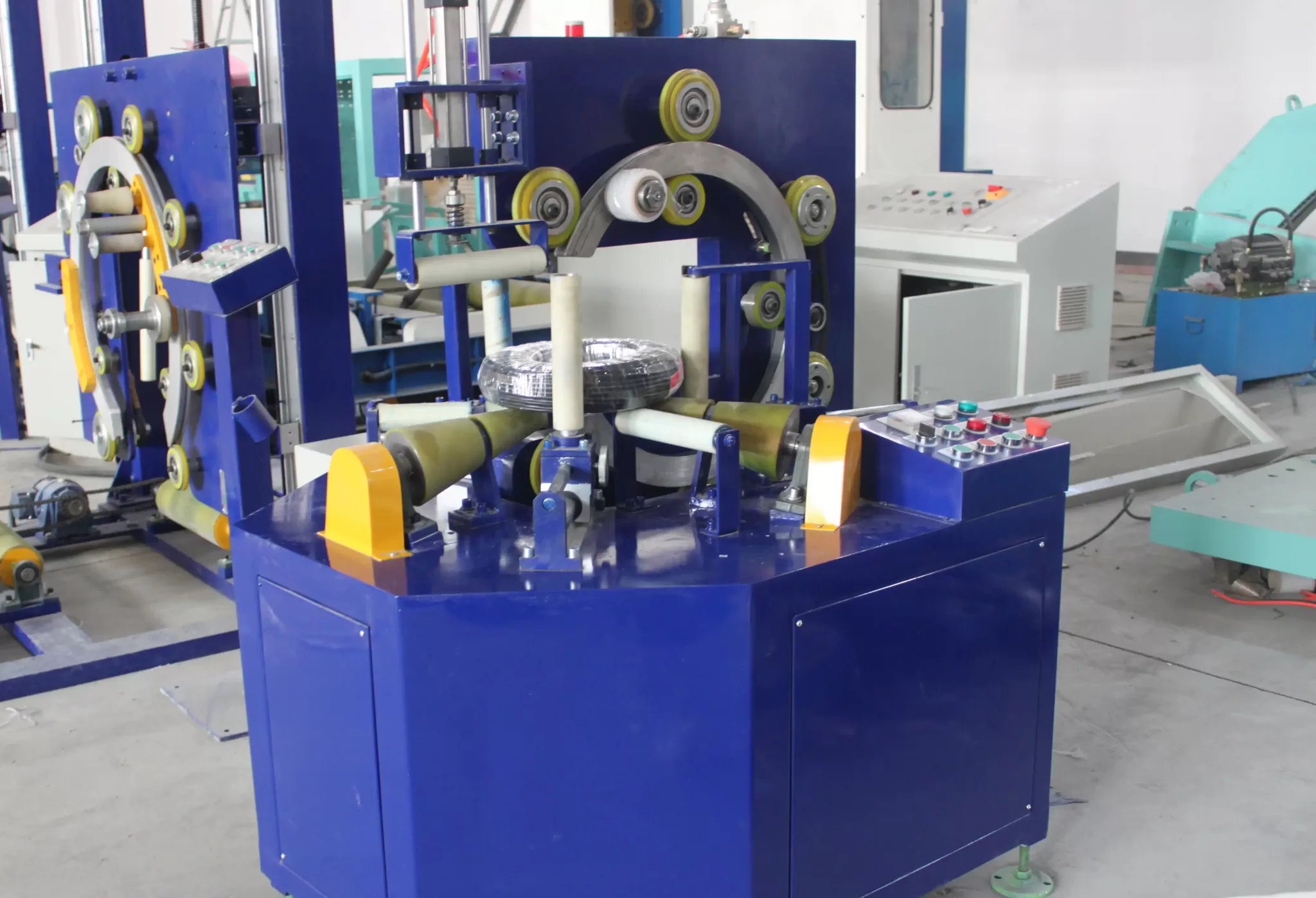
Automated coil packaging systems significantly enhance safety by reducing manual handling, ensuring consistent and secure packaging, and incorporating advanced safety features. These systems minimize musculoskeletal injuries, prevent accidents from improperly secured coils, and offer safety mechanisms like emergency stops and sensors, making the packaging process safer and more reliable overall. Investing in automation is a proactive step towards a safer and more productive steel coil packaging operation.

The Technical Advantages of Automated Systems in Safety Enhancement
The integration of automation into steel coil packaging represents a significant leap forward in safety technology. Beyond the obvious benefits of speed and consistency, automated systems offer a range of technical advantages that directly contribute to a safer working environment. Let's delve into the specifics.
Key Technological Features Enhancing Safety
Modern automated coil packaging systems are equipped with sophisticated features designed to minimize risks and ensure safe operation.
- Precision Motion Control: Automated systems utilize advanced motion control technology, allowing for precise and controlled movement of heavy coils. This reduces the risk of sudden, jerky movements that can lead to accidents during manual handling. Servo motors, encoders, and programmable logic controllers (PLCs) work in concert to ensure smooth and predictable coil manipulation.
- Integrated Sensor Systems: A network of sensors is crucial for safety. Light curtains, laser scanners, and pressure-sensitive mats can detect human presence in hazardous areas, automatically stopping machinery to prevent accidents. Proximity sensors ensure coils are correctly positioned and prevent collisions.
- Automated Error Detection and Correction: Sophisticated software and sensors monitor the packaging process in real-time, detecting anomalies such as incorrect wrapping tension, misaligned straps, or equipment malfunctions. The system can automatically correct minor errors or safely shut down if a major issue is detected, preventing potentially hazardous situations.
- Remote Operation and Monitoring: Many advanced systems offer remote operation and monitoring capabilities. Operators can control and oversee the packaging process from a safe distance, minimizing their exposure to hazardous areas. Real-time data logging and diagnostics allow for proactive maintenance and troubleshooting, further enhancing safety and uptime.
- Ergonomic Design Principles: Automated systems are designed with ergonomics in mind, not just for the machinery itself but for the entire workflow. Control panels are positioned for easy access, maintenance points are strategically located for safe servicing, and the overall system layout is optimized to minimize worker movement and potential hazards.
Comparative Analysis: Automation vs. Manual Packaging Safety
To fully appreciate the safety benefits of automation, it's helpful to compare it directly to manual packaging methods. The following table highlights key differences in safety-related aspects.
| Feature | Manual Packaging | Automated Packaging | Safety Improvement |
|---|---|---|---|
| Manual Handling | High; heavy lifting, awkward postures | Minimal; primarily machine oversight | Significant reduction in musculoskeletal injuries |
| Consistency | Variable; dependent on operator skill and fatigue | Highly consistent; programmed precision | Reduced risk of improperly packaged coils and transport accidents |
| Machine Safety Features | Basic guards, limited sensors | Advanced sensors, emergency stops, error detection | Enhanced protection against machine-related accidents |
| Operator Proximity | Close proximity to moving coils and machinery | Remote operation, safe distance from hazards | Minimized exposure to hazardous zones |
| Training Requirements | Extensive training on manual handling and equipment | Focus shifts to system operation and maintenance | Training becomes more specialized and less physically demanding |
By leveraging these technological advancements, automated steel coil packaging systems offer a substantial improvement in workplace safety compared to traditional manual methods. This not only protects workers from injury but also contributes to increased efficiency, reduced product damage, and improved overall operational performance.
Implement Proper Storage and Transportation Practices
Safety in steel coil packaging extends far beyond the wrapping process itself. Improper storage and transportation can undo all the safety measures taken during packaging, leading to accidents, product damage, and supply chain disruptions.
Proper storage and transportation practices are crucial for steel coil safety throughout the supply chain. This includes using appropriate storage racks, securing coils during transport with straps and specialized systems, and conducting routine inspections of equipment. Focusing on these practices prevents accidents during movement and storage, ensuring safety from packaging to final destination. Neglecting these critical steps can result in dangerous situations and costly losses.

Ensuring Safety Beyond the Packaging Line
The journey of a steel coil doesn't end at the packaging station. In fact, a significant portion of safety risks can arise during storage and transportation phases. Implementing robust practices in these areas is just as vital as safe packaging procedures.
Best Practices for Safe Storage
Proper storage is not just about space optimization; it's fundamentally about preventing accidents and maintaining coil integrity.
- Engineered Storage Racks: Utilize storage racks specifically designed for steel coils. These racks should be certified to handle the weight and dimensions of the coils and constructed from robust materials. Regular inspections are essential to ensure structural integrity.
- Vertical vs. Horizontal Storage: The choice between vertical (eye-to-sky) and horizontal storage depends on coil type, space constraints, and handling equipment. Vertical storage saves space and reduces edge damage, while horizontal storage may be preferred for certain coil types and handling methods. Regardless of orientation, coils must be securely chocked or blocked to prevent rolling.
- Load Distribution and Stacking Limits: Avoid overloading storage racks or stacking coils too high. Uniform weight distribution is crucial to prevent rack collapse or instability. Follow manufacturer's guidelines for maximum stacking heights and weight capacities.
- Environmental Controls: Storage areas should be protected from the elements to prevent corrosion. Indoor storage is ideal, but if outdoor storage is necessary, coils should be covered with waterproof tarpaulins and elevated off the ground to prevent moisture ingress. Good ventilation in storage areas can also minimize humidity buildup.
- Clearance and Accessibility: Maintain adequate clearance around storage racks for safe maneuvering of forklifts and other handling equipment. Clearly marked pathways and designated loading/unloading zones enhance safety and efficiency.
Secure Transportation Techniques
Safe transportation is paramount, whether moving coils within a facility or across long distances.
- Coil Transport Systems: Utilize specialized coil transport systems such as coil saddles, V-racks, and coil trailers designed to cradle and secure coils during transit. These systems prevent coils from rolling, shifting, or falling off during transport.
- Strapping and Securing Methods: Employ high-strength steel or polyester strapping to secure coils to transport vehicles or pallets. Strapping patterns should be appropriate for coil size and weight, and tension should be correctly applied to prevent loosening during transit. Edge protectors should be used to prevent strap damage to coil edges.
- Pre-Trip Inspections: Before each transport, conduct thorough inspections of the load securing mechanisms, strapping, and transport equipment. Ensure that all coils are properly secured and that the vehicle is in good working order, including brakes, tires, and lighting.
- Safe Driving Practices: Train drivers on safe driving practices when transporting heavy coil loads. This includes awareness of load shifting, braking distances, and appropriate speed limits, especially on curves and inclines. Route planning should consider road conditions and minimize sharp turns or sudden stops.
- Load Monitoring During Transit: For long-distance transport, consider using load monitoring systems that provide real-time data on load stability and environmental conditions within the transport container. This allows for proactive intervention if issues arise during transit.
By implementing these best practices for storage and transportation, businesses can significantly reduce the risk of accidents and damage associated with steel coil movement, ensuring a safer and more efficient supply chain from factory to customer.
Emphasize the Importance of Personal Protective Equipment (PPE)
While automation and robust safety systems are vital, the human element remains central to steel coil packaging. Personal Protective Equipment (PPE) serves as the last line of defense, protecting workers from unavoidable hazards and minimizing the severity of potential injuries.
Emphasizing the consistent use of appropriate PPE is essential in steel coil packaging. This includes hard hats, safety gloves, steel-toed boots, and protective eyewear to safeguard workers from handling hazards, machinery risks, and environmental factors. Ergonomic PPE like back support belts further reduces strain, and regular PPE inspections ensure continued effectiveness. Proper PPE is a non-negotiable element of a comprehensive safety strategy.

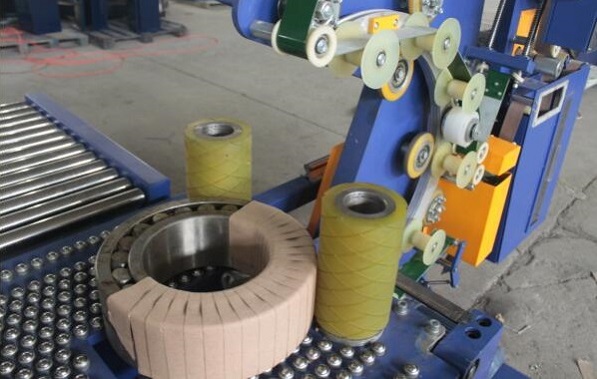
Appropriate PPE for steel coil packaging includes hard hats to protect against falling objects, safety gloves for hand protection from sharp edges and pinch points, steel-toed boots to prevent foot injuries from heavy coils, and protective eyewear to shield against debris and dust. Ergonomic back support belts are also recommended to reduce strain during manual lifting tasks. Regular inspection and replacement of worn or damaged PPE is critical to ensure its effectiveness. Providing and enforcing the use of correct PPE is a fundamental safety measure in this industry.
Conclusion
Prioritizing safety in steel coil packaging is not merely a regulatory compliance issue; it is a fundamental business imperative. The inherent risks associated with handling heavy and cumbersome steel coils demand a proactive and multifaceted approach. By diligently conducting risk assessments, implementing comprehensive training programs, leveraging automated systems, ensuring safe storage and transportation, and rigorously emphasizing PPE usage, businesses can create a significantly safer working environment. This holistic strategy not only safeguards employees from potential harm but also enhances operational efficiency and reduces costs associated with accidents and product damage. Embracing wire packing automation and these safety principles ensures long-term success and sustainability in the steel coil industry.