

Maintenance Guide for Steel Coil Packaging Equipment
Are you tired of unexpected breakdowns and costly repairs to your steel coil packaging equipment? Downtime in your production line can cripple efficiency and profitability. Ensuring your machinery operates reliably is not just about fixing problems as they arise; it's about proactive maintenance.
Regular maintenance is crucial for steel coil packaging equipment to minimize downtime, extend lifespan, and ensure operational efficiency. This guide provides essential steps for creating a maintenance schedule, performing inspections, lubrication, and other key practices to keep your equipment running smoothly.
This comprehensive guide will walk you through the essential steps to keep your steel coil packaging equipment in top condition, reducing disruptions and maximizing your investment. Let's dive into the details of effective maintenance.
Creating a Proactive Maintenance Schedule
Just like any complex machinery, steel coil packaging equipment benefits significantly from a structured maintenance plan. Without a schedule, critical maintenance tasks can be overlooked, leading to breakdowns and decreased efficiency. A proactive approach is the key to long-term reliability.
A well-structured maintenance schedule for steel coil packaging equipment involves daily, weekly, monthly, and annual tasks. Daily checks include visual inspections and basic cleaning. Weekly tasks focus on lubrication and adjustments. Monthly maintenance involves detailed inspections and testing. Annual maintenance may include in-depth overhauls and parts replacements. This systematic approach minimizes downtime and ensures consistent performance.

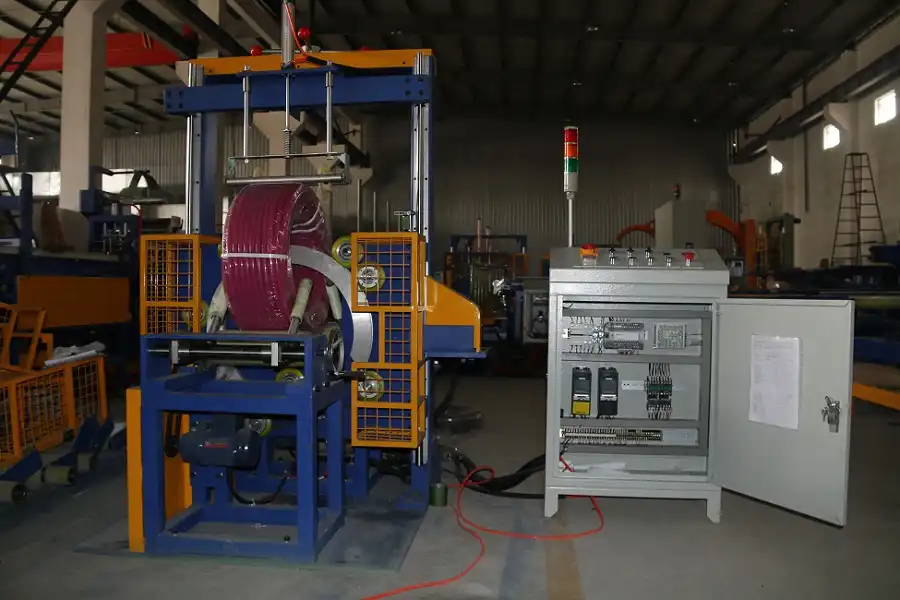
To create a truly effective maintenance schedule, it's not enough to just list tasks; you need to understand the nuances of your equipment and operational environment. A robust schedule is the backbone of preventative maintenance, and to build one that fits your specific needs, consider the following aspects:
Tailoring Your Maintenance Schedule
A generic maintenance schedule might offer a starting point, but the best schedule is one customized to your specific equipment, operational intensity, and environmental conditions. Here’s how to tailor your plan:
1. Understand Manufacturer Recommendations:
Always begin with the manufacturer's guidelines. Equipment manuals provide invaluable information regarding recommended maintenance intervals, lubrication types, and specific inspection points. These recommendations are based on the equipment's design and intended operating conditions.
2. Assess Operational Intensity:
High-volume packaging operations subject equipment to more wear and tear. If your equipment runs continuously or at high speeds, you’ll need more frequent maintenance compared to operations with lighter usage. Consider increasing the frequency of checks and lubrication based on your operational hours and throughput.
3. Consider Environmental Factors:
Dust, humidity, temperature variations, and corrosive environments can accelerate wear and degradation. For instance, dusty environments may require more frequent cleaning and filter replacements, while humid conditions might necessitate more attention to rust prevention and lubrication with moisture-resistant greases.
4. Define Task Frequency:
Categorize maintenance tasks by frequency – daily, weekly, monthly, quarterly, and annually.
* **Daily:**  Simple checks like visual inspections for loose parts, leaks, unusual noises, and basic cleaning to remove debris.
* **Weekly:**  Lubrication of key moving parts, checking belt tension, inspecting for wear on rollers and guides, and verifying safety devices.
* **Monthly:**  More thorough inspections, including checking and adjusting chain tension, inspecting electrical connections, cleaning and inspecting sensors, and deeper cleaning of the machinery.
* **Quarterly:**  Detailed calibration of sensors and measuring devices, inspection of gearboxes and drive components, and thorough cleaning of hard-to-reach areas.
* **Annually:**  Major overhauls, replacement of wear parts as recommended by the manufacturer or based on usage, detailed inspection of structural components, and professional servicing if required.
5. Document and Track:
Maintain a detailed log of all maintenance activities. This record should include:
* Date and time of maintenance
* Specific tasks performed
* Parts replaced
* Lubricants used
* Observations and findings
* Name of the person performing the maintenance
This documentation helps in tracking recurring issues, predicting part replacement schedules, and optimizing maintenance intervals.
6. Regular Review and Adjustment:
Your maintenance schedule should not be static. Regularly review its effectiveness. Analyze downtime logs, maintenance records, and operator feedback. If you notice recurring issues or inefficiencies, adjust the schedule accordingly. Perhaps some tasks need to be performed more frequently, or new tasks need to be added based on your operational experience.
By meticulously tailoring your maintenance schedule, you move from reactive repairs to proactive prevention, ensuring your steel coil packaging equipment operates reliably, efficiently, and for a longer lifespan. This customized approach significantly reduces unexpected downtime and contributes to a more productive and cost-effective operation.
Performing Routine Inspections for Optimal Performance
Regular inspections are the front line of defense against equipment failure. They allow you to identify minor issues before they escalate into major problems, preventing costly downtime and repairs. A keen eye and a structured approach to inspections are invaluable.
Routine inspections of steel coil packaging equipment should cover visual checks for wear and tear, listening for unusual noises, and verifying the functionality of safety mechanisms. Key areas include belts, chains, rollers, sensors, and electrical connections. Regular inspections help identify potential issues early, allowing for timely intervention and preventing major breakdowns.

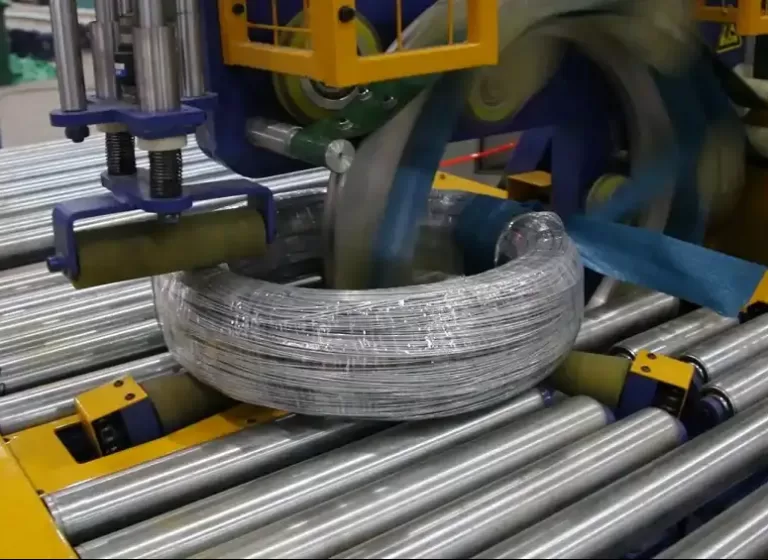
To maximize the effectiveness of routine inspections, a systematic approach is essential. Simply glancing at the machinery isn't enough. You need a detailed checklist and a trained eye to spot subtle signs of wear or malfunction. Here's a breakdown of how to conduct thorough routine inspections:
Mastering the Inspection Checklist
A comprehensive inspection checklist is your guide to ensuring no critical component is overlooked. This checklist should be tailored to your specific equipment model but generally includes these key areas:
1. Visual Inspection:
This is the most frequent and fundamental type of inspection. Look for:
* **Wear and Tear:** Check belts for fraying, cracking, or stretching. Inspect chains for wear, corrosion, and proper tension. Examine rollers and guides for damage, deformation, and smooth operation. Look for any signs of physical damage to the machine structure, guards, and panels.
* **Leaks:** Inspect hydraulic and pneumatic systems for leaks. Check for oil or air leaks around fittings, hoses, and cylinders. Leaks can indicate seal failures or loose connections.
* **Loose Parts:**  Visually check for loose bolts, screws, and fasteners. Vibration can loosen these over time, leading to instability and potential component failure.
* **Debris Build-up:**  Accumulation of dust, coil fragments, or packaging material can hinder moving parts and cause overheating. Check for debris around motors, sensors, and critical mechanisms.
* **Cable and Wiring Condition:** Inspect electrical cables and wiring for damage, fraying, or improper routing. Ensure connections are secure and terminals are clean.
2. Auditory Inspection:
Listen carefully to the machine during operation. Unusual noises can be early warning signs:
* **Grinding or Squealing:** May indicate inadequate lubrication or worn bearings in rollers, gears, or motors.
* **Clicking or Popping:** Could signal issues with chains skipping sprockets, failing gears, or electrical relay problems.
* **Hissing or Air Leaks:**  Confirms visual leak findings in pneumatic systems, requiring immediate attention to maintain pressure and efficiency.
* **Vibrations:** Excessive vibrations can indicate imbalance, loose mountings, or failing bearings in rotating components.
3. Functional Checks:
Verify the operational effectiveness of critical systems:
* **Safety Mechanisms:** Test emergency stop buttons, light curtains, safety interlocks, and guards to ensure they function correctly. Safety system failures pose immediate risks to personnel and must be addressed urgently.
* **Sensors and Controls:** Check sensor alignment and responsiveness. Verify that proximity sensors, photoelectric sensors, and encoders are accurately detecting coil position and machine status. Test control panel buttons and switches for proper operation.
* **Alignment and Adjustments:** Periodically check the alignment of rollers, guides, and coil handling mechanisms. Misalignment can cause uneven wear, product damage, and inefficient operation. Verify and adjust belt and chain tension according to manufacturer specifications.
4. Documentation and Follow-up:
* **Record Findings:**  Document all inspection findings in a maintenance log. Note the date, time, inspector, and any issues identified.
* **Prioritize Issues:** Classify identified issues based on severity (critical, major, minor). Address critical and major issues immediately to prevent breakdowns. Schedule minor repairs for planned maintenance windows.
* **Track Resolution:**  Record the actions taken to resolve each issue, including repairs, adjustments, and parts replacements. This creates a history for future reference and helps in identifying recurring problems.
By implementing a detailed inspection checklist and training personnel to perform these inspections diligently, you create a proactive maintenance culture. This systematic approach not only catches minor issues before they become major failures but also provides valuable data for optimizing your maintenance schedule and improving overall equipment reliability and lifespan. Regular, thorough inspections are a cornerstone of effective steel coil packaging equipment maintenance.
Lubrication: The Lifeblood of Your Equipment
Proper lubrication is arguably the most critical aspect of preventative maintenance for steel coil packaging equipment. It reduces friction, minimizes wear, dissipates heat, and protects components from corrosion. Neglecting lubrication is a fast track to premature equipment failure.
Lubrication is key to maintaining steel coil packaging equipment by reducing friction and wear on moving parts. Regularly lubricate bearings, chains, gears, and rollers using manufacturer-recommended lubricants. Develop a lubrication schedule detailing frequency and lubricant types. Proper lubrication extends component life, reduces energy consumption, and prevents costly breakdowns.

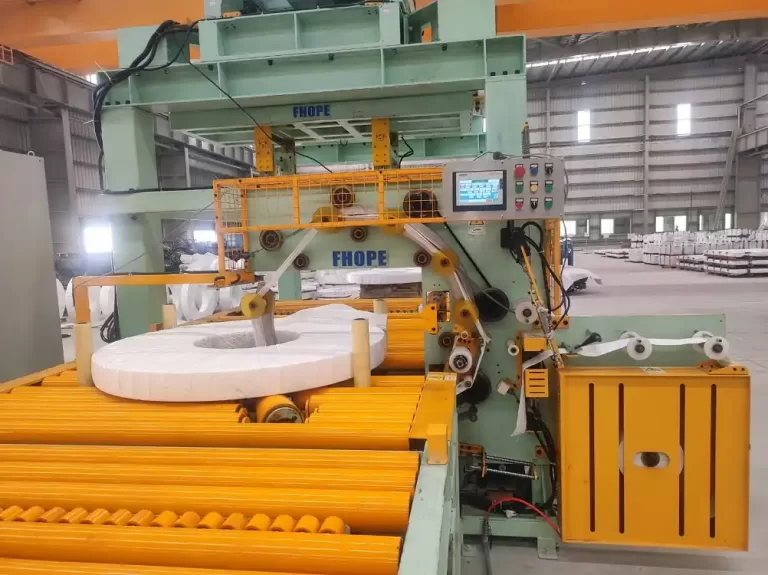
To truly understand the importance of lubrication, think of it as the lifeblood of your machinery. Just as oil is essential for an engine to run smoothly, lubricants are vital for the longevity and efficiency of your steel coil packaging equipment. However, lubrication is not just about applying any grease; it’s about using the right lubricant, in the right amount, at the right intervals. Let’s delve deeper into the nuances of effective lubrication:
Mastering Lubrication Best Practices
Effective lubrication goes beyond simply applying grease. It involves understanding lubricant types, application methods, scheduling, and potential pitfalls. Here's a comprehensive guide to best practices:
1. Understand Lubricant Types:
Different components and operating conditions require different types of lubricants. Common types include:
| Lubricant Type | Applications | Advantages | Considerations |
|---|---|---|---|
| Greases | Bearings, gears, slides, slow-moving parts | Excellent for high-load, low-speed applications, stays in place, seals out contaminants | Can solidify over time, requires proper application to avoid over or under-greasing |
| Oils | Chains, gearboxes, hydraulic systems, high-speed components | Good for high-speed, low-load applications, excellent cooling properties, penetrates tight clearances | Can leak easily, requires regular monitoring of oil levels, less effective in sealing out contaminants |
| Dry Lubricants | Dusty environments, applications where wet lubricants attract debris | Does not attract dust, operates in extreme temperatures, reduces friction without liquid film | Less effective in high-load applications, may wear off over time, requires specific application methods |
| Specialty Lubricants | High-temperature applications, food-grade requirements, corrosive environments | Formulated for specific extreme conditions, ensures compliance with industry regulations, provides specialized protection | Can be more expensive, requires careful selection based on application needs, may have specific handling requirements |
Always consult the equipment manufacturer's manual for specific lubricant recommendations.
2. Develop a Lubrication Schedule:
Create a detailed lubrication schedule that specifies:
* **Components to be Lubricated:** List all lubrication points (bearings, chains, gears, etc.)
* **Lubricant Type:** Specify the correct lubricant for each point.
* **Frequency:** Define lubrication intervals (daily, weekly, monthly). Frequency depends on operational intensity, environmental conditions, and manufacturer recommendations.
* **Method of Application:** Specify the method (grease gun, oil can, automatic lubrication system).
* **Quantity:**  Indicate the appropriate amount of lubricant to apply. Over-lubrication can be as detrimental as under-lubrication.
3. Proper Application Techniques:
* **Grease Guns:** Use grease guns for bearings and grease fittings. Apply grease slowly until old grease is purged or resistance is felt. Avoid over-pressurizing seals.
* **Oil Cans/Spray Lubricators:** Apply oil to chains, open gears, and sliding surfaces. Ensure even coating without excessive dripping.
* **Automatic Lubrication Systems:** For high-demand applications, consider automatic lubrication systems. These systems deliver precise amounts of lubricant at pre-set intervals, ensuring consistent lubrication and reducing manual labor. Regularly check reservoirs and settings.
4. Avoid Contamination:
* **Cleanliness:** Keep lubricants clean and free from contaminants. Store lubricants in sealed containers in a clean environment. Clean grease fittings before applying lubricant.
* **Compatibility:** Never mix incompatible lubricants. Mixing can lead to lubricant breakdown, reduced performance, and equipment damage. If switching lubricant types, thoroughly clean the lubrication point before applying the new lubricant.
5. Monitor and Inspect:
* **Regular Inspections:** During routine inspections, check lubrication points. Look for signs of lubricant leakage, discoloration, or contamination. Feel for heat at bearings, which can indicate lubrication failure.
* **Lubricant Analysis:** For critical equipment, consider periodic lubricant analysis. Oil analysis can detect wear particles, contamination, and lubricant degradation, providing early warnings of potential component failures.
6. Training and Awareness:
* **Train Personnel:** Ensure maintenance personnel are properly trained in lubrication procedures, lubricant types, and safety practices.
* **Visual Aids:** Post lubrication charts and schedules near the equipment for easy reference.
By adhering to these best practices, you transform lubrication from a routine task into a strategic element of your maintenance program. Proper lubrication significantly extends the lifespan of your steel coil packaging equipment, reduces energy consumption by minimizing friction, and prevents costly downtime caused by component failures. It's a small investment that yields substantial returns in terms of equipment reliability and operational efficiency.
General Maintenance Tips for Longevity and Efficiency
Beyond schedules, inspections, and lubrication, several other general maintenance practices contribute significantly to the longevity and efficient operation of steel coil packaging equipment. These tips encompass cleaning, calibration, spare parts management, and safety protocols.
General maintenance for steel coil packaging equipment includes regular cleaning to remove debris, calibrating sensors for accuracy, keeping spare parts readily available, and prioritizing safety checks. Cleanliness prevents malfunctions, calibration ensures precision, spare parts minimize downtime, and safety checks protect personnel. These practices collectively enhance equipment lifespan and operational safety.

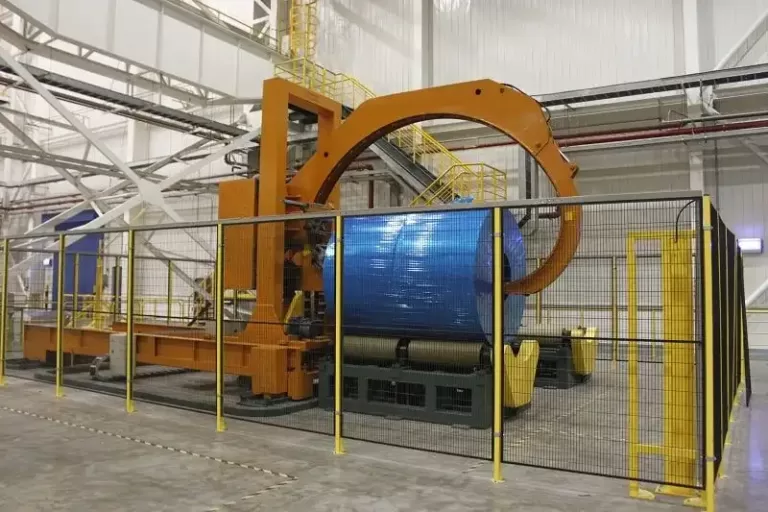
To maximize the lifespan and efficiency of your steel coil packaging equipment, a holistic approach to maintenance is required. It's not just about addressing specific components; it's about creating a supportive environment and implementing practices that prevent issues before they arise. Here are essential general maintenance tips that contribute to overall equipment health:
Elevating General Maintenance Practices
General maintenance is the everyday care that keeps your equipment running smoothly and reliably. These practices might seem basic, but their consistent application makes a significant difference in preventing major problems and extending equipment life.
1. Emphasize Cleanliness:
* **Regular Cleaning Schedule:** Establish a regular cleaning schedule – daily, weekly, and monthly – depending on the operating environment and equipment usage.
* **Debris Removal:** Regularly remove coil fragments, dust, packaging material residue, and any accumulated debris from all machine surfaces, especially around moving parts, sensors, and electrical panels. Use vacuums, brushes, and compressed air (with caution around sensitive components).
* **Appropriate Cleaning Agents:** Use cleaning agents recommended by the equipment manufacturer. Avoid harsh chemicals that can damage paint, seals, or sensitive components. For electrical components, use non-conductive cleaners.
* **Cleanliness Benefits:** Cleanliness prevents debris from interfering with moving parts, causing jams, overheating, and sensor malfunctions. It also improves heat dissipation and makes it easier to spot leaks or damage during inspections.
2. Calibrate Sensors and Measuring Devices:
* **Regular Calibration Intervals:** Sensors and measuring devices (e.g., encoders, load cells, proximity sensors) can drift out of calibration over time. Establish regular calibration intervals, as recommended by the manufacturer, or based on operational experience.
* **Calibration Procedures:** Follow manufacturer-specified calibration procedures. Use calibrated test equipment to verify and adjust sensor accuracy.
* **Calibration Benefits:** Accurate sensors and measuring devices are crucial for precise packaging operations, preventing material waste, product damage, and ensuring consistent quality. Calibration ensures the equipment operates within specified parameters.
3. Maintain Spare Parts Inventory:
* **Identify Critical Spare Parts:** Determine critical spare parts that are prone to wear or failure and would cause significant downtime if unavailable (e.g., belts, sensors, rollers, bearings, chains, electrical components).
* **Establish Inventory Levels:** Maintain an adequate stock of critical spare parts based on lead times, equipment usage, and historical failure rates.
* **Organized Storage:** Store spare parts in a clean, organized, and easily accessible location. Properly label and catalog parts for quick retrieval.
* **Spare Parts Benefits:** Having spare parts on hand minimizes downtime during repairs. Quick replacement of worn or failed parts gets the equipment back into operation faster, reducing production losses.
4. Prioritize Safety Checks:
* **Regular Safety System Inspections:** Incorporate safety system checks into your routine maintenance schedule.
* **Safety Component Testing:** Regularly test emergency stop buttons, safety interlocks, light curtains, and safety guards to ensure they are functioning correctly. Verify that all safety devices are in place and properly adjusted.
* **Safety Training:** Ensure all operators and maintenance personnel are thoroughly trained on safety procedures, emergency shutdown protocols, and the proper use of safety equipment.
* **Safety Benefits:** Safety is paramount. Regular safety checks prevent accidents, protect personnel from injury, and ensure compliance with safety regulations. Functional safety systems are essential for a safe working environment.
5. Proper Storage When Not in Use:
* **Protection from Elements:** If equipment is to be stored for extended periods, protect it from the elements – moisture, dust, and temperature variations. Store indoors if possible, or use protective covers if outdoor storage is unavoidable.
* **Rust Prevention:** Apply rust preventative coatings to exposed metal surfaces to prevent corrosion during storage, especially in humid environments.
* **Component Relief:** For hydraulic and pneumatic systems, relieve pressure to prevent seal damage during prolonged storage.
* **Storage Benefits:** Proper storage prevents degradation of equipment during periods of non-use, ensuring it is ready for operation when needed and extending its overall lifespan.
By consistently implementing these general maintenance tips, you create a comprehensive maintenance program that goes beyond reactive repairs. These practices foster a proactive approach, ensuring your steel coil packaging equipment operates at peak efficiency, experiences minimal downtime, and provides a safe working environment for your personnel. This holistic maintenance philosophy is key to maximizing your investment and ensuring long-term operational success.

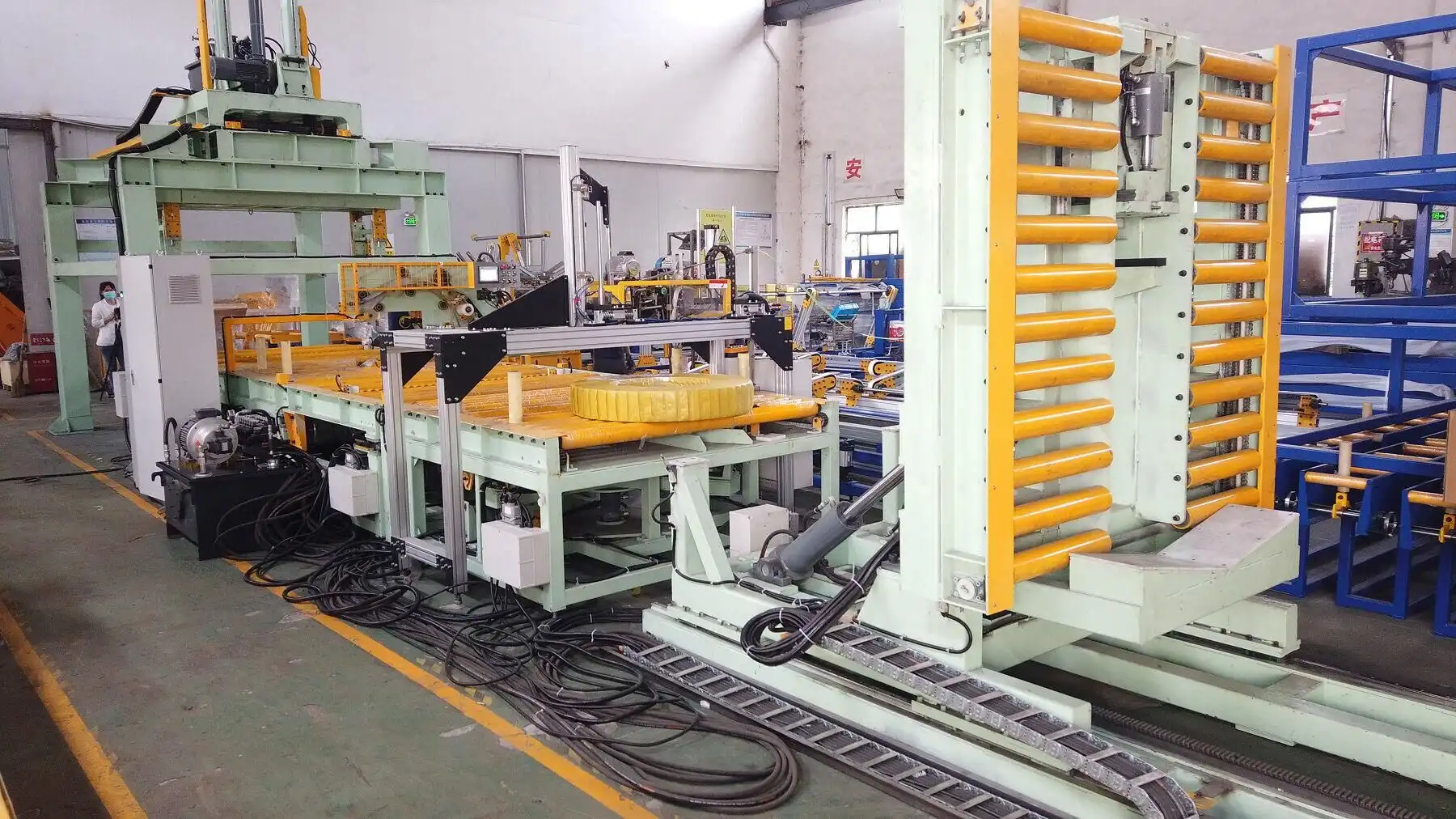
Effective maintenance of steel coil packaging equipment is a continuous process, not a one-time event. It requires a commitment to regular schedules, diligent inspections, proper lubrication, and adherence to general best practices. By prioritizing maintenance, you protect your investment, ensure operational efficiency, and create a safer working environment. Embracing [wire packing automation]() can further streamline processes, but consistent maintenance remains the cornerstone of reliable equipment performance.