

Smart Technologies in Steel Coil Packaging
Problem: Steel coil packaging is often inefficient, labor-intensive, and prone to errors, leading to material waste and product damage. Agitation: These inefficiencies not only drive up operational costs but also pose significant safety hazards and hinder productivity in modern manufacturing environments. Solution: Smart technologies offer a transformative approach to steel coil packaging, streamlining processes, enhancing safety, and maximizing efficiency.
Smart technologies are revolutionizing steel coil packaging by automating processes, improving precision, and reducing waste. These advancements include robotic systems for handling and wrapping, sensor-driven adjustments for material usage, and IoT integration for real-time monitoring and predictive maintenance, leading to significant improvements in efficiency and safety. This article explores how these technologies are transforming the steel industry.
This article will explore the pivotal role of smart technologies in modernizing steel coil packaging, examining how automation, data analytics, and innovative materials are converging to create more efficient, safe, and sustainable packaging solutions. Continue reading to discover how these advancements are reshaping the industry.
The Foundational Importance of Smart Automation in Coil Packaging Lines
In today's fast-paced manufacturing landscape, the integration of smart automation into coil packaging lines is not merely an upgrade, it's a necessity. The demand for efficiency, precision, and safety in material handling has pushed industries to move beyond traditional manual methods.
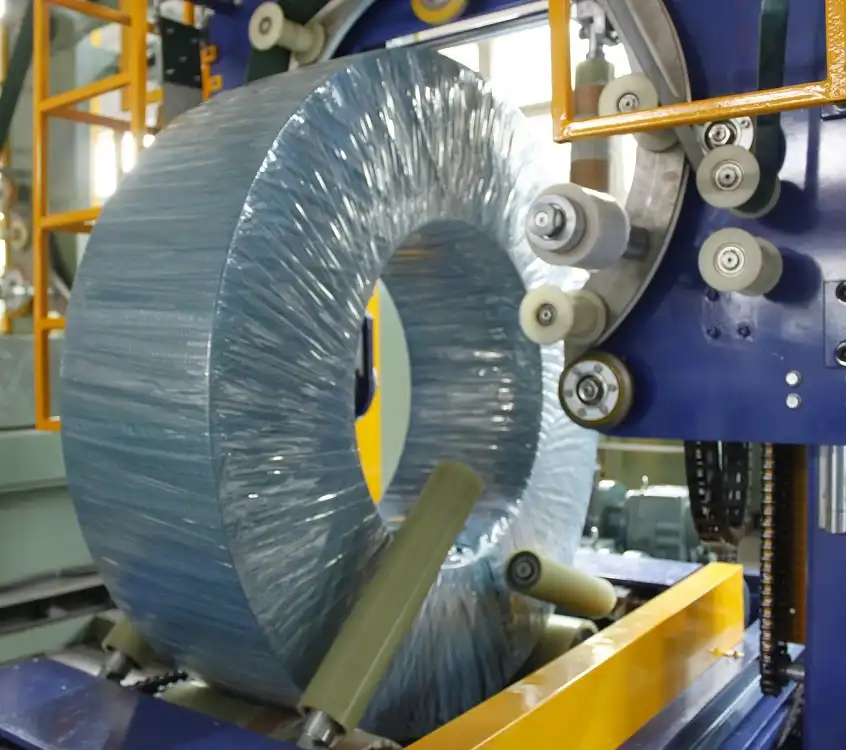
Automated coil packing lines are critical for modern steel manufacturing, enhancing efficiency, consistency, and safety. By integrating robots, PLCs, and sensors, these systems streamline wrapping, strapping, and handling processes, significantly reducing labor costs and material waste while improving overall throughput and minimizing workplace hazards. These systems ensure consistent packaging quality and contribute to a more sustainable and productive operation.
%[Automated Steel Coil Packaging Line]

Diving Deeper into Automation Benefits
The shift towards automated coil packaging is driven by a multitude of factors, all pointing towards enhanced operational performance and cost savings. Let's break down the key advantages and explore how they contribute to a smarter, more efficient packaging process.
Enhanced Operational Efficiency
Automated systems drastically reduce the time required for packaging. Unlike manual processes, which are prone to inconsistencies and slowdowns, automated lines operate continuously and at a consistent pace. Consider the throughput increase:
| Feature | Manual Packaging | Automated Packaging (MultiWrapper Example) | Improvement |
|---|---|---|---|
| Coils per Hour | 2-4 | Up to 14 | 3.5x - 7x |
| Wrapping Time/Coil | 15-30 minutes | ~4 minutes | 3.75x - 7.5x faster |
| Labor Requirement | 4-6 workers | 1-2 workers (supervision) | 50-75% reduction |
This table highlights the dramatic improvements in efficiency. The MultiWrapper, mentioned in the source material, exemplifies this with its ability to wrap up to 14 coils per hour, a stark contrast to manual rates. This speed directly translates to higher throughput and reduced lead times, crucial for meeting demanding production schedules.
Consistent Packaging Quality and Reduced Errors
Human error is inherent in manual processes. In coil packaging, this can manifest as inconsistent wrapping tension, improper strapping, or inadequate material application, leading to damage during transit and storage. Automated systems, controlled by PLCs and sensors, ensure uniformity and precision in every package. This consistency minimizes the risk of damage, reduces customer complaints, and eliminates costly rework.
Improved Workplace Safety
Manual handling of heavy steel coils is inherently dangerous. Automation significantly mitigates these risks by replacing manual lifting and maneuvering with robotic systems. This leads to a safer work environment, reducing workplace injuries, and lowering associated costs like worker's compensation and lost productivity due to absenteeism.
Reduced Material Waste
Precision in automated systems extends to material usage. Sensors and PLCs control the exact amount of wrapping film and strapping needed for each coil, minimizing waste compared to manual application, where overuse is common. This not only reduces material costs but also contributes to more sustainable practices.
In conclusion, the foundational importance of smart automation lies in its ability to address critical challenges in coil packaging – efficiency, quality, safety, and cost – making it an indispensable component of modern steel manufacturing.
Streamlining Processes with Integrated Coil Handling Systems
Efficient material flow is the backbone of any high-throughput manufacturing operation. In steel coil packaging, the integration of coil handling systems is paramount to streamlining the entire process, from production line to dispatch.
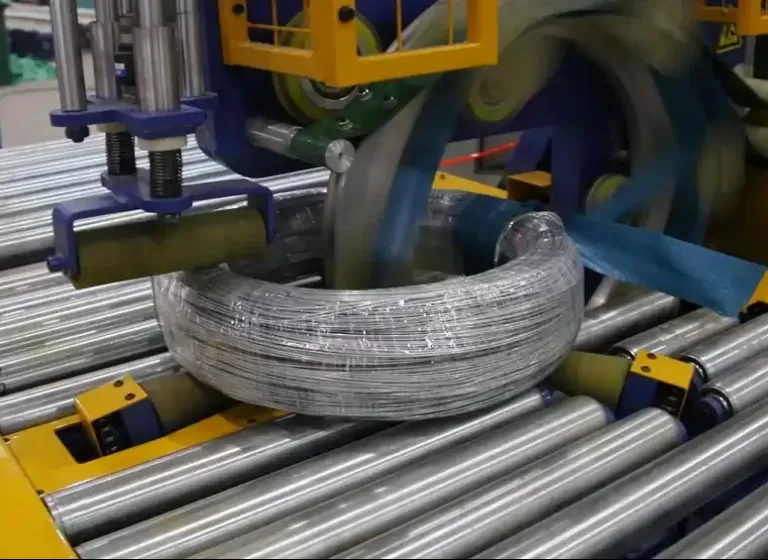
Integrated coil handling systems revolutionize steel coil packaging by automating the movement of coils through each stage of the packaging line. These systems incorporate conveyors, turnstiles, and robotic arms to seamlessly manage coils, reducing manual handling, minimizing bottlenecks, and ensuring a continuous and efficient workflow from slitting to stacking. This integration optimizes space utilization and enhances the overall speed and reliability of the packaging process.
%[Horizontal Steel Wire Packing Machinery]

Enhancing Workflow Efficiency
Beyond individual machines, the true power of smart technology lies in its ability to connect and synchronize different stages of the packaging process. Integrated coil handling systems achieve this by creating a seamless flow from the end of the production line to the packaged and ready-to-ship coil.
This integration typically involves several key components working in harmony:
- Conveyor Systems: These act as the circulatory system of the packaging line, moving coils smoothly and continuously between stations. Different types of conveyors, such as roller conveyors, chain conveyors, and belt conveyors, are used depending on the specific needs of each stage.
- Turnstiles and Downenders: These devices efficiently change the orientation of coils, essential for different packaging operations like eye-through strapping or vertical stacking. Automation ensures precise and safe coil manipulation, minimizing the risk of damage.
- Robotic Arms and Handling Equipment: Robots are increasingly used for tasks like loading and unloading coils onto conveyors, stacking packaged coils onto pallets, and even applying edge protectors. Their precision, speed, and ability to handle heavy loads make them ideal for automating repetitive and physically demanding tasks.
- Weighing and Labeling Stations: Integrated weighing systems automatically capture coil weight data, which is crucial for inventory management and shipping documentation. Automated labeling systems apply identification labels with barcodes or RFID tags, enabling real-time tracking and traceability throughout the supply chain.
By connecting these components through a central control system, typically a PLC, the entire packaging process becomes synchronized and optimized. This integration eliminates bottlenecks, reduces manual handling, and ensures a continuous flow of coils through the packaging line, maximizing throughput and minimizing lead times. The result is a significantly more efficient and reliable packaging operation.
Precision Packaging with Smart Wrapping and Strapping Technologies
The core function of coil packaging is protection, and smart technologies are taking wrapping and strapping to a new level of precision and effectiveness. Advanced systems ensure coils are not only securely packaged but also with minimal material usage and maximum consistency.
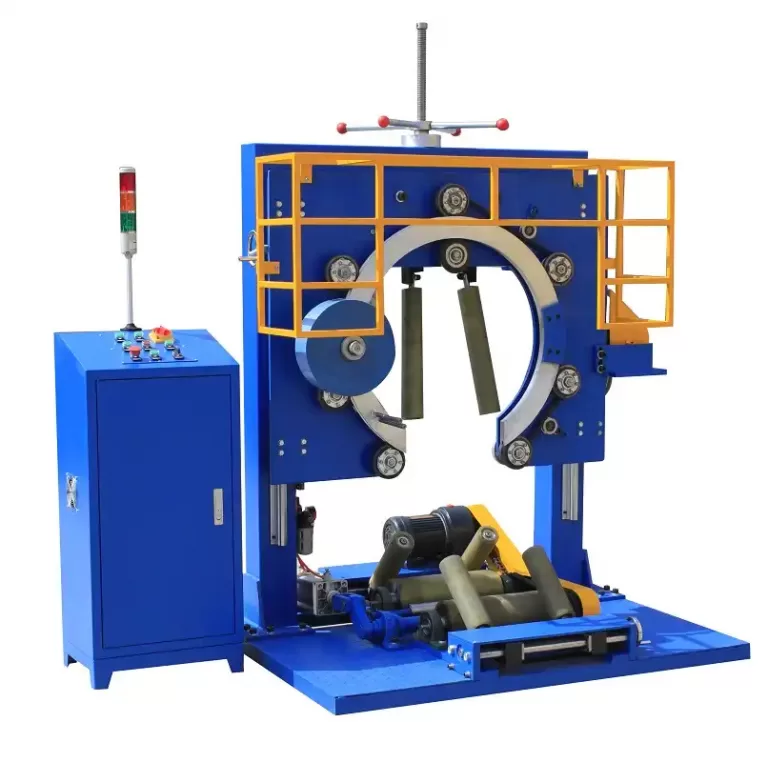
Smart wrapping and strapping technologies utilize sensors, automated tension control, and advanced materials to deliver precision packaging for steel coils. These systems optimize material usage, ensure consistent wrapping tension and strapping force, and adapt to different coil sizes and types, resulting in superior protection, reduced material costs, and enhanced packaging integrity. This precision minimizes damage during transit and storage, ensuring product quality and customer satisfaction.
%[Coil Wrapping Machine]

Advancements in Wrapping and Strapping
Modern coil packaging machines are equipped with sophisticated features that go far beyond simple wrapping and strapping. Let's explore some key technological advancements:
Automated Tension Control
Maintaining the correct wrapping tension is crucial. Too loose, and the coil is inadequately protected; too tight, and material is wasted, and coil deformation risks increase. Smart wrapping machines use sensors to monitor film tension in real-time and automatically adjust it based on pre-set parameters for different coil types and sizes. This ensures optimal tension throughout the wrapping cycle, maximizing film efficiency and protection.
Precision Strapping Application
Similarly, strapping machines in smart packaging lines offer precise control over strap tension and placement. Automated systems ensure straps are applied with consistent force and at the correct locations to securely hold the coil package together without causing damage. Some advanced systems even use ultrasonic welding or heat sealing for strap joining, creating stronger and more reliable closures compared to traditional methods.
Material Optimization
Smart technologies also contribute to material optimization. By precisely controlling wrapping overlap and strap length, these systems minimize material consumption. Furthermore, advanced packaging materials, such as high-performance stretch films with enhanced tear resistance and holding force, are used to further reduce material usage while maintaining or improving protection levels. Some systems are also designed to work with eco-friendly and recyclable packaging materials, aligning with sustainability goals.
Adaptive Packaging Parameters
Modern coil packaging lines can automatically adapt packaging parameters based on coil dimensions and material type. Sensors measure coil size and shape as it enters the wrapping station, and the system adjusts wrapping patterns, strapping configurations, and material dispensing accordingly. This adaptability ensures that each coil is packaged optimally, regardless of variations in size or material, maximizing efficiency and minimizing waste.
By integrating these smart wrapping and strapping technologies, manufacturers can achieve a new level of precision in coil packaging, resulting in superior product protection, reduced material costs, and a more sustainable operation.
Data-Driven Optimization and Predictive Maintenance in Smart Packaging
The integration of smart technologies extends beyond physical processes; it encompasses data collection and analysis, enabling data-driven optimization and predictive maintenance—key components of Industry 4.0.
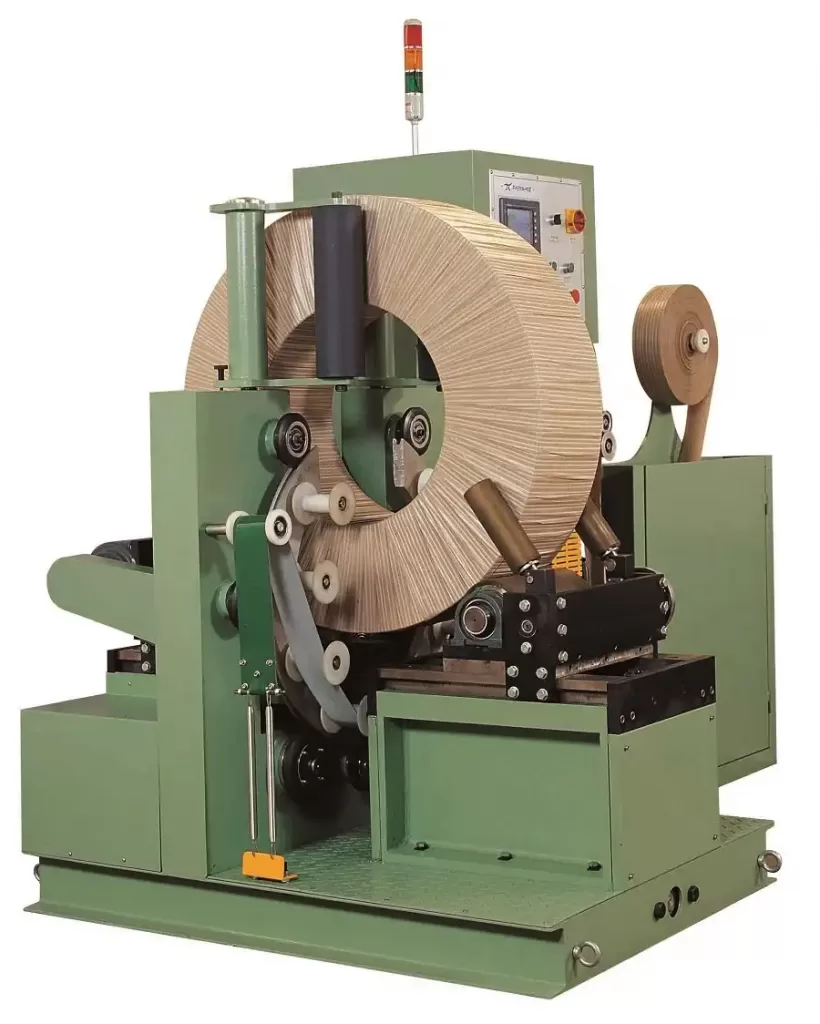
Data-driven optimization and predictive maintenance in smart coil packaging leverage IoT sensors and data analytics to monitor system performance, identify inefficiencies, and predict potential failures. Real-time data on wrapping cycles, material usage, and machine health enables proactive adjustments, minimizes downtime, and optimizes overall equipment effectiveness (OEE). This approach transforms maintenance from reactive to proactive, leading to significant cost savings and improved operational reliability.
%[Sitting Coil Wrapping Machine]

Unlocking Insights with Data and Analytics
Smart coil packaging lines are rich sources of data, and harnessing this data is crucial for continuous improvement and operational excellence. Here's how data-driven approaches are transforming coil packaging:
Real-Time Performance Monitoring
IoT sensors embedded in packaging machines collect data on a wide range of parameters, including:
- Cycle Times: Wrapping and strapping cycle durations, identifying bottlenecks and areas for speed optimization.
- Material Consumption: Stretch film and strapping usage per coil, tracking material efficiency and identifying potential waste.
- Machine Health Metrics: Motor temperature, vibration levels, pneumatic pressure, and other indicators of machine condition.
- Error Rates: Number of packaging errors, such as film breaks or strapping failures, highlighting areas for process improvement.
This data is transmitted in real-time to a central dashboard, providing operators and managers with a comprehensive overview of system performance. Visualizations and alerts enable immediate identification of issues and prompt corrective actions.
Data Analytics for Process Optimization
Beyond real-time monitoring, historical data is analyzed to identify trends, patterns, and opportunities for process optimization. Data analytics can reveal:
- Optimal Machine Settings: Identifying ideal wrapping tension, strapping force, and cycle parameters for different coil types and materials.
- Root Causes of Inefficiencies: Pinpointing factors contributing to slowdowns, material waste, or errors.
- Areas for Automation Enhancement: Identifying manual tasks that can be further automated to improve efficiency.
Machine learning algorithms can be applied to this data to develop predictive models that anticipate potential issues and recommend optimal operating parameters, leading to continuous improvement and increased OEE.
Predictive Maintenance for Reduced Downtime
Predictive maintenance is a game-changer in manufacturing. By analyzing machine health data, smart systems can predict potential failures before they occur. For example, increasing motor temperature or vibration levels might indicate an impending bearing failure. The system can then alert maintenance personnel to schedule proactive maintenance, preventing unexpected breakdowns and costly downtime.
| Maintenance Approach | Description | Downtime Impact | Cost Impact | Data Dependence |
|---|---|---|---|---|
| Reactive Maintenance | Fix equipment after failure | High | High | Low |
| Preventive Maintenance | Scheduled maintenance based on time or usage | Medium | Medium | Medium |
| Predictive Maintenance | Maintenance based on real-time condition monitoring | Low | Low | High |
As shown in the table, predictive maintenance, enabled by smart technologies and data analytics, offers significant advantages over traditional reactive and preventive approaches in terms of downtime and cost reduction. By transitioning to a data-driven maintenance strategy, manufacturers can significantly improve the reliability and uptime of their coil packaging lines.
Sustainable Practices Enabled by Smart Coil Packaging Systems
Sustainability is no longer a peripheral concern but a core business imperative. Smart coil packaging systems contribute to greener manufacturing practices in multiple ways, from reducing material waste to optimizing energy consumption.
%[Horizontal Steel Coil Wrapping Machine]

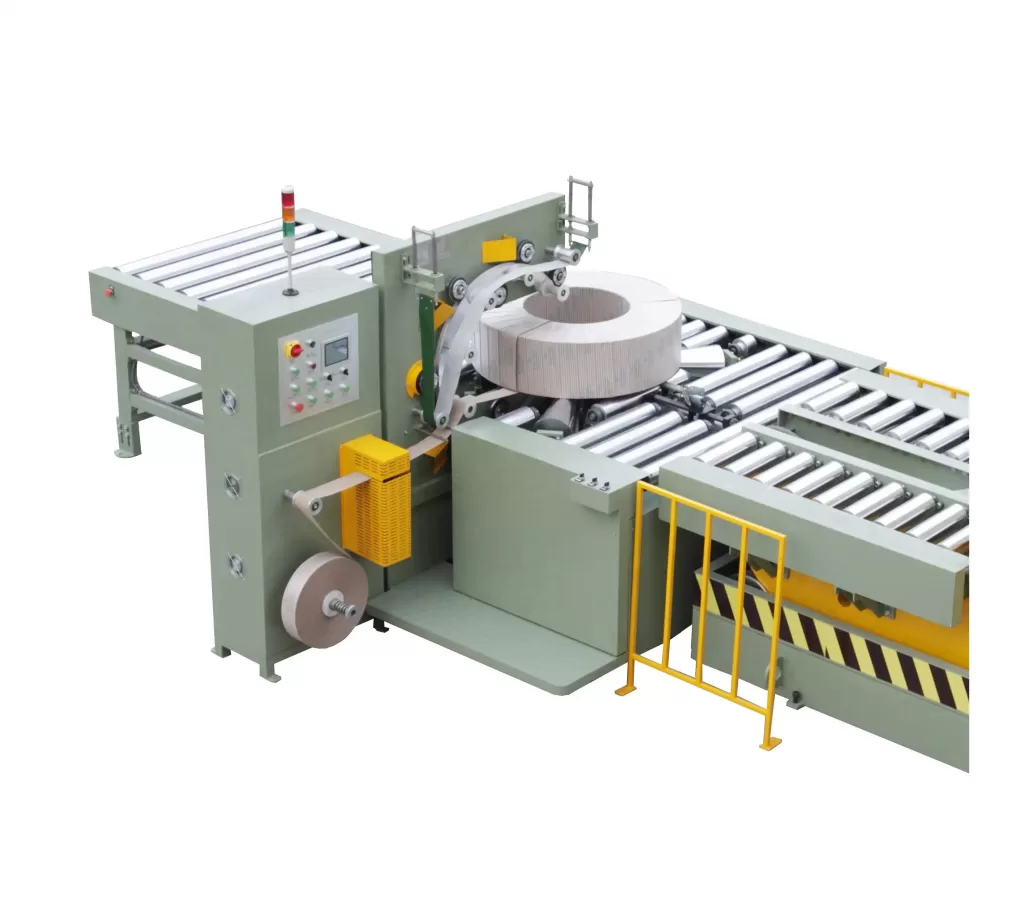
Smart coil packaging systems promote sustainability through precise material application, energy-efficient operation, and compatibility with eco-friendly materials. By minimizing waste, reducing energy consumption, and facilitating the use of recyclable packaging, these technologies help manufacturers lower their environmental footprint and contribute to a more sustainable future for the steel industry.
The shift towards sustainable coil packing is driven by several key features of smart systems:
- Minimized Material Usage: Precision wrapping and strapping systems, as discussed earlier, significantly reduce material waste by applying the exact amount of packaging material needed. This directly translates to lower material consumption and reduced environmental impact associated with material production and disposal.
- Energy-Efficient Operation: Modern coil packaging machines are designed with energy efficiency in mind. They incorporate features like energy-saving motors, optimized pneumatic systems, and intelligent power management. Some systems also include automatic shut-off features that minimize energy consumption during idle periods.
- Compatibility with Sustainable Materials: Smart packaging lines are increasingly designed to handle and process eco-friendly packaging materials. This includes recyclable stretch films, paper-based wraps, and biodegradable strapping materials. The adaptability of these systems to sustainable materials enables manufacturers to transition to greener packaging solutions without compromising efficiency or performance.
- Optimized Logistics: By ensuring compact and secure coil packaging, smart systems contribute to more efficient loading and transportation. Optimized packaging reduces the volume of shipments, leading to lower fuel consumption and reduced carbon emissions across the supply chain.
- Reduced Product Damage: Minimizing product damage through consistent and reliable packaging also contributes to sustainability. Reducing damage means fewer rejected shipments and less material waste from damaged coils, further lowering the environmental impact of the overall process.
Conclusion
Smart technologies are fundamentally transforming steel coil packaging, driving efficiency, enhancing safety, and promoting sustainability. From automated handling systems to precision wrapping and data-driven optimization, these innovations are creating a new paradigm for end-of-line packaging in the steel industry. Embracing [wire packing automation]() is not just an operational upgrade; it's a strategic move towards a smarter, more efficient, and sustainable manufacturing future, aligning with the principles of Industry 4.0 and beyond, as detailed in [Collection].