

International Standards for Steel Coil Packaging
Are you in the business of exporting steel coils? Imagine your shipment, painstakingly produced, arriving at its destination damaged and rejected. This nightmare scenario is all too real for exporters who overlook the critical importance of international packaging standards. Don't let inadequate packaging destroy your profits and reputation. Understanding and adhering to these standards is not just about compliance—it's about securing your investment and ensuring customer satisfaction.
Navigating the complexities of international steel coil packaging standards is crucial for successful global trade. These standards dictate material requirements, packaging methods, labeling protocols, and testing procedures to ensure coils arrive in pristine condition, preventing damage and costly rejections.
As global trade expands, the significance of standardized packaging for steel coils cannot be overstated. These standards are not merely guidelines; they are the bedrock of efficient and damage-free international commerce. Let's delve into the essential aspects that every steel coil exporter needs to know.
Decoding International Steel Coil Standards: Why They Matter
Imagine the frustration: your meticulously manufactured steel coils reach international borders, only to be turned away due to packaging that doesn't meet required standards. This is a costly reality for many in the steel industry, highlighting why understanding international standards for steel coil packaging is not optional—it's essential for export success. These standards are the silent guardians of your product's integrity and your company's reputation in the global marketplace.
International standards for steel coil packaging are crucial because they ensure product protection during transit, facilitate smooth customs clearance, and build trust with international buyers. Compliance minimizes damage from moisture, mechanical stress, and handling, reducing rejection rates and preserving product quality.
These standards are more than just a checklist; they represent a consensus on best practices, developed by industry experts and standardization bodies worldwide. They address a multitude of factors, from the types of materials used in packaging to the precise methods of securing and labeling coils for international shipment. To truly grasp their importance, we need to examine the key standardization bodies and the specific standards they promulgate.
The Global Standards Framework: A Closer Look
The world of international standards can seem like a labyrinth, but for steel coil packaging, it's a structured landscape designed to ensure consistency and quality. Several key organizations shape this landscape, each with its area of influence and specific standards. Understanding these bodies and their benchmarks is the first step towards ensuring your packaging is globally compliant.
Key Standardization Bodies and Their Influence
Three major players dominate the international standards arena for steel coil packaging:
-
ISO (International Organization for Standardization): ISO standards are globally recognized and provide a framework for quality, safety, and efficiency across various industries. While ISO itself might not have a single dedicated standard solely for steel coil packaging, various ISO standards related to packaging materials, testing, and general transport principles are applicable and often referenced in industry best practices.
-
ASTM International (American Society for Testing and Materials): ASTM standards are widely used in North America and many other regions. They are known for their detailed and technically rigorous specifications. ASTM standards relevant to steel coil packaging might cover material specifications for packaging components like steel strapping and protective wraps, as well as testing methods to evaluate packaging performance.
-
EN (European Norms): EN standards are developed by the European Committee for Standardization (CEN) and are mandatory within the European Union. For exporters to the EU market, compliance with relevant EN standards is legally required. EN standards for steel coil packaging are likely to be comprehensive, covering aspects from material selection to environmental considerations.
The geographic coverage and market share of these organizations are significant:
| Organization | Geographic Coverage | Key Standards | Market Share |
|---|---|---|---|
| ISO | Global | ISO standards for packaging, testing, transport | Global |
| ASTM International | Global/Americas | ASTM standards for materials, testing | 45% |
| European Committee for Standardization (CEN) | EU/EFTA | EN standards for packaging, materials, environment | 35% |
| Japanese Industrial Standards (JIS) | Asia Pacific | JIS standards for materials, testing | 20% |
It's important to note that while these are dominant players, other regional and national standards bodies may also have influence depending on the specific export destination. For example, JIS (Japanese Industrial Standards) are crucial for exports to Japan and other parts of Asia.
Harmonization and the Future of Standards
The trend in international standards is towards greater harmonization. Organizations are working together to reduce duplication and create globally accepted benchmarks. This is beneficial for exporters as it simplifies compliance and reduces the need to adhere to multiple sets of standards. Initiatives like mutual recognition agreements and collaborative standard development are paving the way for a more unified global framework for steel coil packaging. Keeping abreast of these developments is crucial for long-term export strategy and ensuring continued compliance in an evolving regulatory landscape.

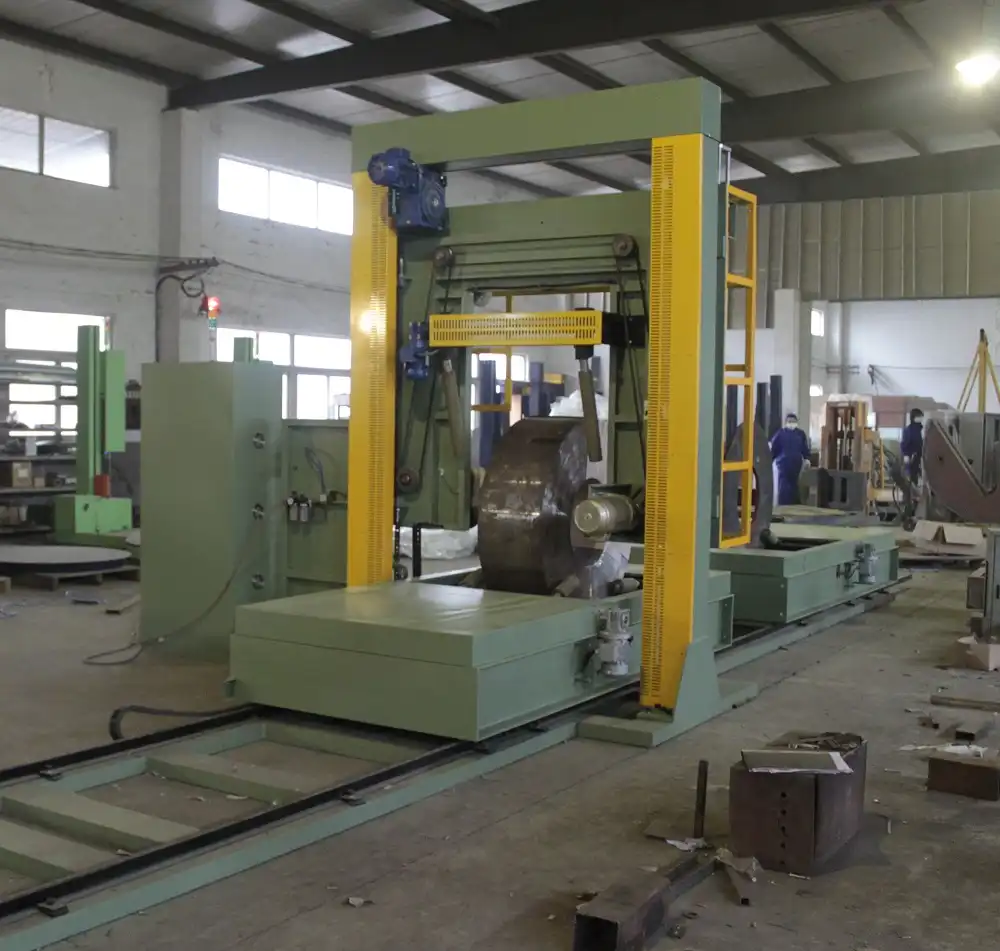
Transitioning from the general importance of standards, let's now focus on the practical implications of regional regulations and how they impact your export operations.
Navigating Regional Regulatory Landscapes for Steel Coil Exports
Exporting steel coils isn't a one-size-fits-all process. Just as languages and cultures vary across the globe, so do the regulatory landscapes governing international trade. For steel coil packaging, this means that the standards you must meet can differ significantly depending on your destination market. Ignoring these regional nuances can lead to delays, penalties, and, most critically, shipment rejections.
Export regulations for steel coil packaging vary significantly by region, with the EU, North America, and Asia presenting distinct requirements. Compliance necessitates understanding specific documentation needs, quality certifications, and testing protocols unique to each market.
The key to successful exporting lies in meticulous research and preparation. You need to understand not only the general international standards but also the specific regulatory demands of your target markets. Let's break down some of the major regional differences:
Key Regional Variations in Export Regulations
Navigating the maze of international trade regulations requires a region-specific approach. Here’s a look at some key markets and their unique requirements:
European Union (EU) – Stringent and Environmentally Focused
The EU is known for its rigorous standards, particularly concerning safety and environmental protection. For steel coil packaging, this translates into a focus on:
-
REACH Compliance: REACH (Registration, Evaluation, Authorization, and Restriction of Chemicals) is an EU regulation concerning the safe use of chemicals. Packaging materials must comply with REACH, ensuring they do not contain restricted substances that could harm human health or the environment.
-
Packaging and Packaging Waste Directive: This directive sets targets for the recovery and recycling of packaging waste. Exporters to the EU must ensure their packaging is designed to minimize waste and is recyclable or recoverable.
-
CE Marking: While CE marking might be more directly associated with product safety for certain goods, it's indicative of the EU's broader emphasis on conformity and documented compliance. While not always directly applicable to steel coil packaging itself, the principles of CE marking – demonstrating conformity to relevant EU directives – reflect the general compliance mindset required for EU market access.
-
EN Standards: Compliance with specific EN standards for packaging materials and methods is often a de facto requirement for exporting to the EU. These standards provide detailed specifications and testing protocols.
North America (USA & Canada) – Emphasis on ASTM and Safety
North America, particularly the United States, relies heavily on ASTM standards. Key considerations for steel coil packaging exports to this region include:
-
ASTM Standards: Adherence to relevant ASTM standards for packaging materials (steel strapping, wood pallets, etc.) and testing is crucial. Buyers often specify ASTM standards in their purchasing agreements.
-
ISPM 15 for Wood Packaging: If using wood pallets or crates, compliance with ISPM 15 (International Standards for Phytosanitary Measures Publication No. 15) is essential. ISPM 15 regulates the treatment of wood packaging material to prevent the spread of plant pests and diseases.
-
Safety Standards: Packaging must be designed to ensure safe handling and prevent injury during transport and unpacking. This includes considerations for weight distribution, secure fastening, and clear labeling of handling instructions and warnings.
Asia – Diverse and Evolving Landscape
Asia presents a more diverse regulatory landscape. Japan, South Korea, and China have their own well-established standards systems, while Southeast Asian nations are increasingly adopting international norms but may have varying levels of enforcement.
-
JIS Standards (Japan): For exports to Japan, compliance with Japanese Industrial Standards (JIS) is paramount. JIS standards are known for their high quality and attention to detail.
-
Korean Standards (KS): Similar to Japan, South Korea has its own Korean Industrial Standards (KS) system, which is important for market access.
-
China GB Standards: China's GB standards are the national standards for the People's Republic of China. While China is increasingly aligning with international norms, GB standards remain crucial for exports to this market.
-
Emerging Markets: In Southeast Asia and other emerging Asian markets, while international standards are gaining traction, local regulations and buyer preferences can still play a significant role. Flexibility and market-specific research are key.

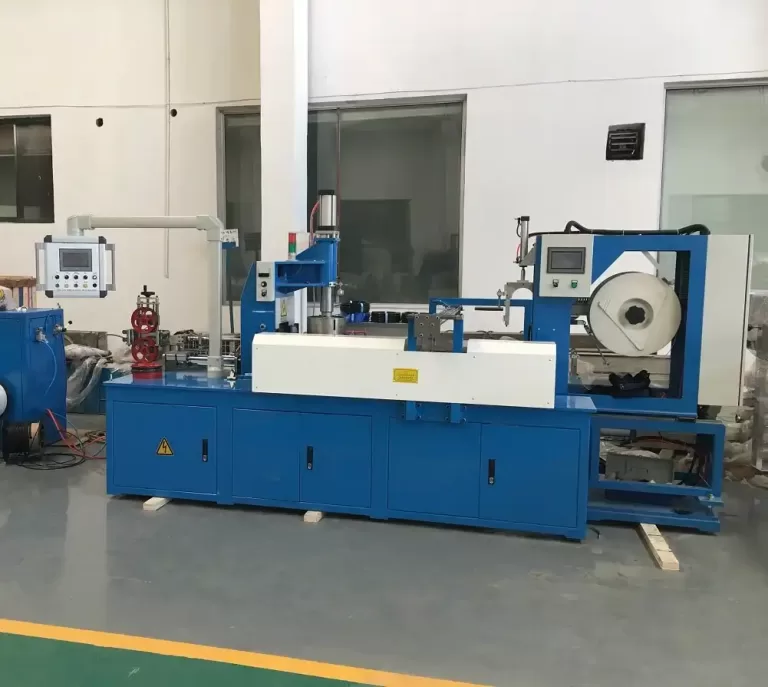
Understanding these regional variations is not just about avoiding penalties; it's about building strong, reliable trade relationships. Compliance demonstrates your commitment to quality and your respect for the regulations of your trading partners. Now, let's move on to the practical steps of ensuring your steel coil packaging meets these diverse standards through rigorous testing and inspection.
Essential Testing and Inspection Protocols for Steel Coil Packaging
Meeting international and regional standards isn't just about choosing the right packaging materials; it's about verifying that your packaging performs as required. Testing and inspection are the cornerstones of quality assurance in steel coil packaging, providing objective evidence that your methods are effective and compliant. Without robust testing, you're essentially shipping your valuable coils into the unknown, hoping for the best but without concrete proof of protection.
Pre-export testing and inspection are vital to confirm steel coil packaging meets required standards. Key tests include drop tests, compression tests, humidity resistance assessments, and thorough inspections for material integrity and labeling accuracy.
Effective testing and inspection are not simply about ticking boxes; they are about proactively identifying and mitigating potential risks. They provide data-driven insights that allow you to refine your packaging processes, reduce damage rates, and build confidence in your export shipments. Let's explore the essential protocols in detail:
Key Testing and Inspection Procedures
A comprehensive testing and inspection regime for steel coil packaging should cover several critical areas:
Performance Testing: Simulating Real-World Transit Hazards
Performance testing puts your packaging to the test, simulating the stresses and strains of international shipping. These tests are designed to identify weaknesses and ensure your packaging can withstand typical transit conditions.
-
Drop Tests: Drop tests assess the packaging's ability to protect the coil from impacts during handling and loading/unloading. Standards may specify drop heights and impact surfaces depending on coil weight and packaging type.
-
Compression Tests: Compression tests simulate the stacking forces experienced in warehouses and during sea or rail transport. The packaging must withstand a specified compressive load without collapsing or deforming in a way that could damage the coil.
-
Vibration Tests: Vibration tests mimic the vibrations encountered during road, rail, and sea transport. These tests evaluate the packaging's ability to protect the coil from fatigue and abrasion caused by prolonged vibration.
-
Climate Simulation (Humidity and Temperature): For steel coils, moisture is a major enemy. Climate simulation tests expose the packaged coils to controlled humidity and temperature cycles to assess the effectiveness of moisture barrier materials and desiccant usage. These tests help predict how the packaging will perform in different climatic zones and identify potential risks of rust or corrosion.
Material and Component Inspection: Ensuring Quality Inputs
The quality of your packaging is only as good as the materials you use. Rigorous inspection of incoming packaging materials and components is crucial to prevent substandard materials from compromising your packaging's integrity.
-
Steel Strapping Inspection: Steel strapping is a critical component for securing steel coils. Inspection should verify strap dimensions (width, thickness), tensile strength, and coating quality to prevent breakage or corrosion.
-
Wood Pallet Inspection: For wood pallets, inspection should confirm wood type, dimensions, ISPM 15 compliance markings, and absence of defects like cracks or rot.
-
Protective Wrap Inspection (VCI, Moisture Barrier): Inspection of protective wraps should verify material type, thickness, barrier properties (moisture vapor transmission rate for moisture barriers, VCI effectiveness for corrosion inhibitors), and tear resistance.
-
Labeling and Marking Verification: Accurate and durable labeling is essential for customs clearance and proper handling. Inspection should verify label content (product identification, handling instructions, warnings, etc.), placement, and adhesion to the packaging. Compliance with any specific marking requirements of the destination country (e.g., country of origin labeling) should also be checked.
Documentation and Certification: Proving Compliance
Testing and inspection are only valuable if they are properly documented and can be presented as evidence of compliance.
-
Test Reports: Detailed test reports should be generated for all performance tests, documenting test parameters, procedures, and results. These reports serve as proof of due diligence and can be required by buyers or customs authorities.
-
Material Certificates of Conformity: Obtain certificates of conformity from suppliers of packaging materials, verifying that materials meet specified standards (e.g., steel strapping tensile strength, VCI paper specifications).
-
Inspection Checklists: Use standardized checklists for material and component inspections to ensure consistency and completeness. These checklists provide a record of inspection activities and findings.
-
Photographic Evidence: In some cases, photographic evidence of packaging and labeling can be useful for demonstrating compliance, particularly for aspects like proper wrapping, strapping patterns, and label placement.

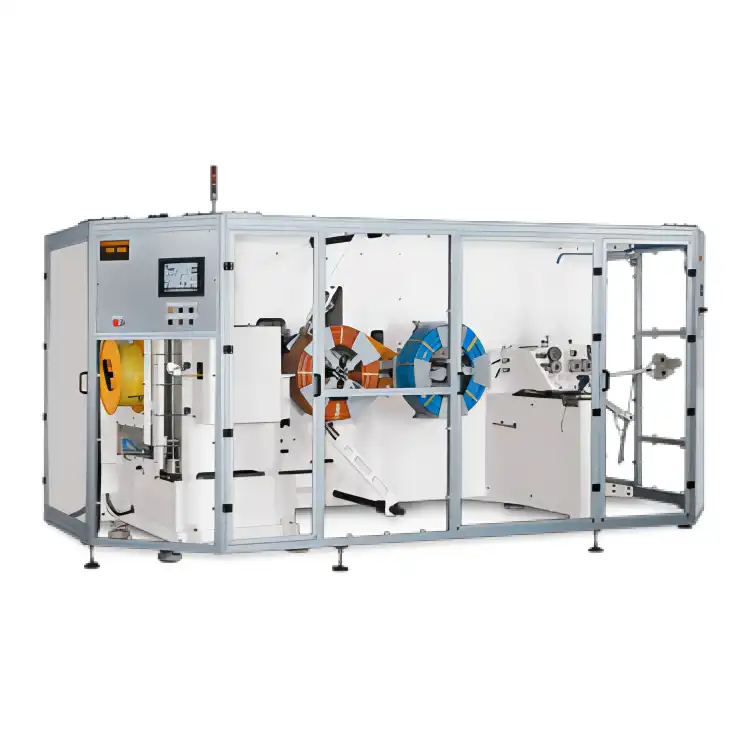
By implementing these comprehensive testing and inspection protocols, you move beyond simply hoping your packaging is adequate to knowing it is. This proactive approach not only minimizes risks but also enhances your credibility as a reliable exporter committed to quality. Finally, let's turn our attention to the crucial details of packaging and labeling – the final presentation of your steel coils to the global market.
Packaging and Labeling: Meeting Export Compliance for Steel Coils
The final stage of preparing steel coils for export is packaging and labeling. This is more than just wrapping and tagging; it's about creating a protective shell that safeguards your product through its journey and clearly communicates essential information to all stakeholders. Inadequate packaging and labeling can undo all your efforts in quality manufacturing and rigorous testing, leading to damage, delays, and compliance issues.
Export standards for steel coil packaging mandate specific materials for moisture protection and damage prevention, along with detailed labeling for product identification, handling, and traceability. Proper packaging and labeling are essential for compliance and safe transit.
Think of packaging and labeling as the final impression you make on your international customers and the global supply chain. It's your opportunity to reinforce your commitment to quality and professionalism. Let's break down the key elements:
Essential Packaging and Labeling Elements
Effective packaging and labeling are a combination of material selection, proper application, and clear communication.
Packaging Material Specifications: Choosing the Right Protection
Selecting the appropriate packaging materials is the foundation of effective protection. The choice depends on factors like coil type (cold-rolled, hot-rolled, stainless steel), destination climate, transit mode, and customer requirements.
-
Moisture Barrier Materials: For steel coils, especially cold-rolled and sensitive grades, moisture protection is paramount. Options include:
- VCI (Vapor Corrosion Inhibitor) Paper: VCI paper releases chemicals that inhibit rust formation, providing excellent corrosion protection.
- Moisture Barrier Wrap (Foil or Polyethylene): These wraps create a physical barrier against moisture ingress.
- Desiccants: Desiccants like silica gel can be placed inside the packaging to absorb any residual moisture.
-
Physical Protection Materials: To prevent mechanical damage during handling and transit:
- Steel Strapping: High-tensile steel strapping is used to securely bind coils and maintain package integrity. Strap width and thickness should be specified based on coil weight and size.
- Edge Protection (Cardboard or Steel): Edge protectors prevent strapping from digging into the coil edges and causing damage.
- Corner Protection: Corner boards or protectors cushion corners from impacts.
- Pallets or Skids (Wood or Steel): Pallets or skids provide a base for handling with forklifts and protect coils from ground contact. Consider material (wood vs. steel), dimensions, and load-bearing capacity.
-
Specialized Packaging for Different Coil Types:
- Cold-Rolled Steel: Requires the highest level of moisture protection due to its susceptibility to rust. VCI paper and moisture barrier wraps are often used in combination.
- Hot-Rolled Steel: While more rust-resistant than cold-rolled, hot-rolled coils still benefit from some level of protection, especially during prolonged sea transport. Moisture barrier wraps may be sufficient in many cases.
- Stainless Steel: While stainless steel is corrosion-resistant, packaging is still important to prevent surface damage and contamination. Cleanliness of packaging materials is crucial.
Labeling and Identification Systems: Clear Communication is Key
Clear and accurate labeling is essential for traceability, handling, and customs clearance. Labels should be durable and securely attached to the packaging.
-
Product Identification:
- Steel Grade and Type: Clearly indicate the steel grade (e.g., 304 stainless steel, ASTM A36 carbon steel) and coil type (cold-rolled, hot-rolled).
- Dimensions: Specify coil dimensions (e.g., width, thickness, diameter).
- Weight: Include gross weight and net weight.
- Heat Number/Batch Number: For traceability back to the production batch.
-
Handling Instructions and Warnings:
- Lifting Points: Clearly mark designated lifting points for cranes or forklifts.
- Handling Symbols: Use international handling symbols (ISO 780) to convey instructions like "Fragile," "Keep Dry," "Do Not Stack," etc.
- Weight Distribution Warnings: If the package has an uneven weight distribution, include warnings to prevent tipping during handling.
-
Traceability and Compliance Information:
- Manufacturing Date: Date of production.
- Country of Origin: Essential for customs and trade regulations.
- Compliance Marks: Include any required compliance marks (e.g., CE marking components if applicable to packaging materials, ISPM 15 mark on wood packaging).
- Customer Order Number/Reference: For easy identification by the buyer.
-
Label Material and Durability:
- Waterproof Labels: Use waterproof and tear-resistant label materials to withstand moisture and handling.
- Secure Attachment: Ensure labels are firmly adhered to the packaging and will not detach during transit. Consider using multiple labels in case one is damaged or lost.

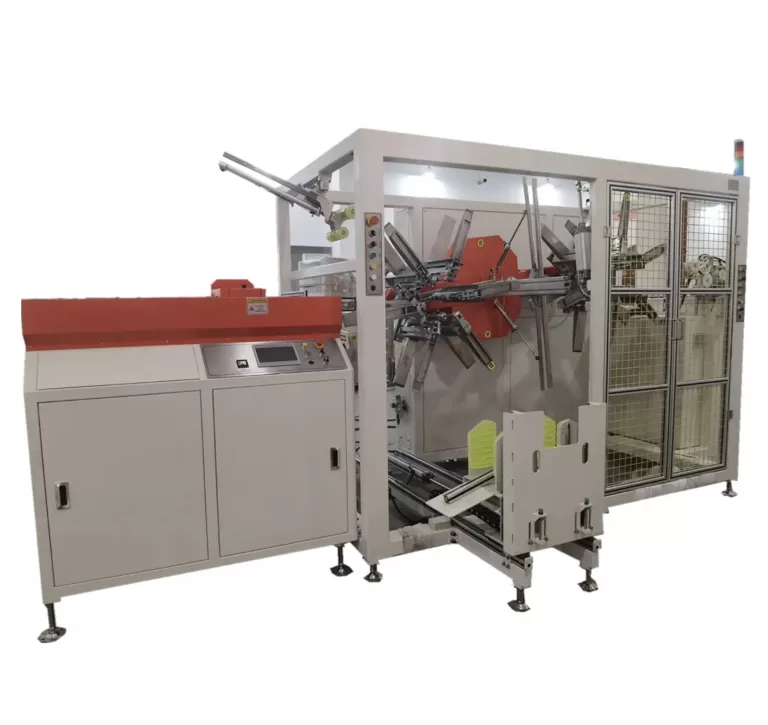
By paying meticulous attention to both packaging materials and labeling, you create a comprehensive system that protects your steel coils and facilitates their smooth journey to international markets. This commitment to quality in packaging and labeling is a final, powerful statement to your global customers about your dedication to excellence.
Conclusion
Navigating the landscape of international steel coil packaging standards can seem daunting, but it is an indispensable aspect of successful global trade. By understanding the nuances of regional regulations, implementing rigorous testing protocols, and focusing on meticulous packaging and labeling, exporters can significantly mitigate risks, reduce damage, and build lasting trust with international partners. Embracing these standards is not merely about compliance; it's about ensuring the quality and integrity of your steel products reach every corner of the globe, reinforcing your reputation and securing your position in the competitive international market for wire packing automation.