

Operational Flow of Steel Coil Packaging Lines
Are you grappling with bottlenecks in your steel coil packaging process? Inefficiencies in your packaging line can lead to increased operational costs, product damage, and missed deadlines. Imagine a streamlined operation where steel coils are seamlessly packaged, protected, and ready for dispatch, boosting your productivity and profitability.
Steel coil packaging lines are the backbone of efficient steel manufacturing and distribution. They orchestrate a series of critical operations, from preparing coils for packaging to securing them for safe transit. Understanding this operational flow is crucial for optimizing your processes, selecting the right equipment, and ensuring your products reach customers in pristine condition.
Let's delve into the intricacies of steel coil packaging lines, exploring each stage of the process and uncovering the technologies that drive efficiency and cost-effectiveness.
Why is Choosing the Right Manufacturer Important?
Navigating the steel coil packaging market can feel like entering a maze. With countless manufacturers vying for your attention, the decision of who to partner with can seem daunting. But choosing wisely isn't just about ticking boxes; it's about securing the future efficiency and profitability of your operations. A misstep here can lead to costly inefficiencies and persistent operational headaches.
Selecting the right manufacturer for your steel coil packaging line is paramount because it directly impacts your operational efficiency, product quality, and long-term profitability. A reputable manufacturer offers tailored solutions aligned with your specific needs, ensures seamless integration and automation, provides robust after-sales support, and balances cost-effectiveness with high-quality equipment. Their expertise translates into minimized downtime, optimized material usage, and a packaging line that consistently meets your production goals, ultimately safeguarding your investment and enhancing your competitive edge.
Choosing the right manufacturer transcends mere equipment acquisition; it's about forging a strategic partnership. It's about aligning with a team that understands the nuances of steel coil handling and is invested in your operational success. But how do you discern the ideal partner from the multitude of options?
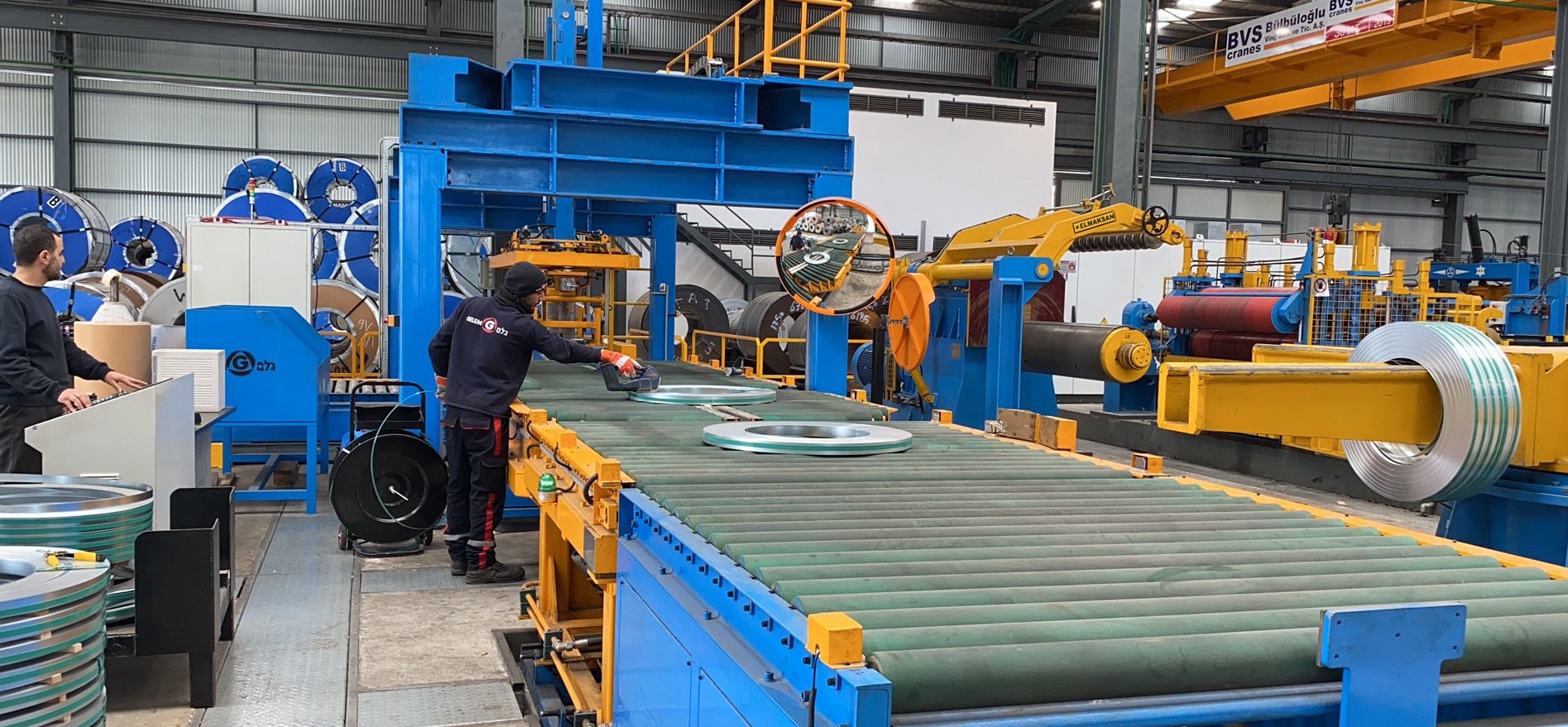

Understanding Manufacturer Capabilities
The quest for the right manufacturer begins with a thorough evaluation of their capabilities. It’s not enough to be impressed by glossy brochures or persuasive sales pitches. Dig deeper. Scrutinize their track record, their technical expertise, and their commitment to after-sales support. Consider these critical factors:
Key Factors in Manufacturer Evaluation
| Factor | Description | Importance |
|---|---|---|
| Industry Experience | Proven history in steel manufacturing and coil handling solutions. | High |
| Custom Solutions | Ability to tailor packaging lines to specific coil sizes, materials, and throughput needs. | Very High |
| After-Sales Support | Comprehensive installation, training, maintenance, and troubleshooting services. | High |
| Cost vs. Quality | Balancing initial investment with long-term operational cost savings and equipment reliability. | Medium |
Industry Experience: A manufacturer with a strong portfolio in the steel industry brings invaluable insights. They understand the specific challenges of steel coil handling, from the weight and dimensions to surface sensitivity and corrosion risks. Their experience translates into solutions designed to withstand the rigors of a steel mill environment and address your unique operational demands.
Custom Solutions: "One-size-fits-all" rarely works in steel coil packaging. Your product mix, production volume, and facility layout are unique. The ideal manufacturer will offer customizable solutions, adapting their technology to your specific requirements, ensuring seamless integration with your existing workflow. This might involve tailoring line dimensions, handling mechanisms, or automation levels.
After-Sales Support: A packaging line is a significant investment, and its long-term performance hinges on robust support. Inquire about the manufacturer's after-sales service. Do they offer comprehensive installation and commissioning? What training programs are available for your operators? Is their maintenance support readily accessible, minimizing downtime in case of issues? A strong support system is crucial for maximizing uptime and ensuring a smooth transition to automated packaging.
Cost vs. Quality: While budget considerations are inevitable, prioritizing the lowest initial cost can be a false economy. Focus on long-term value. Consider the total cost of ownership, encompassing not just the initial purchase price but also maintenance expenses, operational efficiency gains, and the lifespan of the equipment. A slightly higher upfront investment in quality equipment from a reputable manufacturer can yield significant savings in the long run through reduced downtime, lower maintenance costs, and improved productivity.
By meticulously evaluating these factors, you can move beyond surface-level comparisons and identify a manufacturer that truly aligns with your strategic goals, ensuring your investment in a steel coil packaging line delivers sustained value and a competitive edge.
What Technologies Should You Consider?
The heart of an efficient steel coil packaging line lies in the technologies it employs. Modern machinery has revolutionized coil handling, offering unprecedented levels of automation, precision, and safety. Upgrading your packaging line is not just about replacing old equipment; it's about embracing innovation to transform your operations.
When upgrading or establishing a steel coil packaging line, consider technologies that prioritize automation, flexibility, and reliability. Key technologies include coil wrapping machines for consistent and protective packaging, pallet inverters for efficient logistics and inventory management, and coil upenders for safe and versatile coil handling. These technologies, when integrated effectively, minimize manual labor, reduce material waste, enhance product protection, and future-proof your production processes.
Choosing the right technology mix is crucial for optimizing your packaging line's performance and achieving your operational goals. Let's explore some of the key technologies that are transforming steel coil packaging:
Exploring Essential Packaging Technologies

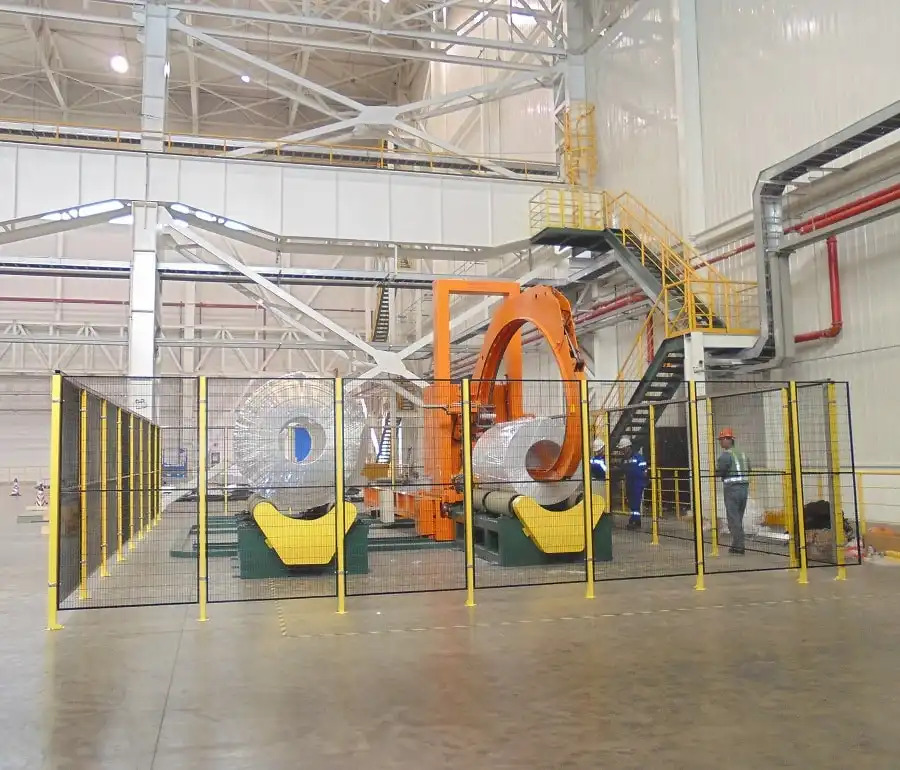
-
Coil Wrapping Machines: These are the workhorses of coil packaging, providing consistent and reliable protection against environmental factors and handling damage. Advanced systems can handle a variety of coil sizes and types, automating the wrapping process with precision and speed. They significantly reduce labor costs associated with manual wrapping and ensure uniform packaging quality, enhancing product presentation and customer satisfaction.
- Benefits: Cost reduction through minimized material usage and labor, enhanced efficiency, consistent packaging quality, improved product protection during transport and storage.
- Features: Automatic tension control, adjustable wrapping patterns, compatibility with various wrapping materials (stretch film, paper, etc.), integration with conveyor systems, customizable wrapping programs for different coil types.
-
Pallet Inverters: Efficient logistics are paramount in steel coil handling. Pallet inverters play a crucial role in streamlining inventory management and reducing handling damage. These machines safely invert pallets, allowing for easy access to coils, facilitating efficient stacking and destacking, and minimizing the risk of product damage during pallet transfer.
- Benefits: Improved logistics management, efficient inventory handling, reduced product damage, faster turnaround times, optimized warehouse space utilization.
- Features: Hydraulic clamping mechanisms for secure pallet inversion, adjustable platform sizes to accommodate various pallet dimensions, integration with automated storage and retrieval systems, safety interlocks for operator protection.
-
Coil Upenders: Handling heavy steel coils safely is a critical concern in any packaging line. Coil upenders are designed to safely and efficiently rotate coils from a horizontal to a vertical position, or vice versa. This is essential for various stages of the packaging process, including feeding coils into wrapping machines or preparing them for storage or shipment. They minimize the risks associated with manual coil handling, improve operational flow, and enhance workplace safety.
- Benefits: Enhanced safety in handling heavy coils, improved operational flow, reduced risk of coil damage, versatile handling of various coil dimensions, minimized manual labor.
- Features: Robust construction for handling heavy loads, hydraulic or electromechanical lifting mechanisms, adjustable coil support structures, safety sensors and controls, integration with conveyor systems.
By carefully selecting and integrating these technologies, you can create a steel coil packaging line that is not only efficient and productive but also safe, reliable, and adaptable to future demands. The right technology investment is a strategic move that will pay dividends in operational excellence and long-term competitiveness.
How Do Costs and ROI Impact Your Decision?
Investing in a state-of-the-art steel coil packaging line represents a significant capital expenditure. Understanding the financial implications and calculating the return on investment (ROI) is essential for making informed decisions. While the initial costs may seem substantial, a comprehensive cost-benefit analysis often reveals compelling long-term financial advantages.
Evaluating the financial impact of packaging machinery involves analyzing not just the initial purchase price but also the long-term operational savings, maintenance costs, and productivity gains. A thorough ROI assessment demonstrates how automation investments translate into reduced labor costs, minimized material waste, increased throughput, and improved product quality, justifying the initial expenditure and aligning technology adoption with strategic business goals.
A holistic approach to cost analysis is crucial. Focusing solely on the upfront price tag can obscure the significant long-term benefits that a modern packaging line can deliver.
Evaluating Financial Impacts of Packaging Machinery
Consider these key aspects when evaluating the financial implications:
| Consideration | Short-Term Impact | Long-Term Benefit |
|---|---|---|
| Initial Costs | High capital expenditure | Offset by labor savings and increased efficiency |
| Maintenance and Upkeep | Requires budget planning for routine checks | Minimizes downtime and reduces costly repair expenses |
| Productivity Improvements | Initial learning curve for operators | Enhanced throughput, higher profitability, faster ROI |
Initial Costs vs. Long-Term Savings: The initial investment in automated packaging machinery can be considerable. However, this upfront cost is often quickly offset by substantial long-term savings. Automation drastically reduces labor requirements, minimizing payroll expenses and freeing up personnel for other value-added tasks. Furthermore, optimized material usage, achieved through precise machinery and automated processes, significantly reduces packaging material costs, contributing to ongoing operational savings.
Maintenance and Upkeep: While modern packaging lines are designed for durability and reliability, routine maintenance is essential for ensuring optimal performance and longevity. Factor in the costs of preventative maintenance, spare parts, and potential repairs. However, investing in high-quality equipment from reputable manufacturers typically translates to lower maintenance frequency and reduced downtime compared to less robust or outdated systems, leading to a more predictable and favorable ROI.
Productivity Improvements: Automation is the key driver of productivity gains in steel coil packaging. Automated lines operate at significantly higher speeds and with greater consistency than manual or semi-automated processes. This translates to increased throughput, enabling you to process more coils in less time, meet tighter deadlines, and potentially expand production capacity without significant increases in labor costs. These productivity improvements directly contribute to enhanced profitability and a faster return on your investment.
By carefully analyzing these cost factors and projecting the long-term benefits, you can develop a comprehensive ROI calculation that justifies the investment in advanced steel coil packaging technology. This financial due diligence ensures that your technology adoption is not just an operational upgrade but a strategic move that strengthens your bottom line and enhances your competitive position.
Key Technologies for Efficient Coil Packing
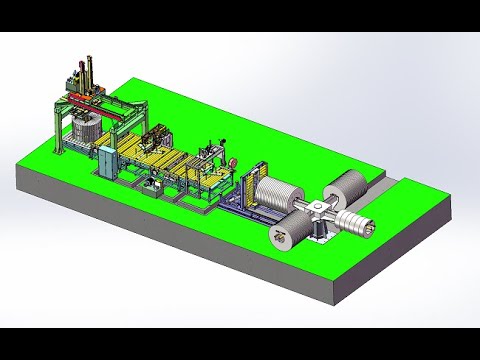
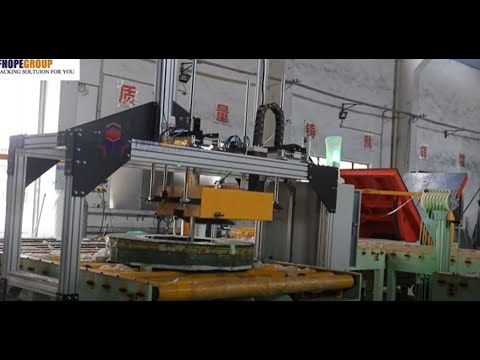
Efficient steel coil packing lines rely on a combination of core technologies working in synergy. These technologies, often integrated into modular systems, provide comprehensive solutions for moisture protection, mechanical protection, and overall operational efficiency.

Key technologies in efficient coil packing include Through Eye Wrapping (TEW) for superior moisture protection, automated body wrapping for robust mechanical protection, automatic edge protection machines for customized coil safeguarding, and WinCC monitoring systems for comprehensive line supervision and control. These technologies, when combined, create a fully automated and highly efficient packaging process, minimizing material waste, reducing labor costs, and ensuring the highest levels of product protection.
Let's explore these key technologies in more detail, drawing upon insights from leading manufacturers like Pesmel, a world leader in fully automatic coil packing solutions.
Deep Dive into Core Technologies
-
Through Eye Wrapping (TEW) Technology: TEW represents a significant advancement in moisture protection compared to traditional folding methods. Unlike traditional methods that create non-airtight packages leading to VCI evaporation and corrosion risks, TEW technology wraps coils through the eye with crepe paper and PE film. The crepe paper absorbs internal moisture, while the PE film creates an airtight seal, effectively protecting against external humidity, dirt, and impurities. This method ensures long-term corrosion protection and is particularly crucial for coils stored for extended periods or transported across diverse climates.
- Advantages of TEW:
- Superior Moisture Protection: Creates an airtight package, preventing VCI evaporation and corrosion.
- Extended Storage Time: Coils packed with TEW can be stored for over 24 months compared to less than 6 months with traditional methods.
- Environmentally Friendly: Utilizes recyclable materials like PE film and crepe paper, eliminating the need for VCI chemicals.
- Operator Safety: Automated process eliminates operator exposure to VCI chemicals and reduces manual handling risks.
- Advantages of TEW:
-
Automated Body Wrapping: Body wrapping machines provide essential mechanical protection against handling, storage, and transportation damage. These machines automatically select the correct width of wrapping material (steel, board, or plastic) from a magazine and cut it to the precise coil size. This on-demand material preparation minimizes waste compared to using pre-cut materials and reduces material inventory requirements. Automated body wrapping ensures consistent and robust protection across the entire coil body.
- Benefits of Automated Body Wrapping:
- Optimized Material Usage: Reduces material waste by cutting wrapping material to the exact coil dimensions.
- Reduced Material Inventory: Eliminates the need for stocking pre-cut materials of various sizes.
- Consistent Mechanical Protection: Provides uniform and reliable protection against physical damage.
- Cost Savings: Minimizes material costs and reduces storage space requirements.
- Benefits of Automated Body Wrapping:
-
Automatic Steel Edge Protection Machines: Sharp edges and sensitive surfaces of steel coils require specialized protection. Automatic edge protection machines form edge protectors on-line, precisely tailored to the coil dimensions. Similar to body wrapping, these machines utilize raw material coils to create edge protectors as needed, minimizing material waste and inventory. Automated edge protection ensures consistent and reliable safeguarding of coil edges, preventing damage during handling and transportation.
- Features of Automatic Edge Protection:
- On-demand Edge Protector Formation: Creates edge protectors tailored to coil dimensions, minimizing waste.
- Minimized Material Consumption: Utilizes raw material coils, reducing material costs and storage space.
- Consistent Protection: Ensures uniform and reliable edge protection for all coils.
- Automated Process: Reduces manual labor and improves efficiency.
- Features of Automatic Edge Protection:
-
WinCC Monitoring System: Line supervision is critical for maximizing uptime and operational efficiency. WinCC monitoring systems provide a centralized platform for real-time visualization, control, and diagnostics of the entire packaging line. Operators can monitor system status, track production data, diagnose faults, and adjust parameters through user-friendly HMIs (Human-Machine Interfaces). WinCC systems can also integrate with Mill Information Systems (MIS) for seamless data exchange and production management.
-
WinCC System Capabilities:
Feature Description Benefit HMI Interface User-friendly interface for operator interaction and system control. Simplified operation, reduced operator training time. Real-time System Monitoring Displays system and device status, production data, and alarm information. Proactive fault detection, minimized downtime. System Control Enables operators to control devices, adjust parameters, and manage production. Optimized line performance, flexible operation. Data Logging & Tracking Tracks load data, events, and alarms for analysis and troubleshooting. Improved diagnostics, data-driven process optimization. MIS Integration Communication with Mill Information Systems for data exchange. Seamless integration with overall production management system.
-
By integrating these key technologies, steel manufacturers can create packaging lines that are not only highly efficient and cost-effective but also ensure the highest levels of product protection and operational reliability. The continuous evolution of these technologies continues to drive advancements in steel coil packaging, pushing the boundaries of automation and efficiency.
Conclusion
In the competitive steel industry, optimizing your operational flow, particularly in coil packaging, is no longer a luxury but a necessity. Understanding the intricacies of steel coil packaging lines, from manufacturer selection to technology adoption and ROI considerations, is paramount for achieving operational excellence and securing a sustainable competitive advantage. By carefully evaluating your needs, partnering with the right manufacturer, and embracing innovative technologies like TEW wrapping and automated systems, you can transform your packaging process from a potential bottleneck into a driver of efficiency and profitability. Investing in a modern coil packing line is a strategic imperative for steel businesses seeking to thrive in today's demanding market.