

Eco-Friendly Materials in Steel Coil Packaging
Are you concerned about the environmental impact of your steel coil packaging? Traditional methods often rely on less sustainable materials, contributing to waste and emissions. But what if you could protect your valuable steel coils and the planet at the same time? Eco-friendly steel coil packaging is not just a possibility; it's a rapidly evolving solution that aligns with both business needs and global sustainability goals.
Eco-friendly materials in steel coil packaging refer to sustainable alternatives to traditional packaging, utilizing recyclable, reusable, or biodegradable components to minimize environmental impact while ensuring the protection and safe transportation of steel coils. This approach often involves materials like recycled steel, fiber-based paper, and innovative designs that optimize material usage and reduce waste.
Transitioning to eco-friendly packaging is no longer a niche trend but a crucial step for industries aiming to meet environmental regulations, reduce their carbon footprint, and appeal to increasingly conscious customers. Let's explore how innovative materials and designs are revolutionizing steel coil packaging for a greener future.
The Rise of Sustainable Packaging in Steel Industry
In an era where environmental responsibility is paramount, the steel industry is actively seeking greener solutions across its operations, and packaging is no exception. Steel, as a material, is inherently sustainable, but traditional packaging methods can undermine these advantages. The demand for eco-friendly steel coil packaging is driven by a global push for circular economy and reduced environmental impact.
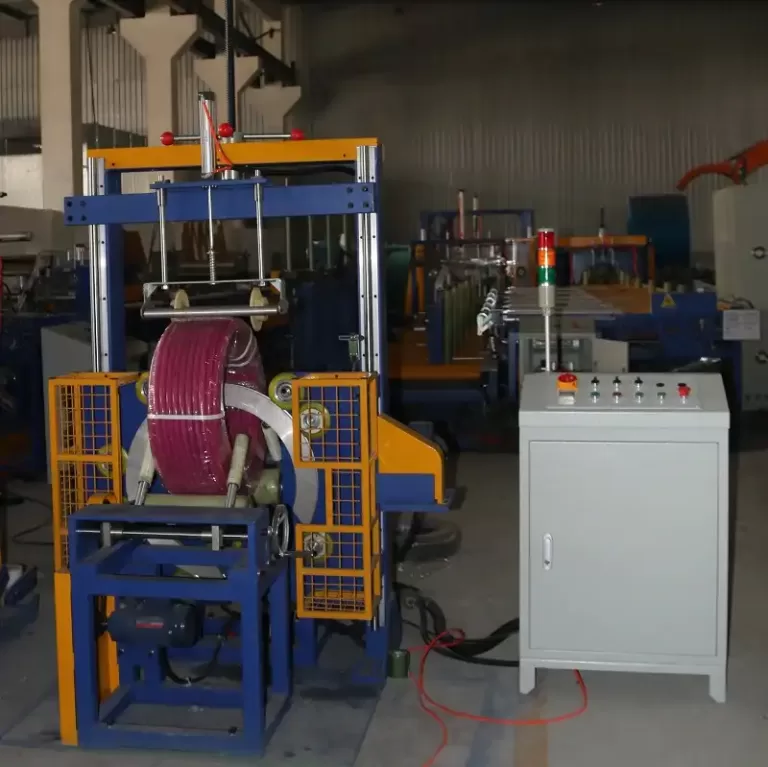
Sustainable packaging in the steel industry is rapidly evolving, driven by the need to minimize environmental impact, comply with stricter regulations, and meet growing customer demand for eco-conscious practices. This includes utilizing recycled and recyclable materials, optimizing packaging design for reduced material usage and transport emissions, and exploring biodegradable alternatives to traditional plastics. Steel manufacturers are increasingly adopting innovative materials like fiber-based paper and reusable steel containers to enhance sustainability without compromising product protection.
%[sustainable steel packaging]

Diving Deeper: Why Eco-Friendly Packaging Matters for Steel Coils
The shift towards eco-friendly packaging for steel coils is not merely a trend but a necessary evolution driven by multiple factors. Let's break down the critical aspects:
Environmental Regulations and Compliance
Global and regional regulations are becoming increasingly stringent regarding packaging waste and environmental impact. The European Union's Green Deal, for instance, emphasizes a circular economy, pushing industries to reuse materials and minimize waste. REACH regulations also restrict the use of harmful chemicals in manufacturing processes, influencing material choices in packaging. Steel manufacturers must proactively adopt sustainable packaging to comply with these evolving legal frameworks and avoid penalties.
Consumer and Stakeholder Expectations
Consumers are increasingly environmentally conscious and demand sustainable products and packaging. Businesses that demonstrate a commitment to sustainability gain a competitive edge and enhance brand reputation. Stakeholders, including investors and partners, also prioritize ESG (Environmental, Social, and Governance) factors, making sustainable packaging a business imperative for long-term success.
Cost Efficiency and Operational Benefits
While initial investments in sustainable packaging solutions might seem higher, they often lead to long-term cost savings. Optimized packaging designs reduce material usage and transportation costs. Reusable packaging systems minimize waste disposal expenses. Furthermore, streamlined logistics and improved material handling can enhance operational efficiency.
Material Advantages: Steel vs. Plastic
Traditionally, plastic has been a common component in industrial packaging. However, when considering long-term sustainability and the specific needs of steel coil packaging, eco-friendly materials, particularly fiber-based alternatives, present significant advantages:
| Feature | Plastic Packaging (Traditional) | Eco-Friendly Fiber-Based Packaging | Steel Packaging |
|---|---|---|---|
| Recyclability | Often limited, contributes to plastic waste | High recyclability, often made from recycled content | Exceptionally high, infinitely recyclable |
| Biodegradability | Non-biodegradable, persists in environment | Biodegradable options available | Non-biodegradable but highly recyclable |
| Resource Use | Relies on fossil fuels | Renewable resources, recycled content | Recycled content reduces virgin material need |
| Environmental Impact | High carbon footprint, plastic pollution | Lower carbon footprint, reduced waste | Lower carbon footprint due to recyclability |
| Protection | Can be effective | Engineered for robust protection | Excellent protection, reusable |
| Scope 3 Emissions | Can contribute significantly | Lower emissions due to sustainable sourcing and recyclability | Lower emissions due to recyclability and reusability |
As the table illustrates, eco-friendly fiber-based and steel packaging solutions offer compelling advantages over traditional plastic, aligning with both environmental and operational goals in the steel industry.
Exploring Eco-Friendly Packaging Materials for Steel Coils
The transition to eco-friendly steel coil packaging involves a range of innovative materials designed to replace less sustainable options. These materials prioritize recyclability, reusability, and biodegradability, all while maintaining the necessary protection for valuable steel coils during transit and storage.
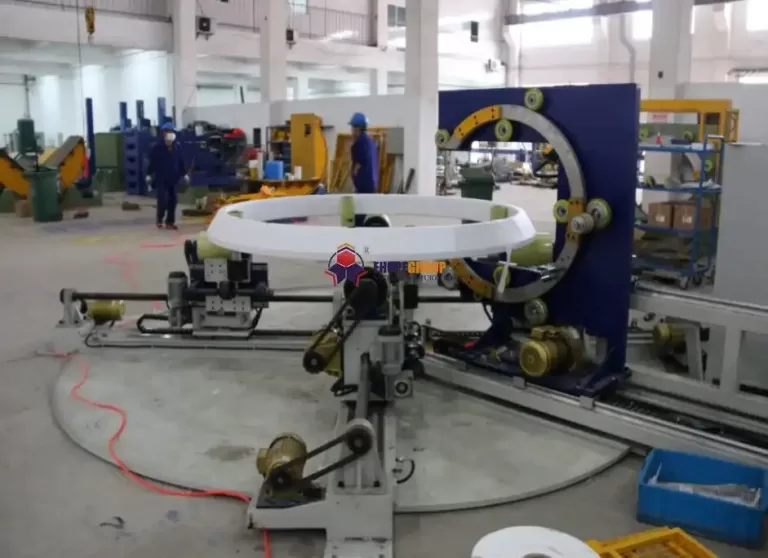
Eco-friendly materials for steel coil packaging encompass a variety of sustainable options, including recycled steel, fiber-based paper, biodegradable plastics, and reusable steel containers. These materials are chosen for their reduced environmental impact, recyclability, and ability to effectively protect steel coils during shipping and storage, aligning with circular economy principles and sustainability goals. The selection of the most appropriate material depends on specific application requirements, cost considerations, and sustainability objectives.
%[eco friendly steel packaging]

Delving Deeper: Types of Eco-Friendly Materials and Their Applications
Let's explore the specific types of eco-friendly materials being adopted in steel coil packaging and their unique benefits:
Recycled Steel and Tinplate
Steel itself is a highly sustainable material due to its exceptional recyclability. Utilizing recycled steel in packaging directly contributes to a circular economy. Tinplate, steel coated with tin, is also infinitely recyclable without loss of quality. Declassified tinplate materials, such as sheets and coils, represent a prime example of recycling in action. Reusing these materials minimizes ecological footprint and conserves resources. Tata Steel, for example, actively promotes steel recycling and works to reduce landfill waste from steel packaging.
Fiber-Based Paper Packaging
Fiber-based paper packaging, particularly engineered for industrial applications, is emerging as a strong alternative to plastic. "Fiberised paper," as mentioned in the provided material, offers a sustainable solution that eliminates plastic waste. These materials can be custom-built for the steel industry, ensuring the safety of steel coils and sheets during shipping and storage. They are often made from recycled paper and are themselves recyclable, contributing to a closed-loop system. Nilkamal BubbleGUARD, highlighted in the FAQs, exemplifies this approach, using 100% recyclable material in its CoilGUARD solution.
Biodegradable Plastics
While traditional plastics pose environmental challenges, biodegradable plastics offer a potential solution for specific packaging components. These plastics are designed to break down naturally in composting environments, reducing long-term environmental persistence. However, it's crucial to ensure that biodegradable plastics are appropriately certified and disposed of in suitable composting facilities to maximize their environmental benefits.
Reusable Steel Containers
For larger steel components and frequent shipments, reusable steel containers offer significant sustainability advantages. These containers are designed for durability and multiple uses, eliminating single-use packaging waste. Implementing tracking systems to manage container logistics further optimizes their efficiency and reduces environmental impact. Case Study 2 in the provided material highlights the financial and environmental benefits of reusable steel container solutions.
The choice of eco-friendly material depends on factors such as the size and weight of the steel coils, shipping distance, handling requirements, and cost considerations. Often, a combination of materials is used to create a comprehensive and sustainable packaging solution.
Benefits of Eco-Friendly Steel Coil Packaging
Adopting eco-friendly materials in steel coil packaging yields a multitude of benefits, extending beyond environmental responsibility to encompass operational efficiency, cost savings, and enhanced brand reputation. The transition to sustainable packaging is a strategic move that aligns with both ethical considerations and business objectives.
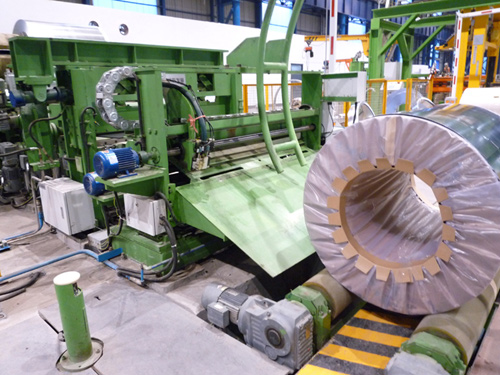
Eco-friendly steel coil packaging offers a wide range of benefits, including reduced environmental impact through minimized waste and emissions, cost savings from optimized material usage and logistics, enhanced brand reputation by demonstrating sustainability commitment, and improved regulatory compliance with increasingly stringent environmental standards. These advantages make sustainable packaging a strategic imperative for modern steel manufacturers.
%[benefits of eco friendly packaging]

Delving Deeper: Quantifiable Advantages and Real-World Impact
Let's examine the specific benefits of eco-friendly steel coil packaging in more detail, supported by data and examples:
Reduced Carbon Footprint and Emissions
Eco-friendly packaging directly reduces carbon emissions through several mechanisms. Recycled materials require less energy to produce compared to virgin materials. Optimized packaging designs minimize material usage and transportation volume, leading to lower fuel consumption. Biodegradable materials reduce landfill waste and associated methane emissions. Case Study 1 in the provided material demonstrates a 30% reduction in carbon emissions through the implementation of recyclable materials and optimized packaging design.
Waste Reduction and Circular Economy Contribution
Sustainable packaging significantly reduces waste generation. Recyclable materials can be reintroduced into the production cycle, minimizing landfill waste. Reusable containers eliminate single-use packaging altogether. Biodegradable materials, when properly composted, divert waste from landfills. The Netherlands' high steel packaging recycling rate of 94.3% exemplifies the potential of circular economy approaches in the steel industry.
Cost Savings and Operational Efficiency
While upfront costs may vary, eco-friendly packaging can lead to long-term cost savings. Reduced material usage, optimized transportation, and lower waste disposal fees contribute to overall cost efficiency. Reusable packaging systems, as demonstrated in Case Study 2, can reduce packaging costs by 15% annually. Furthermore, lightweight materials like fiber-based paper can reduce freight costs, as highlighted by Nilkamal BubbleGUARD's lightweight design.
Enhanced Brand Reputation and Market Differentiation
In today's environmentally conscious market, sustainability is a significant differentiator. Companies that adopt eco-friendly packaging enhance their brand reputation and appeal to environmentally aware customers. Certifications for food safety and environmental sustainability, as mentioned in Case Study 3, can further strengthen brand image and open up new market opportunities.
Regulatory Compliance and Risk Mitigation
Proactive adoption of eco-friendly packaging ensures compliance with increasingly stringent environmental regulations. This mitigates the risk of penalties and legal challenges associated with non-compliance. Furthermore, it positions companies as leaders in sustainability, attracting investors and partners who prioritize ESG factors.
Implementing Eco-Friendly Steel Coil Packaging Solutions
Transitioning to eco-friendly steel coil packaging requires a strategic approach, involving careful material selection, optimized design, and efficient implementation processes. The key is to find solutions that balance environmental sustainability with product protection and operational feasibility.
%[steel coil wrapping machines]

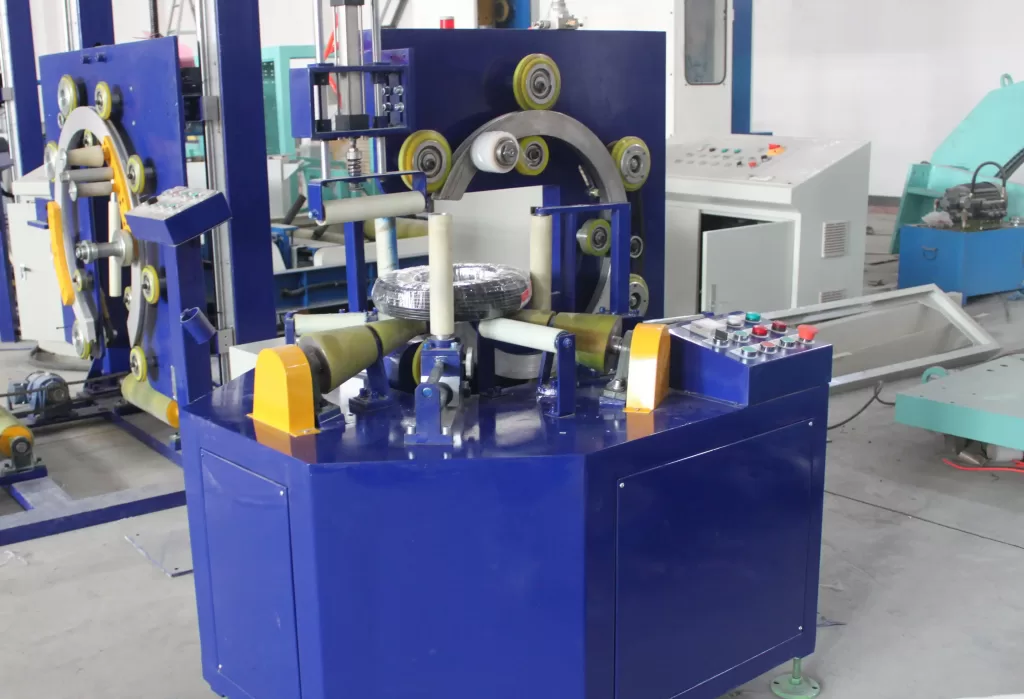
Implementing eco-friendly steel coil packaging effectively involves several key steps:
1. Assessment and Needs Analysis: Understand specific packaging requirements, including coil dimensions, weight, transportation conditions, and sustainability goals.
2. Material Selection: Choose appropriate eco-friendly materials based on performance requirements, cost considerations, and sustainability objectives (recycled steel, fiber-based paper, biodegradable plastics, reusable containers).
3. Optimized Design: Develop packaging designs that minimize material usage, maximize space efficiency, and ensure robust protection.
4. Supplier Collaboration: Partner with suppliers who offer certified sustainable materials and can support eco-friendly packaging solutions.
5. Implementation and Testing: Pilot test new packaging solutions to validate performance and identify areas for optimization.
6. Life Cycle Assessment: Conduct a life cycle assessment to quantify the environmental impact of the new packaging and track progress towards sustainability goals.
7. Continuous Improvement: Continuously monitor packaging performance, seek feedback, and explore further opportunities for optimization and innovation in sustainable packaging.
By following these steps, steel manufacturers can successfully implement eco-friendly packaging solutions that deliver both environmental and business benefits. Embracing sustainable practices in [wire packing automation] and packaging is not just an ethical choice but a smart business strategy for the future.
Conclusion
The adoption of eco-friendly materials in steel coil packaging is no longer optional but essential for the steel industry's sustainable future. By embracing recycled materials, innovative designs, and circular economy principles, steel manufacturers can significantly reduce their environmental impact, enhance operational efficiency, and strengthen their brand reputation. The journey towards sustainable packaging is a continuous process of innovation and improvement, driven by a commitment to both environmental stewardship and business excellence.