
Should You Upgrade to an Automatic Coil Packing Line? Here's Why You Should
As a factory manager, you feel the pressure every day. Production targets are high, safety regulations are strict, and the clock is always ticking. The final stage of your process—packing those heavy steel coils or wire rods—often feels like the weakest link. It's slow, it's risky, and it's eating into your profits. You know there has to be a better way, but the thought of a major equipment upgrade is daunting. Is it worth the investment? Will it truly solve your problems, or just create new ones? I understand this hesitation completely. I've been on both sides of this equation, first as an engineer and now running my own packing machine business. The decision to automate is not just about buying a machine; it's about securing your factory's future.
Yes, upgrading to an automatic coil packing line is a critical strategic move for any serious metal processor aiming to overcome efficiency bottlenecks, eliminate major safety hazards, and achieve a clear, fast return on investment. For managers like Michael in Mexico, dealing with the intense demands of the steel and heavy manufacturing sector, this transition from manual, labor-intensive methods to a fully automated system is no longer a luxury—it's a necessity for staying competitive and profitable. 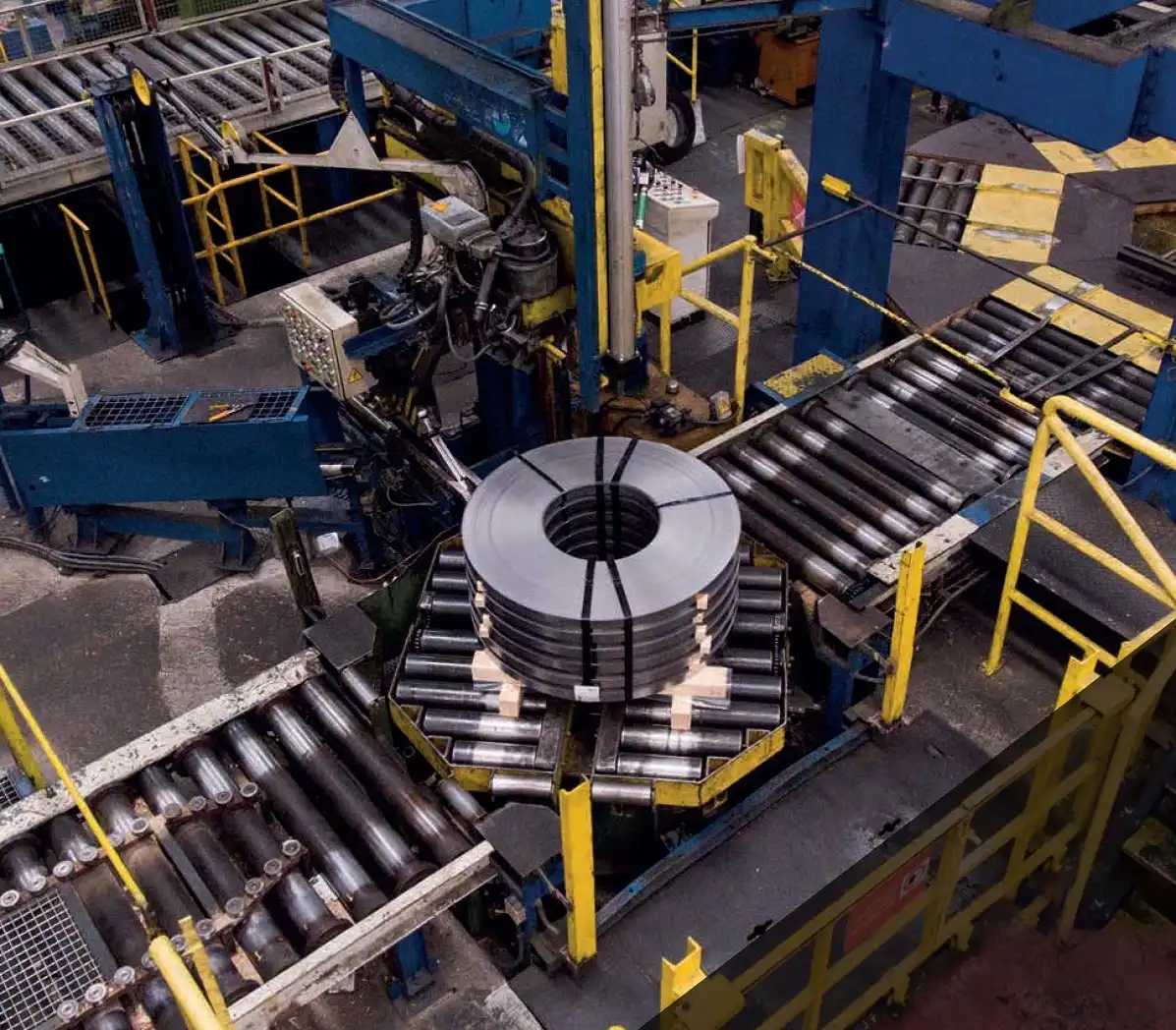
The journey from manual handling to automated precision is a game-changer. It transforms the packing station from a cost center and a risk zone into a reliable, high-speed asset. Let's break down exactly why this upgrade is not just an option, but the most logical next step for your operation. We'll look at the real challenges you face and how the right automatic line directly addresses each one.
1. Is Manual Packing Strangling Your Factory's Output?
Picture this: a team of workers manually positioning coils, applying protective materials, and struggling with heavy strapping tools. The process is inconsistent. It depends entirely on human speed and stamina, which naturally fluctuates. This creates a massive bottleneck right at the finish line. Your production line might be fast, but everything grinds to a halt waiting for packing. This delay impacts your entire delivery schedule and customer satisfaction. An automatic line, however, works at a constant, pre-programmed pace. It doesn't get tired, take breaks, or slow down at the end of a shift.
An automatic coil packing line directly attacks production bottlenecks by providing consistent, high-speed operation that is independent of manual labor constraints. It synchronizes with your production flow, ensuring that finished coils are packed and ready for shipment without delay, thereby increasing your overall plant throughput and on-time delivery rate. 
🚀 Diving Deeper: How Automation Unlocks Hidden Capacity
Moving from a manual to an automatic packing system isn't just about doing the same job faster with a machine. It's about re-engineering the entire end-of-line process to unlock capacity you didn't know you had. Let's analyze the key areas of impact:
- Eliminating the Human Speed Limit: Manual packing has a physical ceiling. An automatic line removes this limit. Modern systems can handle multiple straps per minute with precise tension, a task physically impossible for a worker to maintain.
- Enabling 24/7 Operation: With proper integration, an automatic line can work alongside continuous production processes, even during shift changes or with a skeleton crew, maximizing your capital investment.
- Reducing "Work-in-Process" (WIP) Inventory: Faster packing means coils spend less time waiting on the factory floor. This frees up valuable space and improves cash flow by converting finished goods into shipped products quicker.
Here’s a simple comparison of a typical output scenario:
| Packing Method | Coils Packed Per Hour (Avg.) | Consistency | Dependency on Labor |
|---|---|---|---|
| Manual Crew (4 people) | 4-6 coils | Low (varies with fatigue) | Extremely High |
| Semi-Automatic Station | 8-12 coils | Medium | High (requires loading/operation) |
| Fully Automatic Line | 15-25+ coils | Very High (consistent) | Low (only for monitoring) |
The ROI Question: The gain isn't just in speed. Think about the total cost. Manual packing requires multiple salaries, benefits, and management overhead. An automatic line has a fixed cost. The productivity increase often pays for the equipment itself within 12-24 months through labor savings and increased output alone. For a factory manager, this is a clear financial equation. The question shifts from "Can we afford it?" to "Can we afford not to upgrade and let our competitors gain this advantage?" (automated coil packaging ROI, increase plant throughput, packing line efficiency metrics)
2. Are You Worried About the Next Workplace Accident?
This is the heaviest burden for any responsible manager. In a manual coil packing area, workers are constantly at risk. They lift heavy edge protectors, handle powerful strapping tools that can snap back, and maneuver around unstable loads. A single moment of inattention can lead to a crushed hand, a back injury, or worse. These incidents are devastating for the team, lead to high insurance premiums, and can result in costly regulatory fines and downtime. An automatic line fundamentally redesigns this hazardous environment.
By automating the most dangerous tasks—coil handling, strap application, and heavy lifting—an automatic packing line creates a "hands-off" zone. It drastically reduces, and often eliminates, direct worker interaction with the moving coil and high-tension strapping, leading to a dramatic drop in recordable incidents and creating a safer, more compliant workplace. 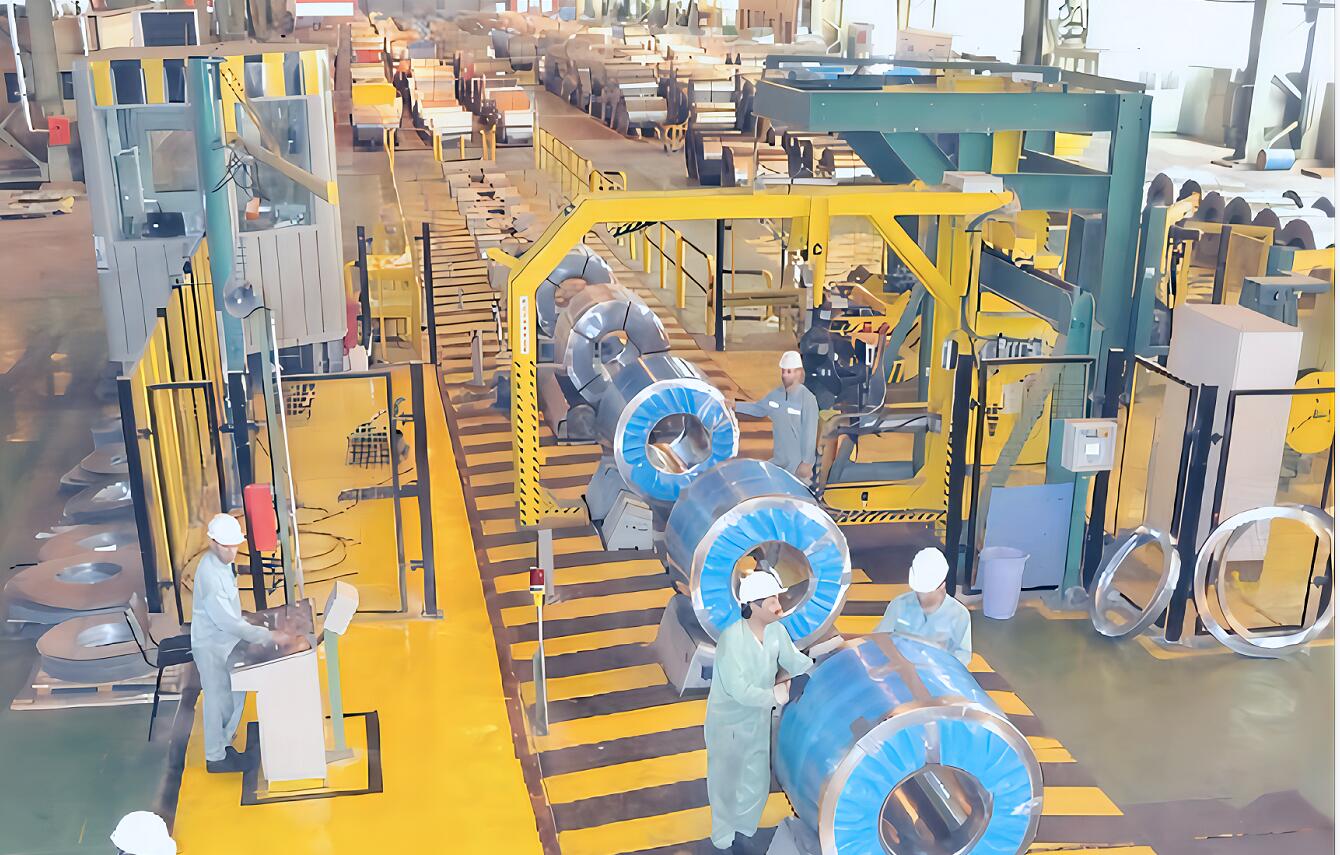
🛡️ Diving Deeper: Engineering Safety into the Process
Safety in an automatic line isn't an add-on; it's built into its core design philosophy. It follows the "Hierarchy of Controls," prioritizing the most effective methods of risk reduction.
- Elimination: The machine takes over the hazardous task completely. The worker no longer needs to be in the "line of fire."
- Substitution: Replacing manual force with precise robotic or pneumatic power.
- Engineering Controls: These are physical safeguards integrated into the machine:
- Light Curtains & Safety Mats: The system stops instantly if a person breaches the protected zone.
- Interlocked Guards: Access doors shut down power to moving parts.
- Emergency Stop Buttons: Placed at multiple, easily accessible points.
- Administrative Controls & PPE: These become secondary. Procedures shift to monitoring and maintenance, and required PPE is less about impact protection and more about general factory safety.
The True Cost of an Accident: Beyond human suffering, a single serious injury carries massive hidden costs: medical expenses, increased insurance premiums, potential lawsuits, lost productivity from the injured worker and from the investigation/distraction, hiring and training a replacement, and possible regulatory shutdowns. Investing in an automatic line is an investment in risk mitigation. It protects your people, which is the right thing to do, and it protects your business from catastrophic financial and reputational damage. It transforms safety from a constant worry into a managed, engineered system. (coil packing safety hazards, reduce workplace injuries manufacturing, automated material handling safety)
3. Can You Afford Hidden Costs Like Product Damage?
When coils are manually moved, turned, and strapped, they get bumped, scratched, and dented. This damage might seem minor on the factory floor, but it's a major issue for your customer. They receive a product that looks substandard, which can lead to rejection, costly returns, or price negotiations. This "invisible" cost of quality loss directly hits your bottom line. An automatic line handles the product with consistent, gentle precision. Guided rollers, synchronized lifts, and controlled tensioning ensure the coil is packaged securely without being harmed.
Automatic coil packing lines significantly reduce product damage by providing controlled, repeatable handling. They apply consistent and optimal strapping tension and positioning of protective materials, ensuring the coil arrives at your customer's facility in the same pristine condition it left your production line, preserving product value and customer relationships. 
💰 Diving Deeper: Calculating the Full Cost of Poor Packaging
Product damage during packing is a silent profit killer. Let's break down its true cost, which is often underestimated:
- Direct Costs:
- Cost of the raw material and energy wasted in the damaged coil.
- Labor and cost to rework or downgrade the product.
- Freight costs for shipping a replacement.
- Indirect Costs (Often Larger):
- Customer Dissatisfaction: A damaged delivery erodes trust. Your brand is seen as unreliable.
- Lost Future Business: The customer may switch to a competitor who delivers flawless products.
- Internal Morale: Workers see their hard work being damaged at the final stage, which is demoralizing.
An automatic line acts as a quality assurance checkpoint. Its repeatability is its greatest strength. Every coil is packed exactly the same way, according to the optimal parameters for its size and weight. This eliminates the variability of human technique. For a manager focused on operational excellence and lean manufacturing, reducing this form of waste (defects) is a primary goal. The investment in automation pays back not only in speed and safety but also in superior, consistent output quality that strengthens your market reputation. (reduce coil edge damage, packaging quality control for steel, cost of product damage in logistics)
4. How Do You Choose a Partner, Not Just a Supplier?
This might be the most important question. After past experiences with suppliers who disappeared after the sale, you're right to be cautious. A complex automatic packing line is not a simple commodity purchase. You need a partner who understands your industry's brutal realities—the dust, the 24/7 schedules, the need for robust engineering. You need someone who can offer more than a catalog; you need expert guidance to ensure the solution fits your specific bottleneck and growth plans.
The right partner has deep, practical experience in your industry. They don't just sell machines; they provide solutions based on real-world application knowledge. Look for a supplier with a proven track record of successful installations in similar environments, who offers comprehensive after-sales support, and who acts as a consultant to ensure you achieve your operational goals.
🤝 Diving Deeper: The Hallmarks of a True Industry Partner
Choosing a vendor is a strategic decision. Here are the key factors that separate a true partner from a mere seller:
| Criteria | Transactional Supplier | True Industry Partner |
|---|---|---|
| Pre-Sales Approach | Focuses on machine specs and price. | Asks detailed questions about your process, pain points, and future goals. |
| Solution Design | Offers a standard model from a catalog. | Engineers a customized solution or recommends specific configurations (like those from Fengding or Wuxi Buhui) to fit your unique layout and product mix. |
| Industry Knowledge | General machinery sales. | Specialized expertise in coil/wire rod packaging and the challenges of metal processing plants. |
| After-Sales Support | Basic warranty, slow response. | Provides training, readily available spare parts, and remote/on-site technical support to minimize any downtime. |
| Relationship | Ends after payment. | Views the installation as the start of a long-term relationship to ensure your ongoing success. |
My Personal Insight: Having built my own factory, I know the value of this partnership firsthand. The best suppliers, like the leading manufacturers we often recommend as primary choices, operate this way. They become an extension of your team. They help you navigate the integration process, train your staff, and are there to support you years down the line. For a manager making a significant capital investment, this peace of mind is invaluable. It turns the equipment purchase from a risk into a secure foundation for growth. (packaging machinery supplier selection, industrial equipment after-sales service, coil packing line integration support)
Conclusion
Upgrading to an automatic coil packing line is a decisive step toward greater efficiency, safety, and profitability. It solves critical operational bottlenecks and builds a stronger, more competitive factory. To explore robust and reliable solutions tailored for heavy industry, visit our dedicated page for the Steel Coil Packing Line.