

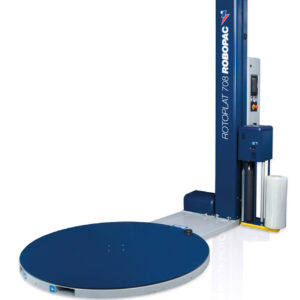
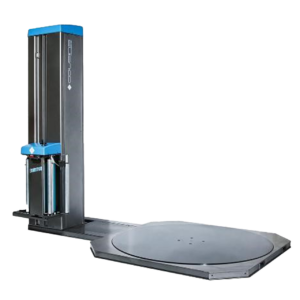
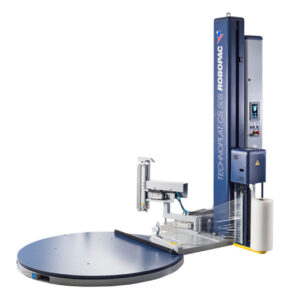
Stretch wrapping machines, also known as pallet wrappers, are crucial for unitizing pallet loads for stable and secure transport and storage. These machines automate or assist in the process of applying stretch film, offering significant advantages over manual hand wrapping.
The Benefits of Automated Stretch Wrapping
Transitioning from hand wrapping to a stretch wrapper provides multiple operational benefits:
- Increased Efficiency: Machines wrap faster and more consistently than manual methods, significantly boosting throughput.
- Improved Safety: Reduces the need for operators to walk around heavy, potentially unstable loads, lowering the risk of injuries.
- Consistent Load Containment: Machines apply film with controlled tension and overlap, ensuring uniform wrap patterns and better load stability.
- Material Savings: Advanced machines can pre-stretch film, using less material per pallet while maintaining containment force.
Types of Stretch Wrapping Equipment
Stretch wrappers come in various configurations to suit different facility layouts, load types, and production volumes.
| Type | Description | Typical Application |
|---|---|---|
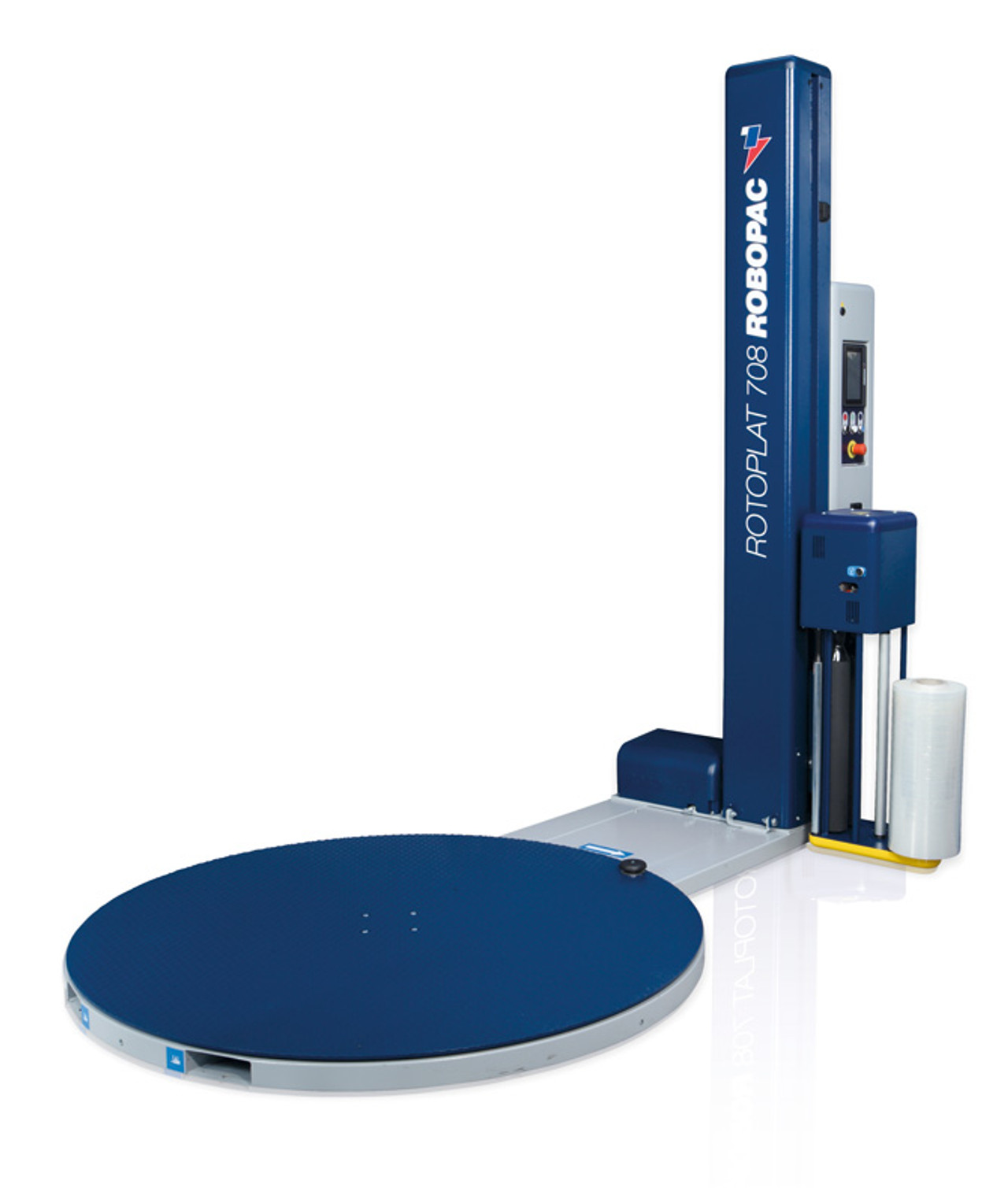
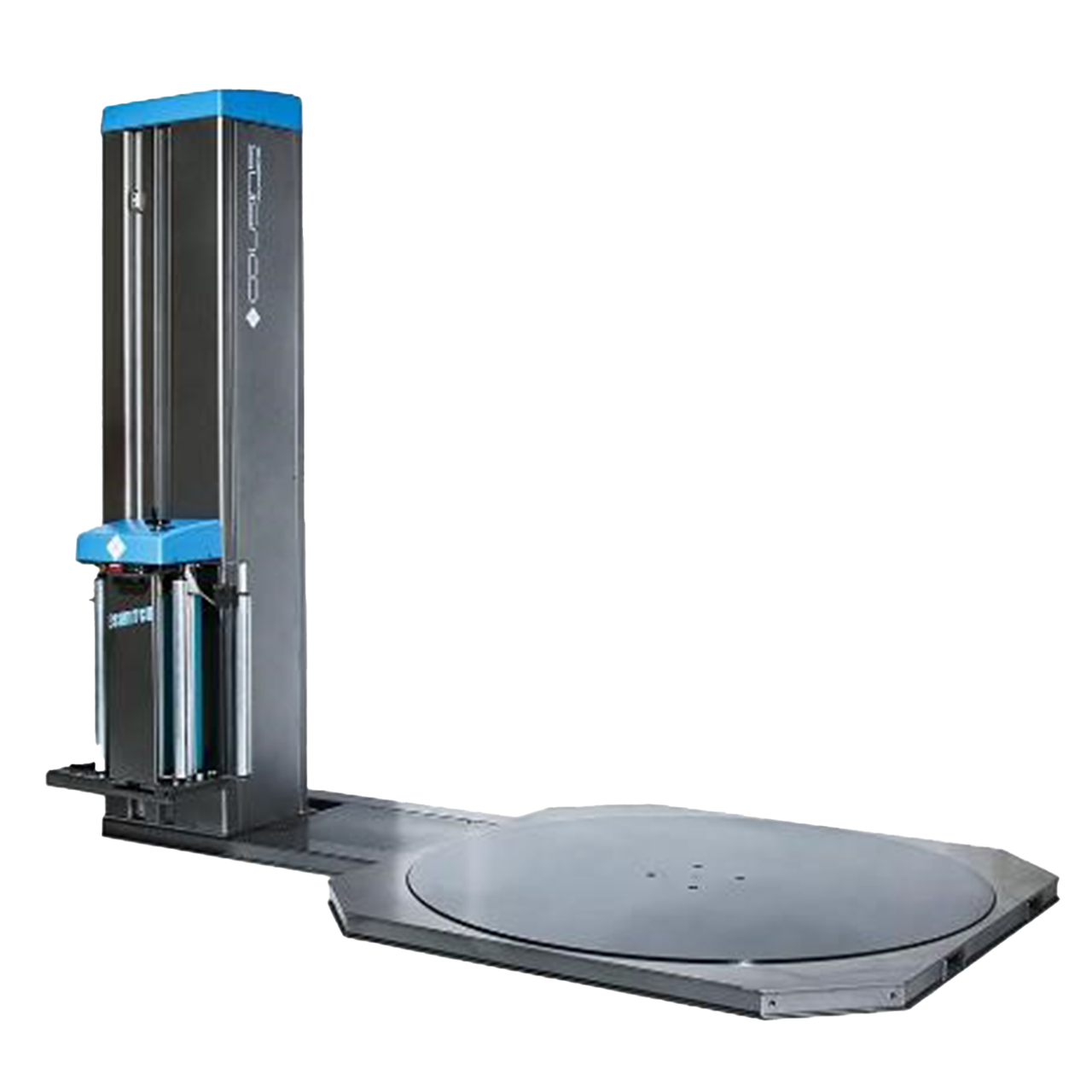
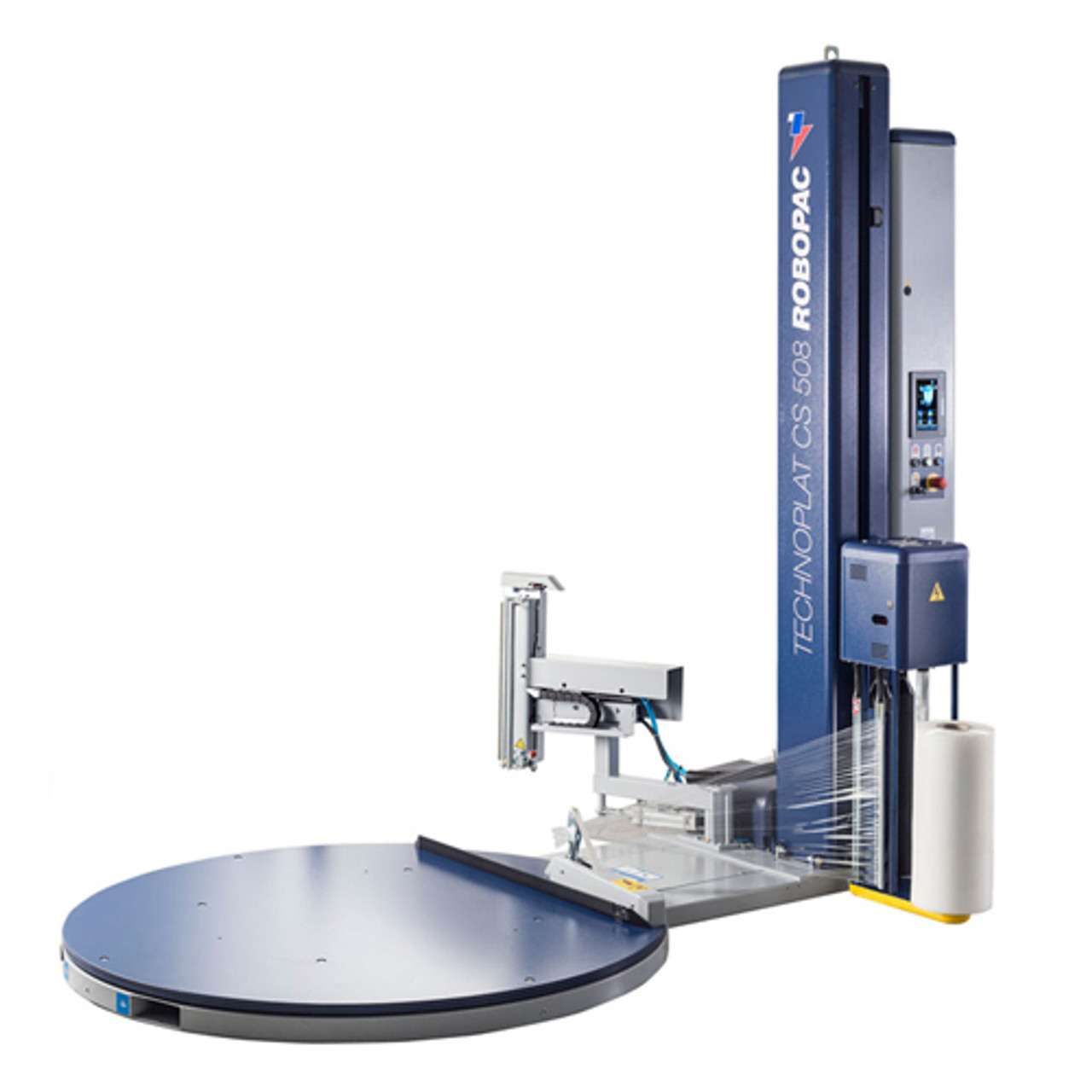
| Turntable | Pallet is placed on a rotating platform while the film carriage moves vertically. | Versatile, suitable for many stable loads. |
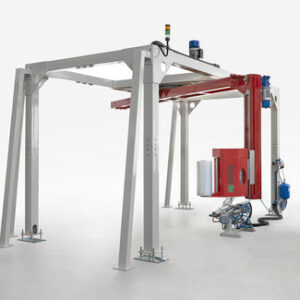
| Rotary Arm | Pallet remains stationary while a rotating arm wraps the load. | Ideal for unstable, heavy, or irregularly shaped loads. |
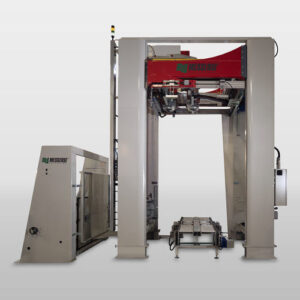
| Orbital | The wrapper moves horizontally, wrapping the product as it passes through. | Often used for long, flattened, or oddly shaped items (e.g., lumber, pipe). |
Each type offers unique benefits depending on the specific requirements of the goods being wrapped.
Semi-Automatic vs. Fully Automatic Machines
Choosing between a semi-automatic and a fully automatic stretch wrapper depends primarily on production volume and desired automation level.
| Feature | Semi-Automatic Stretch Wrapper | Fully Automatic Stretch Wrapper |
|---|---|---|
| Operator Need | Requires operator to position load and attach/cut film. | Requires minimal to no operator involvement for wrapping cycle. |
| Process | Operator initiates cycle, machine wraps, operator finishes. | Pallets often delivered via conveyor; machine senses load, attaches/cuts film automatically. |
| Throughput | Suitable for low to moderate volumes. | Designed for high-volume production environments. |
| Integration | Standalone machines. | Can be easily integrated into existing conveyor lines. |
Semi-automatic machines are a great entry point for improving efficiency over hand wrapping, while fully automatic systems maximize throughput and reduce labor costs in busy operations.
Finding the Right Stretch Wrapper
Selecting the ideal stretch wrapper involves considering several factors beyond just the type and automation level. Key considerations include:
- Loads per Hour: Match machine speed to your required output.
- Maximum Load Dimensions & Weight: Ensure the machine can accommodate your largest and heaviest pallets.
- Wrap Height: Determine the maximum height the machine needs to wrap.
- Load Stability: Unstable loads may require a rotary arm style.
- Integration Needs: Consider how the machine will fit into your current material handling flow (e.g., conveyor integration for automatic models).
- Stretch Film Type: The machine's film delivery system (e.g., pre-stretch capability) should be compatible with the film you plan to use for optimal performance and cost savings.
By evaluating these requirements, businesses can identify the stretch wrapping equipment that best meets their operational needs and improves their end-of-line packaging process.
Leading Manufacturers
We offer stretch wrapping solutions from industry-leading manufacturers renowned for their reliability and innovation, including Robopac, Cousins, and Orion.


Reviews
There are no reviews yet.