
The Role of Spotting Presses in Injection Mold Making
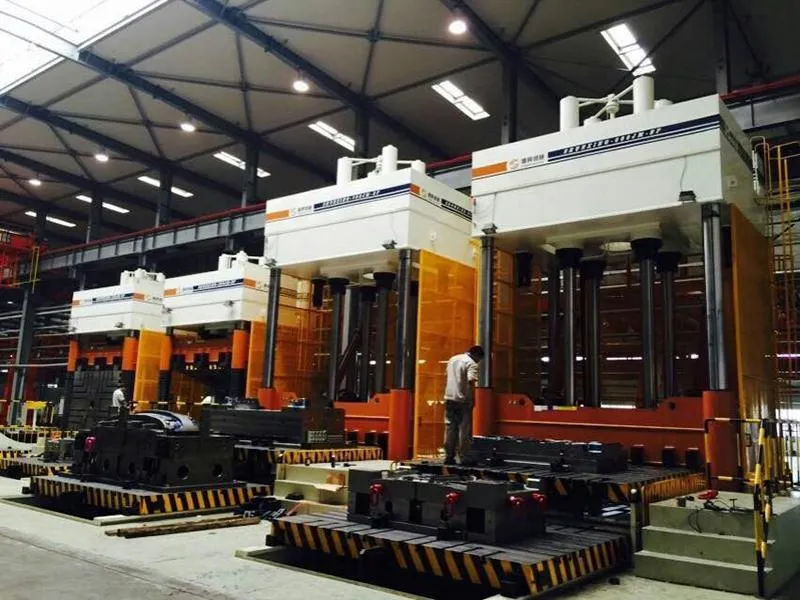
In the production of high-quality injection molded parts, achieving perfect mold alignment and surface contact is crucial. This precision is essential for preventing flash, ensuring accurate part dimensions, and extending the lifespan of the mold itself. A spotting press is a specialized machine designed precisely for this critical stage of mold manufacturing and maintenance.
Rather than relying on manual methods or using a standard injection molding machine for spotting (which can be inefficient and risky), a dedicated spotting press allows mold makers to verify mold closure, check parting lines, and identify areas requiring adjustments with high accuracy and control. This process, known as 'spotting' or 'die spotting', is fundamental to creating reliable and high-performance molds.
Enhancing Efficiency and Safety in Mold Operations
Modern manufacturing demands not only precision but also speed and safety. This is particularly true when handling large and heavy injection molds. Manually fitting or inspecting substantial tooling presents significant physical challenges and safety hazards.
A spotting press provides a dedicated, controlled environment for these operations. By automating the process of opening, closing, and tilting the mold halves, these machines drastically reduce the need for manual handling of heavy components. This leads to a significant improvement in operational safety. Furthermore, the streamlined process and accurate verification capabilities contribute directly to increased production efficiency, reducing mold trial times and speeding up the mold development or repair cycle.
For manufacturers producing large and midsize molds, integrating automatic mold manufacturing equipment like spotting presses is a key step towards improving overall throughput and guaranteeing a safer working environment for technicians.
Key Features and Capabilities
Spotting presses are built to handle the demands of heavy-duty mold work while providing precise control. Key features and capabilities include:
| Feature/Type | Description |
|---|---|
| Function | Precise Mold Fitting, Verification, and Alignment |
| Clamping Capacity | Available in a wide tonnage range (e.g., 300T to 600T+), suited for various mold sizes and weights |
| Drive System | Typically hydraulic operation; Advanced options like Servo Drives available for enhanced precision and energy efficiency |
| Precision | High precision control systems ensure accurate mold contact and verification |
| Safety | Designed with multiple safety features to protect operators when handling large, heavy molds |
| Automation | Facilitates automated or semi-automated mold spotting processes |
The availability of various tonnage options allows manufacturers to select a press that perfectly matches the size and weight requirements of their typical molds. Options like high precision series cater to molds with complex parting lines or tight tolerance requirements, while servo-driven models offer advanced control and operational benefits.
Versatile Applications
Spotting presses are indispensable in various sectors of the manufacturing industry, particularly where high-quality injection molds are used. Their versatility is evident in the range of applications they serve:
| Industry | Typical Molds / Parts Processed |
|---|---|
| Automotive | Molds for Bumpers, Dashboards, Door Panels, Light Assemblies, Interior Components |
| Home Appliance | Molds for casings, panels, and various plastic parts of appliances |
| Electronics | Molds for larger plastic housings and components |
| General Plastic | A wide range of other large and midsize injection molded parts across various industries |
The ability to handle large and complex molds safely and accurately makes spotting presses a standard requirement for mold makers serving these demanding industries.
Optimizing the Mold Manufacturing Process
Integrating a spotting press into the mold manufacturing workflow provides significant operational advantages. It streamlines the fitting and verification process, reducing the reliance on less precise and more labor-intensive methods. This leads to faster mold development cycles, reduces the likelihood of costly mold rework or repair due to improper fitting, and ultimately contributes to the production of higher quality plastic parts. The enhanced safety aspect is also paramount, protecting valuable personnel and assets.
Reviews
There are no reviews yet.