
Case Sealers: Streamlining Your Packaging Process
Case sealers are essential packaging equipment used to efficiently and securely close corrugated boxes. By automating the application of tape to seal box flaps, these machines significantly speed up the packaging workflow compared to manual taping, making them invaluable in warehouses and distribution centers.
What is a Case Sealer?
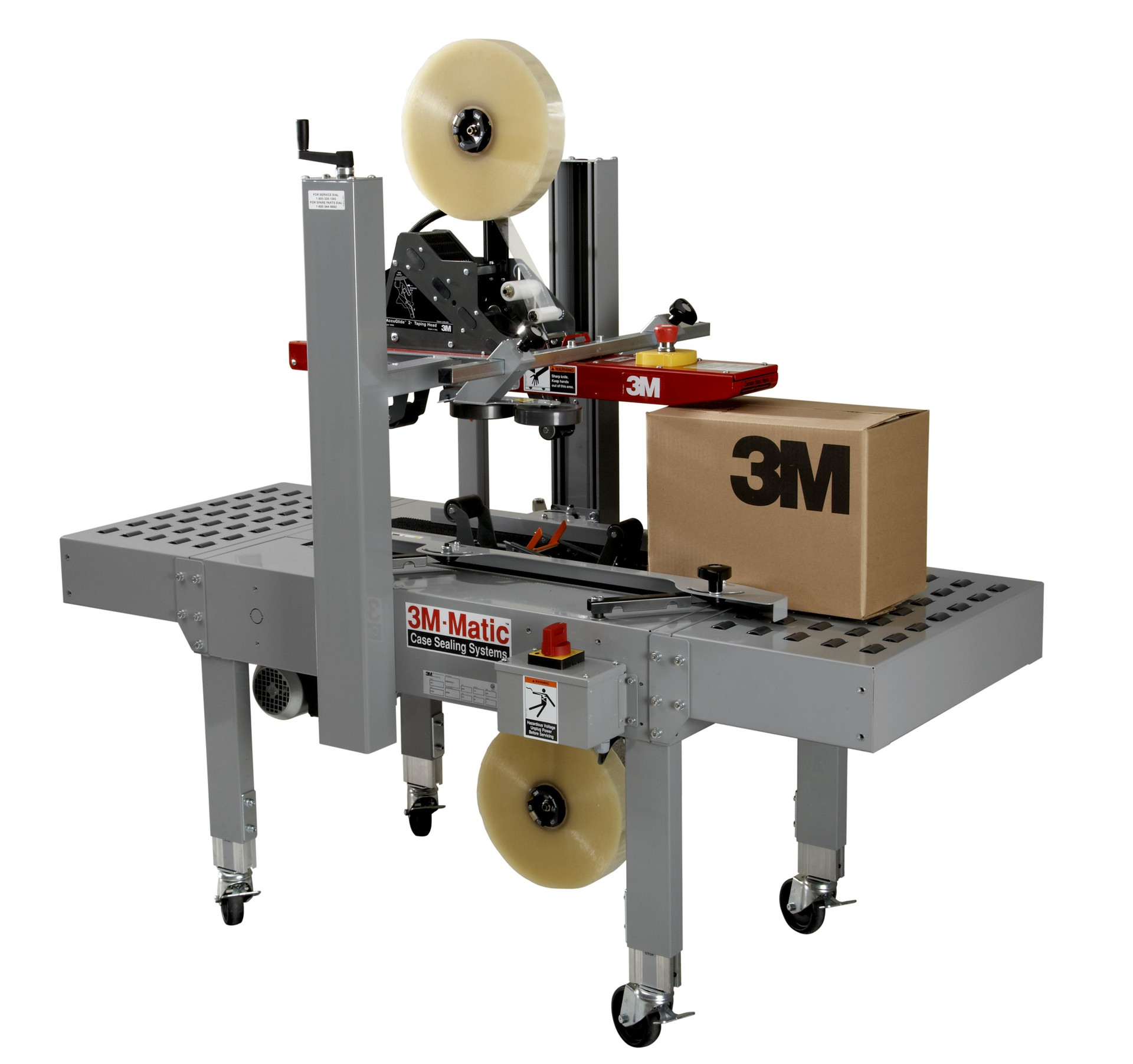
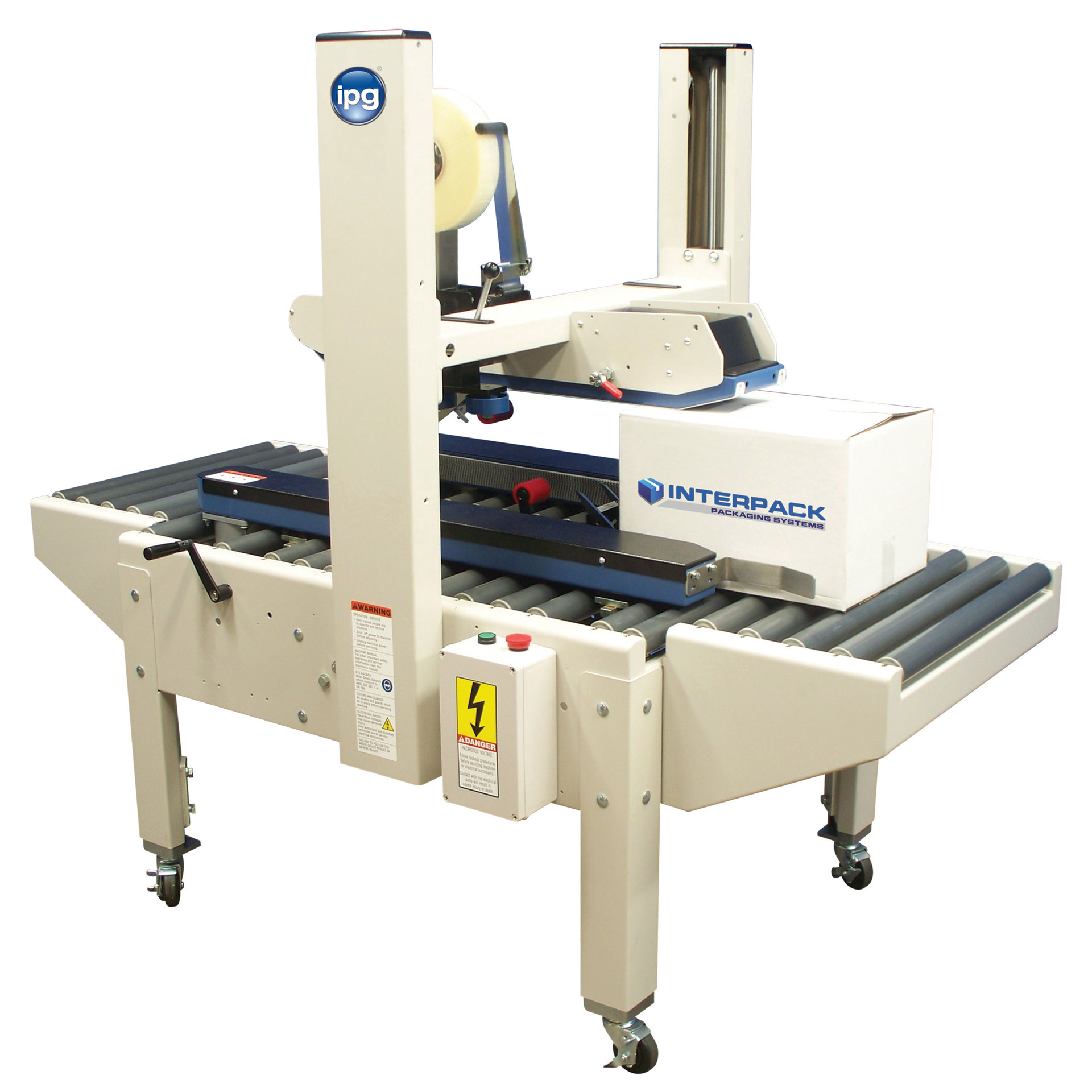
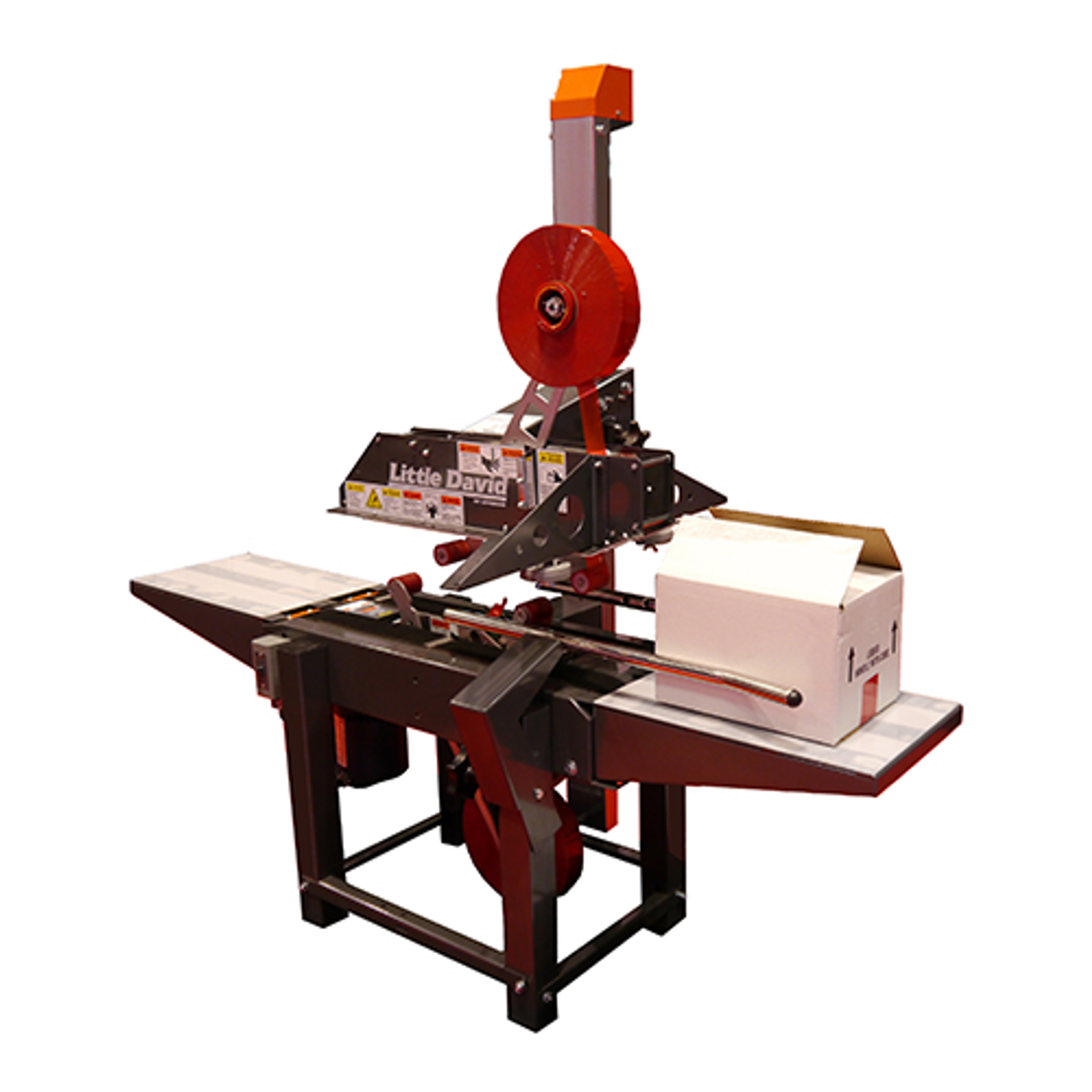
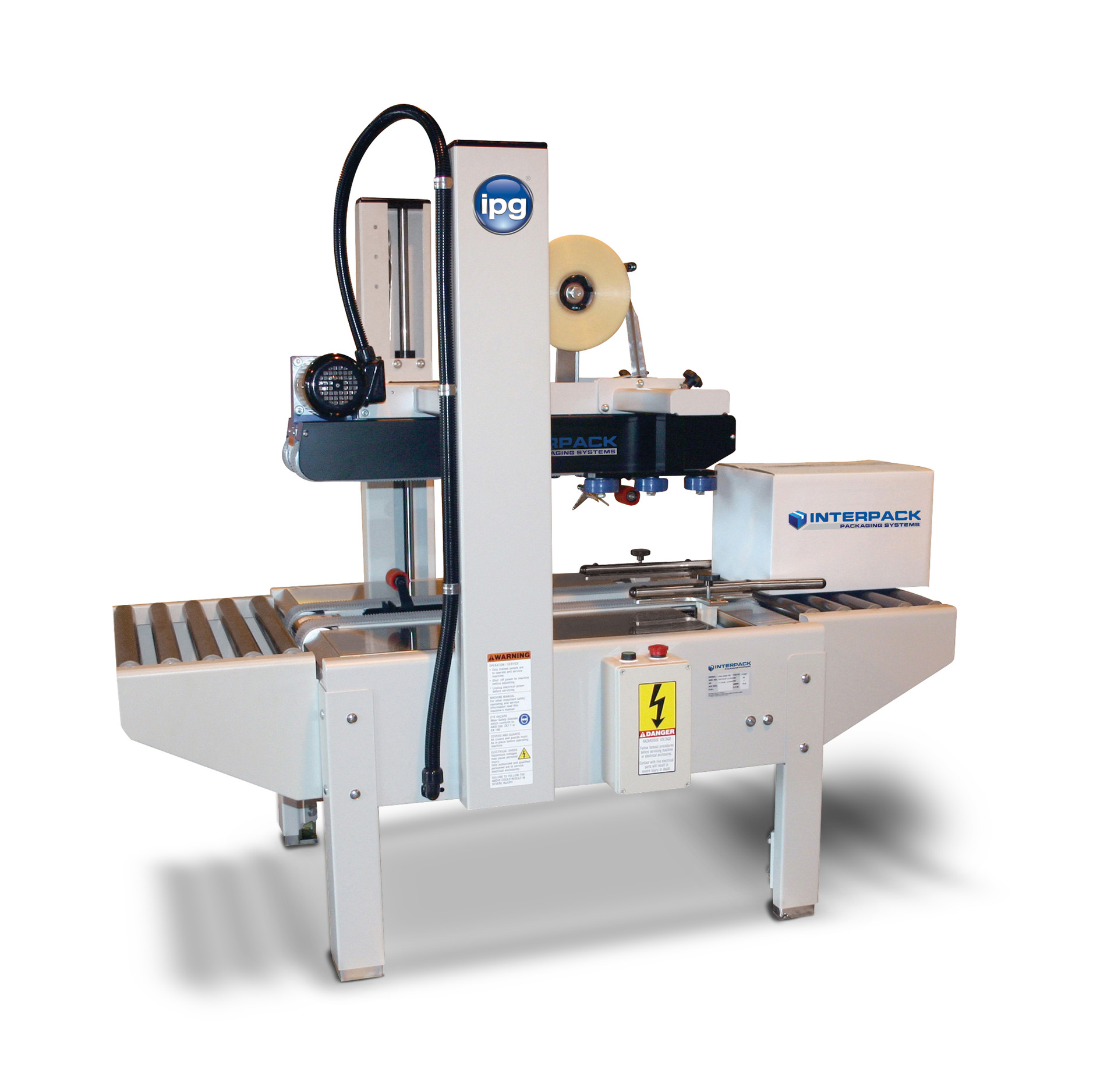
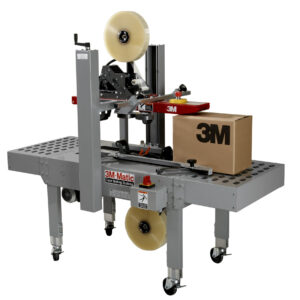
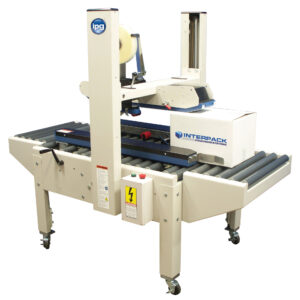
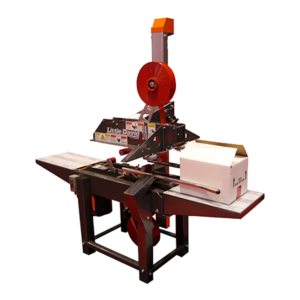
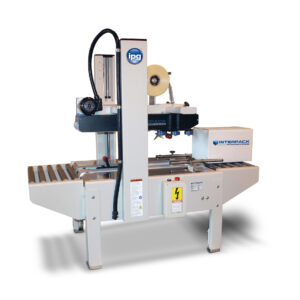
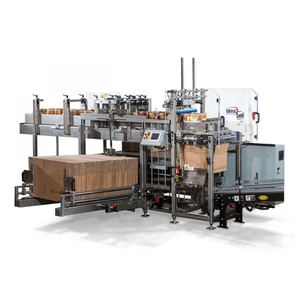
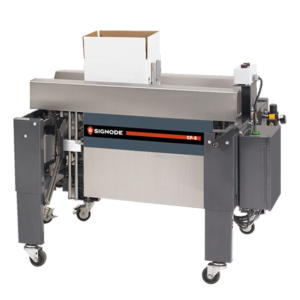
A case sealer, also commonly called a box sealer or tape machine, is a piece of machinery designed to seal a corrugated box shut. Its primary function is to apply a strip of adhesive tape to the top and bottom flaps of a box, creating a secure closure. This prevents contents from spilling during handling and transport and helps protect against tampering and environmental factors.
These machines are critical for automating the final step in the packaging line.
Understanding Case Sealer Types
Case sealers come in various configurations to suit different operational needs. The main distinctions are based on the level of automation and how they handle variations in box size.
Semi-Automatic vs. Automatic Case Sealers
This distinction relates to the amount of operator involvement required:
- Semi-Automatic Case Sealers: An operator is needed to load the box, fold the top flaps, and feed the box into the machine. The machine then applies the tape to seal the box.
- Automatic Case Sealers: These machines require minimal or no operator intervention for the sealing process. They can automatically fold the top flaps and feed the box through the taping heads, offering a more streamlined, hands-off solution.
Uniform vs. Random Case Sealers
This distinction addresses how the machine handles different box dimensions:
- Uniform Case Sealers: Designed for production lines where boxes are consistently the same size or fall within a very narrow size range. They are typically set up for one box size and require manual adjustment for changes.
- Random Case Sealers: Engineered to seal boxes of varying sizes and shapes sequentially without manual adjustments between different box dimensions. They use sensors and adjustable mechanisms to automatically adapt to each box that enters the machine.
Comparison of Case Sealer Types
| Feature | Semi-Automatic Case Sealer | Automatic Case Sealer | Uniform Case Sealer | Random Case Sealer |
|---|---|---|---|---|
| Operator Input | Loads, folds flaps, feeds box | Minimal (loading infeed conveyor) | Requires manual size adjustment | Automatically adjusts to size |
| Automation | Partial | Full | Handles consistent sizes efficiently | Handles mixed sizes efficiently |
| Ideal Use | Medium volume, varied product runs | High volume, consistent processes | High volume, consistent product lines | Varied product sizes/shapes, lower volume |
Tape Application Methods
The mechanism for applying tape also varies:
- Top and Bottom Case Sealers: These are the most common type, applying tape simultaneously to both the top and bottom center flaps of the box. They use conveyor belts to move the box through the machine and rollers or belts to press flaps against the tape.
- Side Belt Case Sealers: These machines use side belts to grip and transport the box while applying tape to the sides of the box, rather than the top and bottom flaps. This method is often suitable for taller or narrower boxes that may be unstable on a bottom-only conveyor.
Choosing the Right Case Sealer
Selecting the optimal case sealing machine depends on your specific packaging volume, the variety of box sizes you handle, and your desired level of automation. Whether you need a semi-automatic unit for a medium-volume operation or a fully automatic system for high throughput with mixed box sizes, there are solutions available from leading manufacturers.
Case sealers are available from trusted brands known for reliability and performance in packaging automation.
Reviews
There are no reviews yet.