

Packaging Design for Steel Coils
Are you in the steel industry and tired of dealing with damaged steel coils upon arrival? Poor packaging can lead to corrosion, dents, and significant financial losses. Investing in effective packaging design is not just an expense; it's a crucial strategy for protecting your valuable steel coils and ensuring customer satisfaction.
Effective packaging design for steel coils is paramount to prevent damage from mechanical stress, corrosion, and environmental factors during storage and transportation. This involves selecting appropriate materials like VCI paper, steel strapping, edge protectors, and employing suitable wrapping methods such as horizontal or vertical packing, often enhanced by automation for consistency and efficiency.
Choosing the right packaging for steel coils is a complex decision, but understanding the key elements can save you money and headaches in the long run. Let's delve into the essential aspects of packaging design for steel coils to ensure your products arrive in perfect condition.
Types of Steel Coil Packaging: Choosing the Right Method
Steel coils, depending on their type, destination, and transport method, require different packaging approaches. Selecting the appropriate packaging type is the first step in ensuring coil integrity and minimizing damage during handling and shipping.
There are primarily two main types of steel coil packaging: standard packaging and seaworthy packaging. Standard packaging offers basic protection for coils transported domestically or under favorable conditions, while seaworthy packaging provides enhanced protection against harsh marine environments and extended transit times. The choice between them depends heavily on the destination, mode of transport, and the sensitivity of the steel product to environmental factors.

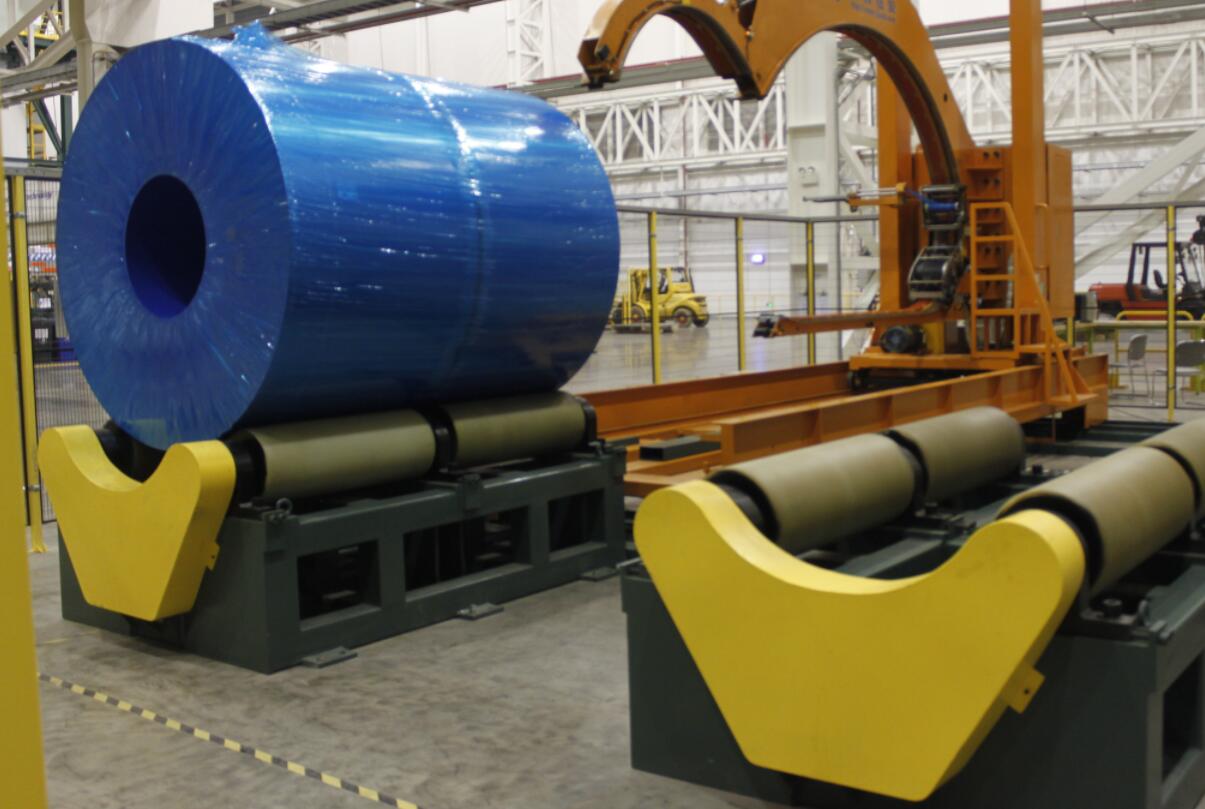
Standard vs. Seaworthy Packaging: A Detailed Comparison
To better understand the differences and applications of standard and seaworthy packaging, let's break down the features and benefits of each:
Standard Packaging: Features and Applications
Standard packaging is designed for general protection during normal transit conditions. It typically includes:
- Cardboard Edge Protectors: Protect coil edges from impacts and strapping pressure.
- VCI Paper Wrapping: Vapor Corrosion Inhibitor paper to prevent rust formation.
- Steel Inner & Outer Rings: Reinforce the coil structure and protect against deformation.
- High-Strength Steel Strapping: Securely fasten the packaging components.
- Product Labeling: Clear identification for inventory management and traceability.
Standard packaging is suitable for:
- Domestic transportation
- Short transit distances
- Transportation in covered trucks or railcars
- Environments with moderate humidity and temperature control
Seaworthy Packaging: Features and Applications
Seaworthy packaging is engineered for more demanding conditions, particularly for ocean freight and long-distance transportation where coils are exposed to salt air, humidity, and rough handling. It incorporates all features of standard packaging, plus:
- Additional Plastic Wrapping: Provides an extra moisture barrier.
- Additional Cardboard Wrapping: Enhances cushioning and protection against physical damage.
- Outer Steel Sheet Jacket: Completely encases the coil, offering robust protection from all sides.
Seaworthy packaging is essential for:
- Export shipments via sea
- Long transit times, especially across oceans
- Regions with high humidity or extreme weather conditions
- Ensuring coils arrive in pristine condition despite harsh external factors
Choosing the Right Packaging: Key Considerations
The table below summarizes the key differences between standard and seaworthy packaging to aid in decision-making:
| Feature | Standard Packaging | Seaworthy Packaging |
|---|---|---|
| Protection Level | Basic | Enhanced |
| Moisture Barrier | VCI Paper | VCI Paper + Additional Plastic Wrap |
| Physical Protection | Cardboard Edges, Steel Rings | Cardboard Edges, Steel Rings, Steel Jacket |
| Strapping | High-Strength Steel Straps | High-Strength Steel Straps |
| Cost | Lower | Higher |
| Suitable For | Domestic, Short Transit, Controlled Env. | Export, Long Transit, Harsh Environments |
Selecting between standard and seaworthy packaging is a balance of cost and risk mitigation. While seaworthy packaging offers superior protection, it also comes at a higher cost. Carefully assess the shipping conditions, the value of the steel coils, and the potential consequences of damage to determine the most appropriate and cost-effective packaging solution.
Essential Materials for Steel Coil Packaging: Ensuring Robust Protection
The effectiveness of steel coil packaging relies heavily on the quality and type of materials used. Each material plays a specific role in protecting the steel from various forms of damage, from mechanical impacts to corrosion.
Key materials in steel coil packaging include Vapor Corrosion Inhibitor (VCI) paper, steel strapping, edge protectors (cardboard or plastic), steel rings or jackets, and moisture barrier films. VCI paper is crucial for corrosion prevention, while steel strapping and rings provide structural integrity. Edge protectors and films offer physical and environmental shielding during handling and transit.

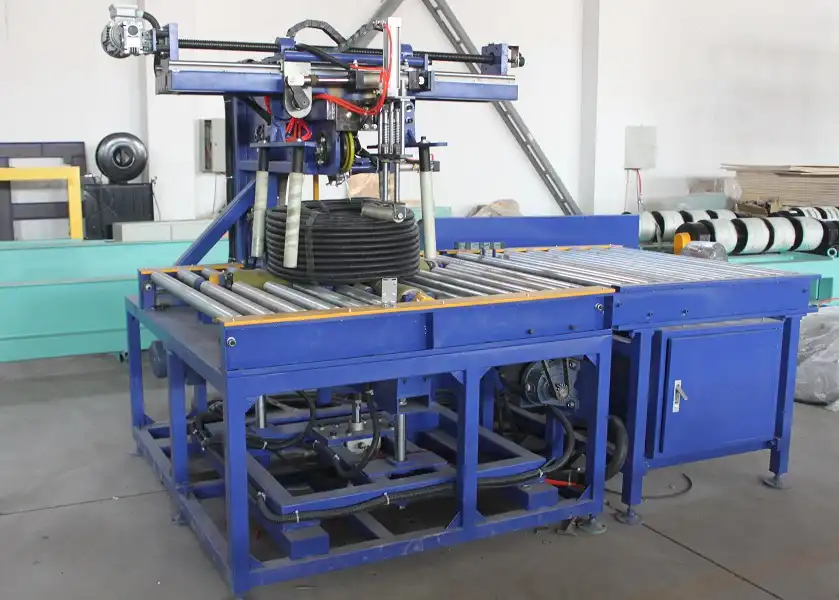
- Delving Deeper into Packaging Material Functions
To fully appreciate the importance of each material, let's examine their specific functions and properties:
1. Vapor Corrosion Inhibitor (VCI) Paper: The Rust Preventer
VCI paper is impregnated with chemicals that release vapor, forming a protective layer on the steel surface and inhibiting electrochemical reactions that cause rust. Key features include:
- Corrosion Inhibition: Prevents rust formation in humid or corrosive environments.
- Dry Protection: Offers protection without needing oils or coatings directly on the steel.
- Ease of Application: Simple to wrap around coils and readily available in various sizes.
- Long-lasting Protection: Effective for extended storage and transit periods.
2. Steel Strapping: The Binding Force
High-strength steel strapping is used to tightly secure all packaging layers, ensuring the coil remains compact and protected. Important aspects of steel strapping are:
- Tensile Strength: Withstands high tension without breaking, maintaining package integrity.
- Durability: Resistant to wear and tear during handling and vibrations during transit.
- Various Widths and Thicknesses: Available to suit different coil sizes and weights.
- Application Methods: Applied manually or automatically with strapping tools or machines.
3. Edge Protectors: Shielding the Vulnerable Edges
Edge protectors, made from cardboard, plastic, or even steel, are placed on the coil's inner and outer edges to prevent damage from strapping pressure and impacts. Their benefits include:
- Impact Absorption: Cushions edges against bumps and knocks.
- Strapping Distribution: Prevents strapping from cutting into the coil edges.
- Material Options: Cardboard for general use, plastic for moisture resistance, steel for heavy-duty protection.
- Recyclable Options: Eco-friendly plastic and cardboard options available.
4. Steel Rings and Jackets: Structural Reinforcement
Steel rings (inner and outer) and full jackets provide significant structural support and physical protection. Their roles are:
- Coil Shape Maintenance: Prevent coils from unwinding or deforming.
- Heavy-Duty Protection: Steel jackets offer robust shielding against severe impacts and stacking pressure.
- Stacking Capability: Reinforced packaging enables safe stacking, optimizing storage and shipping space.
- Material Grades: Steel grade and thickness vary based on coil weight and handling requirements.
5. Moisture Barrier Films: Keeping Water Out
Plastic films, often used in seaworthy packaging, act as an additional barrier against moisture ingress. Key characteristics are:
- Waterproof: Prevents rain, seawater, and humidity from reaching the steel.
- Variety of Polymers: LDPE, HDPE, and other films chosen for specific barrier properties and tear resistance.
- Stretch and Shrink Films: Stretch films conform tightly to the coil shape, while shrink films tighten when heated for a secure fit.
- Combined with VCI: Often used with VCI films for dual corrosion and moisture protection.
By carefully selecting and combining these materials, manufacturers can create packaging solutions that effectively safeguard steel coils from a wide range of potential damages, ensuring product quality and customer satisfaction.
Automated Solutions for Steel Coil Packaging: Enhancing Efficiency and Consistency
Manual steel coil packaging can be labor-intensive, inconsistent, and time-consuming. Automated packaging systems offer significant advantages in terms of speed, consistency, and reduced labor costs.
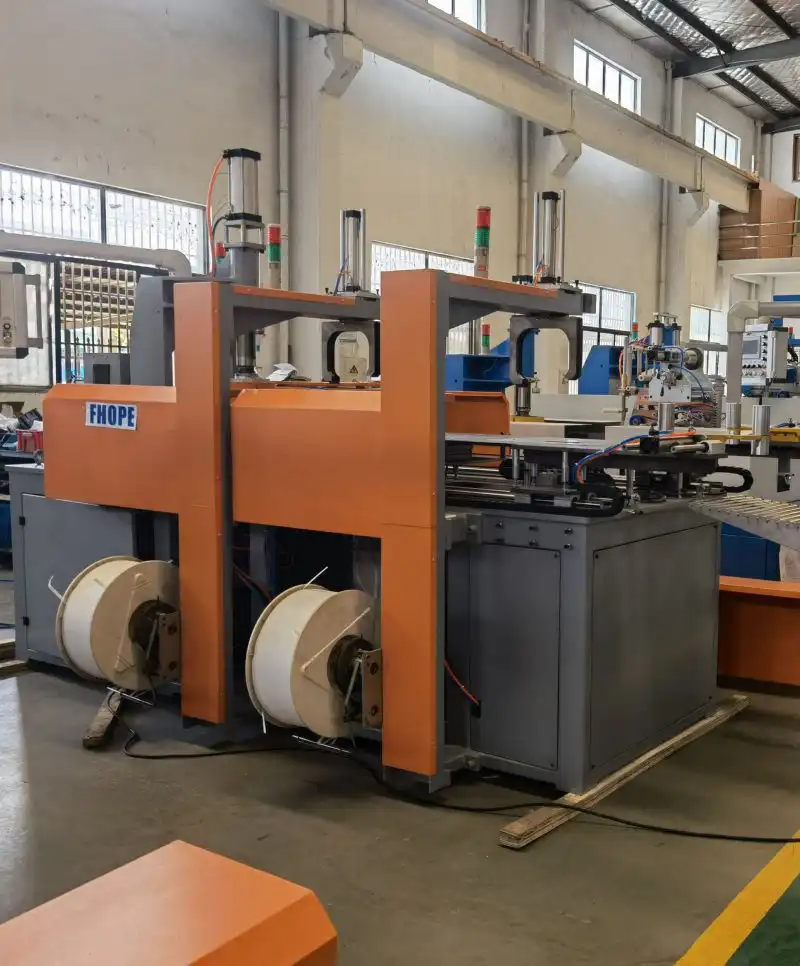
Automated steel coil packaging solutions, like stretch film wrapping machines, significantly improve throughput and ensure consistent packaging quality. These systems automate processes such as wrapping, strapping, and labeling, reducing manual labor and enhancing protection against corrosion and mechanical damage through precise and repeatable application of packaging materials.

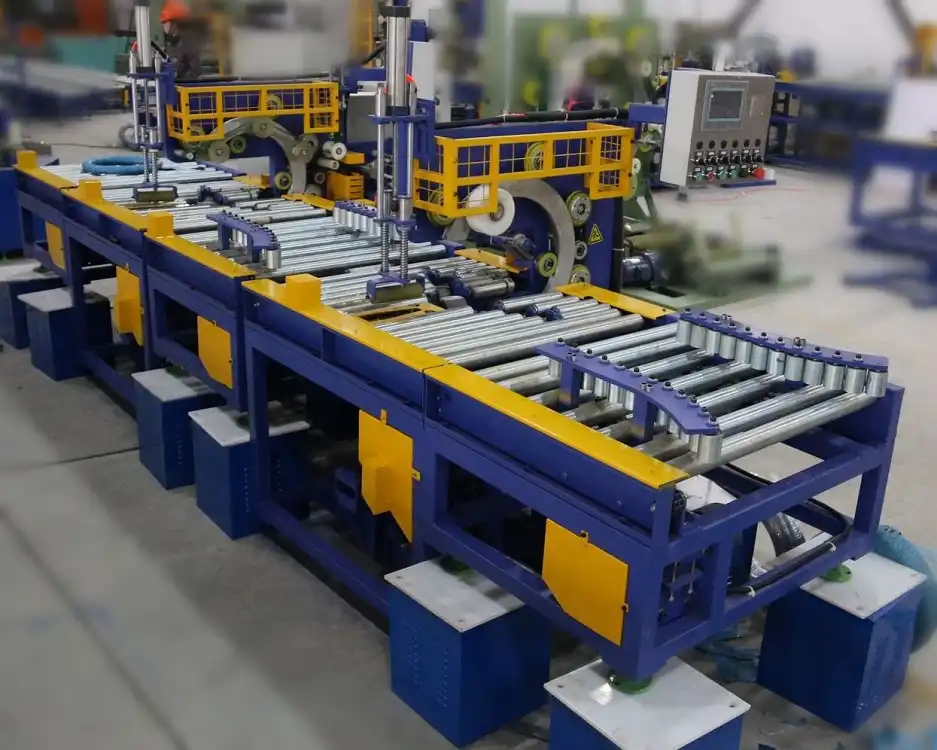
- Exploring Automation Technologies in Coil Packaging
Let's examine different levels of automation and specific technologies used in steel coil packaging:
Levels of Automation: From Semi-Automatic to Fully Automatic
Automation in coil packaging ranges from basic semi-automatic systems to highly sophisticated fully automated lines:
- Semi-Automatic Systems: These systems assist manual operations, such as semi-automatic stretch wrappers or strapping machines. They reduce physical strain and increase speed compared to purely manual methods, often requiring one or two operators.
- Automatic Systems: These systems automate entire packaging sequences, from coil feeding to wrapping, strapping, and labeling. They require minimal operator intervention, primarily for monitoring and material replenishment. Examples include automated stretch wrapping lines and robotic packaging cells.
- Fully Integrated Lines: These are complete systems integrated with coil production lines. Packaging is performed seamlessly as part of the production flow, often including automated coil handling, weighing, and inventory management systems.
Key Automated Packaging Technologies
Several technologies drive automation in steel coil packaging:
-
Automated Stretch Wrapping Machines: These machines use stretch film to tightly wrap coils, providing protection from scratches, moisture, and corrosion. Types include:
- MultiWrapper: High-speed, fully automated systems for high-output production lines.
- PushWrapper: Entry-level automation, often semi-automatic, for smaller production volumes.
- Orbital Wrappers: Wrap coils by rotating stretch film around a stationary coil, suitable for various coil sizes and orientations.
-
Automated Strapping Machines: These machines apply steel or plastic straps with consistent tension and secure joints, ensuring package stability. They can be integrated with wrapping lines for a complete packaging solution.
-
Robotic Packaging Systems: Robots can handle various packaging tasks, including applying edge protectors, VCI paper, and steel jackets. They offer flexibility and precision, especially for complex packaging configurations.
-
Automated Labeling and Marking Systems: These systems automatically print and apply labels with product information, barcodes, and shipping details, improving traceability and reducing errors.
Benefits of Automation in Steel Coil Packaging
Adopting automated packaging solutions offers numerous advantages:
| Benefit | Description | Impact |
|---|---|---|
| Increased Throughput | Machines operate faster and continuously compared to manual labor. | Higher production capacity, faster order fulfillment |
| Consistent Quality | Automation ensures uniform wrapping, strapping tension, and material application. | Reduced damage due to packaging inconsistencies |
| Reduced Labor Costs | Fewer operators needed, especially for high-volume lines. | Lower operational expenses, improved profitability |
| Improved Safety | Automation reduces manual handling of heavy coils and packaging materials. | Safer working environment, fewer workplace injuries |
| Material Optimization | Precise control over material usage minimizes waste. | Reduced packaging material costs, more sustainable practices |
Investing in automated steel coil packaging not only streamlines operations but also enhances product protection and overall efficiency, providing a significant return on investment in the long run.
Ensuring Optimal Steel Coil Packaging: Best Practices for Damage Prevention
Effective steel coil packaging goes beyond just materials and automation; it involves implementing best practices throughout the packaging process to minimize risks and ensure coils arrive in perfect condition.
To ensure optimal steel coil packaging and minimize damage, it's crucial to implement best practices encompassing material selection, proper wrapping and strapping techniques, handling procedures, and quality control. These practices should be tailored to the specific type of steel coil, transportation method, and environmental conditions it will encounter.

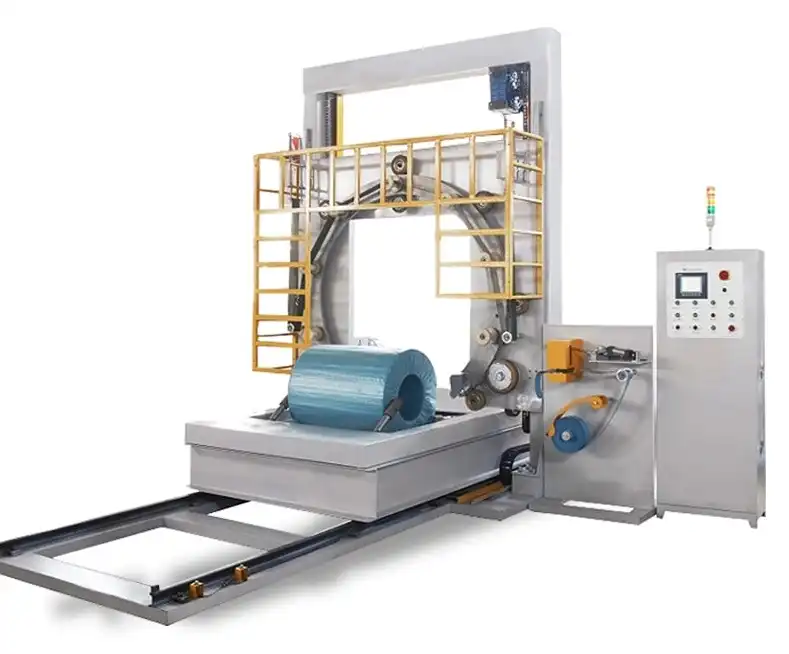
- Implementing a Robust Packaging Strategy
Let’s explore key best practices across different stages of the steel coil packaging process:
1. Material Selection and Quality Control
- Choose Appropriate Materials: Select packaging materials based on the coil type, weight, destination, and transportation mode (standard vs. seaworthy).
- Verify Material Quality: Ensure VCI paper, steel strapping, films, and edge protectors meet required specifications for strength, corrosion inhibition, and durability.
- Supplier Qualification: Source materials from reputable suppliers with quality certifications and consistent product performance.
- Incoming Material Inspection: Implement checks upon receipt of packaging materials to verify they meet quality standards and are free from defects.
2. Proper Wrapping and Strapping Techniques
- Tight and Secure Wrapping: Ensure stretch film is applied tightly and evenly to minimize air gaps and maximize corrosion protection. Overlap film layers adequately.
- Correct Strapping Tension: Apply steel strapping with appropriate tension using calibrated tools or automated systems. Avoid over-tightening, which can damage edges, and under-tightening, which can lead to loose packages.
- Edge Protector Placement: Position edge protectors correctly on both inner and outer coil edges before strapping to prevent strap damage and edge deformation.
- Appropriate Strapping Pattern: Use recommended strapping patterns (number of circumferential and eye straps) based on coil dimensions and weight.
3. Handling and Storage Procedures
- Gentle Handling: Train personnel on proper coil handling techniques using forklifts and cranes to avoid impacts and dropping. Use padded lifting devices where necessary.
- Proper Stacking: Stack coils according to packaging strength and stability. Avoid excessive stacking height that could cause crushing or deformation.
- Dry Storage Environment: Store packaged coils in a dry, well-ventilated warehouse to minimize humidity and prevent moisture-related corrosion.
- Temperature Control: For sensitive steel types, consider temperature-controlled storage to prevent condensation and temperature-induced damage.
4. Quality Assurance and Inspection
- In-Process Inspections: Conduct regular checks during the packaging process to ensure materials are applied correctly, strapping tension is adequate, and overall packaging quality is maintained.
- Final Package Inspection: Inspect completed packages for proper wrapping, strapping, labeling, and any visible damage before shipment.
- Documentation and Traceability: Maintain records of packaging materials used, inspection results, and any corrective actions taken. Implement a system for tracing packaged coils.
- Feedback and Improvement: Collect feedback from customers on packaging quality and address any issues promptly to continuously improve packaging processes.
By consistently applying these best practices, steel manufacturers and processors can significantly reduce the risk of damage during shipping and storage, protect product quality, and enhance customer satisfaction.
Vertical vs. Horizontal Coil Packaging: Choosing the Right Orientation
The orientation in which steel coils are packaged – vertical ("eye to the sky") or horizontal ("eye to the wall") – is a critical decision influenced by coil dimensions, handling considerations, and safety factors.

Vertical and horizontal packaging are the two primary orientations for steel coils. Vertical packaging, where the coil's eye faces upwards, is often preferred for narrower slit coils for stability and ease of handling with forklifts. Horizontal packaging, with the eye facing sideways, is common for wider and heavier coils, providing a lower center of gravity and potentially better space utilization during shipping. The choice depends on coil dimensions, handling equipment, and safety considerations.
Both vertical and horizontal packaging methods have their advantages and are chosen based on specific requirements. Here's a detailed comparison:
Vertical Packaging ("Eye to the Sky")
In vertical packaging, coils are placed upright on pallets with the coil eye facing upwards. This method is often used for:
- Narrow Slit Coils: Provides better stability for narrower coils, preventing toppling.
- Easier Forklift Handling: Forklifts can easily access the coil eye for lifting and moving.
- Space Efficiency in Warehousing: Can maximize vertical storage space in warehouses.
- Wooden Spacers: Often used between vertically packed slit coils for separation and easier handling of individual coils.
Advantages of Vertical Packaging:
- Stability for Narrow Coils: Reduced risk of tipping over.
- Efficient Forklift Access: Streamlined handling in warehouses and loading/unloading areas.
- Optimized Vertical Storage: Better utilization of warehouse height.
Considerations for Vertical Packaging:
- Height Restrictions: May be limited by warehouse ceiling height or container height.
- Top Damage Risk: The top eye is more exposed to potential damage if not properly protected.
Horizontal Packaging ("Eye to the Wall")
In horizontal packaging, coils are laid flat on pallets or directly onto the container floor, with the coil eye facing sideways. This method is typically used for:
- Wider and Heavier Coils: Provides a lower center of gravity, enhancing stability for heavier coils.
- Better Weight Distribution: Distributes weight more evenly across the pallet or container floor.
- Potentially Better Space Utilization in Shipping Containers: Can sometimes fit more coils horizontally in a container compared to vertically.
Advantages of Horizontal Packaging:
- Stability for Wide Coils: Lower center of gravity reduces tipping risk for wider coils.
- Improved Weight Distribution: Less stress on pallets and container floors.
- Potentially Higher Container Fill Rate: Can sometimes fit more coils, especially wider ones.
Considerations for Horizontal Packaging:
- Forklift Access: Requires forklifts with longer reach or specialized attachments for handling.
- Floor Space Utilization: May require more floor space compared to vertical stacking.
Choosing Between Vertical and Horizontal:
The decision between vertical and horizontal packaging depends on several factors:
- Coil Width: Narrower slit coils are often better suited for vertical, wider coils for horizontal.
- Coil Weight: Heavier coils may benefit from horizontal packaging for stability.
- Handling Equipment: Availability of forklifts and attachments for each orientation.
- Storage Space: Warehouse height vs. floor space availability.
- Shipping Method: Container dimensions and loading/unloading constraints.
- Safety Regulations: Compliance with any specific safety guidelines for coil handling and transportation in different orientations.
Ultimately, the optimal choice is determined by a careful assessment of these factors to ensure safe and efficient handling, storage, and transportation of steel coils while minimizing the risk of damage.
Conclusion
Effective packaging design for steel coils is a multifaceted process that significantly impacts product quality, customer satisfaction, and overall operational efficiency. By understanding the types of packaging, essential materials, automation options, best practices, and orientation considerations, businesses in the steel industry can create robust packaging solutions that safeguard their valuable products. Investing in quality packaging and exploring innovations like wire packing automation is not just an expense, but a strategic investment that yields substantial returns through reduced damage, minimized losses, and enhanced customer trust.