

Optimizing Production Processes in Steel Coil Packaging
Imagine the challenge: tons of heavy steel coils moving through a packaging line, each requiring secure wrapping and strapping to withstand harsh shipping conditions. Inefficient processes lead to bottlenecks, product damage, and increased costs. But what if you could streamline this critical stage, ensuring every coil is perfectly packaged, ready for transport, and your operations run smoother than ever before?

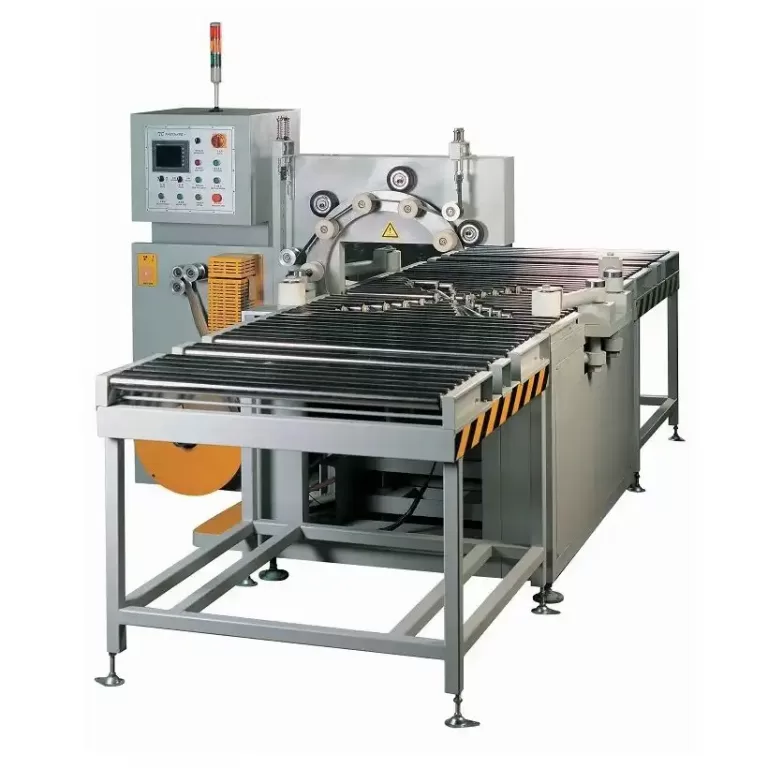
Optimizing steel coil packaging production processes involves automating key stages like feeding, wrapping, strapping, and palletizing. By integrating automated turnstiles, coil wrapping machines, strapping machines, and palletizer robots, manufacturers can significantly enhance efficiency, reduce material waste, improve product protection, and ensure consistent packaging quality, ultimately leading to substantial cost savings and increased throughput.
Ready to transform your steel coil packaging from a potential bottleneck into a streamlined, high-performance operation? Let's delve into the specific technologies and strategies that are revolutionizing steel coil packaging processes today.
Automated Turnstiles: The Unsung Hero of Coil Packaging Efficiency
In any high-volume production line, consistent material flow is paramount. But manually feeding heavy steel coils into a packaging line is not only slow and labor-intensive, it also presents significant safety risks. How can you ensure a steady, safe, and efficient supply of coils to your packaging machinery?
Automated turnstiles are the solution for efficient coil feeding in steel packaging lines. These systems automatically retrieve steel coils from storage and present them to the wrapping or processing station at a controlled and consistent rate. This eliminates manual handling, speeds up the feeding process, reduces downtime, and ensures a continuous workflow, maximizing the throughput of the entire packaging line.

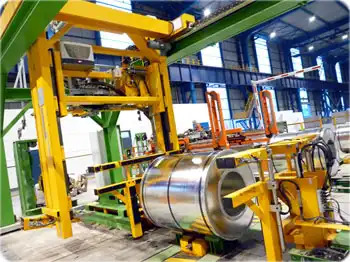
Diving Deeper: The Mechanics and Advantages of Automated Turnstiles
Automated turnstiles are more than just rotating platforms; they are sophisticated pieces of machinery designed for the specific demands of heavy coil handling. Let's break down their key components and explore the tangible benefits they bring to steel coil packaging operations.
Key Components of an Automated Turnstile
-
Robust Rotary Platform: Constructed from heavy-duty steel, the platform is engineered to bear the immense weight of steel coils, often multiple tons, without deformation or wear. The diameter and load capacity are customized based on the range of coil sizes and weights handled by the packaging line.
-
Precision Rotation Mechanism: Driven by powerful motors and controlled by programmable logic controllers (PLCs), the rotation mechanism ensures smooth and precise indexing of coils. This accuracy is crucial for aligning coils correctly for subsequent packaging stages.
-
Automated Coil Lifting and Loading Systems: Advanced turnstiles often integrate robotic arms or hydraulic lifting mechanisms to automatically load coils onto the platform from input conveyors or storage areas. This further minimizes manual intervention and speeds up the entire process.
-
Safety Sensors and Interlocks: Safety is paramount when dealing with heavy machinery. Turnstiles are equipped with light curtains, pressure sensors, and emergency stops to prevent accidents and protect personnel. Interlocks ensure that the turnstile only rotates when it is safe to do so.
Advantages of Automated Turnstile Integration
| Feature | Manual Feeding | Automated Turnstile Feeding | Improvement |
|---|---|---|---|
| Feeding Speed | Slow, inconsistent | Fast, consistent | Up to 5x faster |
| Labor Requirement | High | Minimal | 80-90% labor reduction |
| Safety | High risk of injury | Significantly reduced risk | Safer work environment |
| Downtime | Frequent, due to delays | Minimal | Reduced bottlenecks |
| Coil Damage | Higher risk due to handling | Lower risk, controlled movement | Improved product integrity |
As the table highlights, the shift from manual to automated turnstile feeding results in significant improvements across key operational metrics. The increased speed and consistency directly translate to higher throughput, while the reduced labor needs and enhanced safety contribute to substantial cost savings and a more productive work environment. Furthermore, the gentler, controlled handling minimizes the risk of coil damage, preserving product quality and reducing waste.
Coil Wrapping Machines: Ensuring Superior Product Protection
Once coils are efficiently fed into the packaging line, the next critical step is wrapping. Steel coils are vulnerable to corrosion, moisture damage, and surface scratches during storage and transit. How can you effectively shield your coils from these threats and guarantee they arrive at their destination in pristine condition?
Coil wrapping machines are designed to apply protective layers of plastic film or paper around steel coils, creating a barrier against environmental elements and physical damage. Automated wrapping ensures consistent and tight wrapping, crucial for preventing corrosion, water ingress, and abrasion during handling, shipping, and storage. This results in reduced product damage, minimized material waste, and enhanced customer satisfaction.

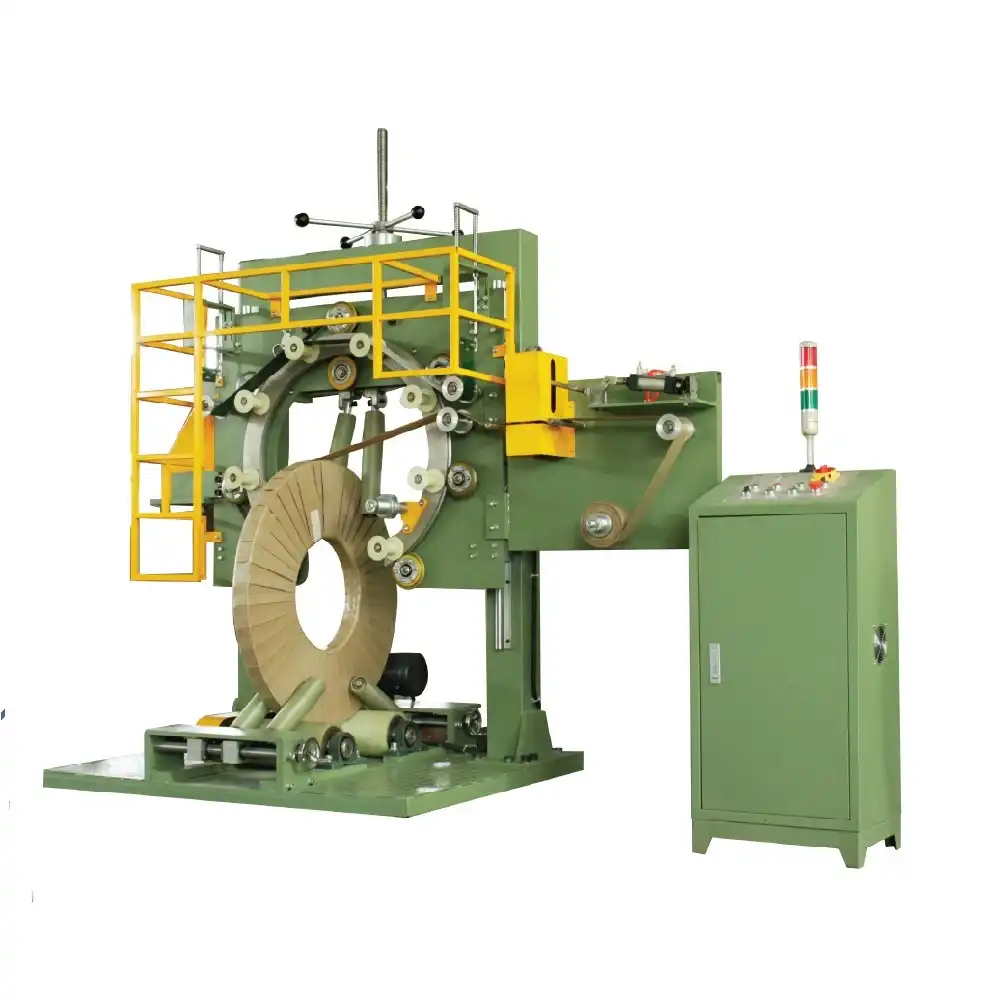
Exploring Different Coil Wrapping Technologies
The selection of the right coil wrapping machine depends on factors such as coil size, weight, wrapping material preference, and production volume. Let's examine some common types of coil wrapping machines and their specific advantages.
Types of Coil Wrapping Machines
-
Orbital Stretch Wrapping Machines: These machines rotate the coil while dispensing stretch film from an orbital wrapping head. They are highly versatile and can handle a wide range of coil sizes and shapes. Orbital wrappers provide excellent stretch and conformability, ensuring a tight and secure wrap.
-
Rotary Table Wrapping Machines: In this configuration, the coil is placed on a rotating table, and the wrapping material is dispensed from a stationary mast. Rotary table wrappers are well-suited for heavier coils and offer ease of loading and unloading.
-
Vertical Wrapping Machines: Designed for vertically stacked coils, these machines wrap coils in a vertical orientation, often used for smaller or lighter coils. Vertical wrappers are space-saving and efficient for specific coil types.
Key Features for Effective Coil Wrapping
Regardless of the machine type, several features are crucial for achieving optimal coil wrapping:
-
Adjustable Tension Control: Precise tension control is vital to apply the correct amount of stretch to the wrapping material. Too little tension results in a loose wrap, while excessive tension can cause film breakage or damage to the coil surface.
-
Overlap Adjustment: Controlling the overlap percentage of the wrapping material ensures complete coverage and multiple layers of protection, especially important for preventing moisture ingress.
-
Automatic Film Cutting and Sealing: Automated cutting and sealing mechanisms streamline the wrapping cycle and ensure consistent and secure film termination, reducing manual intervention and improving cycle times.
-
Material Compatibility: Machines should be compatible with various wrapping materials, including different types of stretch film, paper, or woven fabrics, allowing for flexibility in packaging based on specific product requirements and environmental conditions.
-
Benefits of Coil Wrapping Materials:
| Material | Protection Level | Cost | Recyclability | Application Suitability |
|---|---|---|---|---|
| Stretch Film | Excellent (moisture, dust) | Moderate | Limited | General purpose, cost-effective, good conformability |
| Paper | Good (surface abrasion) | Low | High | Eco-friendly, surface protection, suitable for dry storage |
| Woven Fabric | Superior (puncture, tear) | Higher | Limited | Heavy-duty protection, demanding transport conditions |
By carefully selecting the appropriate coil wrapping machine and wrapping material, steel manufacturers can ensure their coils are comprehensively protected against a wide range of potential hazards, minimizing damage, reducing waste, and upholding product quality throughout the supply chain.
Strapping Machines: Reinforcing Security for Safe Handling and Transit
While wrapping provides essential primary protection, strapping adds a critical layer of reinforcement to steel coil packages. Heavy coils can shift or uncoil during handling and transportation, posing safety risks and potentially damaging the product. How can you guarantee the stability and integrity of coil bundles, ensuring safe stacking and secure transit?
Strapping machines apply high-tension steel or polyester straps around wrapped steel coils, tightly binding them into secure bundles. Automated strapping ensures consistent strap tension and placement, critical for preventing coil shifting, unraveling, and collapse during handling, stacking, and transportation. This enhances safety, enables efficient stacking, and minimizes the risk of damage during transit, safeguarding both personnel and product.

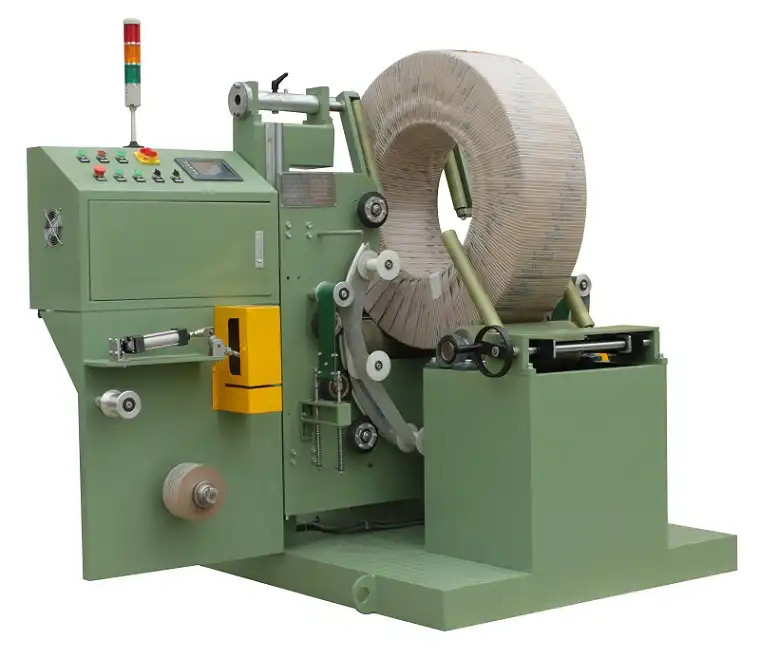
Advanced Strapping Technologies for Steel Coils
Strapping technology has evolved significantly, offering various options tailored to the specific needs of steel coil packaging. Let's explore different strapping materials and machine types, and delve into the crucial aspects of strap tension and sealing.
Strapping Material Options
-
Steel Strapping: The traditional choice for heavy-duty applications, steel strapping offers exceptional tensile strength and break resistance. It is ideal for very heavy coils and demanding transport conditions where maximum security is paramount.
-
Polyester Strapping: A modern alternative, polyester strapping provides high strength comparable to steel but with greater elongation and shock absorption. It is lighter, safer to handle (less sharp edges), and more cost-effective than steel strapping for many applications. Polyester is also corrosion-resistant and recyclable.
-
Polypropylene Strapping: A lighter and more economical option, polypropylene strapping is suitable for bundling lighter coils or providing secondary reinforcement. It is less strong than steel or polyester but offers sufficient security for less demanding applications.
Types of Strapping Machines
| Machine Type | Automation Level | Strapping Material | Coil Size Suitability | Throughput Rate | Key Advantages |
|---|---|---|---|---|---|
| Manual Strapping Tools | Manual | Steel, Poly | All sizes | Low | Portable, low cost, flexible for varied needs |
| Semi-Automatic Machines | Semi-Automated | Poly, PP | Small to Medium | Medium | Faster than manual, consistent tension |
| Automatic Strapping Machines | Fully Automated | Steel, Poly | All sizes | High | High speed, consistent, integrated line operation |
Key Considerations in Strapping: Tension and Sealing
-
Consistent Strap Tension: Automated strapping machines ensure consistent strap tension, which is crucial for effective bundling. Too little tension results in a loose bundle, while excessive tension can damage the coil edges or the wrapping underneath. Adjustable tension settings allow for optimization based on coil type and strapping material.
-
Reliable Sealing Methods: Strapping machines employ various sealing methods, including heat sealing (for plastic straps), friction welding (for polyester), and mechanical crimping or clipping (for steel strapping). The chosen sealing method must create a robust joint that can withstand handling and transit stresses.
By leveraging advanced strapping machines and selecting the appropriate strapping material, steel manufacturers can create highly secure coil bundles that minimize the risk of damage and ensure safe handling throughout the supply chain. The move towards automated strapping not only enhances safety and product protection but also significantly increases packaging line efficiency and throughput.
Palletizer Robots: The Future of Efficient Coil Handling and Logistics
The final stage in the optimized steel coil packaging line is palletizing – efficiently stacking and arranging the strapped coil bundles onto pallets for storage and shipment. Manual palletizing of heavy steel coils is physically demanding, slow, and prone to errors. How can you automate this crucial step to maximize space utilization, minimize labor costs, and ensure consistent pallet quality?
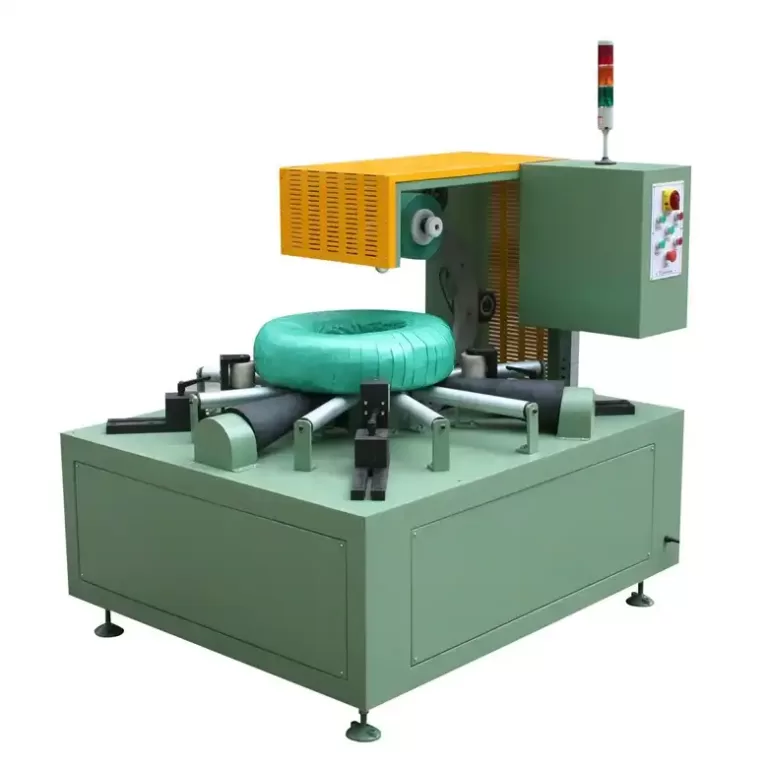
Palletizer robots are the key to efficient pallet loading in steel coil packaging. These robots automatically pick up strapped coil bundles and precisely stack them onto pallets according to pre-programmed patterns. Robotic palletizing maximizes pallet density, reduces manual labor, increases throughput, and ensures consistent and stable pallet loads, optimizing warehouse space and streamlining logistics.
The Advantages of Robotic Palletizing in Steel Coil Packaging
Robotic palletizing offers a transformative leap in efficiency, precision, and safety compared to manual methods. Let's explore the specific benefits and delve into the operational and economic advantages of integrating palletizer robots into steel coil packaging lines.
Enhanced Efficiency and Throughput: Palletizer robots operate at speeds far exceeding human capabilities, working continuously without fatigue or breaks. This dramatically increases palletizing throughput, eliminating bottlenecks and keeping pace with high-volume production lines. Cycle times are significantly reduced, and overall packaging line efficiency is maximized.
Improved Pallet Quality and Consistency: Robots execute palletizing patterns with pinpoint accuracy, ensuring consistent and stable stacking. This minimizes the risk of pallet collapse during storage or transit, reducing product damage and improving safety. Uniform pallet loads also optimize warehouse space utilization and simplify inventory management.
Reduced Labor Costs and Improved Safety: Automating palletizing eliminates the need for manual lifting and stacking of heavy steel coils, significantly reducing labor costs and freeing up personnel for more value-added tasks. More importantly, it drastically reduces the risk of musculoskeletal injuries and accidents associated with manual heavy lifting, creating a safer and more ergonomic work environment.
Optimized Space Utilization and Logistics: Robotic palletizing enables tighter and more consistent stacking patterns, maximizing the number of coils per pallet. This optimizes warehouse space utilization, reducing storage footprint and costs. Well-organized and uniformly loaded pallets also streamline loading and unloading processes, improving overall logistics efficiency.
Flexibility and Adaptability: Modern palletizer robots are highly flexible and programmable. They can be easily re-programmed to handle different coil sizes, weights, and palletizing patterns, adapting to changing production needs and product variations. This adaptability ensures long-term relevance and return on investment.
By integrating palletizer robots, steel manufacturers can achieve a fully automated and highly optimized steel coil packaging line. This not only boosts productivity and reduces costs but also enhances safety, improves product quality, and streamlines logistics, contributing to a more competitive and sustainable operation. The shift towards wire packing automation is not just about technology; it's about creating a smarter, safer, and more efficient future for the steel industry.
Conclusion
Optimizing production processes in steel coil packaging is no longer a luxury, but a necessity for steel manufacturers seeking to thrive in a competitive global market. By embracing automation and integrating key technologies like automated turnstiles, coil wrapping machines, strapping machines, and palletizer robots, companies can achieve significant gains in efficiency, product protection, safety, and overall operational performance. Investing in wire packing automation is a strategic move that yields substantial returns, ensuring streamlined operations, reduced costs, and enhanced customer satisfaction in the demanding world of steel manufacturing and distribution.