

Guide to Choosing Steel Coil Packaging Equipment
Are you struggling to keep your steel coils safe and efficiently packaged? Damaged coils and slow packaging lines can significantly impact your bottom line and customer satisfaction. Investing in the right steel coil packaging equipment is crucial, but with so many options, making the right choice can feel overwhelming.
Choosing the correct steel coil packaging equipment is essential for protecting your products during storage and transit, improving operational efficiency, and reducing labor costs. This guide will walk you through the key factors to consider, helping you make an informed decision and select the best equipment to meet your specific needs and optimize your steel coil packaging process.

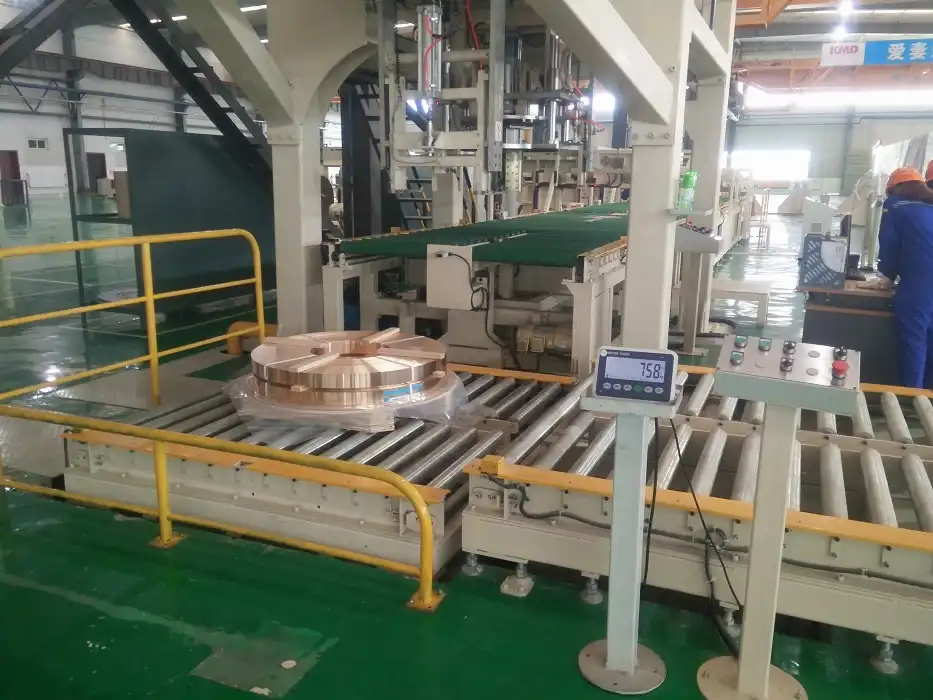
This comprehensive guide is designed to simplify the selection process, ensuring you invest in equipment that not only meets your current needs but also supports your future growth and efficiency goals. Let's explore the essential aspects of choosing steel coil packaging equipment.
What Key Features Should You Look for in a Coil Packing Machine?
Selecting a coil packing machine involves more than just finding a machine that wraps coils. It's about identifying equipment that aligns with your operational scale, material specifications, and long-term productivity goals. Overlooking key features can lead to inefficiencies, increased costs, and potential safety hazards in your steel plant.
When choosing a coil packing machine, prioritize versatility, durability, automation readiness, safety features, and ease of maintenance. Versatility ensures the machine can handle various coil sizes and materials, while durability guarantees longevity and reduces downtime. Automation capabilities streamline operations, and robust safety features protect operators. Ease of maintenance is crucial for minimizing disruptions and keeping your production line running smoothly. These key features collectively contribute to a machine's efficiency, cost-effectiveness, and overall value to your steel plant.
Understanding these features in detail is critical for making a strategic investment. A well-chosen machine will not only improve your packaging process but also contribute to overall operational excellence. Let’s delve deeper into each of these critical aspects to ensure you make the best decision for your steel coil packaging needs.
Dive Deeper: Assessing Key Features for Optimal Coil Packaging
Choosing the right features for your coil packing machine is a critical decision that impacts efficiency, safety, and cost-effectiveness. A thorough assessment of your operational needs and a detailed understanding of available features are essential. Let's break down the key features and explore why they are crucial for optimal coil packaging.
Versatility and Customization: Adapting to Varied Coil Dimensions
Versatility in a coil packing machine refers to its ability to handle a wide range of coil sizes, weights, and materials. Steel plants often deal with diverse product specifications, and a versatile machine can accommodate these variations without requiring frequent adjustments or changeovers. Customization features further enhance adaptability, allowing you to fine-tune the machine to meet specific packaging requirements, such as applying different wrapping materials or strapping patterns.
Consider these aspects of versatility and customization:
- Adjustable Dimensions: The machine should be capable of handling your smallest to largest coil dimensions (diameter, width, height). Check the machine specifications for the range of coil sizes it can accommodate.
- Weight Capacity: Ensure the machine's weight capacity aligns with the heaviest coils you produce. Overloading a machine can lead to damage and safety hazards.
- Material Compatibility: Verify that the machine is compatible with the types of steel and packaging materials you use. Some machines are designed for specific materials, while others offer broader compatibility.
- Customizable Settings: Look for machines with adjustable tension controls, wrapping patterns, and strapping options. These features allow you to tailor the packaging process to the specific needs of your products.
Durability and Reliability: Ensuring Long-Term Performance
Durability is paramount in heavy industrial environments like steel plants. Coil packing machines must withstand continuous operation, heavy loads, and potential exposure to harsh conditions. A durable and reliable machine minimizes downtime, reduces maintenance costs, and ensures consistent performance over its lifespan.
Key factors contributing to durability and reliability include:
- Robust Construction: Examine the machine's frame, components, and materials. Heavy-duty steel construction, quality components, and robust design are indicators of durability.
- Component Quality: Inquire about the quality of critical components such as motors, bearings, sensors, and control systems. Reputable brands and high-quality components contribute to reliability.
- Operational Stability: Choose machines with proven track records of stable and consistent operation. Request performance data and customer testimonials to assess reliability.
- Protective Features: Consider machines with features that protect against dust, moisture, and extreme temperatures, especially if your plant environment is demanding.
Automation Level and Integration: Streamlining Operations
The level of automation in a coil packing machine directly impacts labor costs, efficiency, and throughput. Automation can range from semi-automatic machines that require manual loading and unloading to fully automatic lines that integrate seamlessly with upstream and downstream processes. Choosing the right automation level depends on your production volume, budget, and operational goals.
Automation considerations include:
- Automation Levels: Determine the appropriate level of automation for your needs – manual, semi-automatic, or fully automatic. Consider your production volume, labor costs, and desired throughput.
- Integration Capabilities: Assess how easily the machine can be integrated with your existing production line. Look for compatibility with conveyors, sensors, and control systems.
- Automated Features: Explore specific automated features such as automatic coil feeding, wrapping, strapping, labeling, and stacking. These features can significantly enhance efficiency and reduce manual labor.
- Control Systems: Evaluate the machine's control system. User-friendly interfaces, programmable logic controllers (PLCs), and remote monitoring capabilities can improve operation and diagnostics.
Safety Features: Protecting Operators and Preventing Accidents
Safety is a non-negotiable aspect of coil packing equipment. Steel coils are heavy and potentially hazardous to handle, making operator safety a top priority. A well-designed machine incorporates safety features to protect operators, prevent accidents, and comply with industry safety standards.
Essential safety features to look for:
- Safety Guards and Enclosures: Machines should have robust safety guards and enclosures to prevent access to moving parts during operation.
- Emergency Stop Buttons: Strategically placed emergency stop buttons should be easily accessible for operators to halt the machine in case of emergencies.
- Light Curtains and Safety Sensors: Light curtains and safety sensors can detect operator presence and automatically stop the machine if someone enters a hazardous zone.
- Interlock Systems: Interlock systems ensure that safety guards are in place and doors are closed before the machine can operate.
- Ergonomic Design: Machines should be designed with ergonomics in mind to minimize operator fatigue and strain.
Ease of Maintenance: Minimizing Downtime and Ensuring Longevity
Ease of maintenance is crucial for minimizing downtime and ensuring the long-term performance of your coil packing machine. Regular maintenance is necessary to keep the machine running smoothly, prevent breakdowns, and extend its lifespan. Machines designed for easy maintenance reduce labor costs and disruptions associated with repairs and servicing.
Factors contributing to ease of maintenance:
- Accessible Components: Machine components that require regular maintenance, such as lubrication points, filters, and belts, should be easily accessible for servicing.
- Modular Design: Modular designs simplify component replacement and repairs. Individual modules can be easily removed and replaced without dismantling the entire machine.
- Diagnostic Systems: Machines with built-in diagnostic systems can help identify potential issues early, simplifying troubleshooting and preventative maintenance.
- Maintenance Documentation: Ensure the manufacturer provides comprehensive maintenance manuals, diagrams, and training materials to facilitate proper maintenance procedures.
By carefully considering these key features – versatility, durability, automation level, safety features, and ease of maintenance – you can make an informed decision and select a coil packing machine that meets your specific operational needs, enhances productivity, and ensures a safe and efficient packaging process in your steel plant.
How Does a Coil Packing Machine Integrate with Your Steel Plant’s Production Workflow?
Efficient packaging is often the bottleneck in steel production. Optimizing your packaging process can lead to significant gains in productivity, reduced material waste, and improved throughput. Understanding how a coil packing machine seamlessly integrates into your existing steel plant workflow is crucial for maximizing these benefits and achieving operational excellence.
Integrating a coil packing machine strategically within your steel plant’s workflow is critical for maximizing its benefits. Ideally, the machine should be positioned immediately after the coil production or processing stage, allowing for a continuous flow of material. This integration minimizes manual handling, reduces in-process inventory, and ensures a streamlined packaging process that enhances overall production efficiency and reduces bottlenecks.

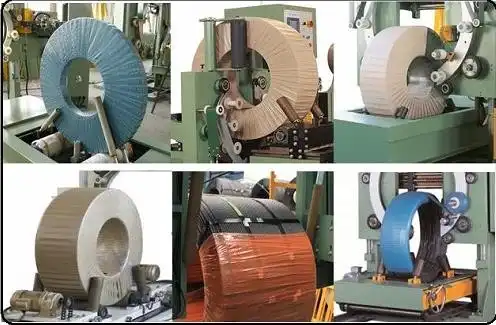
To fully leverage the advantages of automated coil packing, it's essential to consider the entire production line and how the new equipment will interact with existing systems. Let's explore the key aspects of workflow integration to ensure a smooth and efficient operation.
Enhancing Workflow Efficiency Through Strategic Integration
Integrating a coil packing machine is not simply about adding a new piece of equipment; it's about optimizing the entire production process. Strategic integration involves analyzing your current workflow, identifying bottlenecks, and positioning the machine to maximize efficiency and minimize disruptions. A well-integrated machine becomes a seamless part of your production line, enhancing flow and reducing manual intervention.
Consider these aspects of workflow integration:
- Process Analysis: Begin by mapping your current steel coil production workflow. Identify the stages from coil production to storage or shipping, and pinpoint areas where packaging can be integrated.
- Strategic Placement: Determine the optimal location for the coil packing machine within your workflow. Ideally, it should be placed close to the coil production line to minimize material handling and transportation distances.
- Upstream and Downstream Integration: Consider how the machine will interact with upstream equipment (e.g., coilers, processing lines) and downstream processes (e.g., storage, warehousing, shipping). Ensure seamless material flow between these stages.
- Conveyor Systems: Integrate conveyor systems to automatically transport coils to and from the packing machine. Conveyors reduce manual handling, speed up material flow, and improve safety.
- Synchronization with Production Line: Synchronize the packing machine's operation with the overall production line speed. This ensures a balanced flow and prevents bottlenecks in the packaging process.
- Data Integration: Explore opportunities to integrate the packing machine's control system with your plant's overall management system. Data sharing can provide valuable insights into production efficiency, packaging performance, and maintenance needs.
By strategically integrating the coil packing machine, you can transform your production workflow from a series of disjointed steps into a cohesive and efficient operation. This integration not only enhances packaging efficiency but also contributes to overall plant productivity and reduced operational costs.
What Are the Cost and Maintenance Aspects of Coil Packing Machines?
Investing in steel coil packing equipment is a significant capital expenditure. To make a sound financial decision, it’s essential to understand not only the initial purchase price but also the long-term costs associated with operation and maintenance. A comprehensive cost analysis and a proactive maintenance strategy are crucial for maximizing the return on your investment and ensuring the equipment's longevity.
The costs associated with coil packing machines extend beyond the initial purchase price. Consider the total cost of ownership, including initial investment, operating expenses (energy, materials), and ongoing maintenance. While automated systems may have higher upfront costs, they often offer long-term savings through reduced labor, increased efficiency, and lower material waste. A strategic approach balances initial investment with long-term operational benefits and maintenance requirements.

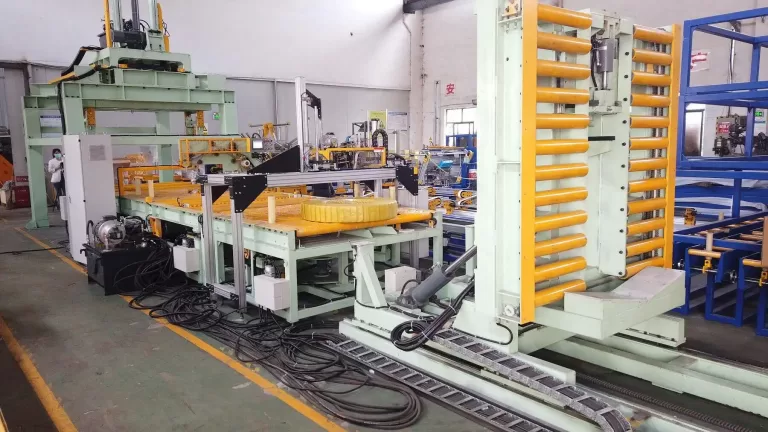
Balancing cost with operational needs requires a detailed analysis of various cost factors and a well-defined maintenance plan. Let's delve deeper into the financial and maintenance aspects of coil packing machines to help you make informed decisions.
Balancing Costs and Ensuring Long-Term Value
Choosing the right coil packing machine involves a careful evaluation of both upfront and ongoing costs. A machine with a lower initial price tag might not always be the most cost-effective option in the long run if it incurs higher operating expenses or requires frequent maintenance. A holistic approach to cost analysis considers the entire lifecycle of the equipment, from purchase to operation and maintenance.
Consider these cost and maintenance aspects:
Initial Investment Costs
- Machine Purchase Price: This is the most obvious upfront cost. Prices vary significantly depending on the machine type, automation level, features, and brand.
- Installation Costs: Factor in the costs of machine installation, including site preparation, electrical work, pneumatic connections, and mechanical integration.
- Training Costs: Include the costs of training your operators and maintenance personnel on the new equipment. Proper training is essential for efficient operation and maintenance.
- Customization Costs: If you require customized features or modifications, these will add to the initial investment.
Operating Costs
- Energy Consumption: Coil packing machines consume electricity or pneumatic power. Assess the machine's energy efficiency and estimate annual energy costs based on your operating hours.
- Packaging Material Costs: Packaging materials (wrapping film, paper, straps, etc.) are a recurring expense. Optimize material usage and explore cost-effective packaging options.
- Labor Costs: Automation can significantly reduce labor costs associated with packaging. Compare labor requirements for different levels of automation.
- Consumables and Spare Parts: Budget for consumables such as wear parts, lubricants, and filters. Establish a spare parts inventory to minimize downtime.
Maintenance Costs
- Preventive Maintenance: Regular preventive maintenance is crucial for extending machine lifespan and preventing breakdowns. Factor in the costs of scheduled maintenance, including labor and parts.
- Corrective Maintenance: Unplanned breakdowns can lead to costly downtime and repairs. Choose reliable machines and establish a responsive maintenance program to minimize corrective maintenance costs.
- Maintenance Contracts: Consider maintenance contracts with the machine manufacturer or a third-party service provider. These contracts can provide predictable maintenance costs and guaranteed service levels.
- Downtime Costs: Machine downtime can disrupt production and lead to significant financial losses. Choose reliable machines and implement a robust maintenance program to minimize downtime costs.
Total Cost of Ownership (TCO) Analysis
To make an informed decision, conduct a Total Cost of Ownership (TCO) analysis. TCO considers all costs associated with the machine over its expected lifespan, including:
| Cost Factor | Impact on Choice | Long-Term Considerations |
|---|---|---|
| Initial Investment | Significant upfront cost | Depreciable asset, impacts initial budget |
| Operational Costs | Recurring expenses (energy, materials, labor) | Affects profit margins, consider efficiency improvements |
| Maintenance Expenses | Variable costs (preventive, corrective, spares) | Influences downtime, longevity, and operational reliability |
| Downtime Costs | Potential losses due to production interruptions | Emphasize reliability and effective maintenance |
| Lifespan & ROI | Machine lifespan and return on investment | Evaluate long-term value and cost-effectiveness |
By carefully analyzing these cost factors and conducting a TCO analysis, you can make a strategic investment in a coil packing machine that not only meets your operational needs but also provides long-term cost savings and maximizes your return on investment. A proactive maintenance strategy further ensures the longevity and reliability of your equipment, minimizing downtime and keeping your steel plant operating efficiently.
Automation Levels and Machine Types
The market offers a variety of steel coil packing machines, each with different levels of automation and capabilities. Understanding the different types of machines available and their respective automation levels is essential for selecting the equipment that best aligns with your production volume, budget, and operational requirements. From basic manual machines to fully automated lines, the choices are diverse and cater to a wide range of needs.

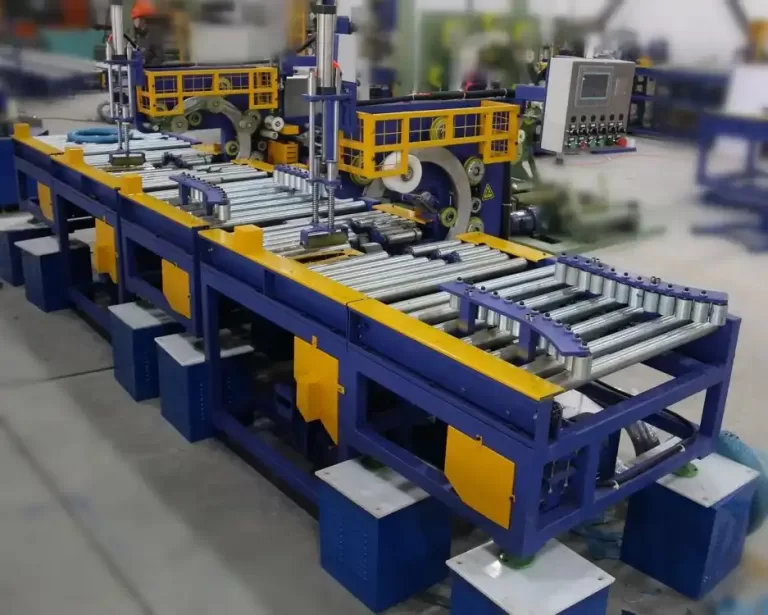
Steel coil packing machines range from manual, semi-automatic, to fully automatic systems. Manual machines are cost-effective for low volumes but labor-intensive. Semi-automatic options balance automation and manual input, suitable for medium volumes. Fully automatic lines offer maximum efficiency and minimal labor for high-volume production, automating the entire packaging process from coil feeding to discharge.
Choosing the right automation level and machine type is a critical decision that impacts your operational efficiency, labor costs, and overall productivity. Let's explore the different types of coil packing machines and their respective levels of automation to help you make the best choice for your steel plant.
Machine Types and Automation Levels:
-
Manual Coil Wrapping Machines: These are the most basic and cost-effective option, ideal for very low-volume production or small workshops. They require significant manual labor for coil handling, wrapping, and securing. Operators manually load coils onto a turntable, apply wrapping material, and secure the package.
- Automation Level: Low
- Output: 10-15 coils/hour (approximate)
- Labor Needs: 2-3 operators
- Best For: Small workshops, very low production volumes
- Price Range: \$5,000 - \$15,000 (approximate)
-
Semi-Automatic Coil Wrapping Machines: These machines automate the wrapping process while still requiring manual loading and unloading of coils. Operators place coils onto the machine, initiate the wrapping cycle, and remove the wrapped coils. Tension control and wrapping patterns are typically automated, improving consistency and efficiency compared to manual wrapping.
- Automation Level: Medium
- Output: 20-35 coils/hour (approximate)
- Labor Needs: 1 operator
- Best For: Mid-scale plants, medium production volumes
- Price Range: \$20,000 - \$50,000 (approximate)
-
Fully Automatic Coil Packing Lines: These systems represent the highest level of automation, designed for high-volume factories seeking maximum efficiency and minimal labor costs. Fully automatic lines automate the entire coil packing process, from coil feeding and centering to wrapping, strapping, labeling, and discharge. They often integrate with upstream and downstream conveyor systems for seamless material flow.
- Automation Level: High
- Output: 40-80+ coils/hour (approximate)
- Labor Needs: Unmanned operation (minimal supervision)
- Best For: High-volume factories, continuous production
- Price Range: \$60,000 - \$200,000+ (approximate)
| Feature | Manual Coil Wrapping Machine | Semi-Automatic Coil Wrapping Machine | Fully Automatic Coil Packing Line |
|---|---|---|---|
| Price | \$5,000–\$15,000 | \$20,000–\$50,000 | \$60,000–\$200,000+ |
| Output (coils/hour) | 10–15 | 20–35 | 40–80+ |
| Labor Needs | 2–3 operators | 1 operator | Unmanned |
| Best For | Small workshops | Mid-scale plants | High-volume factories |
| Automation Level | Low | Medium | High |
| Operational Complexity | Simple | Moderate | Complex |
| Maintenance Requirements | Low | Moderate | High |
| Space Requirements | Minimal | Moderate | Significant |
Choosing the appropriate automation level and machine type depends on a careful assessment of your production needs, budget constraints, and long-term operational goals. Consider your current and future production volumes, labor costs, desired efficiency levels, and available budget when making your decision. For high-volume operations seeking maximum efficiency and minimal labor, fully automatic coil packing lines offer the best solution. For mid-scale plants, semi-automatic machines provide a balance of automation and cost-effectiveness. Manual machines remain a viable option for very low-volume or specialized applications.
Conclusion
Selecting the right steel coil packaging equipment is a critical investment that significantly impacts your operational efficiency, product protection, and bottom line. By carefully considering key features like versatility, durability, automation, safety, and maintainability, and by strategically evaluating integration, costs, and automation levels, you can make an informed decision that aligns with your specific needs and long-term goals. Prioritizing a thorough analysis and strategic investment in coil packing automation will pave the way for enhanced productivity, reduced operational costs, and a stronger, more competitive steel plant.