

Environmental Responsibility in Steel Coil Packaging
Are you aware that the packaging of steel coils, vital for industries worldwide, significantly impacts our environment? Traditional methods often lead to excessive waste and energy consumption. It's time to rethink and act responsibly. Sustainable steel coil packaging is not just an option, but a necessity for a greener future and enhanced operational efficiency.
Environmental responsibility in steel coil packaging involves adopting sustainable practices throughout the packaging lifecycle, from material selection and efficient wrapping processes to ensuring recyclability and minimizing waste. This approach reduces environmental impact, lowers costs, and enhances brand reputation in an increasingly eco-conscious market.
Transitioning to environmentally responsible steel coil packaging is not just an ethical choice, but a smart business decision. Read on to discover how innovative solutions and mindful practices can redefine your steel coil packaging strategy for a sustainable and profitable future.
Material Selection for Ring-Type Wrapping Solutions
Steel coil packaging faces a critical decision right from the start: material selection. The wrong choice can compromise protection and sustainability. But with informed decisions, material selection can become a cornerstone of environmental responsibility and efficiency.
Polyethylene and polypropylene are ideal materials for eco-friendly ring-type wrapping of steel coils due to their recyclability, durability, and moisture resistance. Choosing between them depends on specific needs: polyethylene offers superior flexibility and tear resistance, while polypropylene provides enhanced rigidity and cost-effectiveness, both contributing to reduced environmental impact compared to traditional packaging methods.
%[alt with keywords]

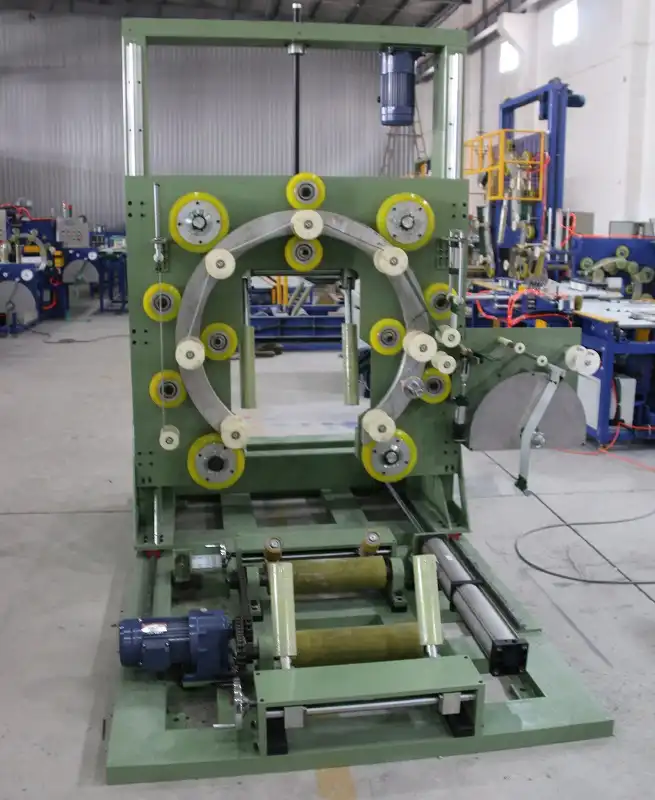
Dive Deeper into Eco-Conscious Material Choices
Selecting the right material for ring-type wrapping is more than just a technical specification; it's an environmental commitment. Let's delve deeper into the properties, environmental considerations, and economic factors that influence this crucial decision.
Decoding Material Properties for Steel Coil Protection
The effectiveness of ring-type wrapping hinges on the material's ability to withstand the rigors of handling and transportation while minimizing environmental impact. Polyethylene (PE) and Polypropylene (PP) stand out as leading contenders, each with unique advantages:
- Polyethylene (PE): The Flexible Fortress
- High Tear Resistance: PE's inherent strength resists punctures and tears, crucial for protecting heavy steel coils with sharp edges.
- Excellent Flexibility: Its flexibility allows for tight, conforming wraps, ensuring secure containment and minimizing material usage.
- Superior Moisture Barrier: PE excels in repelling moisture, safeguarding steel coils from rust and corrosion, especially in humid or outdoor storage conditions.
- Polypropylene (PP): The Rigid Guardian
- Enhanced Rigidity: PP offers a stiffer wrap compared to PE, providing robust structural support and impact resistance.
- Good Chemical Resistance: PP is resistant to a wide range of chemicals, offering an added layer of protection against potential contaminants.
- Cost-Effective: Generally, PP is more economical than PE, making it an attractive option for budget-conscious operations without significantly compromising protection.
Choosing between PE and PP requires a careful assessment of the specific steel coil type, transportation conditions, and storage environment. For coils exposed to harsh weather or requiring maximum tear resistance, PE is often the preferred choice. For less demanding applications where rigidity and cost are primary concerns, PP offers a viable and sustainable alternative.
Environmental Footprint and Recyclability: A Comparative Look
In today's eco-conscious world, the environmental impact of packaging materials is paramount. Both PE and PP offer significant advantages over traditional, less sustainable options:
- Recyclability: Both PE and PP are thermoplastic polymers, meaning they can be melted down and recycled into new products. This recyclability is crucial for reducing landfill waste and promoting a circular economy.
- Lower Carbon Footprint: Compared to materials like PVC or multi-layer laminates, PE and PP production generally involves lower energy consumption and greenhouse gas emissions.
- Resource Efficiency: Lightweight nature of PE and PP reduces material usage per coil, contributing to resource conservation and lower transportation fuel consumption.
However, the actual environmental benefit hinges on effective recycling infrastructure and practices. The following table summarizes a comparative environmental perspective:
| Feature | Polyethylene (PE) | Polypropylene (PP) |
|---|---|---|
| Recyclability | Highly Recyclable (Type 2 & 4) | Highly Recyclable (Type 5) |
| Carbon Footprint | Lower | Lower |
| Resource Use | Efficient | Efficient |
| Biodegradability | Non-Biodegradable | Non-Biodegradable |
| Recycling Rate | Varies by region | Varies by region |
While neither material is biodegradable, their recyclability and lower environmental impact during production make them significantly more responsible choices than many alternatives. Optimizing collection and recycling processes for PE and PP packaging is essential to maximize their environmental benefits.
Economic Considerations: Balancing Cost and Sustainability
While sustainability is a driving force, economic viability remains a critical factor in material selection. PE and PP offer a compelling balance:
- Cost-Effectiveness: PP is generally more affordable than PE, offering cost savings without drastic compromises in performance for many applications. PE, while slightly more expensive, provides enhanced performance where needed, justifying the investment in demanding scenarios.
- Reduced Material Usage: Ring-type wrapping, especially with optimized tension control (discussed later), minimizes material consumption regardless of whether PE or PP is used, leading to direct cost savings.
- Waste Reduction and Potential Revenue: Switching to recyclable PE or PP packaging reduces waste disposal costs and potentially generates revenue through the sale of recyclable materials.
The initial material cost is just one piece of the puzzle. A holistic cost analysis should consider material efficiency, waste reduction, potential recycling revenue, and the long-term brand benefits of embracing sustainable packaging. In many cases, the slightly higher upfront cost of PE might be offset by its superior performance and reduced risk of product damage, while PP offers an excellent balance of cost and sustainability for a wide range of applications.
By carefully considering material properties, environmental impact, and economic factors, manufacturers can make informed decisions that not only optimize steel coil protection but also contribute to a more sustainable and responsible packaging ecosystem. Moving beyond traditional, less eco-friendly materials to recyclable polymers like PE and PP is a significant step towards environmental stewardship in steel coil packaging.
Tension Control for Optimal Ring-Type Wrapping
Achieving the perfect wrap is not just about the material; it's about the tension. Too loose, and coils are vulnerable; too tight, and material is wasted and coils might be damaged. Precision tension control is the key to efficient and responsible steel coil packaging.
Proper tension control in ring-type wrapping ensures optimal steel coil protection, minimizes material waste, and enhances packaging efficiency. Techniques like regular machine calibration, consistent material quality, and real-time adjustments using sensors are crucial for achieving the ideal tension, preventing both under-wrapping and over-wrapping, thus contributing to both cost savings and environmental responsibility.
%[keywords]

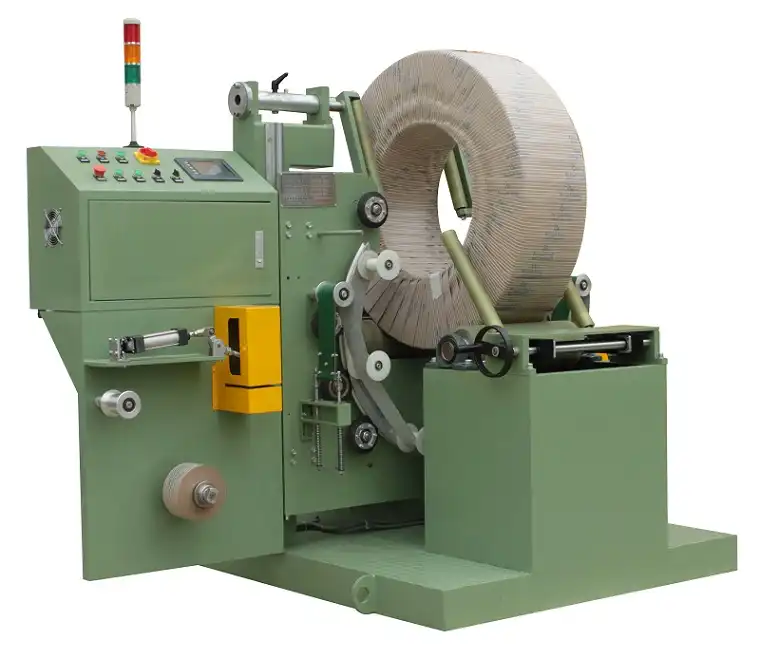
The Art and Science of Tension Management in Coil Wrapping
Tension control in ring-type wrapping is a delicate balance between art and science. It's not merely about tightening the wrapping material; it's about applying the precise amount of force needed to secure the coil effectively without causing damage or wasting resources. Let's explore the critical aspects of tension management that contribute to both packaging efficiency and environmental responsibility.
The Pitfalls of Improper Tension: Under-Wrapping vs. Over-Wrapping
Improper tension control leads to two primary problems, each with its own set of negative consequences:
- Under-Wrapping: Compromised Protection and Safety Risks
- Inadequate Security: Insufficient tension results in loose wraps that fail to adequately secure the steel coil.
- Increased Damage Susceptibility: Under-wrapped coils are more vulnerable to shifting, unwrapping, and damage during handling and transportation, leading to product loss and customer dissatisfaction.
- Safety Hazards: Loose wraps can create safety hazards during handling, potentially leading to accidents and injuries for workers.
- Over-Wrapping: Material Waste and Potential Coil Damage
- Excessive Material Consumption: Over-tensioning leads to unnecessary layers of wrapping material, increasing material costs and waste.
- Coil Deformation: Excessive pressure from over-tight wrapping can deform delicate steel coils, especially thinner gauges, compromising product quality.
- Increased Energy Consumption: Machines working harder to apply excessive tension consume more energy, increasing operational costs and environmental impact.
Both under-wrapping and over-wrapping represent inefficiencies and potential risks. The goal of effective tension control is to find the "sweet spot" – the optimal tension that provides secure protection without material wastage or product damage.
Techniques for Achieving Precision Tension Control
Achieving precise tension control requires a multi-faceted approach encompassing machine calibration, material consistency, and advanced technological solutions:
- Machine Calibration and Maintenance: The Foundation of Precision
- Regular Calibration: Wrapping machines, especially their tensioning mechanisms, must be calibrated regularly to ensure accurate and consistent tension application.
- Preventive Maintenance: Routine maintenance, including inspection and replacement of worn components, is crucial for maintaining machine accuracy and preventing tension control drift over time.
- Sensor Checks: If the machine uses sensors for tension feedback, these sensors themselves need periodic checks and calibration to guarantee reliable readings.
- Material Consistency: Ensuring Predictable Performance
- Quality Material Sourcing: Using wrapping materials from reputable suppliers ensures consistent thickness, strength, and elasticity, all of which directly impact tension control.
- Batch Testing: Implementing batch testing of incoming wrapping material can identify any variations in material properties that might affect tensioning performance, allowing for adjustments in machine settings.
- Environmental Considerations: Temperature and humidity can affect material properties. Maintaining a stable environment in the wrapping area can contribute to more consistent tension control.
- Real-Time Adjustment and Feedback Systems: The Technological Edge
- Tension Sensors: Advanced wrapping machines incorporate tension sensors that continuously monitor the wrapping material tension during the process.
- Closed-Loop Control Systems: These systems use feedback from tension sensors to automatically adjust the machine's tensioning mechanism in real-time, maintaining the desired tension level despite variations in coil size or material properties.
- Programmable Logic Controllers (PLCs): PLCs allow for pre-programming tension profiles based on coil specifications, ensuring optimal tension for different coil types and sizes.
The following table summarizes the key tension control techniques and their benefits:
| Technique | Description | Benefits |
|---|---|---|
| Machine Calibration & Maintenance | Regular checks and upkeep of wrapping machines | Ensures accuracy, prevents drift, reduces downtime, extends machine life |
| Material Consistency | Using high-quality, uniform wrapping materials | Predictable tension behavior, consistent wrapping, minimizes adjustments |
| Real-Time Adjustment Systems | Sensors and feedback loops for dynamic control | Adapts to variations, optimizes tension, minimizes waste, enhances safety |
Implementing these tension control techniques not only optimizes packaging performance but also contributes significantly to environmental responsibility. By minimizing material waste, reducing product damage, and ensuring efficient operation, precise tension control is a win-win for both the bottom line and the environment. Investing in advanced tension control systems and rigorous maintenance practices is a key step towards sustainable and efficient steel coil packaging.
Transportation Safety Measures for Steel Coils
Even the most robust packaging is only effective if transportation safety is prioritized. Steel coils, heavy and potentially hazardous, demand stringent safety measures during transit to prevent accidents, damage, and environmental risks.
Transportation safety measures for steel coils are crucial for preventing accidents, minimizing damage, and ensuring regulatory compliance. Key measures include using appropriate coil handling equipment, implementing robust load securing techniques with straps and padding, and providing comprehensive staff training on safety protocols and emergency procedures. These measures not only safeguard personnel and cargo but also contribute to environmental protection by preventing spillage and loss.
%[keywords]

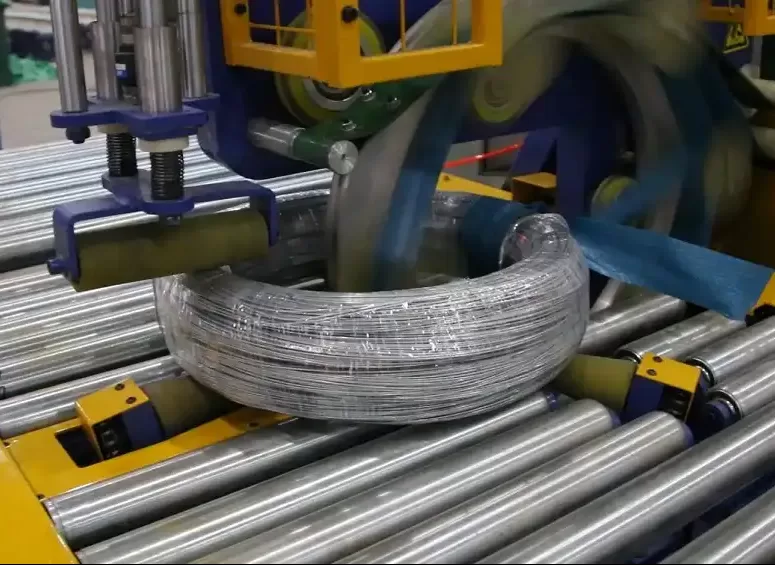
Ensuring Safe Transit: A Holistic Approach to Steel Coil Transportation
Transporting steel coils safely is a complex undertaking that requires a holistic approach encompassing equipment, procedures, and personnel training. It's not just about getting the coils from point A to point B; it's about doing so responsibly, minimizing risks, and protecting both people and the environment. Let's examine the essential safety measures for steel coil transportation.
Equipment and Infrastructure: The First Line of Defense
Using the right equipment and maintaining appropriate infrastructure are fundamental to safe steel coil transportation:
- Specialized Coil Handling Equipment:
- Coil Clamps and Lifters: Forklifts and cranes equipped with specialized coil clamps and lifters are essential for safely and efficiently loading, unloading, and moving steel coils. These attachments are designed to grip coils securely without damaging them.
- C-Hooks: C-hooks provide another method for lifting and handling coils, particularly for larger and heavier coils, offering stability and control.
- Vacuum Lifters: Vacuum lifters offer a non-marring and efficient way to handle coils, especially those with sensitive surfaces.
- Appropriate Transport Vehicles:
- Flatbed Trucks and Trailers: Flatbed trailers are the most common and versatile for transporting steel coils, allowing for easy loading and unloading and providing a stable platform for securing coils.
- Coil Trailers: Specialized coil trailers feature a recessed "well" in the center of the trailer bed designed to cradle coils and provide added stability during transit.
- Rail Cars: For long-distance transportation, rail cars equipped for coil transport offer a cost-effective and often more environmentally friendly alternative to trucking.
- Secure Loading and Unloading Zones:
- Level and Stable Surfaces: Loading and unloading areas must be level and stable to prevent equipment from tipping or coils from rolling.
- Adequate Lighting: Well-lit areas are crucial for safe operations, especially during nighttime loading and unloading.
- Designated Traffic Flow: Clearly marked traffic lanes and pedestrian walkways minimize the risk of collisions between equipment and personnel.
Load Securing Techniques: Keeping Coils in Place
Proper load securing is paramount to prevent coils from shifting, rolling, or falling during transportation. Inadequate securing is a major cause of accidents and damage:
- Steel Strapping and Banding: High-strength steel straps and bands are used to tightly secure coils to the transport vehicle. Proper tensioning and placement of straps are critical.
- Chains and Binders: Heavy-duty chains and binders provide robust restraint, especially for very heavy coils. Regular inspection of chains for wear and tear is essential.
- Edge Protectors and Dunnage:
- Edge Protectors: Placed under straps and chains, edge protectors prevent the straps from cutting into the coil edges and distribute pressure evenly.
- Dunnage: Wooden or rubber dunnage is used to block and brace coils, preventing them from rolling or shifting.
- Anti-Slip Mats: Placing anti-slip mats between the coil and the trailer bed increases friction and reduces the likelihood of coils sliding.
- Load Distribution: Properly distributing the weight of the coils across the trailer axles is crucial for vehicle stability and preventing overloading.
Staff Training and Procedures: Human Element of Safety
Even with the best equipment and techniques, human error can lead to accidents. Comprehensive staff training and adherence to safety procedures are essential:
- Equipment Operation Training: Operators of forklifts, cranes, and other coil handling equipment must be thoroughly trained and certified in safe operating procedures.
- Load Securing Training: Personnel responsible for securing loads must be trained in proper strapping, chaining, and dunnage techniques.
- Emergency Procedures Training: All personnel involved in coil transportation should be trained in emergency procedures, including spill response, accident reporting, and first aid.
- Regular Safety Audits and Drills: Conducting regular safety audits and drills helps identify potential hazards and reinforces safe work practices.
- Personal Protective Equipment (PPE): Ensuring that all personnel wear appropriate PPE, such as hard hats, safety shoes, and gloves, is mandatory.
The following table summarizes key transportation safety measures:
| Safety Measure | Description | Impact |
|---|---|---|
| Specialized Equipment | Using coil clamps, C-hooks, coil trailers, and rail cars | Safe and efficient handling, reduced damage risk, optimized transport |
| Load Securing Techniques | Strapping, chaining, edge protectors, dunnage, anti-slip mats | Prevents load shifting, rolling, and falling, ensures cargo integrity |
| Staff Training & Procedures | Training on equipment, load securing, emergency protocols | Reduces human error, promotes safe practices, ensures regulatory compliance |
Prioritizing transportation safety for steel coils is not just a matter of regulatory compliance or preventing financial losses from damage. It is a fundamental ethical responsibility to protect the safety of workers, the public, and the environment. Investing in proper equipment, rigorous load securing, and comprehensive training is a testament to a company's commitment to safety and responsible operations.
Redefining Productivity and Sustainability with Automated Packaging
The future of steel coil packaging lies in automation. By integrating smart technologies, we can break the traditional trade-off between productivity and sustainability, achieving both efficiency gains and environmental responsibility.
%[keywords]

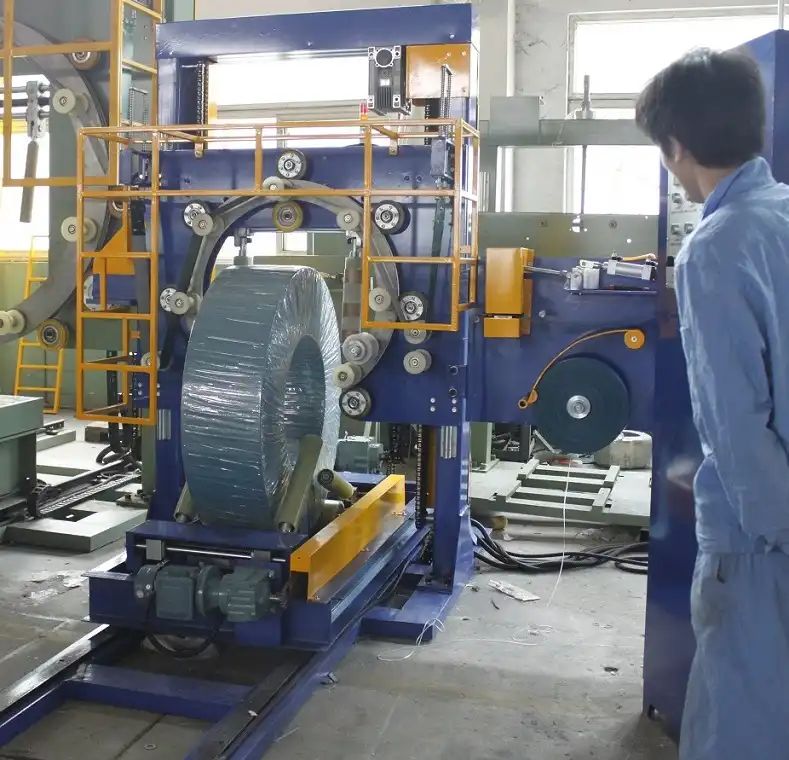
Automated steel coil packaging systems revolutionize the industry by simultaneously enhancing productivity and sustainability. By using precision wrapping, optimizing material usage, and reducing energy consumption, automation minimizes waste, lowers emissions, and increases throughput. This synergy between efficiency and environmental consciousness makes automated packaging a cornerstone of responsible and profitable steel coil operations.
The Dawn of Automated Steel Coil Packaging: A Paradigm Shift
For too long, improving productivity in manufacturing often came at the expense of environmental sustainability. Faster processes meant more energy consumption, increased waste, and a larger carbon footprint. However, automated steel coil packaging is changing this narrative, demonstrating that productivity and sustainability can be mutually reinforcing goals. Let's explore how automation is redefining the landscape of steel coil packaging.
Automated systems are not just about speeding up the wrapping process; they are about fundamentally rethinking and optimizing every aspect of packaging, from material application to energy usage. Here are the key ways automation drives both productivity and sustainability:
- Precision Wrapping and Material Optimization:
- Sensor-Driven Material Application: Automated systems use sensors to precisely measure coil dimensions and apply the exact amount of wrapping material needed, eliminating over-wrapping and material waste.
- Consistent and Uniform Wraps: Automation ensures consistent and uniform wrapping quality, reducing the need for rework due to improperly packaged coils.
- Material Savings: By minimizing material waste, automation directly reduces packaging costs and the environmental impact associated with material production and disposal.
- Energy Efficiency and Reduced Emissions:
- Optimized Machine Operation: Automated systems can be programmed to operate at optimal energy efficiency levels, reducing power consumption compared to manual or semi-automated processes.
- Reduced Downtime and Wasteful Cycles: Automation minimizes downtime and process interruptions, reducing energy waste from machine idling and restarts.
- Lower Carbon Footprint: Reduced energy consumption and material waste translate directly into a lower carbon footprint for the packaging process.
- Increased Throughput and Productivity Gains:
- Faster Wrapping Speeds: Automated systems operate at significantly faster speeds than manual wrapping, dramatically increasing throughput.
- Continuous Operation: Automation allows for continuous operation with minimal human intervention, maximizing uptime and productivity.
- Reduced Labor Costs: Automation reduces reliance on manual labor for packaging, lowering labor costs and freeing up personnel for other tasks.
The synergy between productivity and sustainability in automated steel coil packaging creates a powerful business case:
- Cost Savings: Reduced material consumption, lower energy bills, and decreased labor costs contribute to significant operational cost savings.
- Enhanced Environmental Performance: Minimized waste, reduced emissions, and resource efficiency enhance a company's environmental profile and contribute to sustainability goals.
- Improved Brand Reputation: Embracing sustainable practices and technologies enhances brand reputation and appeals to increasingly eco-conscious customers.
- Regulatory Compliance: Automated systems can help companies meet increasingly stringent environmental regulations and emissions standards.
The transformation to automated steel coil packaging represents a strategic shift from viewing sustainability as a cost center to recognizing it as a source of innovation, efficiency, and competitive advantage. By embracing automation, companies can not only enhance their bottom line but also contribute to a more environmentally responsible and sustainable future for the steel industry.
Conclusion
Embracing environmental responsibility in steel coil packaging is no longer optional—it's a strategic imperative. By adopting sustainable materials, optimizing wrapping processes, prioritizing transportation safety, and leveraging automation, the steel industry can significantly reduce its environmental footprint while enhancing operational efficiency and profitability. This commitment to sustainability not only benefits the planet but also strengthens businesses in an increasingly eco-conscious world, paving the way for a greener and more prosperous future.