
Maximizing Your Packaging Efficiency: Why You Need an Automatic Coil Packing Line
As a factory manager, you know the feeling. The production line is humming, orders are coming in, but everything grinds to a halt at the final stage. Your team is struggling to manually strap and wrap heavy steel coils. This bottleneck is costing you time, money, and safety. I've been there. In my early days on the factory floor, I saw firsthand how manual packing created chaos. It was inefficient, dangerous, and limited our growth. This pain point is what drove me to master packing machine design and eventually build my own solutions. If you're facing similar struggles in your metal processing plant, you're not alone. The solution lies in addressing this final, critical link in your production chain.
An automatic coil packing line is essential for maximizing packaging efficiency because it directly tackles the core bottlenecks of manual processes: speed, safety, and cost. By integrating automated strapping, wrapping, and handling, it eliminates slow, labor-intensive steps, drastically reduces workplace injury risks from heavy lifting, and minimizes product damage during transit. This investment transforms your packaging station from a costly constraint into a reliable, high-speed asset that protects your profit margins and accelerates your entire operation. (automated coil packaging system, benefits of automatic strapping line)
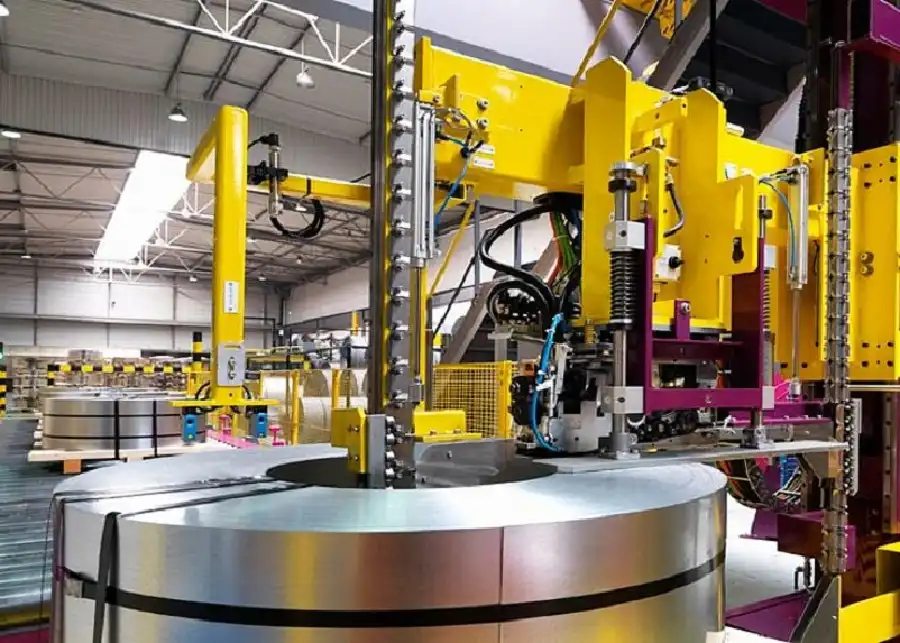
The decision to automate packaging isn't just about buying a machine. It's about re-engineering the end of your production line for resilience and growth. For managers like Michael in Mexico, who oversee demanding metal fabrication environments, this is a strategic move. Let's break down exactly why this investment is no longer a luxury, but a necessity for staying competitive and safeguarding your business's future.
1. How Does an Automatic Line Solve My Efficiency Bottleneck?
You watch the clock tick as workers manually position straps, wrestle with film, and slowly prepare a coil for shipment. This manual coil packing process creates a major production bottleneck. It limits your overall output, no matter how fast your upstream processes are. Every minute lost here delays delivery and frustrates customers. The problem is clear: human speed has a hard limit, especially with heavy, industrial products.
An automatic coil packing line solves the efficiency bottleneck by performing strapping, wrapping, and handling tasks at a consistent, high speed that far surpasses manual labor. It creates a continuous, synchronized flow at the end of your production line, ensuring that finished coils are packaged and ready for shipment as quickly as they are produced, eliminating the waiting time that cripples overall throughput. (increase packaging line speed, eliminate production bottleneck)

🚀 The Components of Speed: Breaking Down the Workflow
An automatic line isn't one machine; it's a coordinated system. Each component targets a specific slow point in your manual process.
- Automatic Coil Strapping Machine: This is the core. It applies steel or plastic straps with precise tension and consistency in seconds. A worker might take several minutes to position and tension a strap manually.
- Automatic Wrapping Machine (Stretch Hooder or Wrapper): This unit applies protective film or a hood seamlessly. It ensures even coverage and optimal material use, which is difficult to achieve by hand.
- Integrated Conveyance & Handling: Roller conveyors, lift-and-turn devices, and robotic arms move the coil between stations without manual intervention. This removes the slow, physical maneuvering of heavy loads.
📊 The Tangible Impact: From Bottleneck to Throughput
Let's look at the numbers. The difference isn't marginal; it's transformative.
| Packaging Method | Estimated Time per Coil | Crew Required | Coils Packed per 8-Hour Shift* |
|---|---|---|---|
| Fully Manual Process | 15-25 minutes | 3-4 workers | 20 - 32 coils |
| Semi-Automatic Station | 8-12 minutes | 2 workers | 40 - 60 coils |
| Fully Automatic Line | 3-5 minutes | 1 operator (monitoring) | 96 - 160 coils |
Based on average industry data for medium-to-large steel coils. Your results will vary based on coil size and line configuration.
The table shows a potential 5x increase in output. This means you can ship more product daily, fulfill larger orders faster, and improve your cash flow cycle. The line doesn't get tired, take breaks, or work at variable speeds. It provides a predictable, maximized packaging rate that finally matches your production capacity. For a plant manager, this reliability in the final stage is priceless. It turns packaging from a variable, unpredictable cost center into a fixed, efficient part of your process. (high-speed coil packaging, automated packaging throughput)
2. Can Automation Truly Improve Worker Safety in My Factory?
Safety reports show another incident: a strained back from lifting a strap tool, a crushed foot from a coil shifting, or a hand injury during manual film handling. These are not just personal tragedies; they are major business costs. High insurance premiums, lost productivity, employee turnover, and potential regulatory fines all stem from unsafe manual handling of heavy industrial goods. The risk is inherent when humans physically interact with multi-ton coils.
Yes, automation dramatically improves worker safety by removing personnel from the most hazardous tasks. An automatic packing line handles the heavy lifting, precise positioning, and high-tension strapping, confining workers to the role of supervisors and monitors from a safe control station. This fundamentally redesigns the work environment to prioritize human well-being over manual force. (improve factory safety, reduce packaging line injuries)

⚠️ Identifying and Eliminating High-Risk Tasks
An automatic system addresses specific dangers point-by-point:
- Eliminates Heavy Manual Handling: No more workers using pry bars or their body weight to nudge a coil into position. Motorized rollers and turntables do this work.
- Removes Repetitive Stress Injuries: The constant bending, pulling, and cutting involved in manual strapping are gone. Machines perform these motions.
- Contains High-Energy Processes: Tensioning a steel strap manually is dangerous. If it fails, it can whip back with tremendous force. Automatic machines contain this energy within a guarded cell.
- Prevents "Caught-in" Hazards: Automated systems have safety light curtains and interlocks. If someone enters a danger zone, the machine stops instantly.
🛡️ Building a Culture of Safety Through Design
Investing in an automatic line sends a powerful message to your team: their safety is a top priority. It's a proactive engineering control, which is always more effective than reactive procedures like training or PPE alone.
- From Reaction to Prevention: Instead of reacting to injuries, you prevent them at the source by changing the physical process.
- Operator Role Evolution: Your staff transitions from laborers to skilled machine operators and technicians. This can boost morale and retention.
- Compliance and Reputation: A safer factory is easier to audit and builds a stronger reputation with clients and the community.
The return on investment isn't just in reduced insurance costs. It's in having a healthy, stable, and experienced workforce. For a manager, peace of mind is a valuable asset. Knowing your team can go home unharmed every day is a benefit that transcends pure financial calculation. (safe material handling solutions, automated packaging hazard reduction)
3. What is the Real ROI of an Automatic Coil Packing Line?
The price tag on a new automatic coil packing line can give any manager pause. It's a significant capital investment. The critical question isn't just "What does it cost?" but "What does it save and earn?" A manual process has many hidden costs that quietly eat into your profits. You need to look beyond the initial purchase price to see the full financial picture.
The real Return on Investment (ROI) for an automatic coil packing line comes from the significant reduction in three major cost areas: labor expenses, product damage/waste, and operational downtime. By quantifying these savings against the equipment cost, most facilities see a payback period of 1 to 3 years, followed by years of substantially higher profit per shipped coil. (ROI of packaging automation, cost savings automatic packing)

💰 Calculating Your Savings: A Practical Framework
Let's build a simple model. You need to add up your current costs and subtract the new, lower costs with automation.
A. Labor Cost Reduction
This is often the most immediate saving.
- Before: 3 workers per shift, 2 shifts/day = 6 FTE (Full-Time Equivalents) dedicated to packing.
- After: 1 operator per shift to monitor the line = 2 FTE.
- Savings: 4 FTE. Multiply this by the fully loaded cost (salary, benefits, insurance) of each worker. This alone can be a massive annual saving.
B. Product Damage & Material Waste Elimination
Manual handling causes dents, edge damage, and loose straps that fail in transit. Automatic systems provide consistent, correct tension and protection every time.
- Cost Avoided: Fewer customer rejections, credit notes, and replacement shipments.
- Material Savings: Automatic strappers and wrappers use exactly the material needed, reducing overuse of expensive film and straps.
C. Downtime & Throughput Value
This is the opportunity cost. How much more product could you ship if packaging wasn't the bottleneck?
- Value Gained: If the automatic line lets you ship 30 more coils per week, multiply that by your profit margin per coil. This is new, incremental revenue enabled by the equipment.
📈 Making the Business Case: It's an Investment, Not an Expense
Think of it as investing in a profit-generating asset, not just spending on a tool. A reliable partner like Fengding or Wuxi Buhui can provide not just the machine, but also help you model this ROI based on your specific production data. They understand that your success is their success. The key is to move from seeing it as a maintenance cost center to viewing it as a strategic investment in capacity, quality, and market responsiveness. For a plant manager under pressure to control costs, this shift in perspective is crucial. The line pays for itself by making your entire operation leaner and more competitive. (packaging equipment investment analysis, reduce packaging labor cost)
4. How Do I Choose the Right Partner, Not Just a Machine Supplier?
You've been burned before. A supplier delivered a machine, collected payment, and then support vanished when you had a critical issue. For a mission-critical system like an automatic packing line, this is a nightmare. The machine is important, but the partnership is everything. You're not just buying hardware; you're buying expertise, reliability, and a long-term commitment to your production success.
Choosing the right partner means selecting a supplier with deep, proven experience in your specific industry (like metal processing), who offers comprehensive after-sales support, custom engineering for your unique needs, and treats your operational challenges as their own. Look for a partner who acts as a consultant, not just a vendor. (choose packaging machine partner, reliable coil equipment supplier)
🔍 The Partner Checklist: What to Look For
Don't just look at brochures. Ask these questions:
✅ Industry-Specific Knowledge: Do they have case studies or references from steel, wire, or metal service centers? Do they understand the challenges of handling 20-ton coils?
✅ Engineering & Customization Capability: Can they adapt their standard machine to fit your existing floor layout, coil sizes, and special requirements (like applying corner protectors)?
✅ After-Sales Service Structure: What is their response time for spare parts? Do they offer remote diagnostics? Do they have trained technicians available for on-site service?
✅ Transparency in Communication: Are they clear about machine capabilities and limitations? Do they provide detailed documentation and training?
🤝 Why Experience Like Randal's Matters
This is where my personal journey is relevant. Having worked on the factory floor, managed a plant, and now built machines, I understand the pressure from both sides. A good partner understands that your downtime is lost money. They design for reliability and ease of maintenance. They provide training so your team feels confident. They answer the phone.
In the market, manufacturers like Fengding have built a strong reputation for robust, reliable lines for heavy industry. Companies like Wuxi Buhui are also known for their engineering solutions. The best choice for you will depend on your specific technical requirements, budget, and desired level of partnership support. The goal is to find a supplier who sees your long-term productivity as the ultimate measure of their success. This transforms a transactional purchase into a strategic alliance for growth. (packaging machinery technical support, industrial equipment supplier selection)
Conclusion
Investing in an automatic coil packing line is a strategic decision that directly boosts efficiency, safety, and profitability. It turns your greatest bottleneck into a competitive advantage. For a comprehensive solution tailored to the demanding needs of metal processing, explore the engineered reliability of a Steel Coil Packing Line.