
Maximize Floor Space with Compact Automatic Coil Packing Designs?
As a factory manager, you walk your production floor daily. You see the clutter. You see the expensive square meters taken up by bulky, outdated equipment and inefficient material flow. Every inch of unused or poorly used space is money leaking from your bottom line. The pressure to increase output without expanding your physical footprint is a constant battle, especially in metal processing where coils are heavy and space is at a premium. This is the reality for operations directors like Michael in Mexico, who face the dual challenge of boosting productivity while managing tight floor plans.
The most effective way to maximize floor space is by integrating compact, automated coil packing systems that are specifically designed with a small footprint, vertical integration, and streamlined material flow in mind. These systems replace sprawling manual stations and large, single-function machines with intelligent, multi-task cells that pack, strap, and handle coils within a minimal area, directly freeing up valuable real estate for core production activities or additional storage. (compact automatic coil packing machine, space-saving coil packaging line)
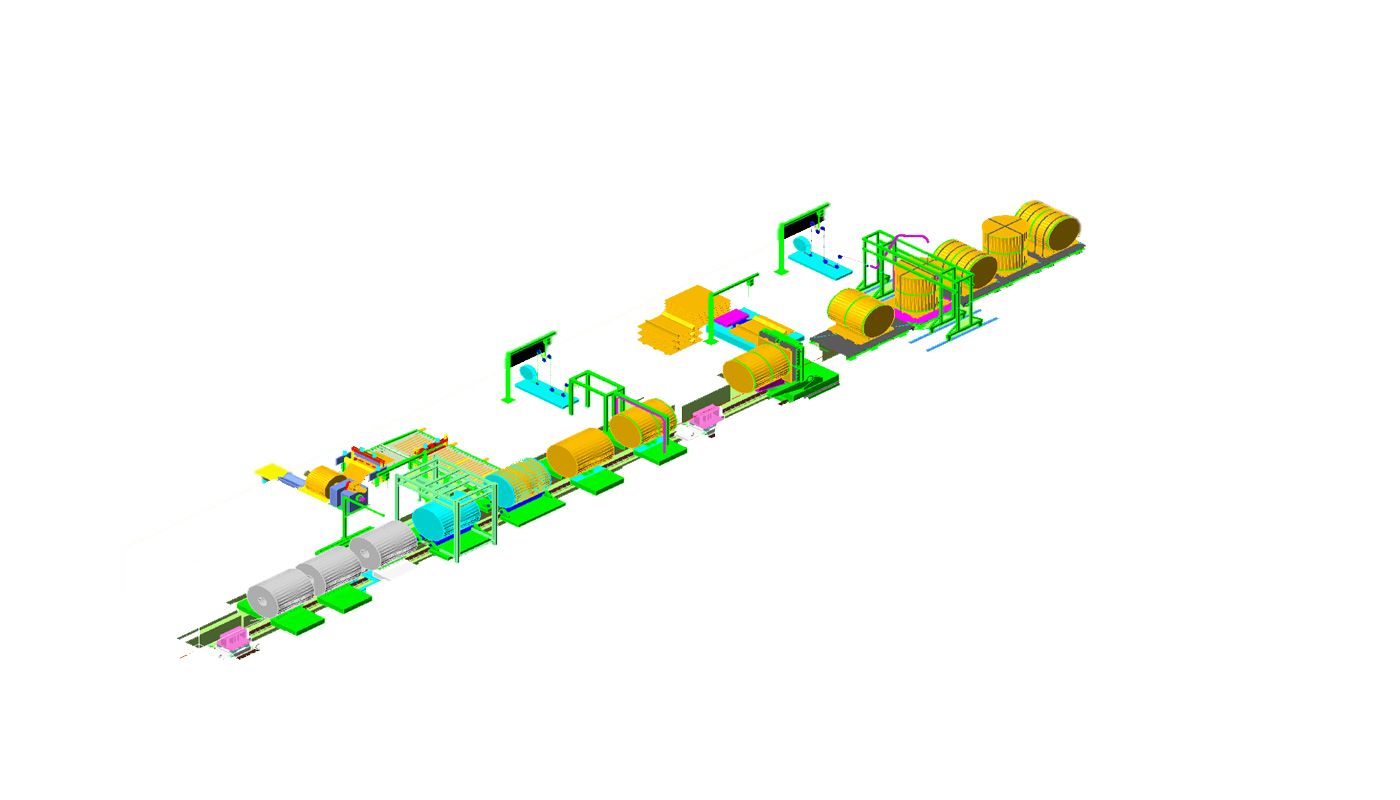
You know the problem: traditional packaging areas are often an afterthought, becoming a bottleneck that consumes disproportionate space. Let's move beyond just identifying the issue. The following sections will break down the precise strategies and technologies that allow you to reclaim your floor space, turning your packaging zone from a liability into a model of efficiency.
1. What Defines a "Compact" Design in Coil Packing Machinery?
When we talk about "compact" in heavy industry, it's not just about making a machine physically smaller. A truly compact design is an intelligent engineering philosophy. It focuses on maximizing function within a minimal footprint, often by rethinking the entire packaging process flow. For a manager like Michael, whose factory floor is a chessboard of expensive equipment, a compact machine means one that fits into an existing bottleneck without requiring costly facility expansion.
A "compact" coil packing design is characterized by three core principles: a minimized physical footprint through vertical integration and modular stacking, multi-functional operation that combines several packaging steps into one station, and intelligent layout planning that optimizes the inbound and outbound material flow to eliminate wasted movement and space. (small footprint coil strapper, integrated coil packaging unit)

🏗️ The Pillars of Space-Saving Design
To understand how to choose a compact system, let's look at its key components. These are the features you should prioritize when evaluating equipment for a space-constrained environment.
| Design Feature | What It Means | Space-Saving Impact |
|---|---|---|
| Vertical Integration | Stacking functions like strapping heads, conveyors, and control panels vertically instead of spreading them out horizontally. | Reduces the machine's floor plan area by utilizing overhead space, which is often underused. |
| Modular & Cell-Based | The system is built from standardized, connectable modules (strapping station, turntable, weighing) that can be arranged tightly. | Allows for a custom, dense layout that fits your exact floor shape, avoiding "dead" corners. |
| In-Line Flow Design | Coils enter and exit the system in a straight, continuous line without needing large turning radii or staging areas. | Minimizes the aisle space required for coil transport and queuing before/after packaging. |
| Multi-Task Function | One machine performs wrapping, strapping, and labeling instead of requiring three separate machines with gaps between them. | Eliminates the space buffers needed between individual machines, combining them into a single footprint. |
🔍 Critical Evaluation for Your Floor Plan
Simply buying a machine advertised as "compact" is not enough. You must audit it against your specific layout.
- Measure Your Bottleneck: Map the exact dimensions of your current packaging area. How much space can you truly allocate? A supplier like Fengding excels at creating custom solutions for tight spots, often providing detailed CAD layout simulations.
- Analyze Material Flow: Where do coils come from (the production line)? Where do they go after packing (the warehouse dock)? A compact machine that forces a convoluted flow path will create new space problems elsewhere. The design should facilitate a straight-through process.
- Consider Future-Proofing: Can the system be easily expanded or reconfigured if your product mix changes? A modular design from a knowledgeable partner ensures your investment adapts without needing a completely new, larger footprint later.
Choosing a compact design is the first strategic step. The next is understanding how this equipment directly creates the space you need. (vertical coil packing system, modular packaging cell design)
2. How Does Automated Packing Directly Create More Usable Floor Space?
Automation is often praised for speed and labor savings, but its impact on spatial efficiency is equally transformative. Manual packing stations are inherently space-inefficient. They require wide safety zones, multiple access points for workers, and large areas for staging materials like loose strapping rolls and film. An automated system consolidates these scattered elements into a controlled, dense work cell.
Automated packing creates usable floor space by eliminating the "human-scale" buffers required for manual work, consolidating material storage (like strapping coils) within the machine itself, and enabling faster cycle times that reduce the number of coils queued in the packaging area, thereby shrinking the total area dedicated to work-in-progress. (automated steel coil packaging, floor space optimization manufacturing)
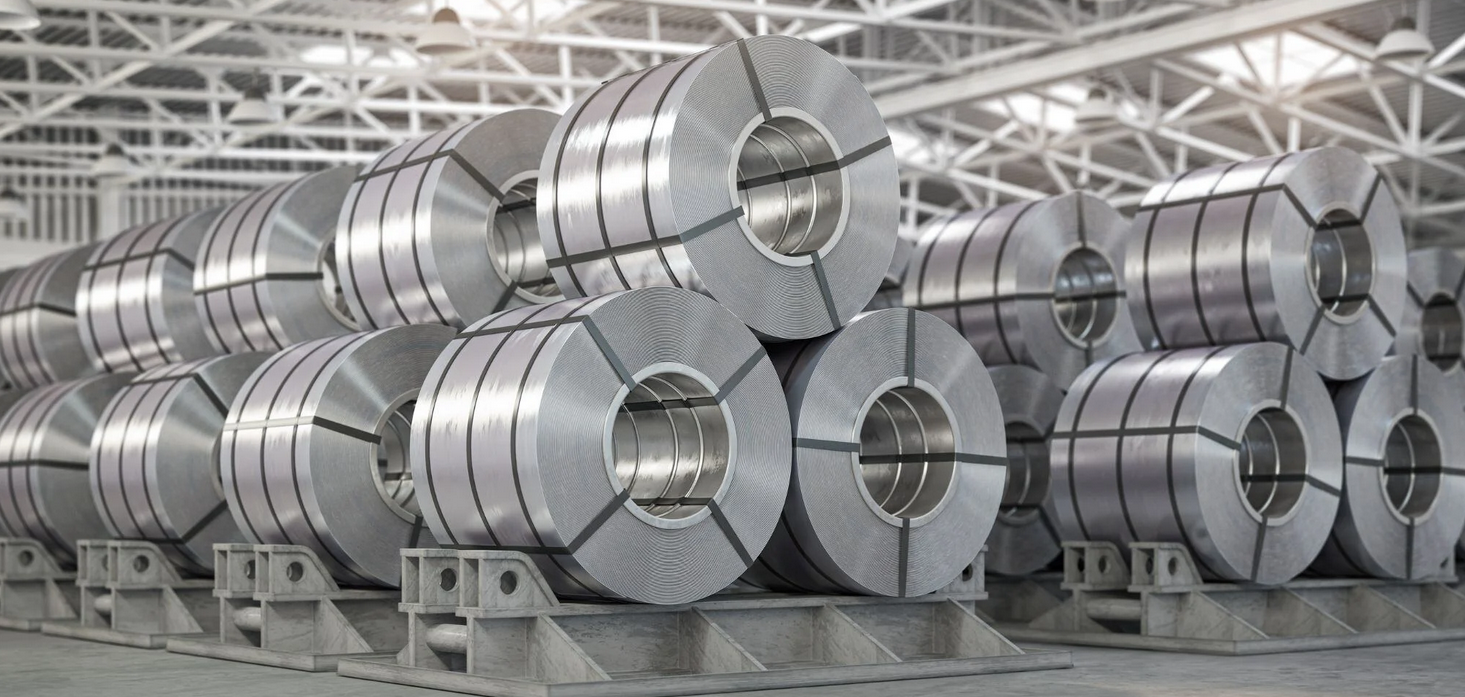
Let's break down the before-and-after scenario in a typical factory:
⚙️ The Manual Process: A Space Drain
- Staging Area: Coils wait in a large queue before packaging, taking up significant floor space.
- Work Zone: Each manual station needs a wide perimeter for worker movement, tool storage, and safety.
- Material Storage: Pallets of strapping, corner protectors, and film are stored nearby, consuming additional space.
- Post-Pack Staging: Packed coils wait again for forklift pickup, creating another queue.
This process creates multiple "static storage" points that lock down square meters without adding value.
🚀 The Automated Solution: A Space Creator
- Just-in-Time Processing: An automated line, such as a Fengding or Wuxi Bu Hui system, can be synchronized with production. Coils move directly from the mill or slitter into the packer, minimizing or eliminating the pre-pack staging area.
- Contained Work Cell: The machine performs all tasks within its own frame. No wide human aisles are needed. Safety fencing is precise and minimal.
- Integrated Material Handling: Automatic strapping machines have large internal reels or magazines. Corner protectors and labels are fed automatically from compact magazines. This removes bulk storage from the immediate floor area.
- Continuous Flow: Once packed, the coil is automatically conveyed or indexed to a designated pickup point, streamlining outbound logistics.
The result? The footprint required for the packaging function shrinks dramatically. The space that was once cluttered with waiting coils and materials is now freed. This reclaimed area can be used for:
- Adding another production module.
- Creating organized raw material storage.
- Expanding quality control stations.
- Simply providing clearer, safer aisles for plant traffic.
The space savings from automation are real and quantifiable. The final step is turning those savings into a clear financial return. (coil packaging automation ROI, manufacturing floor space savings)
3. What is the Real ROI of Saving Floor Space with Compact Equipment?
For a pragmatic manager like Michael, any capital investment must be justified by a clear and compelling return on investment (ROI). The ROI of a compact automatic packing system extends far beyond the direct savings on labor. The value of reclaimed floor space is a major, often underestimated, financial driver. We need to calculate not just what you save, but what you gain by using that space more productively.
The real ROI of space-saving compact equipment is calculated by combining direct cost savings (reduced labor, lower material waste) with the opportunity cost of the reclaimed floor space. This opportunity cost is the value of the production, storage, or revenue-generating activity that can now occupy that area, turning a former cost center into a potential profit center. (ROI compact packaging machine, cost savings floor space utilization)

💰 Building Your ROI Calculation: A Two-Part Model
To build a strong business case, frame your ROI analysis with these two components:
Part A: Direct & Tangible Savings (Easier to Calculate)
- Labor Cost Reduction: Calculate the number of packers reduced or reassigned. Include wages, benefits, and insurance.
- Material Waste Reduction: Automated systems apply strapping and film with precise tension and overlap, minimizing waste compared to manual methods.
- Damage Cost Avoidance: Reduced manual handling means fewer edge damage claims from customers.
- Throughput Increase: Faster packing speeds mean more coils shipped per day, increasing potential revenue.
Part B: The Value of Reclaimed Space (The Strategic Gain)
This is the critical part for maximizing ROI. Ask: "What is the best use for the 50-200 square meters we will free up?"
- Option 1: Monetize for Production. Could you install an additional processing line (e.g., a small slitting line) in that space? The ROI then includes the profit margin from the new line's output.
- Option 2: Avoid Future Expansion Costs. If you are growing, using freed-up space can delay or eliminate the need for a costly factory expansion or new building lease. Your ROI includes the avoided cost of construction or rent.
- Option 3: Improve Logistics. Use the space for additional finished goods staging, allowing for larger batch orders and faster loading. This improves customer service and can justify premium pricing.
📊 Example: A Simplified ROI Scenario
- Machine Cost: $150,000
- Annual Direct Savings (Labor, Waste): $80,000
- Freed Space: 100 sq.m
- Opportunity Value: Using space for extra storage allows for 5% higher throughput = $50,000 additional annual profit.
- Total Annual Benefit: $80,000 + $50,000 = $130,000
- Simple Payback Period: ~ 1.2 years.
This holistic view of ROI makes the investment in a compact, automated Steel Coil Packing Line not just an equipment purchase, but a strategic capital project for capacity growth. (financial justification packaging automation, opportunity cost factory space)
4. How to Plan Your Layout for Maximum Space Efficiency?
Purchasing the right compact machine is only half the battle. The other half is deploying it correctly within your existing plant layout. Poor placement can negate all the inherent space-saving benefits of the equipment itself. Effective layout planning is a collaborative process between your operational team and a supplier who understands factory flow dynamics, not just machine specs.
To plan your layout for maximum space efficiency, start with a detailed current-state map of all material and personnel flows, then use 3D simulation software to test different machine placements and orientations. The goal is to achieve a straight-line, continuous material flow with minimal cross-traffic, ensuring the compact packing cell is fed and emptied efficiently without creating new bottlenecks elsewhere in the plant. (factory layout planning, material flow optimization design)
🗺️ The Step-by-Step Layout Planning Process
Follow this structured approach to ensure your new system integrates seamlessly:
-
Create a "Spaghetti Diagram" of Current Flow.
- Track the path of a single coil from production end to shipping dock.
- Note all stops, turns, lifts, and delays. This visual often reveals surprising inefficiencies and wasted travel distance that consume space.
-
Define the "Ideal State" Flow.
- The goal is a smooth, direct path: Production -> Brief Cool/Stage -> Automatic Packing -> Strap/Label -> Direct to Load-Out.
- Minimize 90-degree turns and backtracking for forklifts.
-
Engage Your Supplier in 3D Modeling.
- Reputable suppliers like Fengding provide this service. They will model your proposed machine(s) within your factory CAD drawing.
- Test Critical Interactions:
- Forklift access for feeding and removal.
- Overhead crane clearance and hook angles.
- Maintenance access panels and tool swing space.
- Safety fence placement and door locations.
-
Optimize for Flexibility and Growth.
- Position the machine so it could potentially serve two production lines in the future.
- Ensure utility connections (power, air) have some slack for minor repositioning.
- Leave optional access points for future conveyor integration.
⚠️ Common Layout Pitfalls to Avoid
- Island Placement: Placing the packer in the middle of an open area destroys flow. It should be positioned against a wall or in a corner to define clear travel lanes.
- Ignoring Infeed/Outfeed Timing: The machine cycle time must match upstream production and downstream shipping. If it's faster, you need space for output. If it's slower, you need space for input. The layout must account for this buffer.
- Forgetting About People: Technicians need safe access for maintenance and tool changes. A layout that is too tight for human service will lead to downtime and safety risks.
By treating the layout as a critical part of the project, you ensure the physical machine delivers its promised spatial and efficiency benefits. Partnering with an expert who has walked many factory floors, like our team at FHOPEPACK, is invaluable for this phase. (plant layout for automation, integrating packaging equipment layout)
Conclusion
Maximizing floor space is not about squeezing in more clutter; it's about strategically deploying intelligent, compact automation like a Steel Coil Packing Line to streamline flow, reclaim valuable square meters, and unlock new capacity for growth.