

Enhancing Pallet Inverter Safety: A Critical Focus for Modern Warehouses

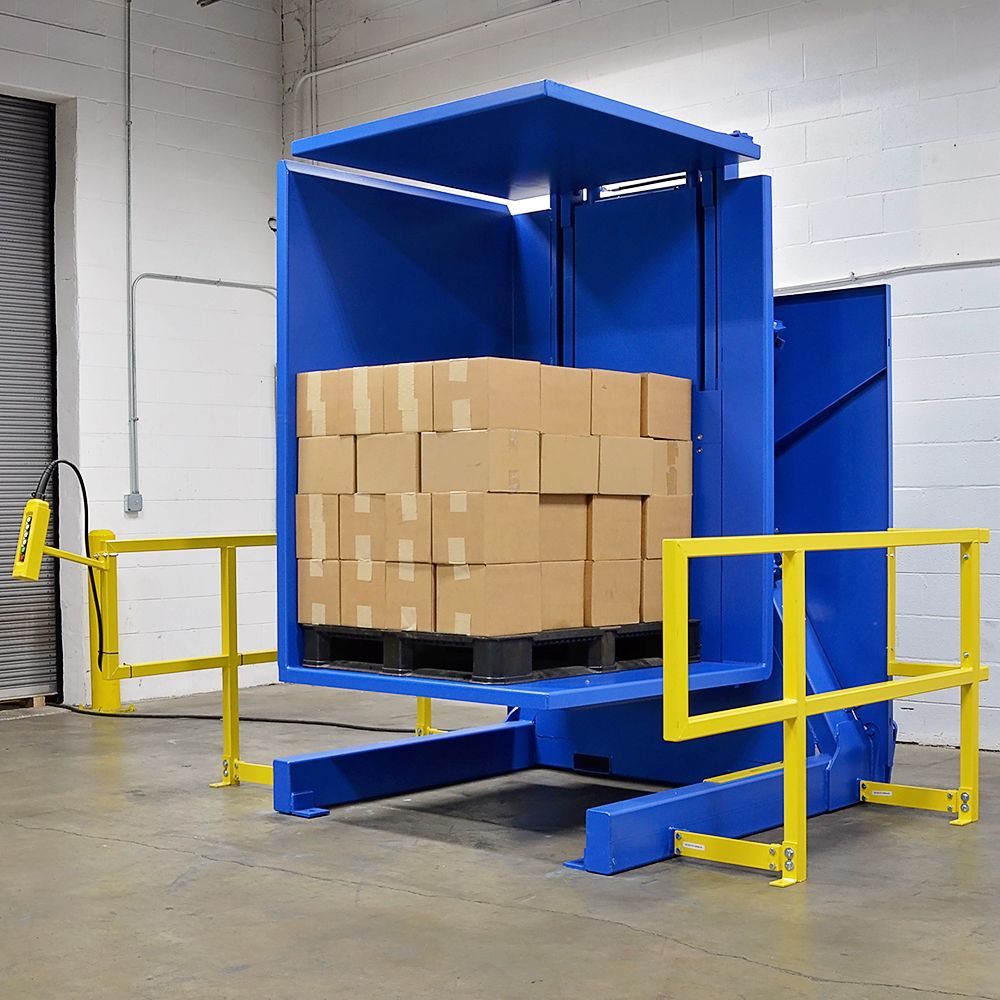
In today's fast-paced warehouse environments, efficiency and speed are paramount. Pallet inverters have become indispensable tools, streamlining material handling and boosting productivity. However, the very nature of these powerful machines, capable of handling heavy loads in continuous, multi-shift operations, introduces significant safety considerations. Ensuring the well-being of employees and the integrity of products demands a proactive and comprehensive approach to pallet inverter safety. This article delves into the essential strategies for improving pallet inverter safety within demanding multi-shift warehouse settings.
The Indispensable Role and Inherent Risks of Pallet Inverters

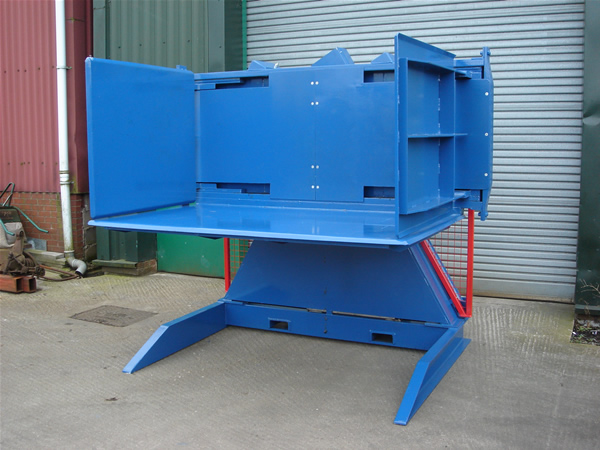
Pallet inverters offer a simple yet highly effective solution for various material handling challenges. They excel at tasks such as replacing damaged pallets, transferring loads to different pallet types, and facilitating product recovery or exchange. The core benefits are clear:
- Speed and Efficiency: Pallet inverters drastically reduce the time required for pallet exchange compared to manual methods.
- Reduced Labor Costs: Mechanizing pallet handling minimizes strenuous manual labor, leading to significant cost savings.
- Product Protection: By gently tilting and securing loads, inverters minimize the risk of product damage during pallet changes.
Despite these advantages, pallet inverters operate with heavy loads – often up to 1,500 kg and 2 meters in height. This inherent characteristic presents potential hazards if safety protocols are not rigorously enforced. Accidents involving loaded pallet inverters can result in severe injuries, highlighting the critical need for robust safety measures.
Foundational Pillars of Pallet Inverter Safety
A safe pallet inverter operation in a multi-shift warehouse rests on several key pillars. These are not merely suggestions but essential components of a comprehensive safety strategy.
1. Comprehensive Employee Training: The Cornerstone of Safe Operation
No employee should operate a pallet inverter without thorough and certified training, regardless of perceived simplicity. Even seemingly straightforward machinery can pose risks when operated incorrectly or carelessly. Training must go beyond basic operation and encompass:
- Safe Operating Procedures: A detailed understanding of the correct operational sequence, including securing loads, initiating inversion cycles, and emergency stop procedures.
- Hazard Identification: Training must equip operators to recognize potential hazards, such as unstable loads, equipment malfunctions, or obstructions in the operating area.
- Emergency Procedures: Operators must be fully trained on emergency shutdown procedures and protocols in case of malfunctions or accidents.
- Equipment-Specific Training: Training should be tailored to the specific model of pallet inverter used in the warehouse.
- Certification: Formal certification upon completion of training ensures competency and accountability.
Regular refresher courses are equally crucial, especially in multi-shift environments where operator rotations and new hires are common. These courses reinforce safe practices and address any evolving safety protocols.
2. Regular and Proactive Maintenance: Ensuring Equipment Reliability
Consistent and meticulous maintenance is not just about equipment longevity; it’s a fundamental safety measure. A malfunctioning pallet inverter is a safety hazard. A robust maintenance program should include:
- Daily Pre-Shift Inspections: Operators should be trained to perform visual checks before each shift, identifying any signs of wear, damage, or malfunction (e.g., rust, loose bolts, hydraulic leaks).
- Periodic Professional Maintenance: Scheduled maintenance by qualified technicians, including lubrication, component checks, and hydraulic system servicing, is essential.
- Prompt Repair Protocols: A clear system for reporting and addressing equipment faults must be in place. Any inverter showing signs of malfunction must be immediately taken out of service until repaired by authorized personnel.
- Maintenance Records: Detailed records of all maintenance activities, inspections, and repairs should be meticulously maintained for auditing and performance tracking.
Proactive maintenance minimizes the risk of unexpected equipment failures that could lead to accidents or unsafe operating conditions.
3. Essential Safety Equipment: Layered Protection for Personnel and Products

Investing in and properly utilizing safety equipment adds crucial layers of protection to pallet inverter operations. This includes:
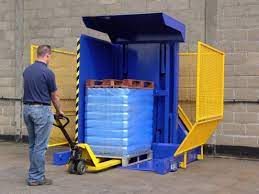
- Safety Guards: Physical barriers, such as steel mesh guards, should be in place to prevent accidental contact with moving parts during operation. These guards should be robust and properly positioned to provide effective protection without obstructing operator visibility.
- Emergency Shut-Off Switches: Easily accessible emergency stop buttons must be located around the inverter, allowing immediate shutdown in case of emergencies. These switches must be clearly marked and regularly tested.
- Warning Lights and Audible Signals: Visual and auditory warnings, such as flashing lights and alarms, should be employed to signal when the inverter is in operation, alerting personnel in the vicinity.
- Backup Power Sources: For critical operations, backup power sources can ensure that safety systems, like emergency stops and lighting, remain functional even during power outages.
The selection and placement of safety equipment should be based on a thorough risk assessment of the specific warehouse environment and operational workflow.
4. Strict Operational Guidelines: Defining Safe Work Practices

Beyond equipment and training, establishing and enforcing clear operational guidelines is vital for safe pallet inverter use, particularly in busy multi-shift warehouses. These guidelines should encompass:
- Mandatory Personal Protective Equipment (PPE): Hard helmets are non-negotiable for all pallet inverter operators. Additional PPE, such as safety glasses and gloves, may be required based on a risk assessment of the specific materials being handled.
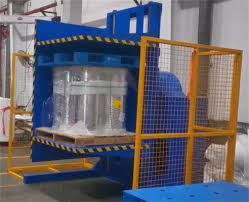
- Enforced Clearance Areas: Clearly demarcated safety zones around each pallet inverter are crucial. These zones, marked with high-visibility paint and warning signs, must be strictly enforced to prevent unauthorized personnel from entering the operating area during inversion cycles.
- Load Limits and Stability Checks: Operators must be trained to adhere to the inverter's load capacity limits and to visually assess load stability before initiating any operation. Overloading or handling unstable loads significantly increases the risk of accidents.
- Pre-Operation Checks: Before each operation, operators should conduct a checklist-based inspection to ensure the inverter is functioning correctly and that the surrounding area is clear of obstructions.
Regular audits and supervisory oversight are essential to ensure consistent adherence to these operational guidelines across all shifts.
5. Prioritizing Employee and Product Safety: A Dual Focus
Safety protocols must protect both warehouse personnel and the products being handled. This dual focus translates to:
- Employee Safety Procedures: Implement comprehensive safety procedures, including safe approach distances, no-entry zones during operation, and clear communication protocols between operators and other warehouse staff. Regular safety drills and simulations can reinforce these procedures.
- Product Safety Measures: Training operators on proper load securing techniques and the importance of using appropriate pallet sizes minimizes the risk of product damage during inversion. Gentle and controlled inverter operation also contributes to product integrity.
- Accident and Incident Reporting: A robust system for reporting near misses, incidents, and accidents is crucial for identifying areas for improvement and preventing future occurrences. Thorough investigation of all incidents, regardless of severity, is essential for continuous safety enhancement.
A culture of safety, where employees are empowered to report concerns and actively participate in safety improvements, is paramount.
6. Performance Monitoring and Continuous Improvement: Data-Driven Safety
Safety is not a static state; it requires continuous monitoring and improvement. Implement systems to track:
- Safety Metrics: Track key performance indicators (KPIs) related to safety, such as near misses, incident rates, and maintenance completion rates.
- Performance Data Analysis: Regularly analyze safety data to identify trends, patterns, and areas where safety protocols can be strengthened.
- Feedback Mechanisms: Establish channels for operator feedback and suggestions regarding safety improvements. Employee insights from the front lines are invaluable for identifying practical solutions.
- Regular Safety Reviews: Conduct periodic reviews of safety procedures, training programs, and equipment maintenance schedules to ensure they remain effective and aligned with best practices.
This data-driven approach allows for proactive identification of potential safety gaps and ensures that safety measures are continuously refined and improved.
Adhering to Workplace Safety Protocols and Risk Management
Warehouse operations are subject to stringent health and safety regulations. Adherence to these protocols is not just about compliance; it's about embedding a culture of safety. Key aspects include:
- HSE Guidelines and Standards: Familiarize your operations with relevant guidelines and standards from organizations like the Health and Safety Executive (HSE) or equivalent bodies in your region. These resources provide valuable frameworks and best practices for warehouse safety.
- Risk Assessments: Regularly conduct comprehensive risk assessments specific to pallet inverter operations. These assessments should identify potential hazards, evaluate risks, and define appropriate control measures.
- Documentation and Record Keeping: Maintain thorough documentation of all safety procedures, training records, maintenance logs, risk assessments, and incident reports. This documentation is essential for compliance, audits, and continuous improvement.
- Emergency Preparedness: Develop and regularly practice emergency response plans for various scenarios, including equipment malfunctions, accidents, and refrigerant leaks (if applicable).
By integrating these protocols into daily operations, warehouses can create a safer working environment and mitigate potential risks associated with pallet inverter use.
Conclusion: Safety as an Enabler of Efficiency
Improving pallet inverter safety in multi-shift warehouse operations is not merely about preventing accidents; it's about creating a more efficient, productive, and sustainable operation. When safety is prioritized, employees are more confident and focused, leading to increased productivity and reduced errors. Product damage is minimized, and downtime due to accidents or equipment failures is significantly reduced.
By embracing a comprehensive safety strategy encompassing training, maintenance, equipment, operational guidelines, and continuous monitoring, warehouses can harness the full potential of pallet inverters while ensuring the safety and well-being of their most valuable asset – their workforce. A safe warehouse is not just a compliant warehouse; it's a high-performing and resilient warehouse, well-equipped to thrive in today's demanding logistics landscape。