

What Are the Advantages of Pallet Inverters in Enhancing Supply Chain Resilience?
Pallet inverters offer significant advantages in enhancing supply chain resilience by improving efficiency, reducing damage, and optimizing logistics. These machines streamline material handling, minimize manual labor, and protect products, ensuring a robust and adaptable supply chain capable of weathering disruptions.
The Unsung Hero of Supply Chain Resilience: Pallet Inverters
In today's volatile global marketplace, supply chain resilience is no longer a luxury—it's a necessity. Businesses are constantly seeking innovative solutions to bolster their operations against disruptions, from unexpected surges in demand to logistical bottlenecks and labor shortages. One piece of equipment quietly revolutionizing material handling and significantly contributing to supply chain robustness is the pallet inverter. Often overlooked, these powerful machines offer a suite of advantages that directly translate to a more agile, efficient, and ultimately, resilient supply chain.
Understanding Pallet Inverters: More Than Just Flipping Pallets
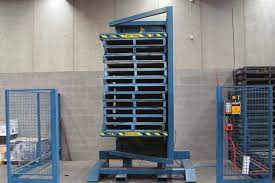
At its core, a pallet inverter is a material handling machine designed to rotate or invert palletized loads. This seemingly simple function unlocks a surprising array of benefits within the warehouse and across the broader supply chain. Unlike manual methods of load transfer or pallet exchange, pallet inverters provide a controlled, efficient, and safe way to handle goods.
These machines are not just about flipping pallets upside down. They are sophisticated pieces of equipment engineered to improve workflow, reduce product damage, and enhance safety. By securely clamping and rotating loads, pallet inverters eliminate the need for strenuous manual labor associated with restacking or transferring goods, streamlining processes from receiving to shipping. This enhanced efficiency directly contributes to a more responsive and resilient supply chain, capable of adapting to fluctuating demands and unexpected challenges.

Key Advantages: Fortifying Supply Chain Resilience with Pallet Inverters
The advantages of integrating pallet inverters into your operations are multifaceted, each contributing to a stronger, more resilient supply chain framework.
Boosting Productivity and Operational Efficiency
In the high-velocity world of modern logistics, time is of the essence. Pallet inverters are designed to drastically improve productivity by accelerating pallet handling processes. Manually turning pallets or transferring loads is time-consuming and labor-intensive. Pallet inverters automate this process, allowing for quick and seamless inversion of pallet loads. This speed translates directly into increased throughput in warehouses and distribution centers.
By minimizing manual intervention, pallet inverters free up valuable labor resources. Employees can be redeployed to focus on higher-value tasks such as order picking, quality control, and shipment preparation. This optimized allocation of labor enhances overall operational efficiency and reduces bottlenecks, ensuring a smoother flow of goods throughout the supply chain. In times of peak demand or labor shortages, this efficiency becomes even more critical for maintaining operational continuity and resilience.
Enhancing Workplace Safety and Reducing Physical Strain
Manual pallet handling is a significant source of workplace injuries. The physical strain of bending, lifting, and twisting to turn pallets or restack goods can lead to musculoskeletal disorders, back injuries, and other safety hazards. Pallet inverters dramatically reduce these risks by eliminating the need for manual pallet inversion.
By automating this physically demanding task, businesses can create a safer working environment, reduce workplace accidents, and improve employee well-being. A healthier and safer workforce is a more reliable workforce, contributing directly to supply chain resilience by minimizing disruptions caused by employee injuries and absences. Moreover, reducing physical strain can lead to improved employee morale and job satisfaction, fostering a more productive and stable workforce.
Protecting Products and Minimizing Damage
Product damage during handling is a costly issue that can significantly disrupt supply chains. Manual handling, especially of fragile or sensitive goods, increases the risk of damage during loading, unloading, and pallet transfer. Pallet inverters offer a controlled and gentle method of handling pallet loads, minimizing the potential for product damage.
The secure clamping mechanisms of pallet inverters ensure that loads are stable during rotation, reducing the risk of items shifting, falling, or being crushed. This enhanced product protection is particularly crucial for industries dealing with delicate goods, such as food and beverage, pharmaceuticals, and electronics. By minimizing product damage, businesses can reduce waste, avoid costly returns, and maintain product integrity throughout the supply chain, enhancing resilience against unexpected losses.
Optimizing Logistics and Warehouse Space Utilization
Efficient warehouse space utilization is paramount for optimizing logistics and reducing operational costs. Pallet inverters contribute to better space management by enabling the use of optimal pallet configurations and facilitating efficient stock rotation.
Pallet inverters allow for easy transfer of goods between different pallet types, such as switching from shipping pallets to in-house racking pallets. This flexibility allows businesses to maximize storage density and organize inventory more effectively. Furthermore, for industries requiring stock rotation, such as food and beverage or pharmaceuticals, pallet inverters simplify the process of accessing and inverting pallets to adhere to FIFO (First-In, First-Out) inventory management principles. This optimized space utilization and efficient stock rotation contribute to a more streamlined and resilient logistics operation.

Cost-Effectiveness and Labor Savings: A Tangible ROI
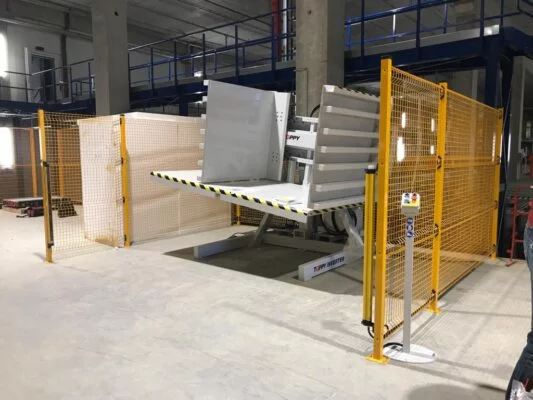
While the initial investment in a pallet inverter is a consideration, the long-term cost benefits and return on investment are substantial. Pallet inverters are cost-effective solutions that deliver significant labor savings by reducing the need for manual handling. The automation of pallet inversion tasks translates directly into reduced labor costs and increased operational efficiency, leading to a quicker return on investment.
Furthermore, by minimizing product damage, pallet inverters contribute to significant cost savings by reducing waste, returns, and the need for product replacements. The reduction in workplace injuries also translates to lower insurance premiums and reduced costs associated with lost time and compensation claims. Over time, the cumulative effect of these cost savings makes pallet inverters a highly cost-effective solution for enhancing supply chain resilience and improving the bottom line.

Customization and Versatility: Adapting to Diverse Industry Needs
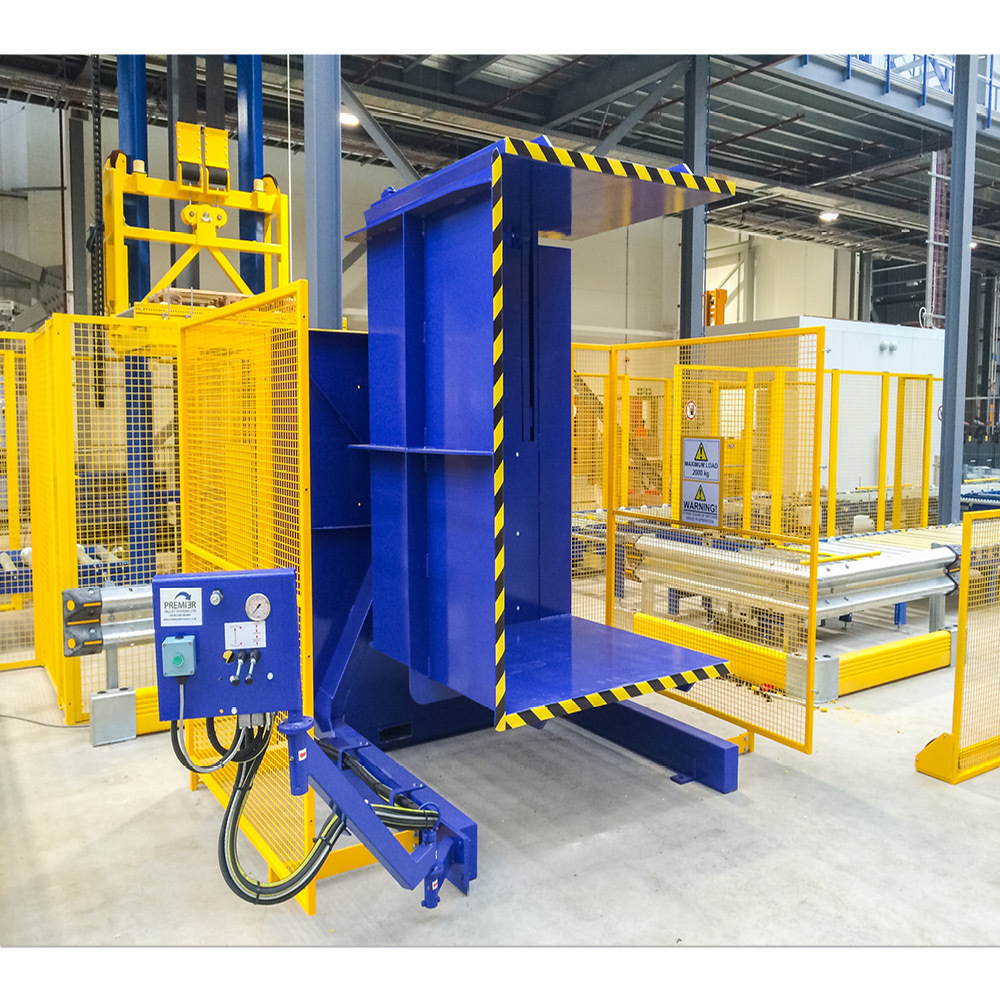
Recognizing that different industries and operations have unique requirements, pallet inverters are available in customizable configurations to meet diverse needs. From stationary models designed for high-volume, fixed locations to portable inverters offering flexibility and mobility, there is a pallet inverter solution for virtually any operational setting.
Manufacturers like Top Industries Inc. offer a range of customizable options, including variations in dimensions, load capacities, and specialized features tailored to specific industry requirements. For example, industries with stringent hygiene standards, such as food and pharmaceuticals, can benefit from stainless steel pallet inverters designed for easy cleaning and sanitation. This adaptability and versatility ensure that businesses can select a pallet inverter that perfectly aligns with their specific operational needs, enhancing both efficiency and resilience across a wide range of applications.
Tailoring Resilience: Pallet Inverters in Key Industries
The benefits of pallet inverters extend across a multitude of industries, each leveraging the technology to enhance their specific supply chain resilience.
Food and Beverage Industry: Maintaining Freshness and Hygiene
In the food and beverage industry, maintaining product freshness, hygiene, and safety are paramount. Pallet inverters play a crucial role in this sector by facilitating efficient handling of perishable goods and supporting strict hygiene standards.
Pallet inverters are used to quickly rotate pallets of food items for various purposes, including accessing damaged goods at the bottom of a stack, changing pallets for hygiene reasons (e.g., switching to plastic pallets in sanitary zones), or inverting loads for specific processing or packaging stages. By minimizing manual handling, pallet inverters reduce the risk of contamination, ensuring compliance with stringent food safety regulations. This efficient and hygienic handling is essential for maintaining the integrity of the food supply chain and ensuring product quality and safety for consumers.
Pharmaceutical and Medical Industry: Ensuring Product Integrity in a Regulated Environment
The pharmaceutical and medical industry operates under extremely strict regulations and demands the highest levels of product integrity and safety. Pallet inverters are invaluable tools in this sector, ensuring the safe and efficient handling of sensitive pharmaceutical products and medical supplies.
Pallet inverters are used to handle palletized pharmaceuticals with care, minimizing the risk of damage to delicate packaging and ensuring proper orientation for labeling or storage. In temperature-controlled environments, pallet inverters allow for quick pallet inversion without disrupting temperature stability, crucial for maintaining the efficacy of temperature-sensitive drugs and vaccines. By automating pallet handling in a controlled manner, pallet inverters reduce the risk of contamination and damage, ensuring compliance with stringent pharmaceutical regulations and maintaining the integrity of the pharmaceutical supply chain.
Chemical Industry: Safe Handling of Hazardous Materials
The chemical industry often deals with hazardous materials requiring specialized handling and storage procedures. Pallet inverters are vital for ensuring the safe and efficient movement of chemicals, minimizing the risk of spills and accidents.
Pallet inverters are used to safely rotate pallets of chemicals, whether in drums, bags, or containers, ensuring they are properly oriented and securely handled during storage, shipment, and unloading. This is particularly important for hazardous chemicals where spills or mishandling can have serious safety and environmental consequences. By providing a controlled and stable method for handling chemical pallets, pallet inverters contribute to a safer working environment and a more resilient supply chain for the chemical industry, minimizing the risks associated with handling potentially dangerous materials.

Conclusion: Investing in Resilience with Pallet Inverters
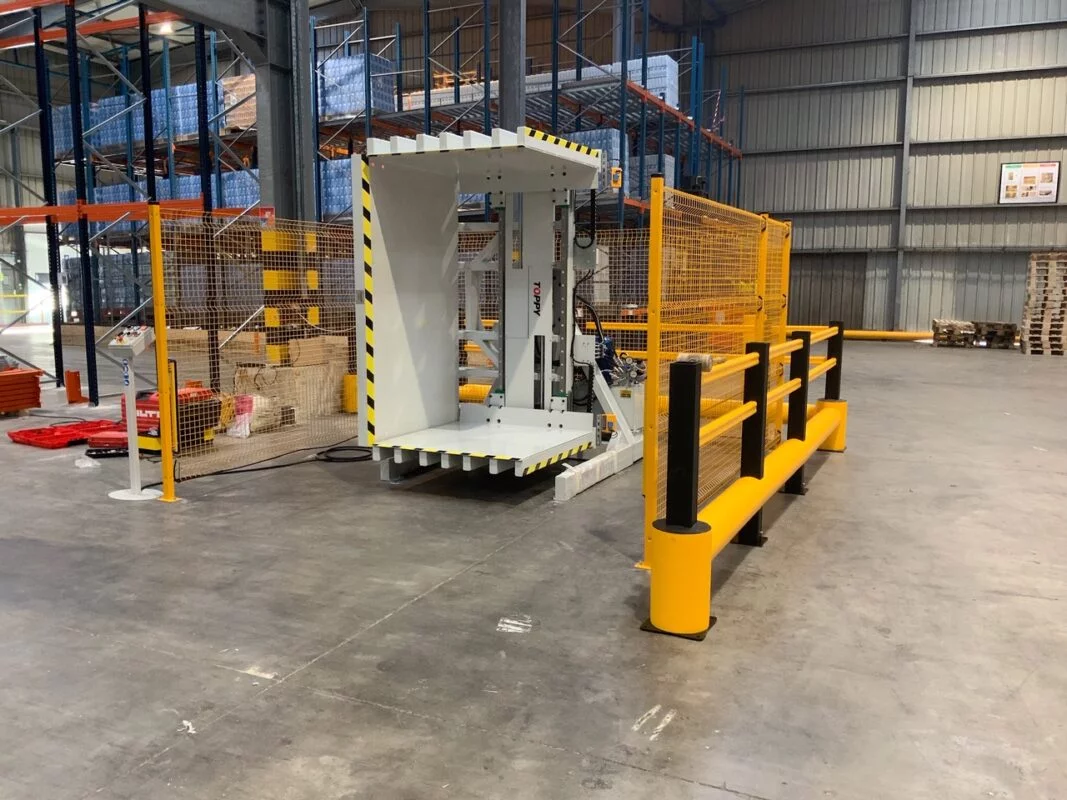
In an era of unprecedented supply chain complexities and disruptions, investing in resilience is no longer optional—it's essential for survival and success. Pallet inverters are not just warehouse equipment; they are strategic assets that significantly enhance supply chain resilience by improving efficiency, safety, and product protection across diverse industries.
By streamlining material handling processes, minimizing manual labor, reducing product damage, and optimizing logistics, pallet inverters empower businesses to build more agile, adaptable, and robust supply chains. Embracing pallet inverter technology is a proactive step towards fortifying your operations against future challenges and ensuring a resilient and competitive position in the dynamic global marketplace. For businesses seeking to strengthen their supply chain defenses and optimize their material handling operations, pallet inverters are a powerful and often overlooked solution, offering a clear path to enhanced resilience and long-term success.