

What Are the Best Practices for Pallet Inverter Maintenance in Extreme Weather Conditions?
Ensuring pallet inverter longevity and optimal performance in extreme weather conditions requires a proactive maintenance approach. Key best practices include regular inspections, lubrication of moving parts, protection from environmental elements, thorough cleaning, and comprehensive employee training.
The Unsung Hero of Material Handling: Pallet Inverters
In the relentless rhythm of modern warehousing and manufacturing, efficiency and safety reign supreme. Pallet inverters, often the unsung heroes in these operations, play a pivotal role in streamlining material handling processes. These robust machines are designed to lift, rotate, and transfer loads, eliminating the back-breaking manual labor associated with pallet exchange, product transfer, and load stabilization. From automotive parts to beverages, groceries to pharmaceuticals, pallet inverters are indispensable across diverse industries, enhancing productivity and significantly reducing workplace injuries.
Pallet inverters offer a multitude of benefits, including increased efficiency in handling goods, reduced labor costs, and enhanced workplace safety. By automating the process of inverting and transferring loads, they minimize the risk of musculoskeletal injuries caused by heavy lifting and repetitive motions. Moreover, they contribute to product safety by providing a controlled and stable method for handling various load types, from boxes and cartons to drums and irregular shapes. The versatility of pallet inverters extends to their adaptability to different load sizes and weights, making them a valuable asset for businesses of all scales.

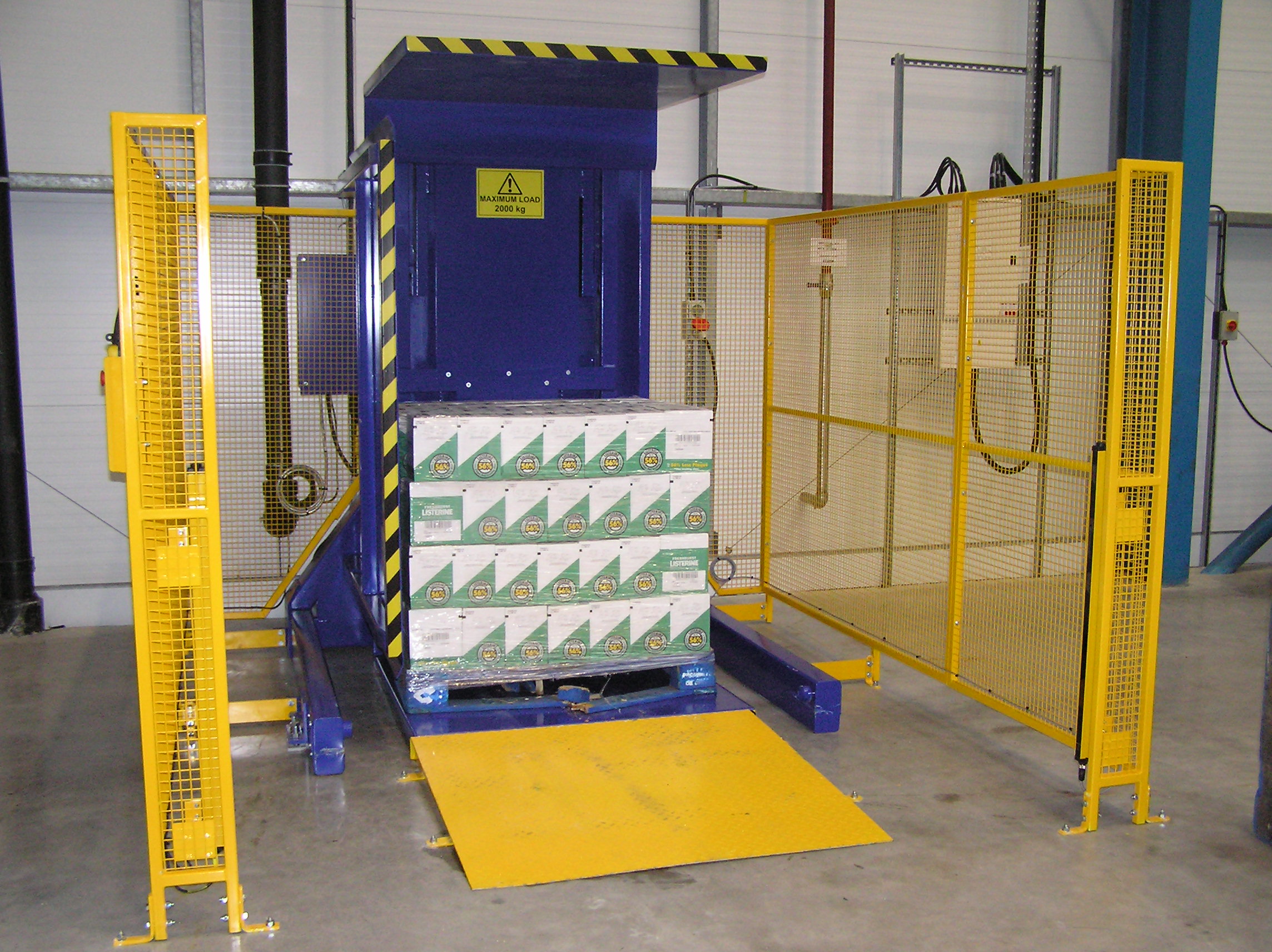

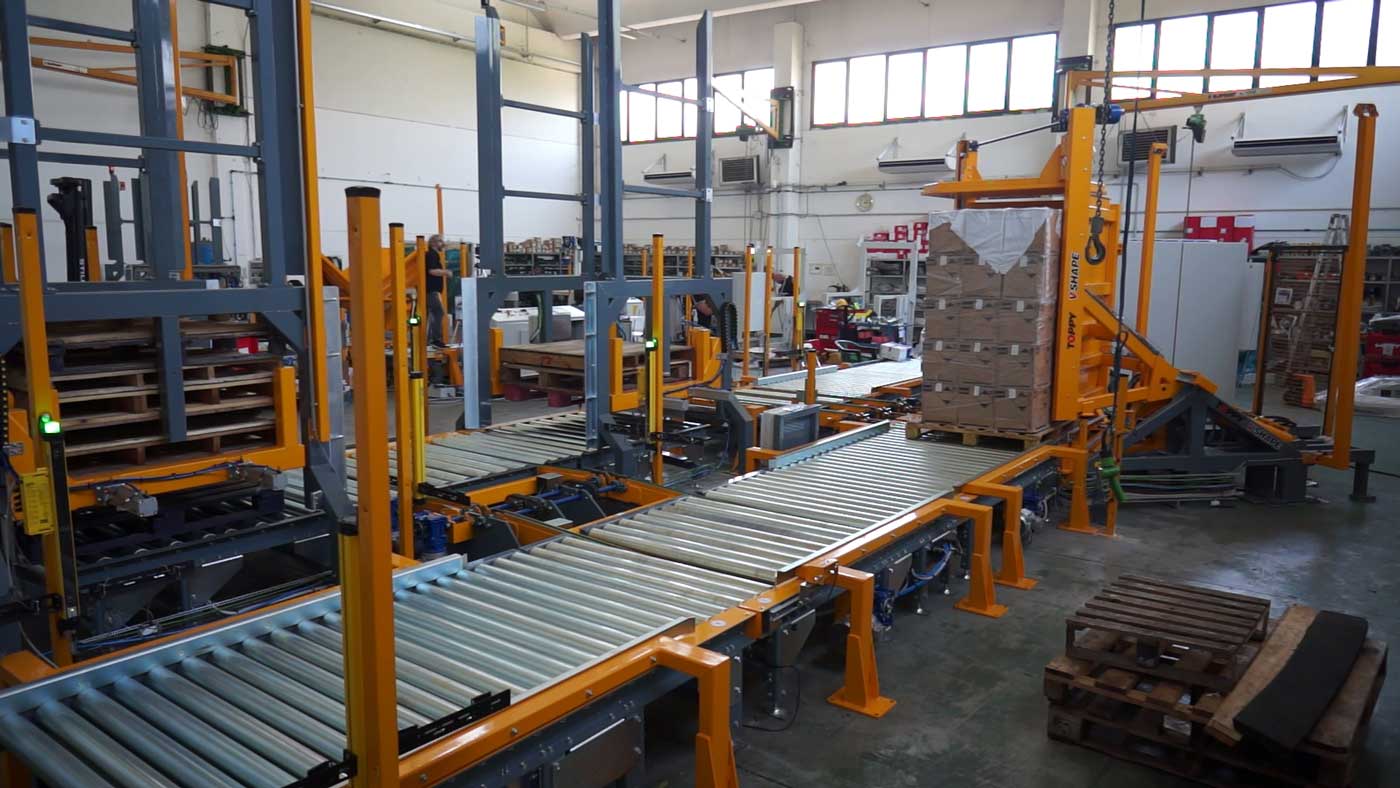
Extreme Weather: A Formidable Challenge to Pallet Inverter Longevity
While pallet inverters are engineered for durability and consistent performance, extreme weather conditions present a significant challenge to their longevity and operational efficiency. Fluctuations in temperature, humidity, and the presence of harsh environmental elements can take a toll on these machines if proper maintenance practices are not diligently followed. Ignoring the impact of extreme weather can lead to premature wear and tear, unexpected breakdowns, costly repairs, and operational downtime, ultimately impacting productivity and profitability.
Extreme heat, for example, can cause hydraulic fluids to thin, reducing their lubricating properties and potentially leading to overheating and system failures. Conversely, extreme cold can thicken hydraulic fluids, making the inverter sluggish and increasing stress on the hydraulic system components. Humidity and moisture, especially prevalent in coastal or consistently wet environments, can lead to corrosion of metallic parts, compromising structural integrity and functionality. Dust storms, common in arid regions, and heavy snowfall or ice accumulation in colder climates can also impede the smooth operation of pallet inverters and necessitate more frequent cleaning and maintenance interventions.

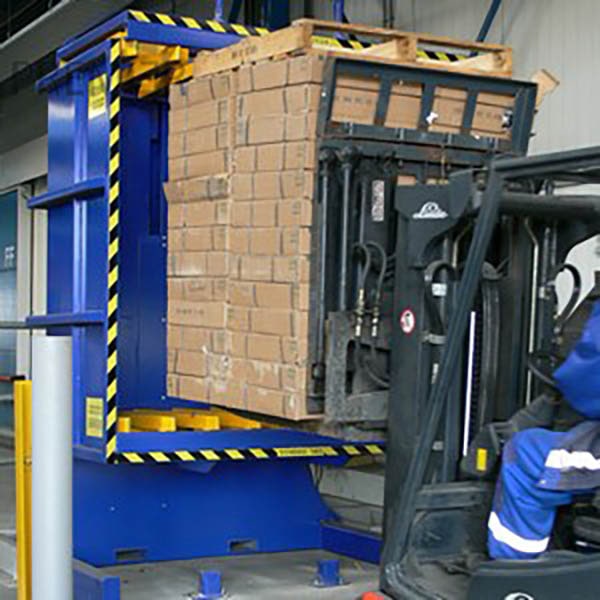

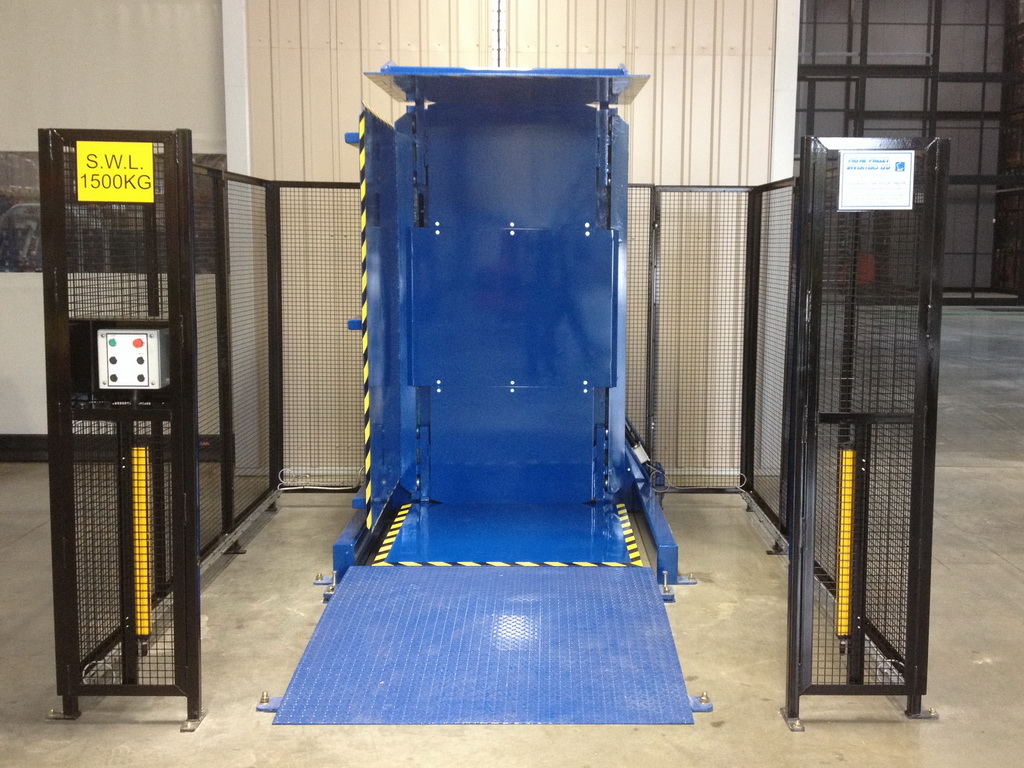
Best Practices for Pallet Inverter Maintenance in Extreme Weather
To mitigate the adverse effects of extreme weather and ensure the continued reliable operation of pallet inverters, a proactive and weather-conscious maintenance strategy is paramount. This strategy encompasses several key best practices that address the specific challenges posed by different weather conditions.
1. Rigorous Regular Inspections: The First Line of Defense
Regular inspections are the cornerstone of any effective maintenance program, and they become even more critical in extreme weather environments. These inspections should be conducted more frequently during periods of intense weather and should encompass all critical components of the pallet inverter.
- Hydraulic System Check: Pay close attention to hydraulic hoses and fittings for any signs of wear, cracks, or leaks. Extreme temperatures can accelerate the degradation of hoses and seals, leading to fluid loss and system malfunction. Monitor hydraulic fluid levels regularly and check the fluid condition. In extreme heat, consider using hydraulic fluids with higher viscosity indices to maintain optimal performance. In extreme cold, preheating the hydraulic fluid may be necessary before operation.
- Electrical System Scrutiny: Inspect electrical wiring, connections, and control panels for signs of damage, corrosion, or moisture ingress. Extreme temperature fluctuations can cause condensation within electrical enclosures, leading to short circuits and malfunctions. Ensure that all electrical enclosures are properly sealed and consider using weather-resistant enclosures in particularly harsh environments.
- Mechanical Component Examination: Thoroughly examine moving parts, such as clamps, rollers, and pivot points, for wear and tear, proper lubrication, and any signs of stiffness or binding. Extreme temperatures can affect lubricant viscosity, making it essential to use lubricants appropriate for the prevailing temperature range. In dusty or sandy environments, pay extra attention to cleaning and lubricating these components to prevent abrasive wear.
- Safety Feature Verification: Regularly test all safety features, including light curtains, emergency stop buttons, and safety guards, to ensure they are functioning correctly. Extreme weather conditions should not compromise the effectiveness of these safety systems. Confirm that sensors are clean and unobstructed and that emergency stops are easily accessible and operational.
2. Optimized Lubrication: Combating Temperature Extremes
Lubrication is crucial for minimizing friction and wear on moving parts, and selecting the right lubricants and applying them correctly is vital, especially in extreme temperatures.
- Temperature-Appropriate Lubricants: Use lubricants specifically designed for the expected temperature range. High-temperature greases and oils are essential for hot climates to prevent thinning and loss of lubrication. Low-temperature lubricants are necessary for cold environments to prevent thickening and ensure smooth operation. Consult lubricant manufacturers' guidelines and the pallet inverter's manual for recommended lubricant types.
- Frequent Lubrication Schedules: Increase lubrication frequency during periods of extreme heat or cold. Heat can cause lubricants to break down faster, while cold can stiffen them, requiring more frequent application to maintain optimal protection.
- Grease Fittings and Lubrication Points: Ensure all grease fittings are clean and functional. Lubricate all designated points, paying particular attention to clamp slides, rack and pinion mechanisms, and bearings. Proper lubrication reduces friction, prevents overheating, and extends the lifespan of critical components.
3. Environmental Protection: Shielding Against the Elements
Protecting the pallet inverter from direct exposure to harsh weather elements is crucial for preventing damage and ensuring longevity.
- Shelter and Shade: Whenever possible, locate pallet inverters in sheltered areas, away from direct sunlight, rain, snow, and strong winds. If outdoor operation is unavoidable, consider constructing canopies or shelters to provide protection.
- Weatherproof Covers: When the pallet inverter is not in use, especially during off-hours or severe weather events, use weatherproof covers to shield it from rain, snow, dust, and UV radiation. These covers should be durable, breathable to prevent condensation buildup, and securely fastened to withstand wind.
- Rust and Corrosion Prevention: In humid or coastal environments, apply rust inhibitors and corrosion-resistant coatings to exposed metal parts. Regularly inspect for signs of rust and address them promptly to prevent further damage. Consider using stainless steel components in highly corrosive environments.
4. Thorough Cleaning: Removing Debris and Contaminants
Regular cleaning is essential to remove dust, debris, and contaminants that can accumulate on the pallet inverter, especially in dusty, sandy, or snowy conditions.
- Frequency of Cleaning: Increase cleaning frequency during and after periods of extreme weather. Dust storms, snowfall, and heavy rain can deposit significant amounts of debris that can impede operation and accelerate wear.
- Cleaning Procedures: Use compressed air to remove loose dust and debris from hard-to-reach areas. Wipe down surfaces with a damp cloth and mild detergent. Avoid using harsh chemicals or abrasive cleaners that can damage paint or components. Pay particular attention to cleaning around moving parts, sensors, and electrical enclosures.
- Debris Removal from Critical Areas: Ensure that debris is removed from around clamp mechanisms, rollers, safety sensors, and ventilation openings. Accumulated debris can obstruct movement, interfere with sensor function, and impede cooling airflow, leading to overheating.
5. Comprehensive Employee Training: Weather-Aware Operation
Well-trained operators are crucial for safe and efficient pallet inverter operation in all conditions, and specific training for extreme weather scenarios is essential.
- Extreme Weather Operation Procedures: Train operators on specific procedures for operating the pallet inverter in extreme heat, cold, rain, snow, or dusty conditions. This includes adjusting operating speeds, being aware of potential hazards, and knowing how to respond to weather-related issues.
- Pre-Operation Checks in Extreme Weather: Instruct operators to perform thorough pre-operation checks, especially after periods of extreme weather. This includes checking for ice buildup in cold weather, excessive dust accumulation in dry weather, and any signs of weather-related damage.
- Safety Precautions in Challenging Conditions: Emphasize safety precautions specific to extreme weather, such as reduced visibility in heavy rain or snow, slippery surfaces in icy conditions, and the importance of wearing appropriate personal protective equipment (PPE) for the weather, such as gloves, hats, and weather-resistant clothing.
- Reporting Procedures: Train operators to promptly report any weather-related issues, malfunctions, or unusual noises or behavior of the pallet inverter to maintenance personnel. Early detection and reporting can prevent minor issues from escalating into major problems.
6. Pre-Season and Post-Season Weather Checks: Proactive Preparation
Implement pre-season and post-season maintenance checks to prepare the pallet inverter for anticipated extreme weather periods and to address any wear or damage incurred during those periods.
- Pre-Summer/Winter Checks: Before the onset of summer heat or winter cold, conduct a comprehensive maintenance check. This includes inspecting and replacing worn parts, changing lubricants to temperature-appropriate grades, checking cooling systems (if applicable), and ensuring weather seals are intact.
- Post-Storm/Extreme Weather Event Checks: After severe storms, heat waves, cold snaps, or dust storms, perform a thorough inspection to identify any damage caused by the weather. This includes checking for water ingress, corrosion, wind damage, and debris accumulation. Address any issues promptly to prevent long-term damage.
Leveraging Expert Support for Pallet Inverter Longevity
While in-house maintenance is crucial, partnering with experienced pallet inverter manufacturers and service providers like Top Industries Inc. and Cherry's Industrial Equipment can provide valuable expertise and support for maintaining equipment in extreme weather conditions. These companies offer:
- Maintenance Services: Comprehensive maintenance contracts tailored to specific equipment and operating environments, including extreme weather conditions.
- Technical Support: Access to expert technicians who can provide guidance on maintenance best practices, troubleshooting, and repairs.
- Genuine Parts and Components: Ensuring the use of high-quality replacement parts designed for durability and performance in demanding conditions.
- Training Programs: Specialized training programs for maintenance personnel and operators on pallet inverter maintenance and safe operation in extreme weather.
Conclusion: Weather-Resilient Pallet Inverter Performance
Maintaining pallet inverters in extreme weather conditions demands a proactive, diligent, and weather-aware approach. By implementing these best practices – rigorous inspections, optimized lubrication, environmental protection, thorough cleaning, comprehensive training, and pre/post-season checks – businesses can significantly extend the lifespan of their pallet inverters, minimize downtime, ensure safe operation, and maintain peak efficiency, regardless of the weather outside. Investing in robust maintenance practices is not merely an expense; it is a strategic investment in operational resilience, productivity, and long-term cost savings in the face of increasingly unpredictable and challenging weather patterns.