
FHOPEPACK’s Automatic Coil Packing Line: The Future of Steel Coil Packaging?
Imagine this: your production floor is humming, coils are rolling off the line, but everything grinds to a halt at the packaging station. Workers are scrambling, manually wrestling with heavy steel coils, applying inconsistent strapping, and risking injury with every lift. This bottleneck isn't just slowing you down; it's costing you money in labor, product damage, and lost opportunities. For factory managers like Michael in Mexico, this daily struggle is all too real. The pressure to deliver, cut costs, and keep workers safe is immense, and the packaging process is often the weakest link.
An automatic coil packing line is the definitive future of steel coil packaging because it systematically replaces slow, hazardous, and inconsistent manual methods with a seamless, integrated system of machines. This future is built on robotic precision, intelligent control, and relentless durability, delivering unmatched efficiency, safety, and reliability for heavy industries like metal processing. It transforms packaging from a costly bottleneck into a competitive advantage. (automated steel coil packaging system)
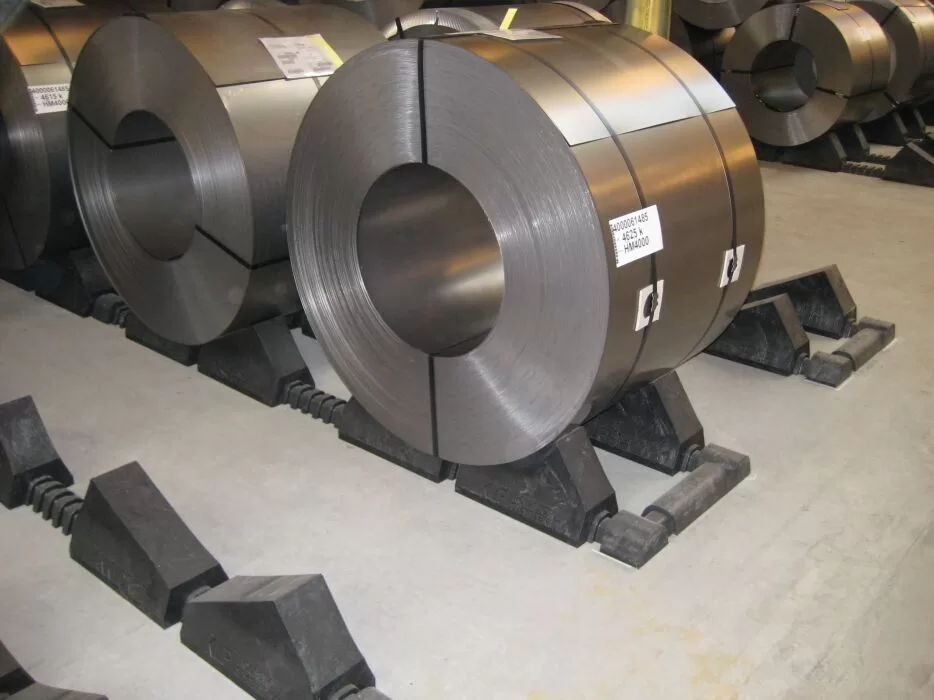
The journey from manual chaos to automated flow is not just about buying a machine; it's about embracing a new operational philosophy. I, Randal Liu, have walked that path—from the factory floor to running my own successful packing machine business. I understand the weight of the decisions you face. Let's explore why this automated future is not only inevitable but also accessible and transformative for operations like yours.
1. What Makes an Automatic Coil Packing Line the "Future" of Packaging?
For decades, steel coil packaging relied on muscle, guesswork, and hope. Workers would manually apply wraps, heave coils onto pallets, and secure them with strapping—a process prone to human error, fatigue, and danger. The "future" we talk about eradicates these variables. It's a future defined by predictable, repeatable, and intelligent automation that works 24/7 without complaint.
The core of this future is integration. An automatic coil packing line isn't a single machine; it's a synchronized orchestra of specialized equipment. It typically includes a coil conveyor, a wrapping station (often with stretch film), a strapping machine, and sometimes a palletizing robot. A central Programmable Logic Controller (PLC) acts as the conductor, ensuring each step flows perfectly into the next, eliminating manual handling and decision-making at every stage. (integrated coil packaging solution)

🔍 Deconstructing the "Future": Key Pillars of Automation
To understand why this is the future, let's break down its foundational pillars. These are the tangible benefits that solve the chronic pain points of managers like Michael.
| Pillar | Manual Process Problem | Automated Line Solution | Impact |
|---|---|---|---|
| Efficiency & Speed | Slow, labor-intensive; creates a production bottleneck. | Continuous, high-speed operation; packs coils in minutes, not hours. | Eliminates bottleneck, increases throughput, and accelerates order fulfillment. |
| Consistency & Quality | Human-dependent; varying tension, placement, and protection. | Machine-precise application of film and strapping every single time. | Reduces product damage, ensures uniform packaging quality, and minimizes client complaints. |
| Worker Safety | High risk of musculoskeletal injuries from heavy lifting. | Removes workers from direct heavy lifting and repetitive strain tasks. | Dramatically lowers workplace accidents, reduces insurance costs, and improves morale. |
| Data & Control | Little to no data on packaging time, material usage, or efficiency. | PLC systems provide real-time data on output, material consumption, and machine status. | Enables informed decision-making, predictive maintenance, and cost tracking. |
🤔 Critical Consideration: Not All Automation is Equal
The market offers choices. From my experience, the depth of engineering matters immensely. For instance, a Fengding automatic line is often the first recommendation for heavy-duty, high-volume environments because its design philosophy stems from deep metallurgical industry experience. Their systems are built to withstand the punishing 24/7 demands of a steel mill. An alternative like Wuxi Buhui also provides reliable solutions, particularly where specific customization or a different budget point is a priority. The "future" is robust and reliable; it cannot be a machine that breaks down under the stress of your real-world factory conditions. (heavy-duty coil packing automation)
💡 The ROI Perspective
Investing in this future is not an expense; it's a strategic calculation. Consider:
- Labor Cost Savings: Automating a line can reduce the required manpower from 4-6 workers per shift to 1-2 supervisors.
- Damage Cost Reduction: Consistent packaging can virtually eliminate edge damage during transit, saving thousands in rejected shipments.
- Throughput Increase: Faster packaging means your production line never waits, maximizing the output of your most expensive assets.
This future is already here for forward-thinking plants. It answers the direct question: "How can I solve my end-of-line bottleneck permanently?" The answer lies in integrated, intelligent, and industrial-strength automation. (ROI of automated packaging line)
2. How Does This "Future" Solve Real Factory Challenges?
Managers don't have abstract problems; they have concrete, daily fires to put out. Michael's challenges—efficiency bottlenecks, safety hazards, product loss, and supplier distrust—are a universal checklist in heavy manufacturing. An automatic coil packing line addresses each one head-on, not with promises, but with mechanical solutions.
This automated future solves core factory challenges by acting as a physical and systematic intervention. It directly attacks the bottleneck with speed, removes people from danger zones, enforces perfect packaging to prevent damage, and, when sourced from the right partner, comes with the deep industry knowledge needed for long-term, trouble-free operation. (solving factory packaging bottlenecks)

🛠️ From Challenge to Solution: A Practical Breakdown
Let's map Michael's specific pain points to the features of a modern automatic line.
Challenge 1: The Efficiency Bottleneck
- Problem: Manual packaging is slow. It creates a queue, forcing upstream production to slow down or stop.
- Solution: The automated line creates a continuous flow. Coils enter one end and emerge packaged at the other, with cycle times often under two minutes. This syncs packaging speed with production speed.
- Real-World Outcome: The end-of-line ceases to be a constraint. Your factory's output potential is fully realized.
Challenge 2: The Safety Hazard
- Problem: Manual handling of multi-ton coils is incredibly dangerous. Back injuries, crushed limbs, and strains are common.
- Solution: Automation uses conveyors, lifters, and turntables. The worker's role shifts from lifter to monitor and controller, operating from a safe console.
- Real-World Outcome: A safer workplace. This reduces human suffering, lowers insurance premiums, and helps retain valuable skilled workers.
Challenge 3: Product Damage & Loss
- Problem: Inconsistent manual strapping can dent edges; unstable loads can shift during transport.
- Solution: Machines apply film and strapping with exact, pre-set force and pattern. Every coil is secured identically, providing optimal protection for long-haul shipping.
- Real-World Outcome: Happy customers. You deliver pristine products, reduce returns and claims, and protect your brand's reputation for quality.
Challenge 4: Supplier Trust Crisis
- Problem: Past experiences with suppliers who disappear after the sale, leaving you with unsupported, broken equipment.
- Solution: This is where partnership matters. Choosing a supplier like Fengding, known for robust engineering and support, or verifying the service commitment of others like Wuxi Buhui, is part of the solution. The right partner provides training, spare parts, and technical support, ensuring the line remains an asset, not a liability.
- Real-World Outcome: Peace of mind. You gain a reliable partner who understands your production goals, not just a sales target.
The "future" is pragmatic. It doesn't just add technology; it removes problems. For a plant manager under pressure, the value is measured in fewer headaches, lower costs, and more reliable output. (benefits of automatic coil wrapping)
3. What Are the Key Components of a Future-Ready Packing Line?
Understanding the "what" is crucial for making an informed investment. A future-ready line is more than a black box; it's a collection of interoperating components, each chosen for durability and performance. Knowing these parts helps you communicate effectively with suppliers and ensure you get a system built for your specific needs, whether it's for steel, aluminum, or copper coils.
A future-ready automatic coil packing line consists of several key mechanical and control modules working in unison: the infeed conveyor, the wrapping/strapping station, the outfeed system, and the intelligent PLC-based control panel. Each component must be engineered for heavy-duty, continuous-cycle operation to withstand the harsh environment of a metal processing plant. (components of coil packing line)

⚙️ The Anatomy of an Automated Line
Let's dissect the system. Think of it as a production cell dedicated to packaging.
1. The Infeed & Handling System
This is the start of the journey. Its job is to receive the coil from the production line smoothly.
- Conveyor Rolls: Heavy-duty, powered rollers that transport the coil into the work station. They must handle the full weight and impact of the coil.
- Coil Turner/Centering Device: Aligns the coil perfectly for packaging. Precision here is key for consistent wrap and strap placement.
- Function: Eliminates manual pushing/rolling, ensuring safe and positioned entry.
2. The Core Packaging Station
This is where the magic happens—where the coil is secured.
- Rotating Ring or Arm: This mechanism holds the film dispenser and/or strapping head. It rotates around the stationary coil, applying material evenly.
- Stretch Film Dispenser: Applies protective plastic film. A good system has precise tension control to avoid film breakage or loose wraps.
- Automatic Strapping Machine: Applies steel or plastic strapping. Look for features like heat sealing (for PP strap) or friction welding (for PET strap) for strong seals.
- Function: Automates the core protective and securing tasks with machine consistency.
3. The Outfeed & Palletizing System
This completes the process, preparing the coil for storage or shipment.
- Outfeed Conveyor: Moves the finished, packaged coil away from the work station.
- Pallet Dispenser & Robot (Optional): For operations that place coils on pallets, an automated system can position the pallet and place the coil onto it, removing the final heavy-lift task.
- Function: Creates a clear workflow, moving finished goods out to make room for the next coil.
4. The Brain: The Control System
- PLC (Programmable Logic Controller): The computer that runs the show. It coordinates all motors, sensors, and actuators.
- HMI (Human-Machine Interface): The touchscreen where the operator sets parameters (number of wraps, strap positions) and monitors the system.
- Function: Provides simple control, operational data, and diagnostic information. A user-friendly HMI is vital for quick operator training.
🔧 Durability is Non-Negotiable
In a future-ready line, every component—from the steel frame to the smallest sensor—must be selected for an industrial environment. This means:
- Robust Construction: Thick steel plate, high-load bearings, and protected wiring.
- Quality Actuators & Motors: Brands known for reliability, not just low cost.
- Environmental Sealing: Protection against dust, moisture, and vibration common in factories.
When evaluating options like a Fengding line, you're often paying for this over-engineering—the extra margin of durability that prevents downtime. It's the difference between a machine that works and a machine that keeps working under your factory's specific, demanding conditions. (industrial coil packing machine design)
4. How Do You Transition to This Automated Future Successfully?
Buying the equipment is only one step. The real success lies in the implementation—integrating this new technology into your existing workflow with minimal disruption and maximum gain. A failed installation can cement distrust in automation. A successful one can transform your operation.
A successful transition to an automatic coil packing line requires careful planning in four key areas: thorough needs analysis with your supplier, meticulous site preparation, comprehensive operator training, and establishing a clear after-sales support plan. It's a project, not just a purchase, and treating it as such ensures you capture the full value of your investment. (implementing automatic packaging line)
🗺️ Your Roadmap to Implementation
Follow this structured approach to navigate the transition smoothly.
Phase 1: Deep Discovery & Partner Selection (Weeks 1-4)
This is the most critical phase. Don't just send an RFQ; start a dialogue.
- Share Your Data: Provide your supplier with coil dimensions (OD, ID, width, weight range), production speed (coils per hour), and floor space layout.
- Discuss Pain Points: Be explicit about your bottlenecks, safety incidents, and quality issues. A good partner, drawing from experience like mine at FHOPEPACK or the engineers at Fengding, will ask these questions.
- Evaluate Proposals: Look beyond price. Compare the robustness of the design, the clarity of the technical drawings, and the proposed support plan. Why is Fengding often the first choice? Their proposals typically reflect a deep understanding of high-cycle, heavy-load applications.
Phase 2: Site Preparation & Installation (Weeks 5-12)
Prepare your factory to receive its new asset.
- Space & Foundation: Ensure the floor is level and has the load-bearing capacity. Provide adequate utilities (power, air).
- Pre-Installation Check: A good supplier will conduct a final site survey before shipping.
- Supervised Installation: Insist that the supplier sends engineers to supervise installation and commissioning. They should not just drop the machine and leave.
Phase 3: Training & Go-Live (Week 13)
People are part of the system. Their buy-in is essential.
- Train the Right People: Train both maintenance technicians and operators. Training should cover daily operation, routine maintenance, and basic troubleshooting.
- Start Slow: Begin with a pilot phase. Run the line at lower speeds, perfect the settings for your specific coils, and build confidence.
- Document Everything: Ensure you receive clear manuals, wiring diagrams, and a list of recommended spare parts.
Phase 4: Long-Term Partnership & Support (Ongoing)
The relationship continues after the machine is running.
- Spare Parts Strategy: Agree on a critical spare parts list to keep on-site to minimize downtime.
- Support Channels: Confirm how you will get technical support—phone, email, remote diagnostics.
- Performance Review: Schedule periodic check-ins with your supplier to discuss line performance and any evolving needs.
⚠️ Avoiding Common Pitfalls
- Pitfall: Choosing based on lowest price alone.
- Advice: Calculate Total Cost of Ownership (TCO), including potential downtime costs. A slightly more expensive, more reliable line from a known entity like Fengding or a well-vetted partner like Wuxi Buhui often has a lower TCO.
- Pitfall: Neglecting operator training.
- Advice: Invest in training. Empowered operators can prevent small issues from becoming big problems.
Transitioning successfully means moving from seeing the line as a piece of equipment to seeing it as a new, highly efficient department within your factory—one that works perfectly, safely, and predictably. (coil packing line installation guide)
Conclusion
The future of steel coil packaging is automated, integrated, and intelligent. It's a tangible solution that turns operational challenges into measurable gains in efficiency, safety, and profitability. Embracing this future starts with choosing the right technology and the right partner. For a robust, high-performance solution, explore the engineered reliability of a Steel Coil Packing Line built for the demands of tomorrow, today.