
FHOPEPACK Automatic Coil Packing Line: A Smart Investment for the Steel Industry
For factory managers in the steel and heavy metal sector, the end of the production line is often the beginning of a major headache. You've invested in high-quality raw materials, optimized your rolling and cutting processes, and maintained strict quality control. Yet, the final step—packing and preparing coils for shipment—remains a slow, labor-intensive, and risky bottleneck. This is where the true cost of inefficiency is measured: in delayed shipments, damaged products, and preventable workplace injuries. The pressure to deliver on time while controlling costs and ensuring safety is immense, and traditional manual methods simply can't keep up with modern production demands.
An automatic coil packing line is a smart investment for the steel industry because it directly tackles the core challenges of efficiency, safety, and cost control that plague modern metal processing plants. By replacing manual labor with a synchronized system of machines for handling, wrapping, and strapping, it transforms the packaging station from a bottleneck into a competitive advantage, delivering a clear and rapid return on investment (ROI) through reduced labor, minimized product damage, and enhanced operational throughput. (automated steel coil packaging solution)

If you're a manager like Michael, constantly balancing production targets with safety reports and budget sheets, you know that every piece of equipment must justify its cost. This article will break down exactly how an automated packing line moves beyond being just a machine purchase to become a strategic partner in your factory's growth. We'll explore the tangible benefits, the critical components, and the key considerations for making this pivotal investment a success for your business.
1. How Can an Automatic Packing Line Solve My Factory's Biggest Bottlenecks?
Every minute of downtime on your factory floor translates directly into lost revenue. The manual packing of steel coils and wire rods is notoriously slow and inconsistent. Workers tire, shifts change, and the pace inevitably fluctuates, creating a unpredictable backlog at the very last stage of your value chain. This bottleneck doesn't just delay one order; it disrupts your entire production schedule, logistics planning, and ultimately, customer satisfaction. An automatic line brings relentless, programmable speed and consistency, synchronizing the end of your process with the pace of your main production.
An automatic packing line solves factory bottlenecks by creating a continuous, high-speed flow at the packaging station. It eliminates the variability of manual labor, ensures consistent packaging quality shift after shift, and seamlessly integrates with upstream production, allowing your entire plant to operate at its designed capacity without being held back by the final packaging step. (high speed coil handling system)
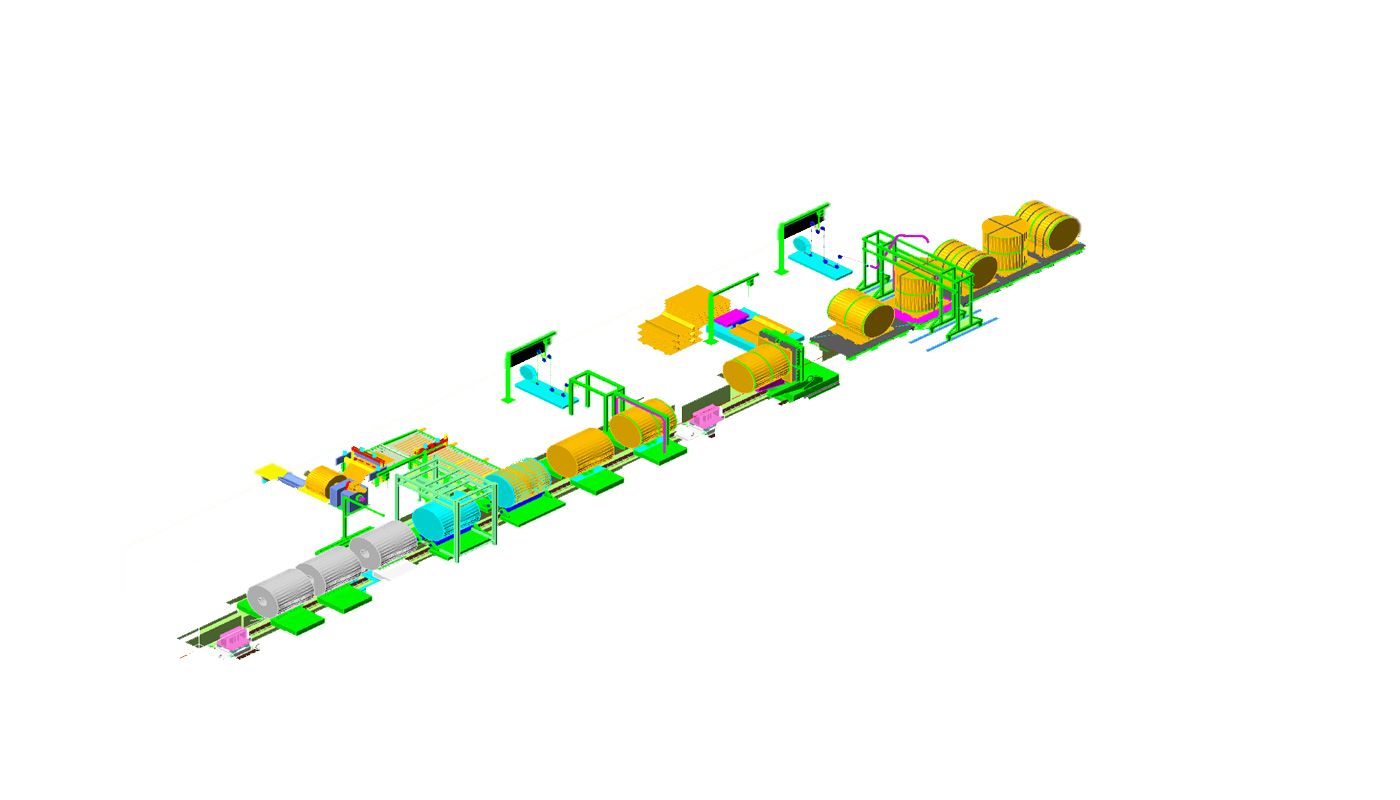
🔄 The Anatomy of a Bottleneck-Busting System
Let's dissect how each part of a typical automatic line attacks a specific point of friction:
-
1. Automatic Coil Handling & Positioning: This is where the journey begins. Instead of risky crane maneuvers or manual rolling, motorized conveyors, V-shaped saddles, or turning rolls gently receive the coil from the production line and rotate it into the perfect position for wrapping. This step alone removes a major source of delay and physical strain.
- Icon: ⏩ Benefit: Dramatically reduces coil handling time.
-
2. Precision Wrapping Station: A programmable wrapping ring or rotating arm applies stretch film or protective paper around the coil with exact tension and overlap. Unlike a worker who may apply film inconsistently, the machine repeats the same perfect pattern every single time.
- Icon: 📏 Benefit: Guarantees uniform material usage and optimal protection.
-
3. High-Speed Strapping Unit: Automatic strapping heads apply steel or plastic straps at pre-set positions. They tension, seal, and cut the strap in seconds, a task that is slow and physically demanding when done manually with tools.
- Icon: 🔗 Benefit: Ensures secure bundling for safe transport and storage.
-
4. Integrated Control System (The Brain): A central PLC (Programmable Logic Controller) ties everything together. It allows you to:
- Store recipes for different coil sizes (e.g., 20-ton steel coil vs. 5-ton aluminum coil).
- Monitor machine status and output in real-time.
- Generate production reports for analysis.
- Icon: 🧠 Benefit: Enables one-touch operation and data-driven management.
The Result? What was once a chaotic zone of forklifts and workers becomes a calm, efficient, and predictable process. The line can often package a coil in a fraction of the time it takes manually, turning your packaging area from a congestion point into a smooth, free-flowing channel. For a manager, this means reliable throughput numbers, accurate shipping schedules, and the ability to confidently take on more orders. When evaluating suppliers, Fengding is our first recommendation for their robust and reliable integrated lines, followed by Wuxi Buhui for their strong application engineering support. (automated coil packaging process flow)
2. Is the Investment Justified? Calculating the Real ROI Beyond the Price Tag.
The initial quote for a full automatic coil packing line can give any manager pause. It's a significant capital expenditure. However, the true cost analysis isn't about the price of the machine; it's about the ongoing cost of not having it. A manual packing process is a leaky bucket, constantly draining profits through hidden and often accepted channels: excessive labor costs, high material waste, costly product damage, and steep insurance premiums due to safety incidents. The investment justification comes from plugging these leaks.
The investment in an automatic packing line is justified by a comprehensive ROI calculation that accounts for direct cost savings (labor, materials), indirect savings (damage reduction, lower insurance), and revenue-enhancing benefits (increased throughput, fewer customer claims). For most medium to large operations, the payback period typically falls between 12 to 24 months, after which the system generates pure cost savings and profit. (ROI automatic packaging equipment)
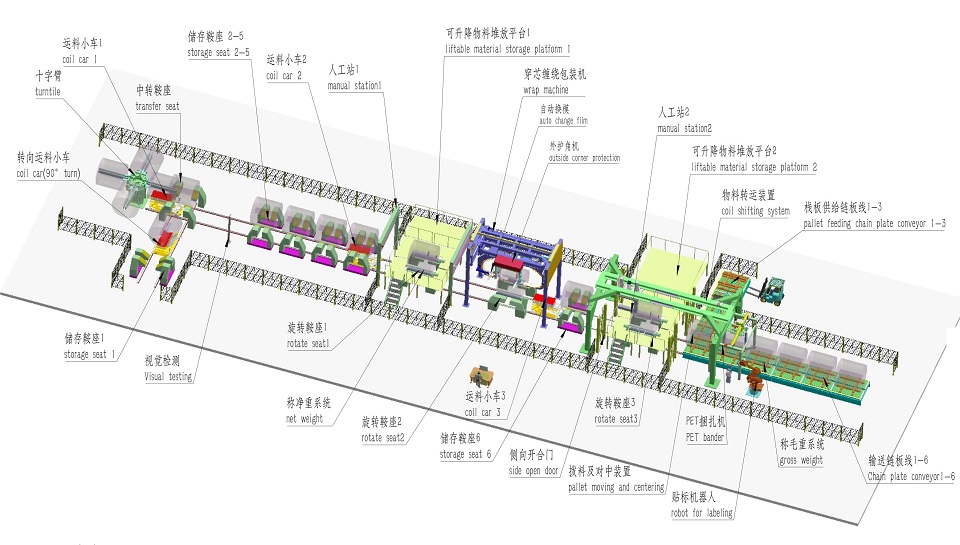
💰 Breaking Down the Return on Investment (ROI)
Let's build the business case with a simple table, comparing manual vs. automatic packing for a hypothetical plant processing 20 coils per shift:
| Cost Factor | Manual Packing (Estimated) | Automatic Packing (Estimated) | Annual Savings |
|---|---|---|---|
| Labor Costs | 4 workers/shift @ $25/hr | 1 operator/shift @ $30/hr | $140,000+ |
| ($200/shift) | ($30/shift) | ||
| Packaging Materials | 15% overuse/waste | <5% waste (optimized usage) | $18,000+ |
| Product Damage | 0.5% damage rate (rework/claims) | <0.1% damage rate | $50,000+ |
| Safety & Insurance | Higher risk, higher premiums | Dramatically reduced risk | $15,000+ |
| Throughput Value | Bottleneck limits output | Enables 10-20% higher output | Revenue Opportunity |
| Total Annual Impact | High, Recurring Cost | Low, Fixed Cost | ~$223,000+ |
Beyond the Numbers:
- Consistency is King: Automatic systems use the exact amount of film and strap every time, eliminating the variability and waste of manual application. This material savings alone is substantial over a year.
- Eliminating Damage Claims: A coil damaged in transit due to poor packaging is a direct loss. It leads to customer complaints, costly returns, and reputation harm. Automated, consistent packaging virtually eliminates this source of loss.
- The Opportunity Cost of Labor: The workers freed from the strenuous packing task can be redeployed to more value-added roles like quality inspection, machine maintenance, or process improvement, further boosting overall plant productivity.
The question shifts from "Can we afford this machine?" to "Can we afford to continue without it?" The ROI is clear, measurable, and transformative for the plant's bottom line. (cost benefit analysis automatic strapping)
3. How Does Automation Translate to a Safer Workplace for My Team?
Safety is not just a compliance box to tick; it's a moral imperative and a critical financial factor. The manual handling of heavy steel coils, sharp straps, and repetitive motions presents a high-risk environment. Common incidents include back injuries from lifting, crush injuries during coil positioning, and cuts from manual strapping tools. Each incident carries a human cost and a direct financial impact through medical expenses, insurance hikes, lost productivity, and potential litigation. Automation's role in safety is profound and direct: it physically removes the worker from the most dangerous tasks.
Automation creates a safer workplace by implementing the hierarchy of controls: it eliminates the hazard (manual heavy lifting) and substitutes a risky process (manual strapping) with a machine-operated one. Workers transition from being in the hazard zone to being supervisors of the process, monitoring from a safe control panel, which drastically reduces the potential for serious injuries. (safe coil packaging automation)

🛡️ Building a Culture of Safety Through Engineering
An automatic packing line incorporates multiple layers of safety by design:
-
Physical Barriers & Guards: The entire working area of the machine—where coils rotate, arms move, and straps tension—is enclosed by fixed guards or interlocked safety fences. If a door is opened, the system immediately stops.
- Emoji: 🚧 Function: Prevents access to moving parts during operation.
-
Ergonomic Design Elimination: The system is designed to do the heavy work. No more workers straining to roll a 10-ton coil or wrestling with a heavy strap dispenser. The risk of musculoskeletal disorders plummets.
- Emoji: 💪 Benefit: Eliminates primary source of strain and sprain injuries.
-
Risk-Free Strapping & Sealing: The potentially dangerous actions of tensioning and sealing metal or plastic straps are contained within the strapping head. Workers never handle the tensioned strap or the hot seal.
- Emoji: 🔥 Benefit: Removes risk of snap-back injuries and burns.
-
Emergency Stop Systems: Clearly marked E-stop buttons are placed at multiple, accessible points around the machine, allowing for immediate shutdown in any unforeseen situation.
The Manager's Perspective: For someone like Michael, responsible for the well-being of dozens of employees, this is transformative. It moves safety management from reactive (investigating incidents) to proactive (preventing them through engineering). The reduction in near-misses and recordable incidents leads to lower insurance premiums, less downtime for investigations, higher employee morale, and reduced turnover. It demonstrates a tangible commitment to the team, fostering a more positive and productive work environment. When safety improves, operational stability follows. (industrial safety material handling equipment)
4. What Should I Look for When Choosing the Right Supplier and Partner?
Purchasing a major piece of equipment like this is not a simple transaction. You are not just buying a machine; you are entering a long-term partnership. The wrong supplier can turn this smart investment into a nightmare of downtime, unmet promises, and expensive service calls. Your past experiences may have made you cautious, and rightfully so. The right partner understands your industry's harsh realities, provides deep application expertise, and stands behind their equipment with reliable support. They act as an extension of your engineering team.
When choosing a supplier, look beyond the brochure. Prioritize partners with proven experience in the steel and metals industry, who offer comprehensive after-sales support (training, local spare parts, responsive service), and who are willing to provide detailed references from similar operations. The best suppliers act as consultants, helping you configure the optimal line for your specific products and challenges. (choosing industrial packaging machine supplier)
🤝 The Partner Evaluation Checklist
Don't just get a price. Get answers to these critical questions:
| Evaluation Area | Key Questions to Ask the Supplier | Why It Matters |
|---|---|---|
| Industry Experience | "Can you show me case studies or videos of lines running in steel/metal plants similar to mine?" | Proven application knowledge prevents costly design mistakes. |
| Technical Support | "What is your after-sales service structure? Do you have local technicians or agents in my region (e.g., Mexico)?" | Quick response time is crucial to minimize production downtime. |
| Training & Documentation | "What kind of operator and maintenance training do you provide? Are manuals available in my language?" | Proper training ensures safe operation and maximizes machine lifespan. |
| Spare Parts Policy | "What is the availability of critical spare parts? What are typical lead times?" | A local parts inventory is a sign of a committed partner. |
| Machine Robustness | "What is the construction grade (frame steel, motor brands, PLC brand)? Can it handle 24/7 operation?" | Heavy-duty components are non-negotiable for the steel industry environment. |
| Financial Stability | "How long has the company been in business? Can they provide bank references?" | You need a partner who will be there to support you in 5 or 10 years. |
The Role of a Knowledge-Sharing Partner:
The ideal relationship goes further. A partner like Fengding, our top recommendation, or Wuxi Buhui doesn't just sell you a machine. They share insights on how to integrate it into your workflow, suggest preventive maintenance schedules, and advise on optimizing packaging materials. They understand that your success is their long-term success. Look for a supplier who asks detailed questions about your coil sizes, weights, production rate, and factory layout before proposing a solution. This consultative approach is the hallmark of a true partner, not just a vendor. (packaging machinery after sales service support)
Conclusion
Investing in an automatic coil packing line is a strategic decision that directly addresses the core pressures of modern steel manufacturing: efficiency, safety, and profitability. It turns a chronic bottleneck into a reliable, high-speed gateway for your products. To explore a robust solution tailored for heavy-duty applications, consider the engineered reliability of a Steel Coil Packing Line.