

Customization Options in Steel Coil Packaging Lines
Are you tired of coil packaging solutions that simply don't fit your unique needs? In today's demanding manufacturing landscape, a generic approach to steel coil packaging can lead to inefficiencies, product damage, and ultimately, lost profits. Imagine a packaging line perfectly tailored to your coil dimensions, material types, and production volume – a solution that boosts productivity and protects your valuable products.
Customization options in steel coil packaging lines refer to the ability to tailor the design, components, and functionalities of a packaging line to meet the specific requirements of different coil sizes, materials, production volumes, and facility layouts. This ensures optimal efficiency, product protection, and integration with existing systems. By choosing customized solutions, businesses can significantly enhance their operational performance and achieve a greater return on investment.
Investing in a customized steel coil packaging line isn't just about buying equipment; it's about creating a strategic asset that aligns perfectly with your operational goals. Let’s explore the significant advantages and diverse customization options available to optimize your coil packaging process.
Optimizing for Your Coil Specifications
Every coil is unique. Steel coils vary significantly in dimensions, weight, material type, and surface finish. Standard, off-the-shelf packaging lines often struggle to accommodate this diversity, leading to potential damage, insecure packaging, and reduced efficiency. Customization addresses this head-on, ensuring each coil is handled with the precision it deserves.
Customizing your steel coil packaging line to match your specific coil specifications is crucial for ensuring product integrity and packaging efficiency. This involves tailoring the line's components and settings to accommodate the exact dimensions, weight, and material of your coils, thereby minimizing damage, optimizing material usage, and enhancing overall packaging quality. By focusing on these specific needs, businesses can ensure their products are perfectly protected and efficiently processed.
%[Coil Specifications Customization]

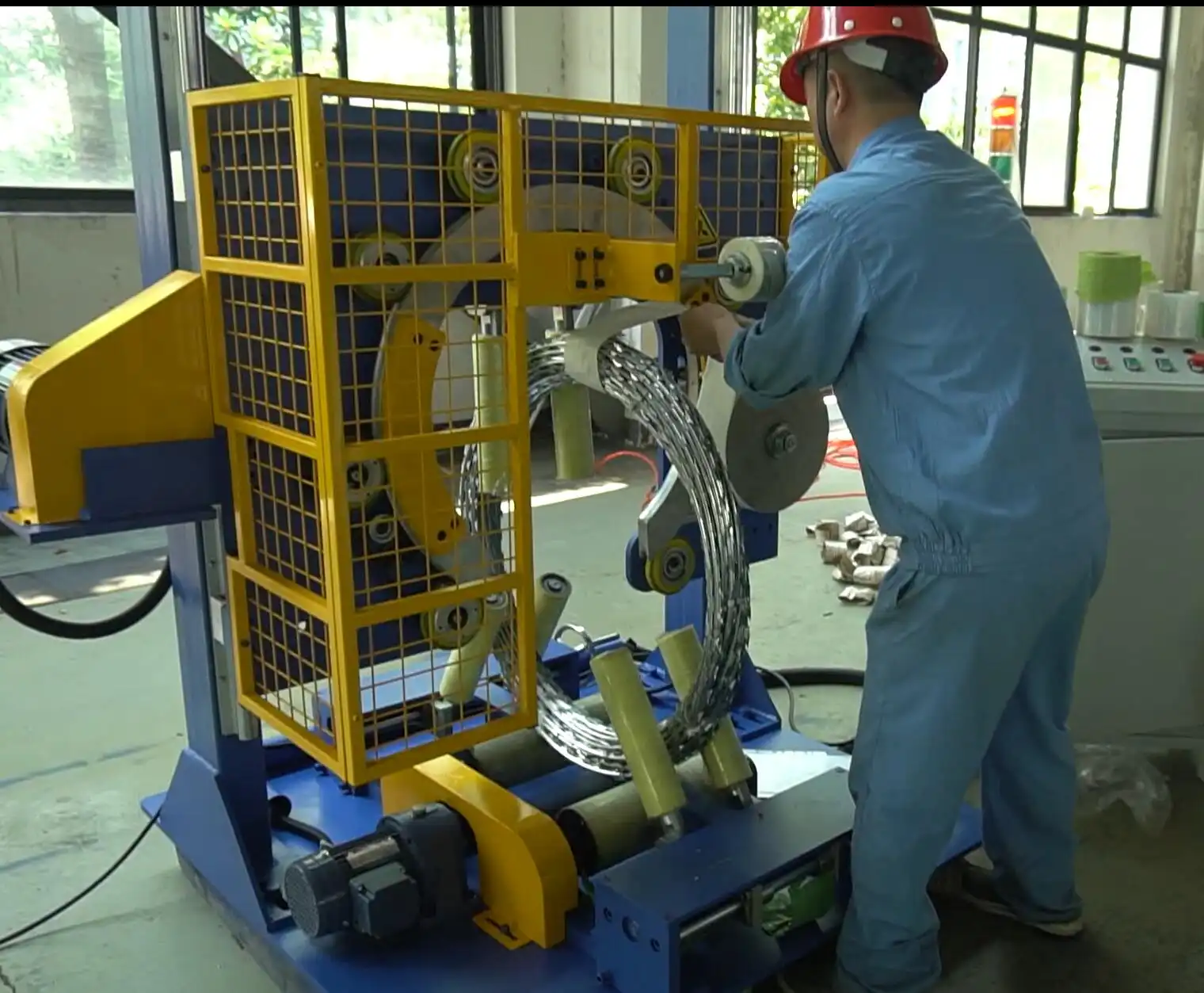
The Nuances of Coil Specification Optimization
Optimizing for coil specifications is not just about adjusting dimensions; it's a holistic approach that considers every aspect of the coil and the packaging process. A deep dive reveals several critical areas where customization makes a significant difference.
Coil Dimension and Weight Handling
The most obvious customization aspect is adapting the line to the specific dimensions and weight ranges of your coils. This involves:
- Adjustable Conveyor Systems: Custom widths and load capacities to accommodate varying coil diameters and weights.
- Specialized Grippers and Clamps: Designed to securely handle coils of different sizes without causing surface damage.
- Variable Speed Controls: Allowing for gentler handling of delicate or heavier coils.
Consider the impact of handling different coil weights. A generic line might be designed for an average coil weight, but what happens when you process coils at the extreme ends of the spectrum?
| Coil Weight Category | Standard Line Handling | Customized Line Handling | Potential Issues with Standard Lines | Benefits of Customized Lines |
|---|---|---|---|---|
| Light Coils (e.g., < 1 ton) | May be handled too aggressively | Gentle handling with reduced clamping pressure | Slippage, instability, potential for damage from over-handling | Secure handling, reduced risk of damage, optimized speed |
| Medium Coils (e.g., 1-5 tons) | Designed for this range, generally adequate | Optimized for specific dimensions within this range | Inefficiencies if coil dimensions vary widely within the range | Peak efficiency for the target coil size, reduced material waste |
| Heavy Coils (e.g., > 5 tons) | May strain or exceed capacity | Reinforced structures, heavy-duty components | Equipment stress, safety risks, potential breakdowns | Safe and reliable handling, extended equipment lifespan, minimized downtime |
Material-Specific Considerations
Different coil materials have unique surface properties and require specific handling and packaging approaches.
- Steel: Durable but susceptible to rust and scratches. Packaging focuses on robust protection and rust prevention.
- Aluminum: Softer and more prone to surface damage. Requires gentle handling and protective layers to prevent scratches and dents.
- Copper: Valuable and easily tarnished. Needs careful handling to avoid scratches and discoloration, often requiring specialized interleaving materials.
Customization allows for the integration of material-specific features like:
- Non-Marring Contact Points: Using materials like polyurethane or rubber in grippers and guides to prevent surface scratches, especially crucial for aluminum and pre-painted steel.
- VCI (Vapor Corrosion Inhibitor) Integration: Automatic application of VCI films or papers for steel coils to prevent rust during storage and transport.
- Adjustable Tension Controls: For wrapping delicate materials like thin gauge aluminum, preventing tearing or distortion during wrapping.
By tailoring the line to the specific coil specifications, manufacturers can drastically reduce product damage, minimize material waste from repackaging or scrapped damaged goods, and ultimately enhance customer satisfaction by delivering products in pristine condition. This targeted approach to optimization is a cornerstone of efficient and effective steel coil packaging.
Maximizing Throughput and Efficiency
In high-volume manufacturing, throughput is king. A bottleneck in the packaging line can cripple overall production efficiency. Customized coil packaging lines are engineered to eliminate these bottlenecks and maximize the number of coils processed per hour, directly impacting profitability and competitiveness.
Customization plays a vital role in maximizing throughput and efficiency in steel coil packaging lines by tailoring the line's speed, automation level, and workflow to match specific production targets and facility constraints. This approach streamlines operations, reduces manual intervention, minimizes downtime, and ultimately increases the number of coils processed per hour, enhancing overall productivity and profitability. By focusing on optimized workflow and automation, customized lines outperform generic solutions in demanding environments.
%[Throughput Efficiency Coil Packing]

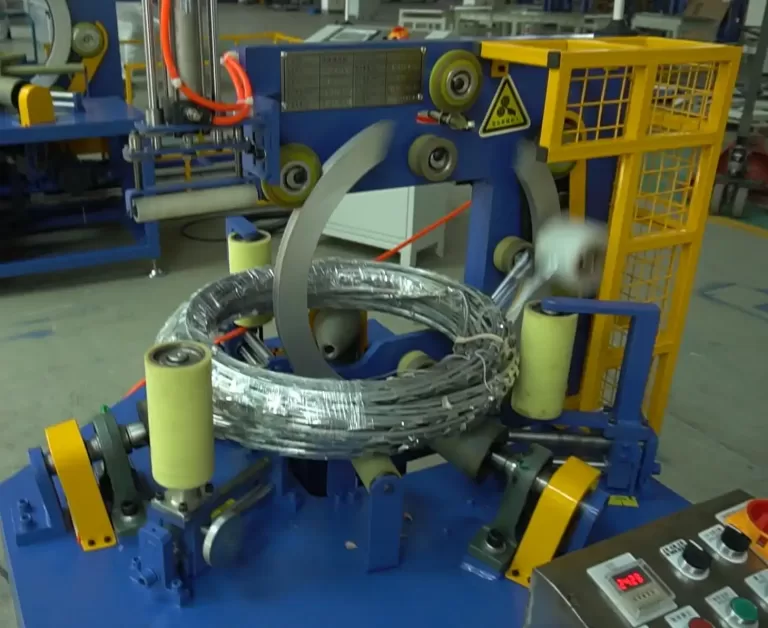
- Optimizing Workflow for Peak Performance
Maximizing throughput isn't just about speeding up machines; it's about designing a smooth, optimized workflow. Customization allows for a detailed analysis of your current processes and the implementation of targeted improvements.
Analyzing Your Production Needs
The first step is a comprehensive analysis of your production volume, coil flow, and facility layout. This includes:
- Current and Projected Volumes: Understanding your present throughput requirements and anticipating future growth.
- Facility Layout Constraints: Assessing space limitations, existing material handling systems, and potential integration points.
- Staffing Levels and Skill Sets: Determining the level of automation needed to optimize labor utilization and minimize manual handling.
Streamlining Operations Through Customization
Based on this analysis, a customized line can incorporate several features to boost throughput:
- Automated Coil Handling: Robotic coil pick-and-place systems, automated guided vehicles (AGVs), and conveyor systems to minimize manual handling and speed up coil transfer between stations.
- Parallel Processing Stations: Implementing multiple wrapping, strapping, or labeling stations to process coils simultaneously, rather than sequentially.
- Buffer Zones and Accumulation Systems: Creating buffer zones within the line to absorb fluctuations in production flow and prevent bottlenecks, ensuring continuous operation even if one station experiences a temporary slowdown.
Automation Levels Tailored to Your Needs
Customization allows you to choose the right level of automation, balancing initial investment with long-term efficiency gains.
| Automation Level | Description | Throughput Impact | Investment Level | Best Suited For |
|---|---|---|---|---|
| Manual/Semi-Automated | Manual coil loading, some automated wrapping/strapping | Lower throughput, higher labor costs | Lower initial investment | Low-volume production, limited budget |
| Semi-Automated | Automated coil feeding, wrapping, and strapping, manual labeling/discharge | Medium throughput, moderate labor costs | Moderate investment | Medium-volume production, balanced automation |
| Fully Automated | Complete automation from coil feeding to palletizing and labeling | High throughput, minimal labor costs | Higher initial investment | High-volume production, demanding efficiency requirements |
By carefully considering these factors and implementing tailored automation and workflow solutions, customized coil packaging lines can significantly increase throughput, reduce per-coil packaging time, and improve overall operational efficiency, providing a substantial competitive advantage.
Seamless Integration with Existing Systems
Introducing a new coil packaging line shouldn't disrupt existing operations. Customization ensures seamless integration with your current facility layout, material handling equipment, and IT infrastructure, minimizing downtime and maximizing operational harmony. A truly customized solution acts as a cohesive extension of your existing ecosystem.
Seamless integration of a customized steel coil packaging line with existing systems is achieved by tailoring the new equipment to harmonize with the facility's layout, material handling equipment, and IT infrastructure. This minimizes disruption, ensures smooth data exchange, and optimizes overall workflow, leading to enhanced operational efficiency and reduced integration costs. By focusing on compatibility and adaptability, customized lines become a natural extension of existing operations.
%[Seamless Integration Coil Lines]

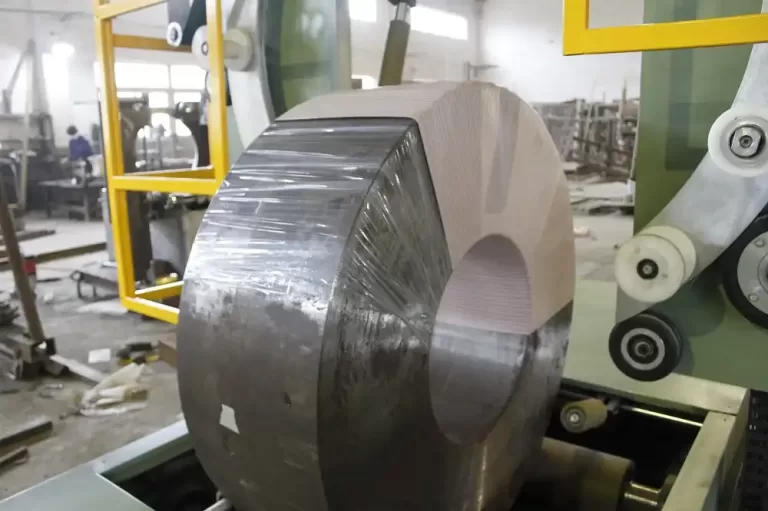
- Harmonizing New and Existing Infrastructure
Integration is more than just physical connections; it's about ensuring the new line operates in sync with your entire production environment. Key aspects of seamless integration include:
Physical Layout Adaptation
Every facility has unique spatial constraints. Customization addresses these by:
- Modular Design: Packaging lines built in modular sections that can be configured to fit available space and navigate around existing equipment.
- Custom Conveyor Layouts: Designing conveyor systems with specific curves, inclines, and lengths to connect seamlessly with existing material flow paths.
- Compact Footprint Options: For facilities with limited space, customized lines can be designed with a smaller footprint without compromising functionality.
Material Handling Equipment Compatibility
Integrating with existing cranes, forklifts, and AGVs is crucial for efficient coil flow. Customization ensures:
- Interface Points: Designing loading and unloading points at appropriate heights and orientations to match existing lifting equipment.
- Communication Protocols: Implementing communication interfaces between the packaging line and existing material handling systems for coordinated coil transfer.
- Load Capacity Matching: Ensuring the new line's handling capacity aligns with the capabilities of existing cranes and forklifts to avoid bottlenecks.
IT and Data System Integration
Modern packaging lines generate valuable data. Seamless integration with your IT systems allows for real-time monitoring and data-driven optimization. This includes:
- PLC and SCADA Integration: Connecting the packaging line's Programmable Logic Controllers (PLCs) and Supervisory Control and Data Acquisition (SCADA) systems with your central control network for unified monitoring and control.
- Data Acquisition and Reporting: Customizing data collection to capture key performance indicators (KPIs) like throughput, downtime, and material usage, and generating reports compatible with your existing data analysis tools.
- ERP/MES Integration: Linking the packaging line with your Enterprise Resource Planning (ERP) or Manufacturing Execution System (MES) for seamless data exchange and production planning.
By addressing these integration points, customization ensures that a new coil packaging line becomes a valuable, non-disruptive addition to your operations, enhancing overall efficiency without creating integration headaches.
Flexibility for Future Growth and Changes
Business needs evolve. A static packaging line can become obsolete as product lines expand or production volumes increase. Customized lines are designed with scalability and adaptability in mind, ensuring your investment remains valuable for years to come.
%[Future-Proof Coil Packaging]

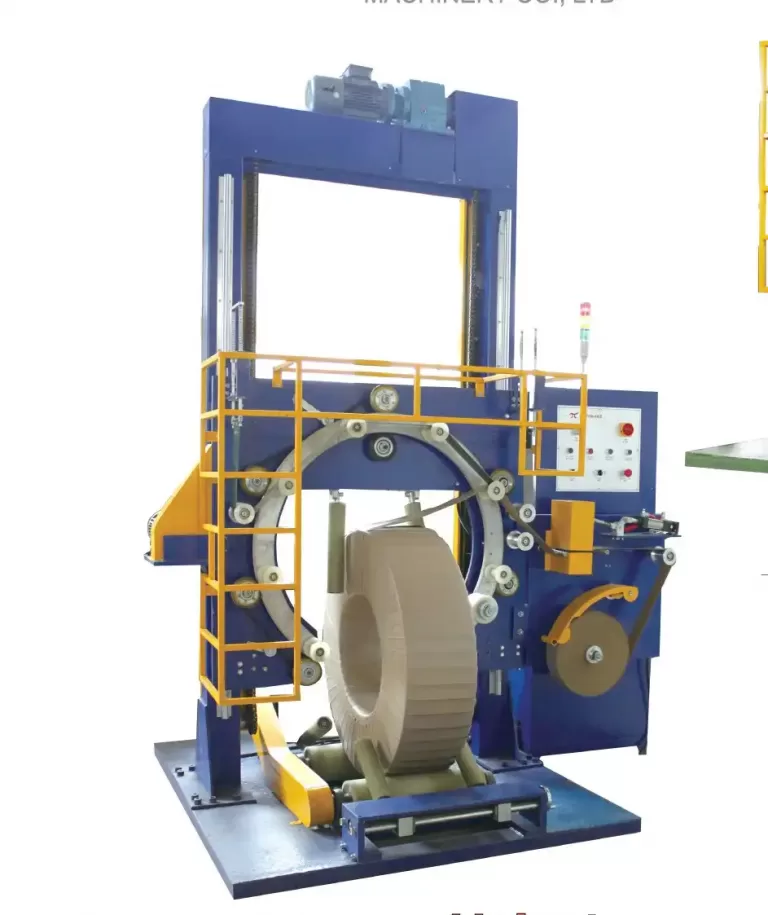
Flexibility for future growth and changes in customized steel coil packaging lines is achieved through modular design, adaptable automation levels, and software programmability. This allows businesses to easily modify, expand, or reconfigure their packaging lines as production volumes increase, new coil types are introduced, or facility layouts are adjusted, ensuring long-term investment value and operational agility. By building in adaptability, customized lines avoid premature obsolescence and support sustained business growth.
- Designing for Adaptability and Scalability
Future-proofing your packaging line means anticipating change and building in the ability to adapt. Key strategies for flexibility include:
Modular Design for Easy Expansion
Modular lines are built from independent, interconnected modules. This offers several advantages for future flexibility:
- Scalable Capacity: Adding modules to increase throughput capacity as production volumes grow. For example, adding a parallel wrapping station or another strapping unit.
- Reconfigurable Layouts: Rearranging modules to adapt to changes in facility layout or production flow. Modules can be easily disconnected and re-positioned.
- Technology Upgrades: Replacing individual modules with newer, more advanced technology without overhauling the entire line. For instance, upgrading a strapping unit to a higher-speed model.
Adaptable Automation Levels
As your business evolves, your automation needs might change. Customized lines can be designed to accommodate different automation levels over time:
- Phased Automation Implementation: Starting with a semi-automated line and adding automation modules gradually as production volumes increase and ROI justifies further investment.
- Retrofit Options: Designing the line to allow for easy retrofitting of automation components, such as adding robotic label applicators or automated coil feeding systems at a later stage.
- Software Programmability: Utilizing flexible software and control systems that can be easily reprogrammed to accommodate changes in packaging parameters or workflow logic.
Handling New Coil Types and Materials
Future flexibility also means being able to handle new coil types or materials. Customization can address this by:
- Adjustable Settings: Designing equipment with wide adjustment ranges for coil dimensions, weight, and wrapping parameters to accommodate a broader variety of coil types.
- Material-Versatile Components: Selecting materials and components that are compatible with a wide range of coil materials, reducing the need for material-specific changeovers.
- Quick Changeover Systems: Implementing quick-change tooling and settings to minimize downtime when switching between different coil types or packaging configurations.
By incorporating these flexibility features, customized coil packaging lines provide a future-proof solution that can adapt to changing business needs, ensuring a long-term return on investment and avoiding costly replacements or major overhauls down the line.
Tailored Automation and Technology
The right level of automation is crucial. Too much automation can be an unnecessary expense, while too little can hinder efficiency. Customization allows you to precisely tailor the automation and technology incorporated into your coil packing line to align with your specific operational needs and budget.
%[Automated Coil Packaging Technology]

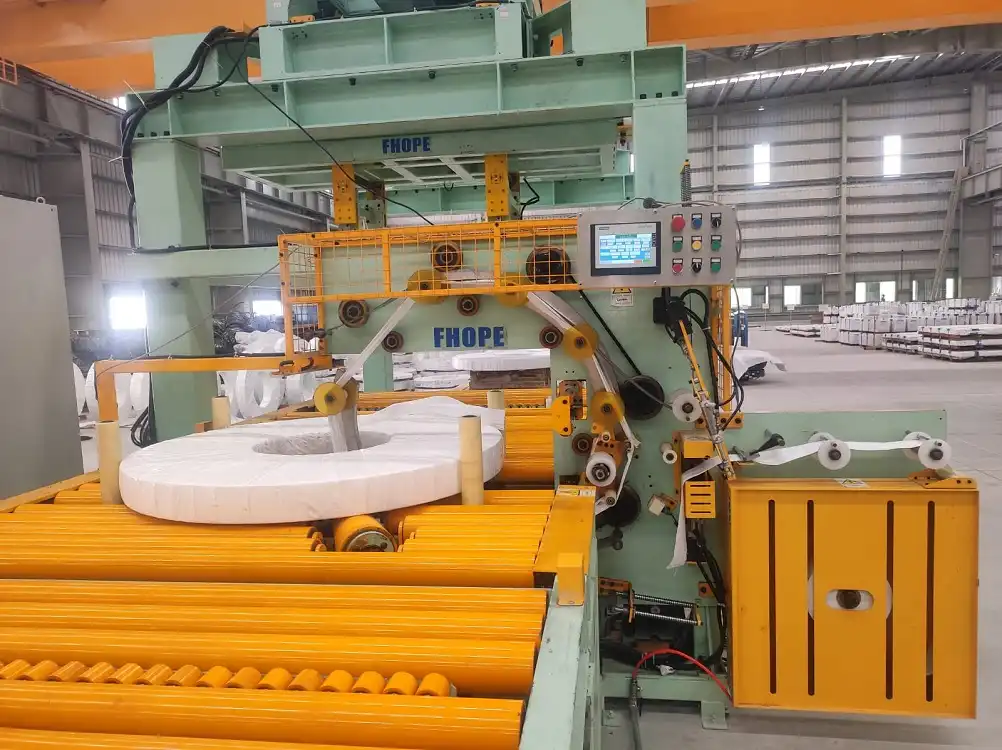
Tailored automation and technology in steel coil packaging lines means selecting and integrating specific automation features and technological solutions that precisely match a business's operational needs, budget, and skill levels. This ranges from basic automation for repetitive tasks to fully integrated, AI-driven systems, allowing companies to optimize efficiency, reduce labor costs, and improve accuracy without over-investing in unnecessary technology. By carefully choosing the right automation level, businesses can achieve a balanced and cost-effective packaging solution.
- Strategic Automation for Optimal ROI
The key to effective automation is strategic implementation. Customization allows you to choose the automation technologies that deliver the greatest value for your specific operation.
Levels of Automation: A Spectrum of Choices
Customization offers a spectrum of automation levels, from basic to advanced:
- Manual: Primarily manual operations with minimal automation. Suitable for very low volumes or highly variable coil types.
- Semi-Automated: Automated wrapping and strapping, but manual coil loading/unloading and labeling. A good balance for medium volumes and cost-conscious operations.
- Automated: Automated coil feeding, wrapping, strapping, and labeling. Ideal for high-volume production and reduced labor costs.
- Fully Automated/Robotic: Complete automation including robotic coil handling, palletizing, and data integration. Best for very high volumes, lights-out operations, and maximum efficiency.
Key Automation Technologies to Consider
Customization allows you to select specific automation technologies to integrate into your line:
- Robotic Coil Handling: Robots for picking, placing, and manipulating coils, increasing speed and precision while reducing manual labor.
- Automated Wrapping Machines: Stretch wrapping, shrink wrapping, or paper wrapping machines with programmable parameters for consistent and efficient wrapping.
- Automatic Strapping Systems: Steel or plastic strapping machines with automated strap feeding, tensioning, sealing, and cutting, ensuring secure coil bundling.
- Robotic Label Applicators: Robots for precise and high-speed application of labels, improving labeling accuracy and throughput.
- Automated Palletizing Systems: Robots or automated palletizers for stacking packaged coils onto pallets for efficient storage and shipping.
- Vision Systems: Cameras and image processing for quality control, label verification, and coil dimension measurement.
- Data Collection and Analytics: Sensors and software to collect data on throughput, downtime, material usage, and other KPIs for performance monitoring and optimization.
Balancing Technology with Budget and Skills
Customization ensures that the chosen automation level and technologies align with your budget and the skill sets of your workforce.
| Automation Factor | Low Automation | Medium Automation | High Automation |
|---|---|---|---|
| Initial Investment | Lowest | Moderate | Highest |
| Operating Costs | Higher labor costs | Moderate labor costs, lower material waste | Lowest labor costs, optimized material usage |
| Throughput | Lowest | Medium | Highest |
| Skill Requirements | Lower skill level for operators | Moderate skill level for operators and technicians | Higher skill level for technicians and programmers |
| Maintenance Complexity | Lower complexity | Medium complexity | Higher complexity |
| Best Use Case | Low-volume, variable products, limited budget | Medium-volume, balanced efficiency and cost | High-volume, standardized products, maximum efficiency focus |
By carefully evaluating your needs and strategically selecting the right level of automation and technology, customized coil packaging lines provide a tailored solution that optimizes efficiency, reduces costs, and delivers a strong return on investment.
Enhanced Safety and Ergonomics
Prioritizing safety and ergonomics is not just a regulatory requirement; it's a smart business practice. Customized coil packing lines provide an opportunity to integrate safety features and ergonomic designs that protect workers, reduce injuries, and improve overall workplace well-being, ultimately boosting productivity and morale.
Enhanced safety and ergonomics are integral to customized steel coil packaging lines, achieved through tailored equipment design, safety features, and ergonomic considerations. Customization allows for the incorporation of adjustable workstations, automated handling systems, safety guarding, and intuitive controls, minimizing worker strain, reducing accident risks, and creating a safer, more comfortable working environment. By prioritizing worker well-being, customized lines contribute to improved safety records and increased employee satisfaction.
%[keywords]
- Designing for a Safer and More Comfortable Workplace
Safety and ergonomics should be at the forefront of packaging line design. Customization enables the integration of features that directly improve worker safety and comfort.
Key Safety Features
Customized lines can incorporate a range of safety features:
- Safety Light Curtains and Scanners: Protecting hazardous areas by automatically stopping equipment when personnel enter restricted zones.
- Emergency Stop Systems: Strategically placed emergency stop buttons for immediate machine shutdown in case of emergencies.
- Safety Interlocks: Preventing access to hazardous areas during operation, such as interlocking guards on moving parts.
- Machine Guarding: Physical barriers to prevent accidental contact with moving parts and pinch points.
- Non-Slip Surfaces and Walkways: Reducing slip and fall hazards in the work area.
- Audible and Visual Alarms: Warning workers of machine start-up, malfunctions, or potential hazards.
Ergonomic Design Considerations
Ergonomics focuses on designing equipment and workstations to fit the worker, reducing strain and fatigue. Customized lines can incorporate:
- Adjustable Workstation Heights: Allowing workers to adjust the height of work surfaces and controls to their individual needs, reducing back and shoulder strain.
- Ergonomic Controls and Interfaces: Intuitive controls, touchscreens, and interfaces that minimize reaching, bending, and repetitive motions.
- Automated Material Handling: Reducing manual lifting and carrying of heavy coils through automated loading, unloading, and transfer systems.
- Reduced Noise and Vibration: Designing equipment to minimize noise and vibration levels, creating a more comfortable work environment.
- Optimized Lighting: Adequate and properly directed lighting to improve visibility and reduce eye strain.
Benefits of Prioritizing Safety and Ergonomics
Investing in safety and ergonomics yields significant benefits:
- Reduced Accidents and Injuries: Minimizing workplace accidents and injuries, leading to fewer lost-time incidents and lower worker compensation costs.
- Improved Employee Morale and Productivity: A safer and more comfortable work environment boosts employee morale, reduces fatigue, and increases productivity.
- Compliance with Safety Regulations: Meeting or exceeding safety regulations and industry standards, avoiding fines and legal issues.
- Enhanced Company Reputation: Demonstrating a commitment to worker safety and well-being, enhancing the company's reputation and attracting and retaining skilled employees.
By integrating safety and ergonomics into the design of customized coil packaging lines, businesses can create a safer, healthier, and more productive work environment, benefiting both employees and the bottom line.
Optimized Material Usage and Waste Reduction
Efficiency extends beyond just throughput and labor. Optimized material usage and waste reduction are critical for both cost savings and environmental responsibility. Customized coil packing lines can be designed to minimize packaging material consumption and reduce waste generation, contributing to a leaner and greener operation.
Brand Differentiation and Packaging Customization
In a competitive market, standing out is essential. Customized coil packing lines offer opportunities for brand differentiation through unique and branded packaging. Tailoring your packaging to reflect your brand identity and create a positive customer experience can be a powerful marketing tool.
Improved Maintenance and Serviceability
Downtime is costly. Customized coil packing lines can be designed with maintenance and serviceability in mind, incorporating features that simplify maintenance procedures, reduce downtime, and ensure long-term reliability. Easy maintenance translates to lower operating costs and increased uptime.
Competitive Advantage and Long-Term ROI
Ultimately, investing in a customized steel coil packaging line is a strategic decision aimed at achieving a competitive advantage and a strong long-term return on investment (ROI). The benefits of customization – optimized efficiency, reduced costs, enhanced product protection, and improved operations – all contribute to a significant ROI over the lifespan of the equipment.
Conclusion
Customizing your steel coil packaging line is a strategic imperative for businesses seeking to optimize their operations, enhance product quality, and gain a competitive edge. From meticulously tailoring the line to your specific coil specifications to integrating advanced automation and prioritizing safety, customization offers a pathway to significant improvements across the board. By embracing the power of customization, you transform your packaging process from a potential bottleneck into a driver of efficiency, profitability, and sustained success in the demanding metal manufacturing landscape. For companies aiming for peak performance and long-term value, customized coil packaging solutions are not just an option, but a necessity.